
HEALTHCARE

 Citrusbug Global →
Custom software for pharmaceutical companies, biotech firms, and CROs that holds up under FDA and EMA scrutiny. We build clinical trial, regulatory, pharmacovigilance, and supply chain platforms with validation evidence generated as part of the build, not assembled after the fact.

 HIPAA
HIPAA
 FDA 21 CFR Part 11
 GDPR
GDPR
 GxP
GxP
Trusted by industry leaders













Certifications and Accreditations

We design and build software across the four areas pharma companies most often need replaced or unified, each engineered to hold validation evidence from day one rather than retrofitted before an audit.
We build CTMS platforms covering protocol design, patient enrollment tracking, multi-site investigator coordination, and automated protocol deviation alerts, structured around your trial’s actual monitoring cadence rather than a generic workflow template.
Our teams build FDA, EMA, and ICH submission workflow automation with 21 CFR Part 11 compliant e-signatures, version-controlled SOP repositories, and audit trails that hold up to inspection without manual reconstruction.
We build adverse event capture and classification systems with MedDRA-coded signal detection dashboards, giving safety teams a structured intake pipeline instead of spreadsheet-based case tracking that breaks under volume.
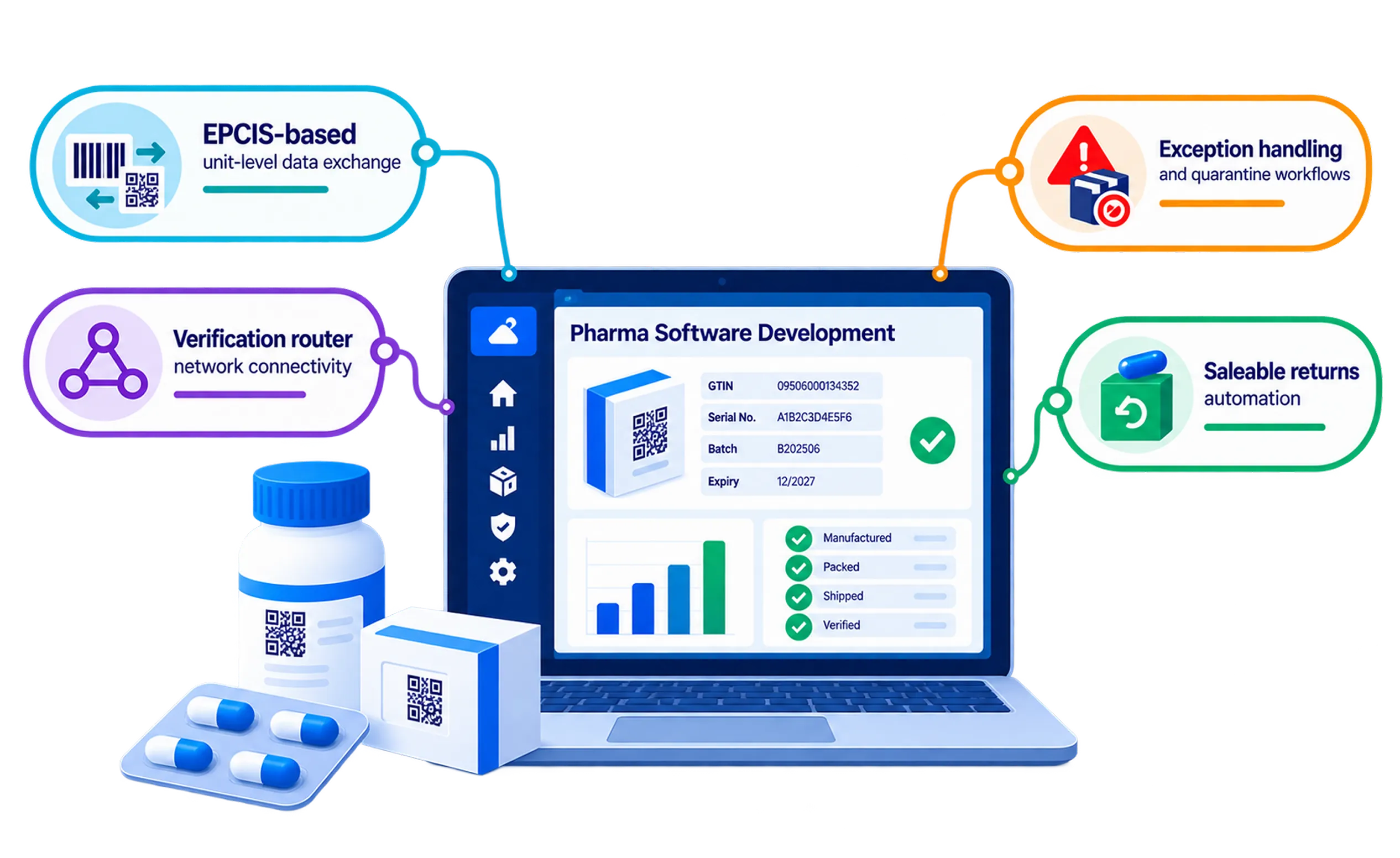
We build DSCSA-aligned traceability platforms supporting EPCIS-based data exchange at the saleable unit level, cold chain monitoring, and vendor procurement automation built for 2026’s full enforcement requirements.
Get a scoped assessment of what your build actually requires before a single sprint starts.
Get a Validation Scoping CallDSCSA’s enhanced drug distribution security requirements are now fully enforced for manufacturers, wholesale distributors, and large dispensers, with only small dispensers still under exemption through November 2026. Generic ERP modules and repurposed pharmacy software were never built for saleable-unit serialization, EPCIS data exchange, or the audit trail granularity inspectors now expect.
Meanwhile, FDA’s Computer Software Assurance guidance, finalized in September 2025, shifted how validation effort gets demonstrated. Teams still running exhaustive scripted testing on every system change are spending validation budget the new guidance no longer requires, while teams without a validated software partner are stuck retrofitting evidence after a system is already in production.
Every record change is computer-generated, time-stamped, and immutable, reviewed against a documented schedule rather than relying on staff discipline to flag discrepancies.
Unique user IDs, system-enforced password policy, and 21 CFR Part 11-compliant e-signatures bound to signer identity, date, and signature meaning at every event.
Every system change carries an impact assessment and re-validation trigger, so a single update doesn't quietly invalidate three other workflows downstream.
IQ/OQ/PQ protocols scaled to system risk under GAMP 5 and CSA principles, not a one-size-fits-all testing script applied regardless of complexity.
Most validated pharma platforms run between $35,000 and $150,000+ depending on regulatory scope and integration depth.
Get a transparent estimate after a free discovery session.


We design platforms around the specific compliance and operational pressure each segment of the industry actually faces.
We run structured discovery sessions with your regulatory, clinical, and IT stakeholders to map existing workflows, document compliance gaps, and produce a validated requirements document before any code is written. This step alone surfaces most of the downstream validation risk a project will carry.
Our architecture and UX teams design role-based interfaces aligned to how scientists, compliance officers, and supply chain staff actually move through a workday, with the system structure itself reflecting your GxP categorization from the start.
Engineers build on GAMP 5-aligned frameworks under our Secure ADLC methodology, generating change control records, test evidence, and audit trail logic as a byproduct of development rather than a separate documentation pass at the end.
We execute IQ/OQ/PQ protocols scaled to system risk per CSA guidance, producing the validation package your QA team needs for sign-off without redundant scripted testing on low-risk components.
We deploy with full regulatory documentation, team onboarding, and a structured post-launch support plan covering revalidation triggers as your regulatory landscape and compound pipeline evolve.
We build directly against the standards governing your specific operations, not a generic compliance checklist.
| Standard | Scope | Who Needs It | Our Coverage |
|---|---|---|---|
|
21 CFR Part 11 |
Electronic records and e-signatures |
All FDA-regulated software |
Full |
|
GxP / GAMP 5 |
Risk-based system validation |
Manufacturing, clinical, lab systems |
Full |
|
DSCSA / EPCIS |
Saleable-unit drug traceability |
Manufacturers, distributors, dispensers |
Full |
|
EU Annex 11 |
Computerized system control, EU markets |
Dual-jurisdiction operations |
Full |
|
HIPAA |
Protected health data |
Patient-facing or PHI-adjacent systems |
Full |
Most vendors still describe DSCSA as an upcoming requirement. It is not. Manufacturers, wholesale distributors, and large dispensers are already under full enforcement, and only small dispensers remain exempt through November 2026.

EPCIS-based unit-level data exchange
Verification router network connectivity
Exception handling and quarantine workflows
Saleable returns automation
Get a platform engineered for the regulatory and operational demands of your business.
Schedule a Free ConsultationTheir agile way of working, competence, and friendliness are impressive.December 7, 2024
Citrusbug Technolabs handles a data extraction project for an education company. They're also responsible for managing an AI generation project for the client.
Citrusbug Technolabs has laid out and followed a clear project outline and consistently met deadlines. The team communicates well and demonstrates a strong understanding of the client's vision and goals. Their agile approach, high level of competence, and personable approach stand out.
 Read More
Their communication and ability to capture exactly what I was asking for were impressive.November 14, 2024
Citrusbug Technolabs built an automated system for a veteran medical company. The system needed to collect and store user data, generate customized letters based on surveys, and use AI to summarize reviews.
Citrusbug Technolabs delivered a functional automated system that successfully organized the client's records and auto-generated statements. The team was quick to respond, addressed all roadblocks, and communicated effectively. Overall, their ability to understand the client's needs stood out.
Read More
They were very calm and talented, and they did bring some of their own ideas.January 28, 2025
Citrusbug Technolabs has developed an MVP for a freight and capacity marketplace. The team has created three different interfaces for three market segments.
Citrusbug Technolabs has successfully developed an effective MVP. The team has delivered the project on time and almost within budget. Moreover, their responses have been timely. Overall, the team has been calm, talented, and innovative. This has led to the client's satisfaction.
Read More
What stood out most about them was their personalized approach and sense of ownership in every aspect of the project."February 27, 2024
Citrusbug Technolabs built a Flutter cross-platform mobile app for an education company. They also developed two web apps and an admin panel and provided DevOps support for the client's infrastructure.
Citrusbug Technolabs' support successfully boosted the client's user engagement by 8x, resulting in an 85% retention rate. The reliable team demonstrated a dedication to delivering on time and promptly responding to concerns and adjustments. Their personalized, client-centric approach stood out.
Read More
They didn't like the phrase "impossible to do", which made them very solution-oriented.February 19, 2024
A healthcare company hired Citrusbug Technolabs to design and develop a user-friendly application. The team provided tailored assistance to meet the client's requirements.
Citrusbug Technolabs successfully delivered an application that was ready for market. The team was highly professional and well-organized; they stayed focused throughout the engagement and were receptive to changes. Overall, they stood out for their trustworthiness and commitment to excellence.
Read More
They're 100% on time and transparent throughout each stage of the project.February 24, 2024
A financial technology company has hired Citrusbug Technolabs to build a custom web application. The team handles the development and design of the app.
The project is ongoing, but the client has been satisfied with Citrusbug Technolabs' services. The team is very professional — they always respect timelines and provide regular updates to ensure everyone's on the same page. Also, their transparent approach makes them a trustworthy partner.
Read More
"I do believe they are exceptional at where they stand."
Citrusbug Technolabs took on a mobile app development project for a Singapore-based development house. They were provided with UX designs to execute. Currently, they're finalizing and fine-tuning the product.
Citrusbug Technolabs contributed to the successful launch of the product, which has garnered over 10,000 users in just three months. The product has also received support from investors. They consistently followed-up with their progress and delivered at a speedy rate. The team is truly stellar.
Read More
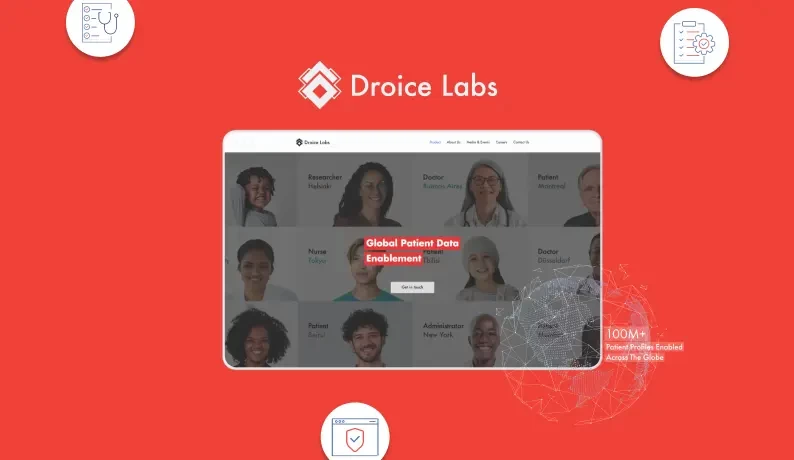
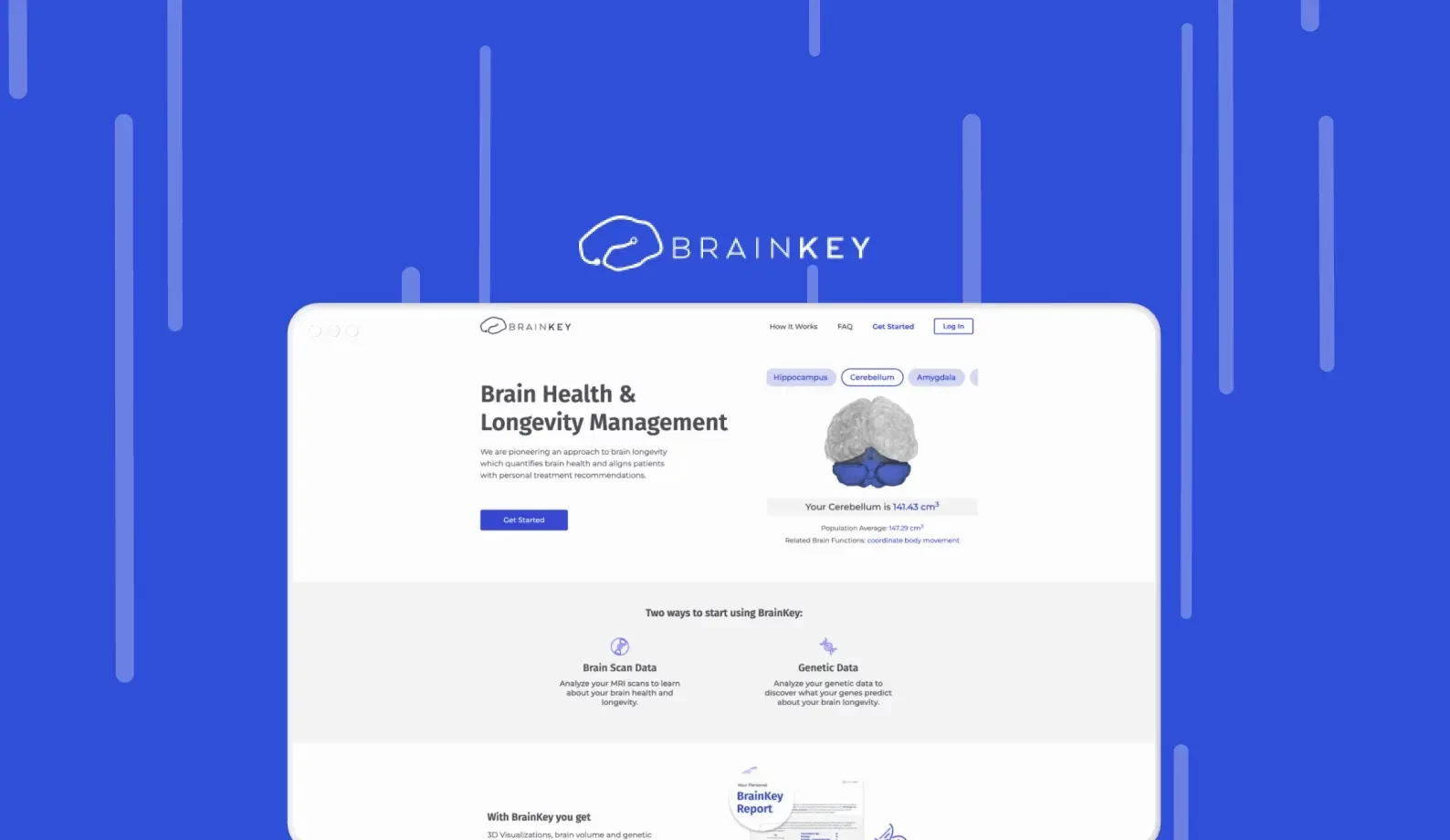
AI-based personal health monitoring and preventive care platform designed to transform diverse clinical and patient data into actionable insights.
View Case Study →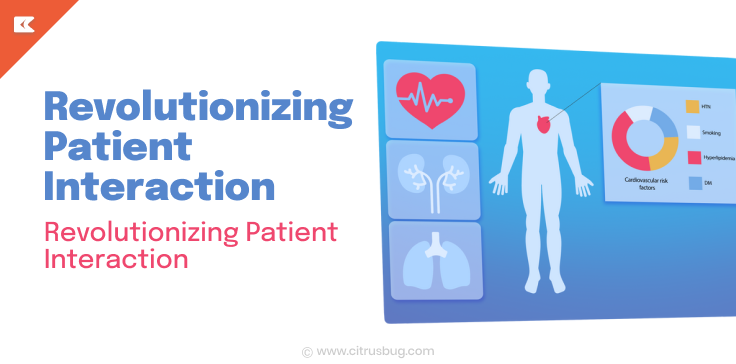
 Artificial Intelligence
The healthcare sector is changing quickly in order to streamline and expedite operations. People have noticed significant changes in the healthcare industry since NLP was introduced. AI software development makes…
Read Article → Custom Software Development
Operational efficiency and patient-centric healthcare are not optional in the modern healthcare environment. They are important for success and survival. In order to provide better patient experiences leveraged by effortless…
Read Article →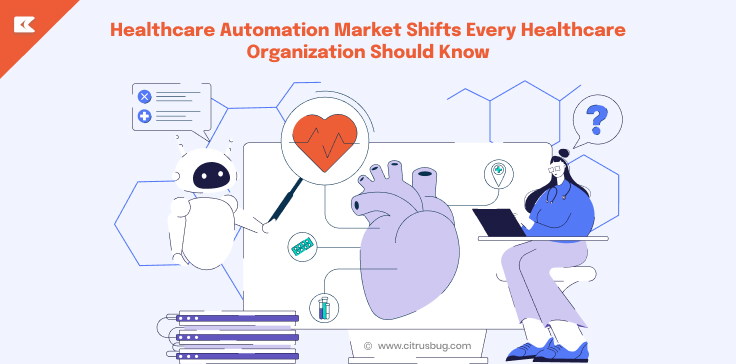 Custom Software Development
The healthcare automation market is undergoing rapid transformation as providers seek efficiency, accuracy, and scalability in an increasingly complex healthcare landscape. It’s no longer just forms that are being digitized…
Read Article →Most projects complete in 4 to 9 months. A focused module like an adverse event intake system can ship in around 3 months; enterprise platforms with multi-system integration take longer.
Yes. We produce complete Installation, Operational, and Performance Qualification protocols scaled to system risk under GAMP 5 and current CSA guidance, ready for your QA sign-off.
We build native integration layers for both platforms, along with SAP, LIMS systems, and MedDRA dictionaries, avoiding fragile middleware that breaks on vendor updates.
Our change control process documents the impact assessment and triggers re-validation only where genuinely required, so a regulatory shift doesn't force a full project restart.
We build EPCIS-based unit-level traceability with verification router network connectivity and documented exception handling workflows aligned to 2026 enforcement requirements.
Yes. Every record change is computer-generated, time-stamped, and immutable from the first production deployment, with a documented review schedule built into the system.
Cost depends on regulatory scope, system integrations, and validation requirements. We provide a transparent estimate after a no-charge discovery session, not a generic price range upfront.
Yes. We build systems that satisfy 21 CFR Part 11 and EU Annex 11 independently rather than treating one as a subset of the other, since the requirements diverge.
