Custom AML Software Development for Banks, FinTechs, and Financial Institutions
We build AI-powered anti-money laundering software that catches real threats, reduces false positives, and keeps your institution compliant with FATF, FinCEN, and global AML regulations. From transaction monitoring to sanctions screening, every module is built around your risk profile and operational needs.
Every financial institution faces different compliance challenges when adopting AI-powered AML solutions. We develop tailored AML software that fits your specific regulatory environment, transaction volumes, and risk appetite. Our solutions go beyond checkbox compliance to give your compliance team the tools they actually need.
Custom AML Platform Development
End-to-end AML platforms built for your compliance workflows. We develop systems that handle customer onboarding checks, ongoing transaction monitoring, suspicious activity reporting, and regulatory filing, all within a single, unified interface that your compliance officers can navigate without technical training.
RegTech Software Development
Regulatory technology platforms that simplify compliance operations through regulatory compliance automation and reduce manual workload. Our RegTech solutions automate routine compliance tasks, keep pace with regulatory updates, and generate audit-ready reports so your team can focus on genuine risk assessment instead of paperwork.
Fraud Detection Software Development
We build fraud detection software development systems that identify unusual activity patterns faster, reduce unnecessary alerts, and help financial teams respond with confidence. Our fraud detection modules use behavioral analytics and pattern recognition to distinguish real threats from routine transactions.
AML Compliance Software for Crypto & Web3
Purpose-built AML solutions with blockchain AML analytics for crypto exchanges, DeFi platforms, and Web3 ecosystems. Our software includes wallet monitoring, blockchain transaction analytics, VASP compliance modules, and travel rule support to meet evolving digital asset regulations.
Need a Compliance-Ready AML Solution?
Talk to our AML architects about your regulatory requirements, integration needs, and timeline. We will map out a solution strategy tailored to your compliance environment.
Core banking AML integration with real-time monitoring across deposits, wire transfers, and correspondent banking channels. Our solutions support BSA/AML reporting, CTR filing, and SAR workflow automation.
FinTech & Payment Platforms
Lightweight, API-first AML modules that integrate with your fintech app development stack without slowing down user onboarding or payment processing. Designed for high-volume, low-latency environments.
Lending & Credit Platforms
AML checks embedded into the loan origination workflow. Our solutions screen borrowers, monitor ongoing transactions, and generate compliance documentation for regulatory examinations.
Insurance Companies
Claims-level fraud detection combined with AML screening. We build systems that flag suspicious claim patterns while maintaining compliance with industry-specific anti-fraud and AML mandates.
Crypto Exchanges & Digital Asset Platforms
On-chain and off-chain transaction monitoring, wallet risk scoring, and sanctions screening designed specifically for the speed and complexity of cryptocurrency transactions.
AI-Powered AML Capabilities Built for Scale
Real-Time Transaction Monitoring
Continuous surveillance of every transaction across all channels. Our monitoring engine evaluates transaction velocity, amount thresholds, geographic risk, counterparty history, and behavioral deviations in real time. When the system detects a pattern that matches known typologies or triggers custom rules, it generates an alert with full context so compliance analysts can make faster decisions.
AI-Powered Risk Scoring
Machine learning models trained on historical transaction data and regulatory typologies assign dynamic real-time risk scoring to customers and transactions. Unlike static rule-based systems, our models adapt as customer behavior evolves, reducing unnecessary reviews while ensuring truly suspicious activity gets flagged. Every score is explainable for audit purposes.
Sanctions & PEP Screening
Automated screening against global watchlists including OFAC SDN, UN Sanctions, EU Consolidated List, and country-specific PEP databases. Our screening engine uses fuzzy matching and transliteration algorithms to catch name variations and reduce both false negatives and false positives. Screening runs at onboarding, on an ongoing basis, and at the point of transaction.
Anomaly Detection & Pattern Recognition
Deep learning models identify unusual behavior that rules alone would miss. Our system detects layering, structuring, round-tripping, and other complex laundering patterns by analyzing transaction networks, timing patterns, and entity relationships. The models learn continuously from analyst feedback, improving detection accuracy over time.
False Positive Reduction
Smart alert tuning algorithms learn from analyst decisions to suppress recurring false positives without weakening detection thresholds. Compliance teams spend less time reviewing noise and more time investigating real risks. Our clients typically see a 40-60% reduction in false positive alerts within the first quarter of deployment.
NLP-Powered Document Analysis
Natural language processing extracts critical information from unstructured documents, including customer correspondence, onboarding forms, corporate filings, and adverse media. Automated document classification and entity extraction speed up enhanced due diligence and reduce turnaround time for compliance reviews.
AML Compliance Standards Our Software Supports
FATF Recommendations
Risk-based approach, customer due diligence, and suspicious transaction reporting aligned with the global standard-setter's guidelines
FinCEN BSA/AML (USA)
CTR filing, SAR workflows, CDD/EDD requirements, and 314(a) information sharing capabilities
EU AMLD6
Beneficial ownership tracking, enhanced PEP screening, and cross-border transaction monitoring per the sixth Anti-Money Laundering Directive
OFAC Sanctions Compliance
Real-time SDN list screening, secondary sanctions checks, and OFAC reporting automation
UK Money Laundering Regulations
FCA-aligned monitoring, Proceeds of Crime Act reporting, and UK-specific risk assessment frameworks
MAS Notice 626 (Singapore)
Customer due diligence, correspondent banking controls, and wire transfer rules specific to Singapore's regulatory environment
Ready to Build Your AML Compliance Platform?
Whether you need a standalone AML module or a full-scale compliance ecosystem, our team can scope, architect, and deliver it. Let us show you what is possible within your timeline and budget.
We start by understanding your regulatory obligations, current compliance gaps, transaction volumes, and risk appetite. This phase includes stakeholder interviews, compliance workflow mapping, and a detailed requirements document that defines what the software must do and which regulations it must satisfy.
2
Architecture & UX Design (3-4 Weeks)
Our architects design the system structure, data flow, and integration points. Meanwhile, our UX team creates compliance dashboards and investigation workflows that your team can use without specialized training. We present wireframes and architecture diagrams for your review before development begins.
3
Iterative Development & Compliance Testing (8-20 Weeks)
Development proceeds in sprints with compliance validation at every checkpoint. We build each module (monitoring, screening, scoring, reporting) incrementally, testing against regulatory requirements, sample transaction data, and edge cases. Each sprint produces a working, testable increment.
4
Deployment, Training & Ongoing Support
We deploy the system in your environment (cloud, on-premise, or hybrid), train your compliance team, and provide documentation for every module. Post-launch, we offer ongoing support including AI model retraining, regulatory update integration, and system performance optimization.
How We Protect Your Financial Data
AML software processes some of the most sensitive data in your organization. We treat security as a core requirement, not an add-on:
All data encrypted at rest (AES-256) and in transit (TLS 1.3)
Role-based access control with multi-factor authentication for all compliance users
Comprehensive audit trails for every action, query, and alert disposition
Regular penetration testing and vulnerability assessments throughout the development lifecycle
Full GDPR and data residency compliance, including data anonymization capabilities
NDA-protected engagements with strict IP ownership terms
How Much Does it Cost to Develop AML Software?
The cost of developing anti-money-laundering or AML software typically ranges from $30,000 to $300,000+, depending on complexity, automation level, integrations, and regulatory requirements.
Share your project requirements, and we'll provide a precise, personalized estimate tailored to your compliance needs.
Trusted By Many
Why Financial Institutions Choose Citrusbug for AML Development
Deep Financial Software Expertise
Our team has built compliance platforms, trading systems, and regulatory reporting tools for banks, FinTechs, and lending platforms across multiple markets. We understand the difference between a software project and a financial software project, and we build accordingly.
Compliance-First Development Approach
We do not bolt compliance onto finished software. Every architectural decision, data model, and workflow is designed with risk and compliance solutions in mind from day one. This eliminates costly rework and ensures your system is audit-ready at launch.
AI-Driven Detection
Our AI in fraud detection models do not stay static. They learn from analyst feedback, adapt to new typologies, and continuously refine their accuracy. The result is a system that gets better at catching real threats while generating fewer false alerts.
Transparent Pricing & Timelines
We provide detailed project estimates with milestone-based billing. You see exactly what you are paying for at each stage, and you review working software at every sprint. No hidden costs, no scope surprises.
Client Testimonials (We're Rated 4.7 on Clutch)
THE PROJECT
Web & AI Development for Education Company
AI Development, Custom Software Development
Nov. 2024 - Ongoing
THE REVIEW
Their agile way of working, competence, and friendliness are impressive.
December 7, 2024
5
★★★★★
Quality5.0
Schedule5.0
Cost5.0
Willing to refer5.0
PROJECT SUMMARY:
Citrusbug Technolabs handles a data extraction project for an education company. They're also responsible for managing an AI generation project for the client.
FEEDBACK SUMMARY:
Citrusbug Technolabs has laid out and followed a clear project outline and consistently met deadlines. The team communicates well and demonstrates a strong understanding of the client's vision and goals. Their agile approach, high level of competence, and personable approach stand out.
Custom Automated System Dev for Veteran Medical Co
Generative AI, Application Testing, Custom Software Development
Aug. - Oct. 2024
THE REVIEW
Their communication and ability to capture exactly what I was asking for were impressive.
November 14, 2024
5
★★★★★
Quality5.0
Schedule5.0
Cost5.0
Willing to refer5.0
PROJECT SUMMARY:
Citrusbug Technolabs built an automated system for a veteran medical company. The system needed to collect and store user data, generate customized letters based on surveys, and use AI to summarize reviews.
FEEDBACK SUMMARY:
Citrusbug Technolabs delivered a functional automated system that successfully organized the client's records and auto-generated statements. The team was quick to respond, addressed all roadblocks, and communicated effectively. Overall, their ability to understand the client's needs stood out.
MVP Development for Freight & Capacity Marketplace
Custom Software Development
$10,000 to $49,999
Jan. 2024 - Feb. 2025
THE REVIEW
They were very calm and talented, and they did bring some of their own ideas.
January 28, 2025
5
★★★★★
Quality5.0
Schedule5.0
Cost5.0
Willing to refer5.0
PROJECT SUMMARY:
Citrusbug Technolabs has developed an MVP for a freight and capacity marketplace. The team has created three different interfaces for three market segments.
FEEDBACK SUMMARY:
Citrusbug Technolabs has successfully developed an effective MVP. The team has delivered the project on time and almost within budget. Moreover, their responses have been timely. Overall, the team has been calm, talented, and innovative. This has led to the client's satisfaction.
What stood out most about them was their personalized approach and sense of ownership in every aspect of the project."
February 27, 2024
5
★★★★★
Quality5.0
Schedule5.0
Cost5.0
Willing to refer5.0
PROJECT SUMMARY:
Citrusbug Technolabs built a Flutter cross-platform mobile app for an education company. They also developed two web apps and an admin panel and provided DevOps support for the client's infrastructure.
FEEDBACK SUMMARY:
Citrusbug Technolabs' support successfully boosted the client's user engagement by 8x, resulting in an 85% retention rate. The reliable team demonstrated a dedication to delivering on time and promptly responding to concerns and adjustments. Their personalized, client-centric approach stood out.
Custom Software Development Mobile App Development UX/UI Design
$10,000 to $49,999
June 2023 - Jan. 2024
THE REVIEW
They didn't like the phrase "impossible to do", which made them very solution-oriented.
February 19, 2024
4.75
★★★★★
Quality4.5
Schedule4.5
Cost5.0
Willing to refer5.0
PROJECT SUMMARY:
A healthcare company hired Citrusbug Technolabs to design and develop a user-friendly application. The team provided tailored assistance to meet the client's requirements.
FEEDBACK SUMMARY:
Citrusbug Technolabs successfully delivered an application that was ready for market. The team was highly professional and well-organized; they stayed focused throughout the engagement and were receptive to changes. Overall, they stood out for their trustworthiness and commitment to excellence.
Custom Web App Dev & Design for Financial Technology Firm
Mobile App Development UX/UI Design Web Design
Sep. 2023 - Ongoing
THE REVIEW
They're 100% on time and transparent throughout each stage of the project.
February 24, 2024
5
★★★★★
Quality5.0
Schedule5.0
Cost5.0
Willing to refer5.0
PROJECT SUMMARY:
A financial technology company has hired Citrusbug Technolabs to build a custom web application. The team handles the development and design of the app.
FEEDBACK SUMMARY:
The project is ongoing, but the client has been satisfied with Citrusbug Technolabs' services. The team is very professional — they always respect timelines and provide regular updates to ensure everyone's on the same page. Also, their transparent approach makes them a trustworthy partner.
Staff Augmentation for Singaporean Development Company
Mobile App Development
$10,000 to $49,999
THE REVIEW
"I do believe they are exceptional at where they stand."
5
★★★★★
Quality5.0
Schedule5.0
Cost5.0
Willing to refer5.0
PROJECT SUMMARY:
Citrusbug Technolabs took on a mobile app development project for a Singapore-based development house. They were provided with UX designs to execute. Currently, they're finalizing and fine-tuning the product.
FEEDBACK SUMMARY:
Citrusbug Technolabs contributed to the successful launch of the product, which has garnered over 10,000 users in just three months. The product has also received support from investors. They consistently followed-up with their progress and delivered at a speedy rate. The team is truly stellar.
Otter Finance is a European fintech platform that enables users to access liquidity against their assets without selling them, providing streamlined financial tools and dashboards for asset management and investment activities.
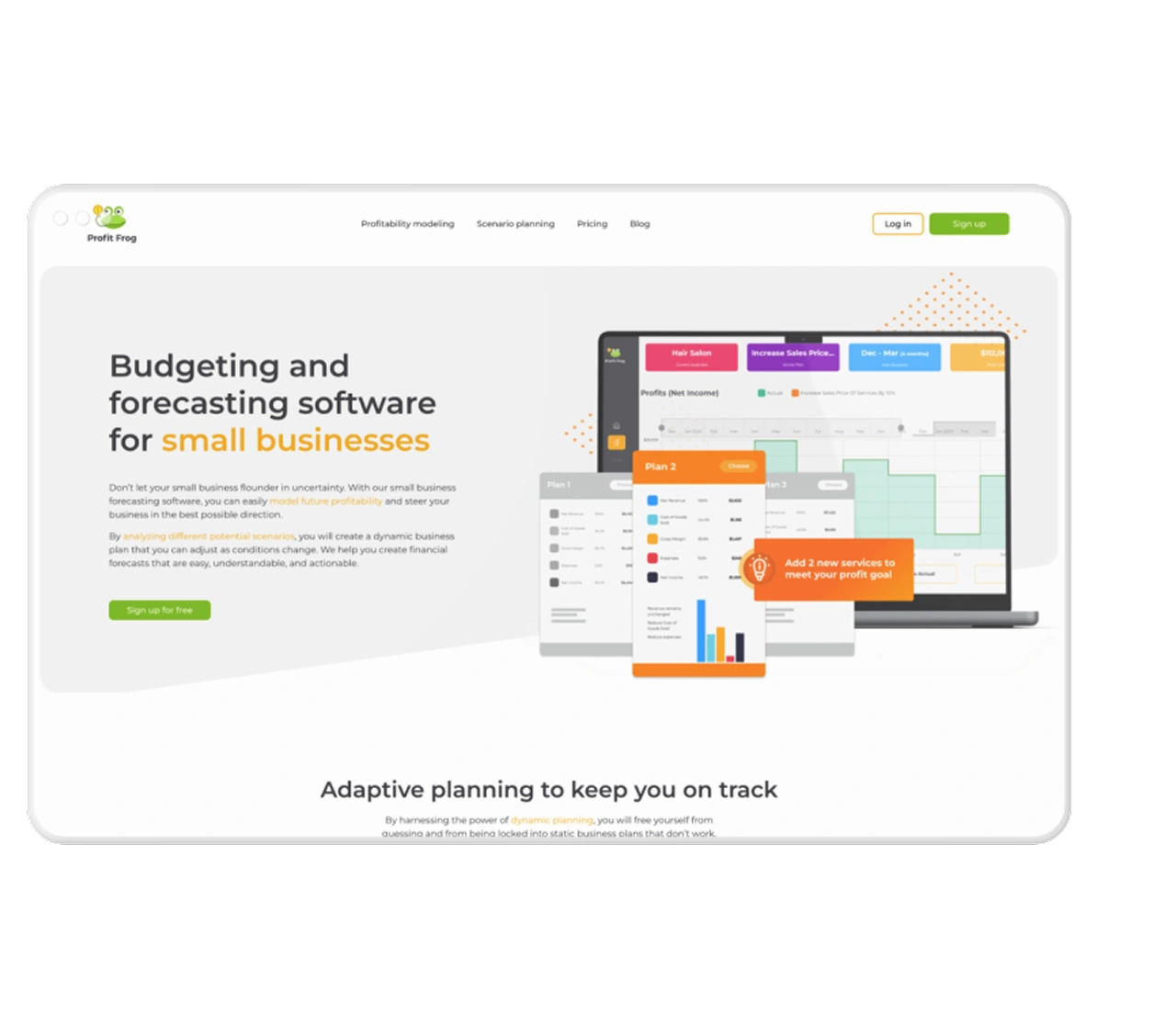
Profit Frog is a budgeting and profitability forecasting platform that empowers small business owners to model future performance, analyze scenarios, and make confident financial decisions.
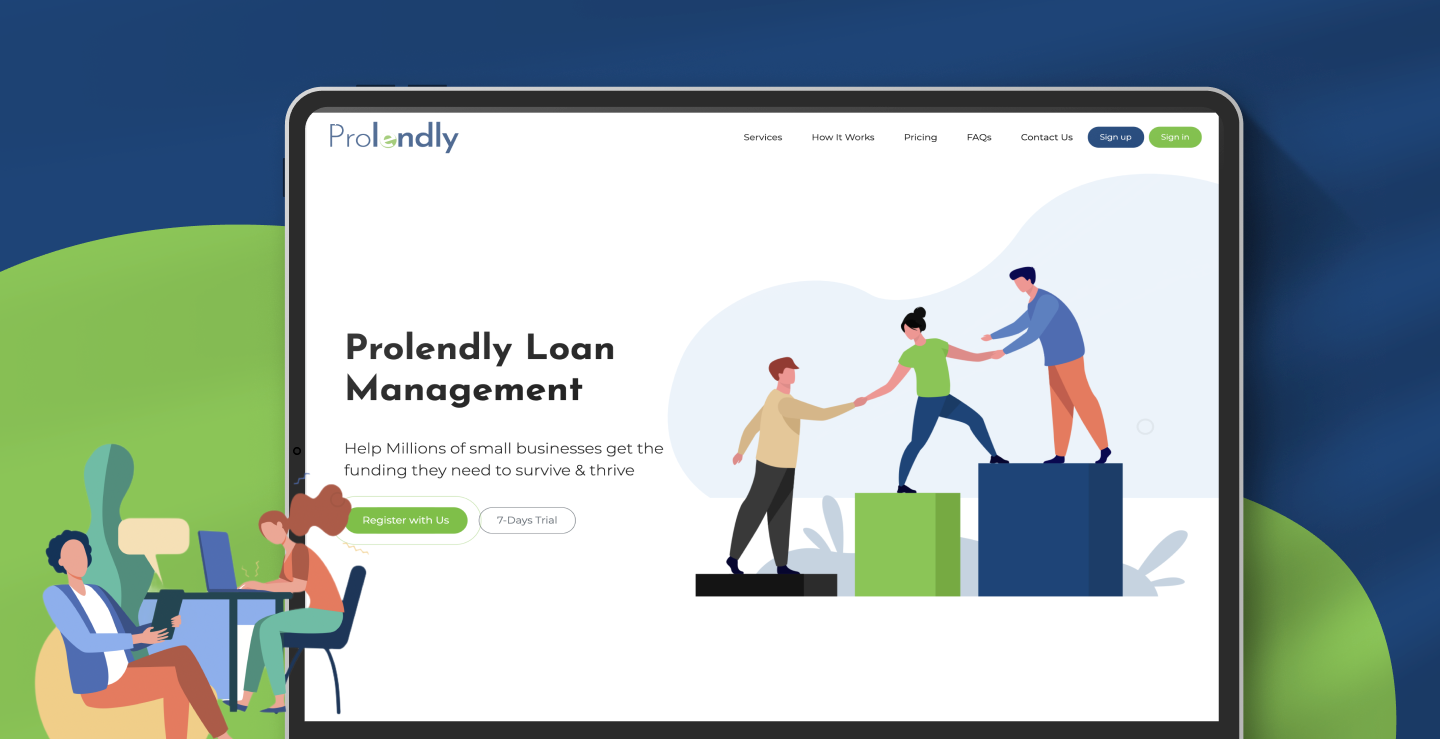
Prolendly is a FinTech SaaS platform that connects startups and small businesses with funding opportunities, lenders, and capital consulting resources.
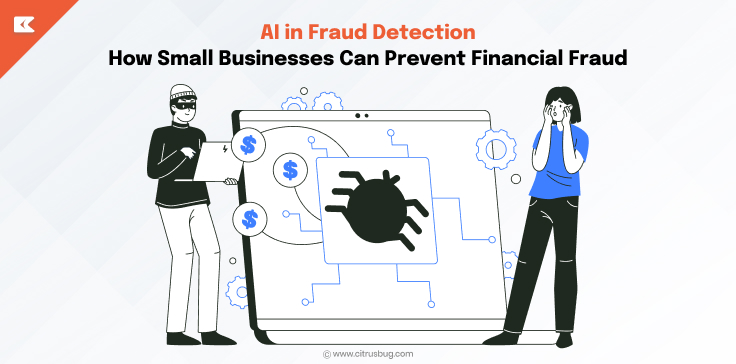
AI in Fraud Detection: How Small Businesses Can Prevent Financial Fraud
Financial fraud remains one of the most critical risks to small companies. As per the Association of Certified Fraud Examiners (ACFE), any small business loses 5% of its annual revenue…
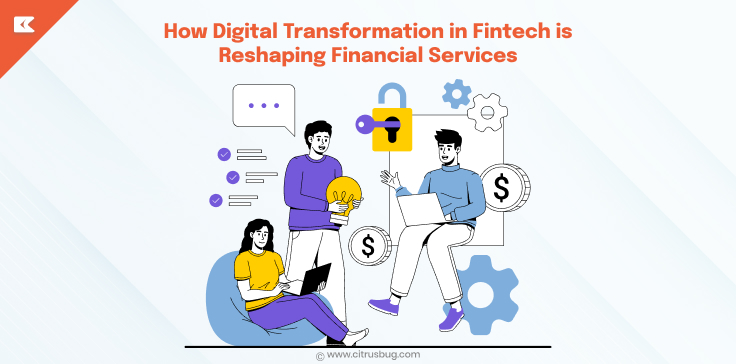
How Digital Transformation in Fintech is Reshaping Financial Services
Financial services are changing faster than ever. Tasks that used to take days or weeks before, like loan approval, payment or customer service, can be carried out within minutes with…
AI in FinTech: Key Roles, Opportunities, and Practical Use Cases
Artificial intelligence is one of the largest drivers for this change in the FinTech industry, which is experiencing great transformation. AI in FinTech supports digital banking transformation by making financial…
Frequently Asked Questions About AML Software Development
What is custom AML software development?
Custom AML software development is the process of building tailored anti-money laundering systems for financial institutions. Unlike off-the-shelf tools, custom AML software is designed around your specific transaction types, compliance requirements, risk models, and internal workflows. This means fewer false positives, smoother integration with your existing systems, and a compliance posture that fits your actual regulatory obligations.
How is custom AML software different from ready-made AML platforms?
Off-the-shelf AML platforms offer standardized rule sets and monitoring templates. Custom-built AML software lets you define your own risk parameters, build workflows that match your team's processes, integrate directly with your core banking or payment infrastructure, and train AI models on your specific transaction data. The result is higher detection accuracy and lower operational overhead.
Which regulations does your AML software support?
Our AML solutions are built to support FATF Recommendations, FinCEN BSA/AML, EU AMLD6, OFAC sanctions programs, UK Money Laundering Regulations, MAS Notice 626, and other jurisdiction-specific frameworks. We configure each system based on where your institution operates and which regulators you report to.
Can you integrate AML software with our existing banking systems?
Yes. We build AML software integration with API-based integrations across core banking platforms, CRM systems, payment gateways, KYC/KYB providers, and third-party RegTech tools. Our architecture supports both real-time and batch data exchange, depending on your infrastructure requirements.
Do you build AML software for crypto and Web3 platforms?
Yes. We develop AML solutions specifically for crypto exchanges and Web3 ecosystems, including wallet monitoring, blockchain transaction analytics, VASP compliance modules, and travel rule support.
How does AI reduce false positives in AML software?
Our AI models learn from historical alert dispositions to distinguish genuine risks from routine transactions. Over time, the system tunes its detection thresholds to suppress recurring false positives without weakening its ability to catch real suspicious activity. Most clients see a significant reduction in false positive volumes within the first few months.
How long does it take to build custom AML software?
A basic AML module with KYC automation and transaction monitoring takes 8 to 12 weeks. A mid-level platform with AI-powered risk scoring and real-time monitoring typically takes 3 to 5 months. Enterprise-grade systems with advanced anomaly detection, multi-jurisdiction compliance, and blockchain analytics can take 5 to 8 months depending on complexity.
How much does AML software development cost?
Costs range from $30,000 for a basic AML module to $300,000 or more for an enterprise-grade platform with advanced AI capabilities and multi-system integrations. The final cost depends on feature scope, data volume, regulatory complexity, and integration requirements. Contact us with your project details for a precise estimate.
Do you provide ongoing support and maintenance?
Yes. We offer post-launch support that includes system monitoring, AI model retraining, compliance updates as regulations change, performance optimization, and troubleshooting. Support plans are structured based on your operational needs.
What security measures do you follow during AML development?
We use AES-256 encryption at rest, TLS 1.3 for data in transit, role-based access controls, multi-factor authentication, regular penetration testing, and comprehensive audit logging. All engagements are covered under NDA, and we follow secure software development lifecycle (SSDLC) practices throughout the project.
Start Building Your Custom AML Platform
Whether you are a bank modernizing legacy systems, a FinTech entering regulated markets, or an enterprise strengthening fraud prevention, we can help assess, plan, and build your AML platform.































.svg)

.svg)


















.svg)