
















Let’s Talk
Healthcare Digital Transformation

Healthcare Legacy Software Modernization

Your legacy clinical platform carries years of institutional data, workflows physicians depend on, and compliance requirements that have only grown. The system itself is the problem. Outdated monolithic architecture, HL7 v2-only connectivity, and aging infrastructure block every initiative from FHIR readiness to AI integration. We modernize healthcare legacy systems with zero disruption to clinical operations, full HIPAA and HITECH compliance, and an architecture built to support what comes next.

Hero Image
500+
Projects Delivered
98%
Client Retention

Certified By

HIPAA HIPAA
SOC 2 SOC 2
ISO 27001 ISO 27001
HL7 FHIR HL7 FHIR

Trusted By Industry Leaders

Certifications and Accreditations

Six Paths to a Modernized Clinical System

Not every legacy system needs the same fix. We map the right approach to your architecture, risk tolerance, and timeline before a single line of code is touched.

Rehosting

Rehosting

Lift your existing workloads to AWS, Azure, or GCP without modifying the application. The fastest path to reducing infrastructure cost and improving uptime is when the codebase is stable and compliant.

Refactoring

Refactoring

Restructure internal code and architecture without changing external behavior. We clear technical debt, improve performance, and prepare the codebase for incremental feature delivery without breaking physician workflows.

Re-platforming

Re-platforming

Migrate your application to a modern runtime or managed cloud service with targeted optimizations. Common when moving from on-premise Oracle or SQL Server environments to PostgreSQL or cloud-native managed databases.

Re-architecting

Re-architecting

Decompose your monolithic clinical platform into domain-aligned microservices. We apply the strangler fig pattern to migrate module by module, keeping the live system operational throughout the transition.

Re-engineering

Re-engineering

Rebuild core application logic, data models, and APIs from the ground up, preserving the clinical and business rules your organization depends on while eliminating the constraints of the old stack.

Full Replacement

Full Replacement

Retire the legacy system entirely and replace it with a new HIPAA-compliant, FHIR R4-native platform. The right choice when the system's architecture prevents compliance, interoperability, or performance at scale.

Ready to Assess Your Legacy System?

Tell us what you're running. We'll map the modernization path that fits your compliance requirements and operational constraints.

Schedule a Technical Assessment

What Legacy Architecture Costs in a Clinical Environment

Interoperability Debt

  • HL7 v2-only interfaces cannot communicate with modern FHIR R4-based platforms, payer systems, or the CMS-mandated patient access APIs that are now required under the 21st Century Cures Act.

Compliance Exposure

  • Systems built before HIPAA Security Rule updates and the HITECH Act carry architectural gaps: no audit log completeness, no encryption at rest by default, no modern access control structures. These are not configuration issues. They require healthcare IT consulting services and structural remediation.

Blocked AI Adoption

  • Every AI initiative, from clinical decision support to ambient voice documentation, requires structured data pipelines and API-accessible clinical data. Legacy monoliths do not expose that. You cannot add an AI layer to a system that does not have the data architecture to support it.

What Gets Replaced and What Stays

Modernization does not mean rebuilding everything. The clinical rules, the patient data, the physician workflows your team depends on – those stay. What changes is the architecture holding it back.

We draw a clear line before the project begins: what is preserved, what is refactored, and what is retired. Your clinical staff does not experience a cutover. The system stays live throughout.

What gets replaced:

  • Monolithic application layers blocking modular deployment
  • HL7 v2 interface engines replaced with FHIR R4-compliant API gateways
  • Aging on-premise infrastructure migrated to cost-optimized cloud environments
  • Proprietary database schemas migrated to PostgreSQL, Aurora, or cloud-managed equivalents

What is preserved:

  • Clinical business logic and care pathway rules
  • Existing patient data, migrated with integrity verification and rollback controls
  • Physician-facing workflows, validated against the modernized system before go-live
  • Compliance documentation and audit history, fully portable to the new platform via healthcare API integration connectors

From Architecture Assessment to Live System

1

Legacy Architecture Assessment

We map your current system end-to-end: application layers, data models, interface dependencies, compliance gaps, and infrastructure constraints. Output is a documented modernization brief with path options and risk ratings before any commitment.

2

Modernization Roadmap and Design

Based on the assessment, we define the approach (rehost, refactor, re-architect, or replace), sequence the migration phases, and produce architecture documentation, including FHIR R4 API design, data migration schema, and cloud infrastructure layout.

3

Parallel Environment Build

We build the target environment in parallel with the live system. No cutover until the new environment passes functional testing, load testing, and compliance validation. Clinical workflows are tested against real-use scenarios before any user is moved.

4

Phased Migration with Zero Downtime

Migration happens module by module using the strangler fig pattern. Physicians and clinical staff stay on the live system throughout. Each phase is validated before the next begins, with rollback controls active at every stage.

5

Post-Launch Stabilization and Handover

After go-live, we provide structured L1/L2/L3 support through a defined stabilization period. Full source code ownership transfers to your team at delivery, along with documentation and runbooks for your internal IT team.

Choosing the Right Modernization Approach

The right path depends on your current architecture, compliance obligations, and how fast you need results. This table gives a working frame for the decision.

Approach Best For HIPAA Complexity Typical Timeline Risk Level
Rehosting Stable legacy apps on aging infrastructure Low 4 to 10 weeks Low
Refactoring Technical debt removal, performance issues Medium 8 to 20 weeks Medium
Re-platforming Database migration, cloud runtime moves Medium 10 to 24 weeks Medium
Re-architecting Monolith to microservices, FHIR readiness High 16 to 40 weeks Medium-High
Re-engineering Logic preservation, full-stack rebuild High 20 to 52 weeks High
Full Replacement Non-compliant, non-interoperable systems Very High 26 to 60 weeks High

What the Modernized System Delivers

When the modernization is complete, you are not just running the same platform on better infrastructure. The system is a different thing.

FHIR R4 Compliance

Your platform exposes HL7 FHIR R4-native APIs, satisfying CMS interoperability mandates, enabling payer connectivity, and unlocking patient data portability required under the 21st Century Cures Act. EHR software built on modern architecture connects cleanly to this layer.

AI-Ready Data Layer

Clinical data is structured, pipeline-accessible, and exposed through APIs that AI services can consume. Predictive risk models, ambient documentation systems, and clinical decision support tools connect without bespoke integration work.

Hardened Compliance Posture

Full audit log integrity, encryption at rest and in transit, role-based access controls, and compliance documentation aligned with HIPAA Security Rule, HITECH, and SOC 2 Type II requirements.

Reduced Infrastructure Cost

Moving from owned on-premise hardware to cost-optimized healthcare cloud management reduces infrastructure spend. Autoscaling eliminates over-provisioning. Managed cloud services reduce operational overhead.

How Much Does It Cost to Modernize a Legacy Healthcare System?

Modernization costs vary by scope and approach. A rehosting engagement typically starts around $25,000–$60,000. Full re-arModernization costs vary by scope and approach. A rehosting engagement typically starts around $25,000–$60,000. Full re-architecture or replacement of a clinical platform ranges from $80,000 to $200,000+. Fill out the form below to get an eact estimate.chitecture or replacement of a clinical platform ranges from $80,000 to $200,000+. Fill out the form below to get an eact estimate.


    Your data and info stays secure. Read our Privacy Policy.


    How We Engage

    Assessment-Led

    We start with a paid architecture and compliance assessment before any build commitment. You receive a documented modernization brief you own, whether you continue with us or not.

    Phased Delivery

    We break the modernization into funded phases with defined deliverables. Each phase ends with a working, testable increment. You review before approving the next phase.

    Full Ownership Transfer

    End-to-end delivery with a dedicated team embedded into your workflows. Fixed-Price, Time and Material, and Dedicated Team engagement models are available. We deliver the system and hand over full source code ownership at go-live.

    Built for the Complexity of Clinical Modernization

    Zero-Downtime Delivery

    Zero-Downtime Delivery

    We build and validate the target environment in parallel. Clinical staff stay on the live system throughout migration. No cutover until every workflow is tested and approved.

    HIPAA-HITECH Architecture

    HIPAA-HITECH Architecture

    Every layer of the modernized system is designed to meet HIPAA Security Rule and HITECH requirements, including audit log integrity, encryption at rest and in transit, and documented access control structures.

    Source Code Ownership

    Source Code Ownership

    Your team receives full source code, architecture documentation, and deployment runbooks at delivery. No vendor lock-in. No dependency on our team to keep the system running.

    Experienced Engineers

    Experienced Engineers

    You meet the engineers assigned to your project before signing. No offshore handoffs, no bait-and-switch resourcing. The team you evaluate is the team that delivers.

    FHIR R4 by Default

    FHIR R4 by Default

    Every modernization project we deliver is designed with HL7 FHIR R4 API compliance as a standard output, not an add-on. Your platform is ready for CMS interoperability requirements from day one.

    Secure ADLC Methodology

    Secure ADLC Methodology

    Our agentic delivery methodology embeds security controls and compliance checkpoints throughout the development lifecycle, reducing rework and ensuring the final system is audit-ready before launch.

    FAQs About Healthcare Legacy Software Modernization

    What does healthcare legacy software modernization include?

    It covers assessment of existing architecture, selection of a modernization approach (rehosting, refactoring, re-architecting, or replacement), phased migration, HIPAA and FHIR compliance remediation, and post-launch stabilization. Deliverables include architecture documentation, migrated data with integrity verification, and full source code handover.

    How long does a healthcare legacy modernization project take?

    Timelines range from 4 weeks for a basic rehosting to 12 months or more for a full re-architecture of a large clinical platform. We scope timelines during the paid assessment phase based on system size, integration dependencies, and compliance requirements.

    Can you modernize a legacy EHR without taking it offline?

    Yes. We use a parallel environment build and the strangler fig migration pattern to keep the live system operational throughout. Clinical staff do not experience a service disruption. Each module migrates independently with rollback controls active.

    What is the difference between refactoring and re-architecting?

    Refactoring improves internal code quality without changing the system's external behavior or structure. Re-architecting changes the structural design, typically breaking a monolith into microservices or migrating from a proprietary platform to a modern stack with FHIR R4-native APIs.

    How do you handle patient data during migration?

    All patient data migrations include schema mapping documentation, integrity verification at each transfer stage, encryption in transit, and rollback controls. No data is moved to the target environment until verification passes.

    What compliance standards does the modernized system meet?

    We build to HIPAA Security Rule, HITECH Act, and SOC 2 Type II requirements as standard. For systems processing medical device data or operating in the EU, we also address FDA 21 CFR Part 11 and GDPR requirements as applicable.

    Do you take over stalled modernization projects?

    Yes. We regularly take over projects that stalled mid-migration or were left incomplete by a previous vendor. We start with a codebase assessment before committing to a continuation scope.

    What is your engagement model?

    We offer Fixed-Price, Time and Material, and Dedicated Team models depending on project scope. All projects begin with a paid assessment phase. Full source code ownership transfers to your team at delivery.

    Our Case Studies

    View All Case Studies →
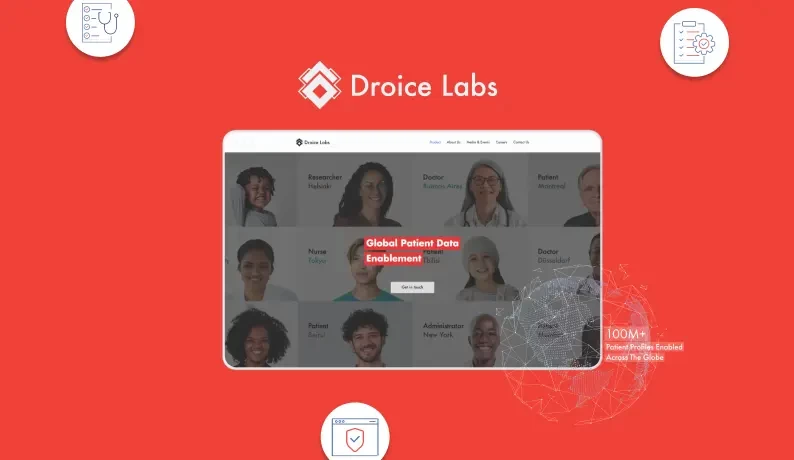
    Droice Labs A Clinical Trial Data Processing

    A Clinical Trial Data Processing

    Droice Labs turns unstructured patient data into clean, trial-ready datasets.
    Read More
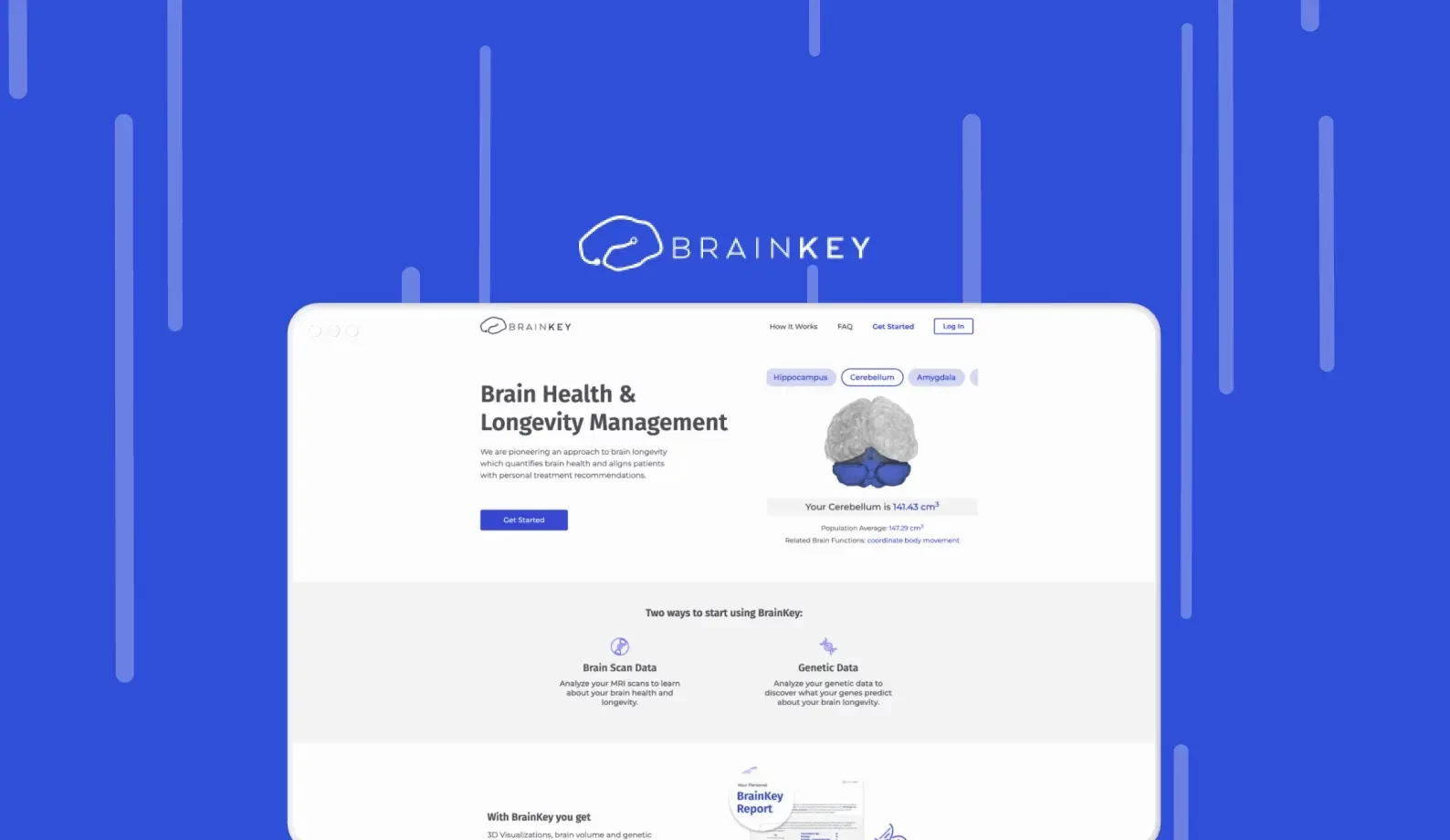
    Brainkey Brain Scan Insights

    Brain Scan Insights

    Built for providers and researchers, it supports early detection, predictive insights, and smarter treatment planning.

    Read More
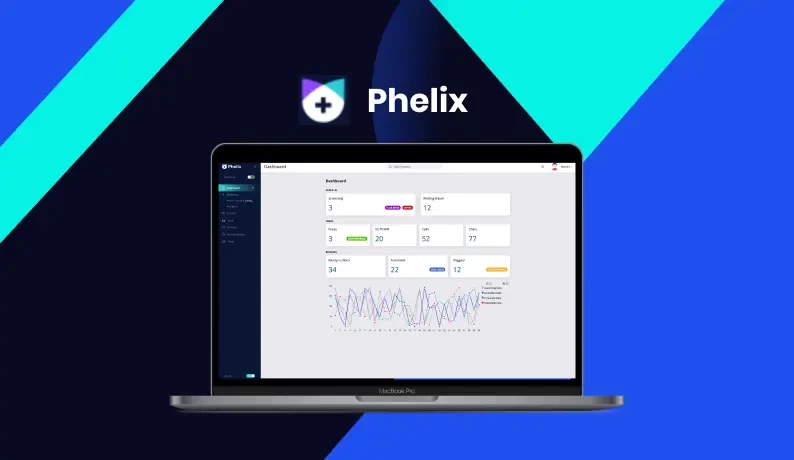
    Phelix End-to-end AI Healthcare Automation

    End-to-end AI Healthcare Automation

    Phelix is a no-code virtual assistant that automates patient communication, scheduling, and payments for healthcare workflows.

    Read More

    Your Legacy System Is an Active Risk

    Every quarter on the same architecture is another quarter of compliance exposure, blocked integrations, and AI capabilities your team cannot access. We fix that cleanly and hand the modernized system back to you.