Let’s Talk
HEALTHCARE AI ENGINEERING

Healthcare Virtual Assistants Built for Real Clinical Workflows

Patient volume grew. Front desks, call centers, and after-hours coverage didn't. Health systems that still route every question through a phone queue are losing patients to whichever provider answers first. We design and build AI-powered healthcare virtual assistants that handle patient intake, triage, and scheduling inside your existing compliance boundary, not around it.

Hero Image
500+
Projects Delivered
98%
Client Retention

Certifications

HIPAA HIPAA
SOC 2 Type II SOC 2 Type II
ISO 27001 ISO 27001

Trusted By Industry Leaders

Bosch
Deloitte
eClinicalWorks
Epic Systems
Flipkart
McKinsey
HSBC
Softbank
Allianz
Airbnb
United Health
Phelic
Sun Pharma
Target
US Foods
Advinow

Certifications and Accreditations

Where Healthcare Virtual Assistants Actually Get Used

Deployment context changes what the assistant needs to do and how strict the compliance boundary has to be.

Hospital Front Desk and Call Deflection
Telehealth Intake and Pre-Visit Triage
Chronic Care Check-Ins and Medication Reminders
Post-Discharge Follow-Up and Readmission Prevention

See How This Fits Your Existing Systems

Bring your EHR stack and current workflow. We'll map what a build looks like against it.

Talk to an Engineer

Why Most Healthcare Virtual Assistant Projects Stall


Most healthcare virtual assistant projects don't fail at the model. They fail at the boundary between the model and everything already running in the hospital. A conversational layer is the easy part. Getting it to read a real patient record through EHR integration without creating a new audit gap is where timelines slip and budgets double.

The second failure point is scope creep on clinical judgment. A team builds a symptom checker, then someone asks it to recommend a diagnosis, and suddenly the project needs AI triage models with defensible escalation logic instead of a chat widget. Neither problem shows up in a demo. Both show up six months into production.


Patient history lives across three or four systems that were never built to talk to each other, so the assistant either integrates properly or works with stale data.

Every conversation touching protected health information needs an audit trail, and that requirement doesn’t pause for a pilot.

An assistant tuned to escalate everything just moves the bottleneck from the phone queue to the nursing station.

A technically correct assistant that clinicians route around isn’t solving anything.

The Compliance Layer Behind a HIPAA-Ready Assistant

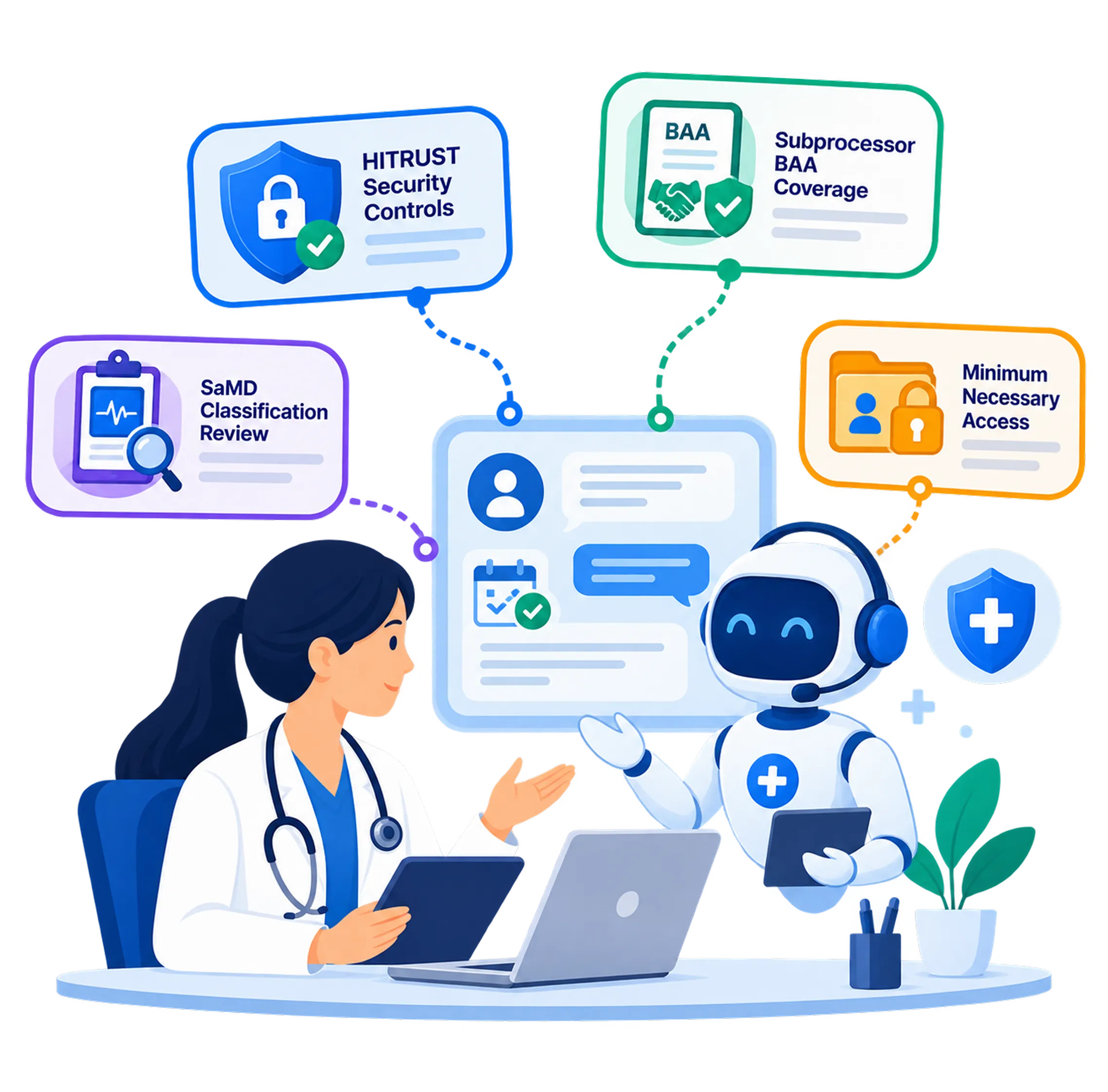
Compliance for an AI assistant isn't a checkbox on top of the build, it's a decision made inside the architecture. A HIPAA-ready application has to account for where PHI lives at every stage, including inside model logs and retrieval layers, not just the database.

HITRUST CSF-aligned security controls across the stack BAA coverage extended to every subprocessor, including the LLM provider SaMD classification review before any clinical recommendation logic ships Role-based access enforcing HIPAA's minimum necessary rule
See Compliance Details

What We Engineer Into Every Virtual Assistant

Every build starts from the same four capability layers, then gets tuned to the specialty and the systems it has to talk to.

Symptom Triage and Routing Logic

Structured conversation flows built on current clinical guidelines flag urgency and route patients to home care, a virtual visit, or the ER, with every decision logged for review.

Conversational Scheduling and Reminders

Natural language booking that checks provider calendars and insurance eligibility in the same exchange, then sends reminders timed to cut no-show rates.

EHR-Aware Conversation Engine

The assistant reads relevant patient context through FHIR-based access instead of asking patients to repeat their history at every touchpoint.

Human Escalation and Oversight

Anything outside a defined confidence threshold, emotional distress, or a red-flag symptom hands off to a live staff member automatically.

EHR and EMR Integration Built Into the Assistant

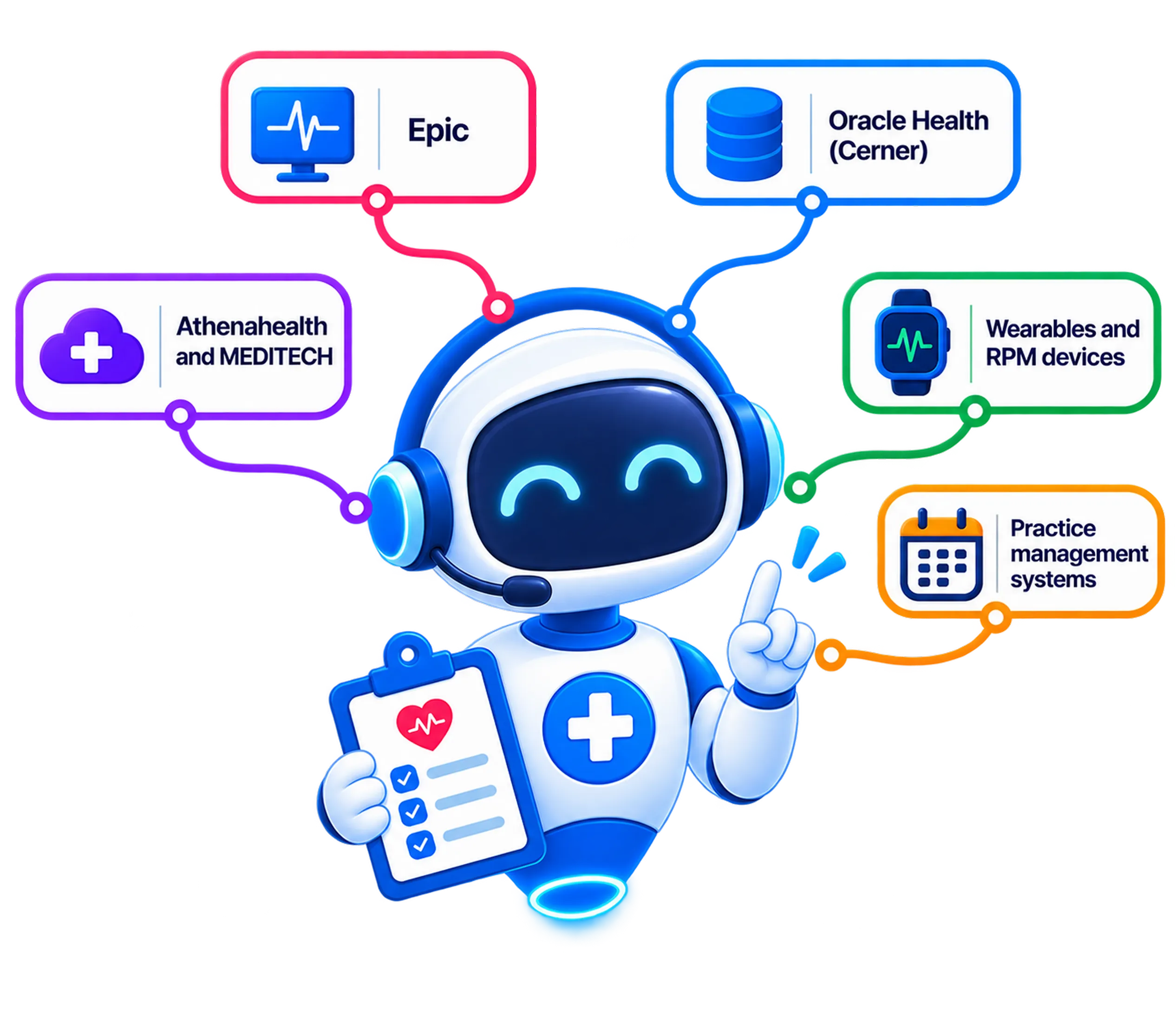
A virtual assistant that can’t read or write to the patient record creates more work for staff than it removes. Every build maps to your actual patient engagement platforms and EHR stack before a single conversation flow gets designed.

  • Check Icon

    Epic: Integration through FHIR R4 and Interconnect for scheduling, patient summaries, and messaging.

  • Check Icon

    Oracle Health (Cerner): HL7 v2.x feeds for real-time patient status and lab result delivery.

  • Check Icon

    Athenahealth and MEDITECH: API-level sync for appointment data and billing eligibility checks.

  • Check Icon

    Wearables and RPM devices: Ingesting vitals data for chronic care check-ins without a separate portal.

  • Check Icon

    Practice management systems: Two-way sync so scheduling changes made by the assistant reflect immediately for staff.

How We Build and Deploy the Assistant

01

Discovery and Compliance Scoping

We map clinical workflows, identify which conversations touch PHI, and determine early whether any capability triggers SaMD classification review.

02

Architecture and Conversation Design

We design the NLP conversation flows and pick the integration pattern for your EHR before any model gets fine-tuned or deployed.

03

Development and EHR Integration

We build the assistant against your actual systems using FHIR and HL7, not a sandbox that gets rebuilt at go-live.

04

Clinical Validation and Security Testing

We run the assistant against real clinical scenarios and penetration-test the PHI handling path before anyone outside the team touches it.

05

Deployment and Monitoring

We launch with audit logging active from day one and monitor escalation accuracy through the first weeks of real patient traffic.

How Much Does It Cost to Develop a Healthcare Virtual Assistant?

Most builds fall between $15,000 for a single-department pilot and $90,000 or more for a full EHR-integrated deployment. Tell us your scope and we'll give you a real number.


    Your data and info stays secure. Read our Privacy Policy.


    Technologies and Platforms We Use

    LangChain
    Haystack
    OpenAI GPT-4
    Anthropic Claude
    OpenAI GPT-4
    Google Dialogflow
    Rasa
    Vapi.ai
    Azure Prompt flow
    DALL-E
    DALL-E
    Stable Diffusion
    Stable Diffusion
    TensorFlow
    Hugging Face Transformers
    Amazon Glu
    Amazon Glu
    Pandas
    Pandas
    Numpy
    Numpy
    Redshift
    Redshift
    opencv
    OpenCV
    Tesseract OCR
    Tesseract OCR

    Why This Approach Holds Up at Scale

    Escalation thresholds keep the assistant from answering questions it has no business answering.

    Audit logs create a defensible record the moment OCR or a compliance officer asks for one.

    A modular NLP layer lets you swap underlying models without rebuilding every EHR integration.

    Pilot-first rollout surfaces edge cases in one department before the whole system depends on it.

    Ready to Build a Compliant Assistant?

    Get a technical walkthrough of what integrating with your EHR would actually take.

    Start the Conversation

    Why Health Systems Choose Citrusbug

    We're not a staffing agency renting out human virtual assistants, and we're not selling a licensed product you'd have to adapt to. We build the assistant your team owns.

    Source Code Ownership

    Full source code and model configuration handoff at delivery, under NDA by default, so nothing you paid for stays locked to us.

    EHR Integration Depth

    Real interoperability with Epic, Oracle Health, and athenahealth, engineered by developers who've worked inside those systems before, not a chat widget bolted onto a website.

    Secure ADLC Build

    Our development methodology embeds security review into every sprint instead of running it as a final gate before launch.

    Post-Launch SLA Support

    L1, L2, and L3 support options mean a production issue at 2 am has a defined response path, not a ticket queue.

    Client Testimonials (We're Rated 4.7 on Clutch)

    Case Studies From Our Engineering Team

    View All Case Studies →
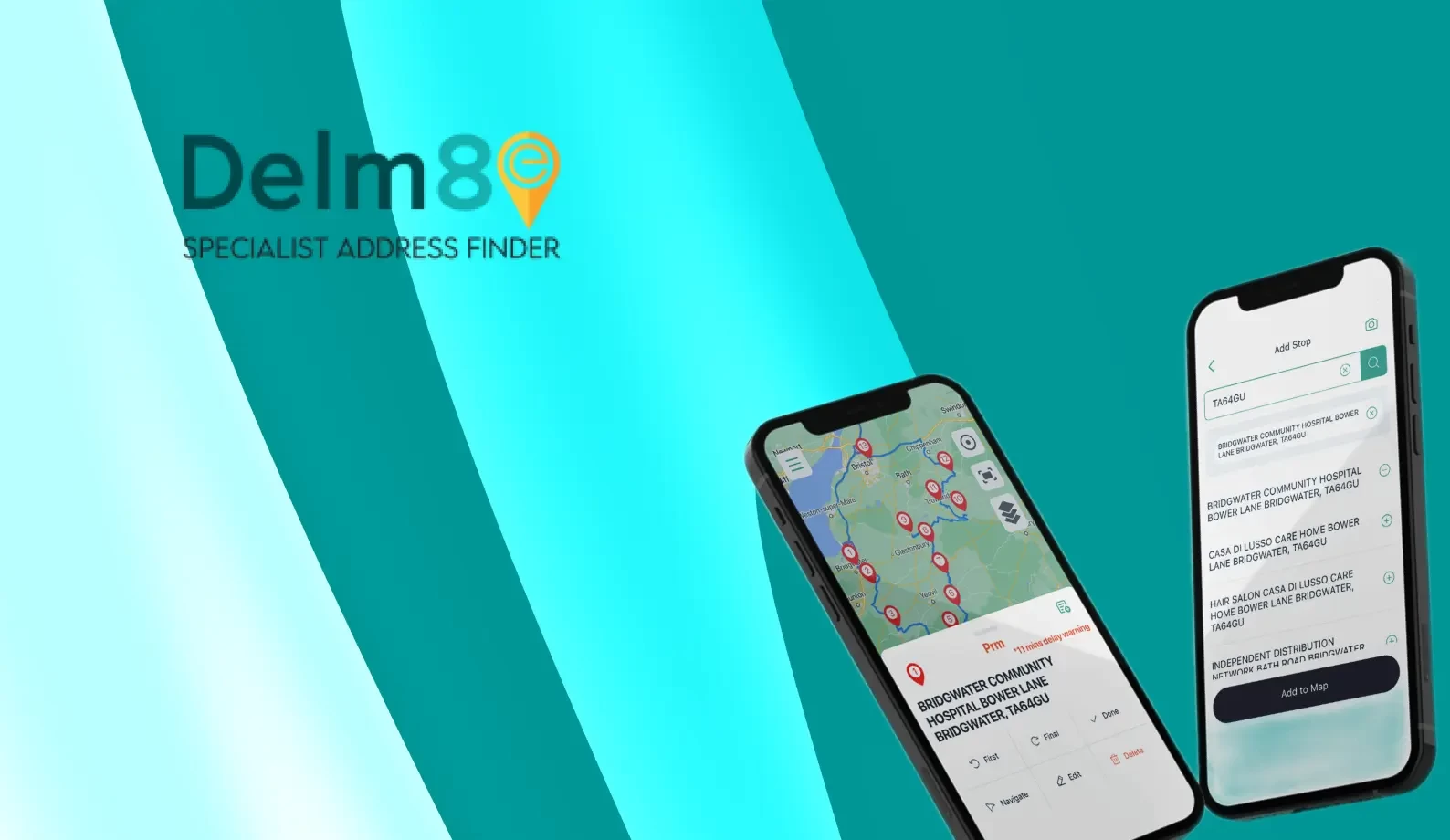
    Logistics Delm8

    Delm8

    The Delm8 Route Planner App aids drivers in efficiently pinpointing properties throughout the UK, giving precedence to actual addresses over postcodes.

    Explore More
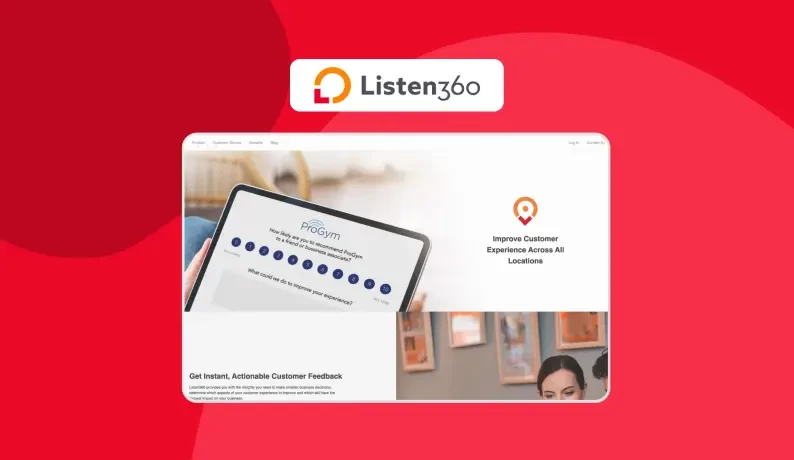
    CRM Listen360

    Listen360

    Listen360’s Customer Engagement Software is a comprehensive solution designed to enhance customer interactions, optimize engagement efforts, and boost overall customer satisfaction.

    Explore More
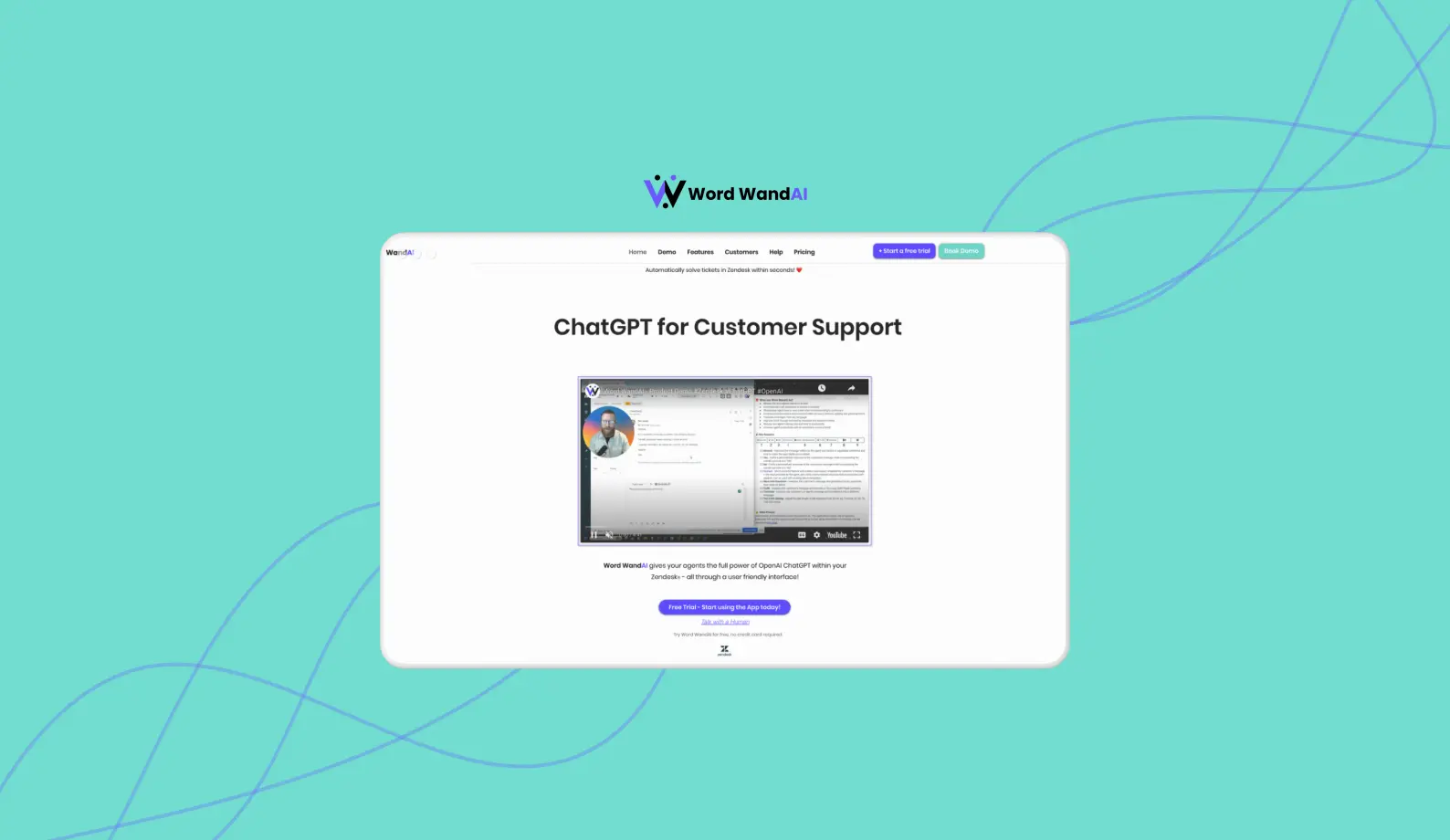
    AI/ML WordWand AI

    WordWand AI

    Platform elevate Zendesk customer support with ChatGPT. It is one of the top-rated AI solutions available on the Zendesk Marketplace.

    Explore More

    Healthcare Virtual Assistant FAQs

    How long does it take to build and deploy a healthcare virtual assistant?

    A single-department pilot typically runs 6 to 8 weeks. A full build with EHR integration and clinical validation runs 3 to 5 months, depending on scope.

    Do we own the source code and the underlying models after launch?

    Yes. Full source code and model configuration are handed over at delivery under an NDA, with no licensing dependency on Citrusbug afterward.

    Can the assistant integrate with Epic, Oracle Health, or our existing EHR?

    Yes. Integration runs through FHIR R4 and HL7 v2.x, covering Epic, Oracle Health, athenahealth, and MEDITECH depending on your stack.

    Who signs the HIPAA Business Associate Agreement, and does it cover the AI models you use?

    Citrusbug signs the BAA directly with your organization, and it extends to every subprocessor in the pipeline, including the underlying LLM provider.

    What happens if the assistant can't handle a patient request?

    It escalates to a live staff member automatically once confidence drops below a defined threshold or a red-flag symptom is detected.

    Does the assistant require FDA clearance as a medical device?

    Only if it makes clinical recommendations rather than routing or scheduling. We review this during discovery, before any classification-triggering feature gets built.

    How do you prevent patient data from leaking into AI model training?

    We architect around retrieval rather than fine-tuning on PHI wherever possible, and enforce log retention limits so patient data doesn't persist in training pipelines.

    What's included after launch, and is ongoing support separate?

    Launch includes monitoring and a stabilization window. Ongoing L1/L2/L3 support is a separate, optional engagement based on your internal team's capacity.

    Ready to Build Yours?

    Let's scope what a healthcare virtual assistant would take to build against your systems.