Bevel
Bevel is a health intelligence platform that unifies wearable and lifestyle data to generate personalized metabolic and wellness insights.
Healthcare CTOs used to build against a stable compliance target. That target is moving. ONC's HTI-5 proposal resets certification around FHIR-based APIs, and new federal patient access API rules land January 2027. Citrusbug builds patient portals for where interoperability is heading, not just where it stands today.
Certified Patient Portal Software Development Providers By
Patients view diagnoses, lab results, discharge summaries, and medication history in one authenticated view, with data pulled directly from your EHR rather than a duplicated copy that drifts out of sync.
Self-service booking, rescheduling, and automated reminders reduce no-show rates without adding front-desk workload. Waitlist logic and provider availability sync in real time against your scheduling system.
Encrypted messaging, video visits, and asynchronous care coordination live inside the same portal patients already use for records and billing, instead of redirecting them to a separate app.
Patients see bills, explanations of benefits, and payment history, and can pay online through a PCI DSS-aligned gateway without calling billing staff for a balance check.
Get a build plan mapped to your EHR, compliance scope, and rollout timeline.
Get My Build Plan
Bidirectional FHIR connections to Epic, Oracle Health, and Allscripts, plus HL7 v2 bridges for legacy ADT feeds where a full FHIR migration isn’t realistic yet.
OAuth 2.1 and SMART App Launch 2.0 handle authentication and consent scoping, so patient, caregiver, and staff roles get exactly the data access each role needs.
Messaging, telehealth, and reminders sit on top of the same data layer, so a message thread and a lab result reference the same patient record, not two disconnected systems.
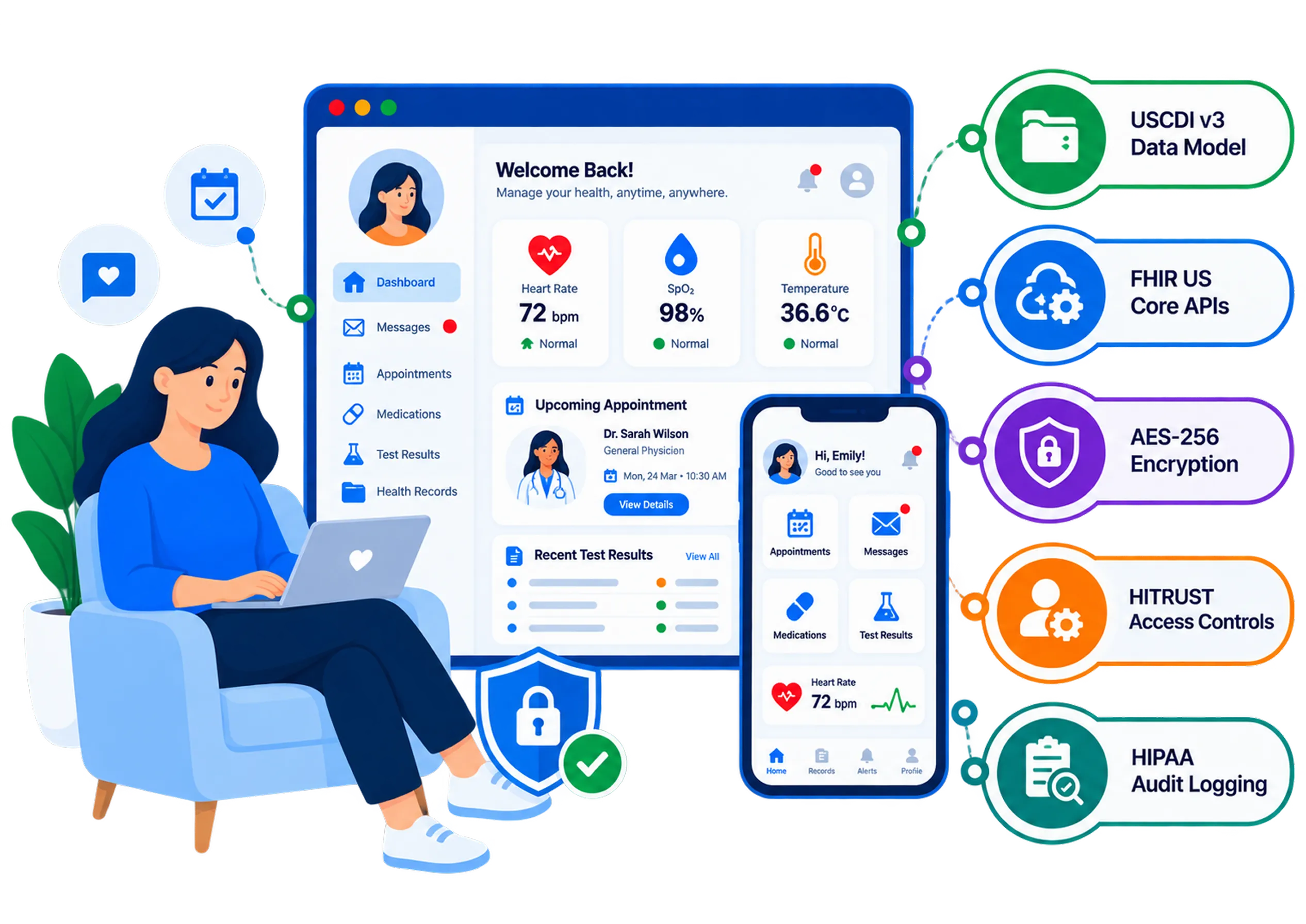
We treat compliance as architecture, not a review gate at the end of the sprint. Every portal is built against USCDI v3 as the certified data baseline, with encryption, access logging, and consent controls designed in from the first schema decision rather than patched in before launch.
USCDI v3-aligned clinical data model
HL7 FHIR US Core STU 6.1.0 conformant APIs
AES-256 encryption at rest and in transit
HITRUST CSF-mapped access controls
Audit logging built for HIPAA and 21st Century Cures Act review
• Epic, Oracle Health, Allscripts
• FHIR and HL7 v2 bridges
• Real-time record sync
• LIS and RIS result delivery
• DICOM-linked imaging access
• Automated result notifications
• NCPDP SCRIPT refill requests
• Medication reconciliation view
• Pharmacy network routing
• Claims and EOB visibility
• Online payment processing
• Practice management sync
• Consumer device data ingestion
• Home monitoring integration
• Care team alert routing
• Visit and outreach history
• Support ticket context
• Personalized communication triggers
Bevel is a health intelligence platform that unifies wearable and lifestyle data to generate personalized metabolic and wellness insights.
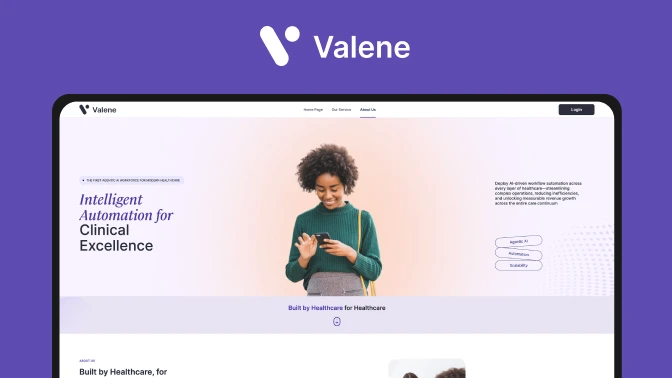
Valene Health is a pioneering telepsychiatry platform that leverages AI to enhance mental healthcare delivery.
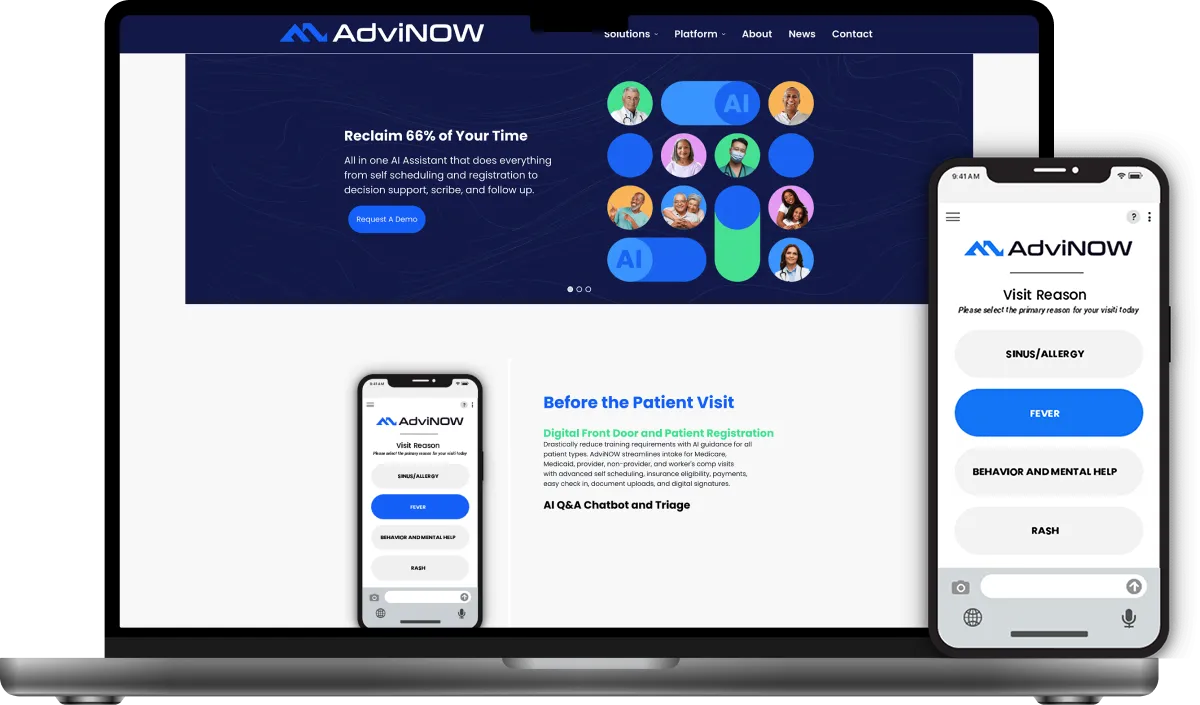
Advinow is an AI-driven healthcare platform that automates patient engagement and consultation processes, helping healthcare providers deliver efficient, on-demand services while improving operations for urgent care.
Most patient portal projects are scoped, built, and shipped as compliance-and-integration problems, and that’s exactly why 20-40% adoption in the first six months is normal, not an outlier. The real failure point isn’t the FHIR connection or the encryption layer. It’s a front-desk workflow that never changed, a patient onboarding flow that assumes tech comfort nobody tested for, and a launch with no plan for the staff who have to explain the portal at check-in. We validate workflow fit with actual clinical staff and patient groups before launch, not after adoption numbers come in low.
• Staff Workflow Testing
• Patient Onboarding Validation
• Check-In Enablement Plan
• Post-Launch Adoption Tracking
We map your existing patient engagement tools, EHR landscape, and the specific workflows that break down today, phone-based scheduling, paper intake, and disconnected messaging, so the build targets actual friction points rather than a generic feature checklist pulled from a competitor's homepage.
We define the FHIR US Core and SMART App Launch integration approach against your specific EHR vendor, document the USCDI v3 data scope, and produce a HIPAA and 21st Century Cures Act compliance roadmap before a single screen gets designed.
Portal modules, EHR connections, and telehealth capabilities get built in sprints with clinical stakeholder reviews at each milestone, so integration gaps surface during development instead of during a go-live weekend.
Front-desk staff and a representative patient group test the actual onboarding, check-in, and messaging flows before general rollout, catching the usability gaps that compliance testing alone never finds.
We deploy with security monitoring and uptime observability in place, then track real adoption data against the baseline set in discovery, feeding fixes back into the roadmap instead of leaving the portal static after go-live.
A vendor-tethered portal like Epic MyChart or Oracle Health's patient portal is often the fastest path to launch, and it's the right call for a single-EHR practice with standard workflows. It stops being the right call the moment you need multi-EHR integration, a branded experience, or a feature roadmap your EHR vendor doesn't prioritize.
| Factor | Custom Build | Vendor-Tethered Portal |
|---|---|---|
|
Branding and UX control |
Full control |
Limited to vendor templates |
|
Multi-EHR integration |
Native, built to spec |
Rarely supported |
|
Feature roadmap |
Set by your priorities |
Set by vendor release cycle |
|
Data and code ownership |
You own it |
Vendor-licensed access |
|
Time to launch |
Longer, scoped to need |
Fastest for single-EHR setups |
Costs typically run from $10,000 for a single-EHR MVP portal to $40,000+ for a multi-facility, fully integrated platform.<br><br>Share your scope and we'll size it against your actual EHR and integration count.
We test staff check-in flows and patient onboarding with real users before general rollout, catching the adoption gaps a compliance audit alone won't surface, and won't find after launch either.
You see who's building your portal before you sign. No bench-swap mid-project, no anonymous offshore team you never get to vet or speak with directly.
Requirements, workflow mapping, and integration scope get documented and agreed before development starts, so the build matches what your clinical teams actually do, not what a template assumes.
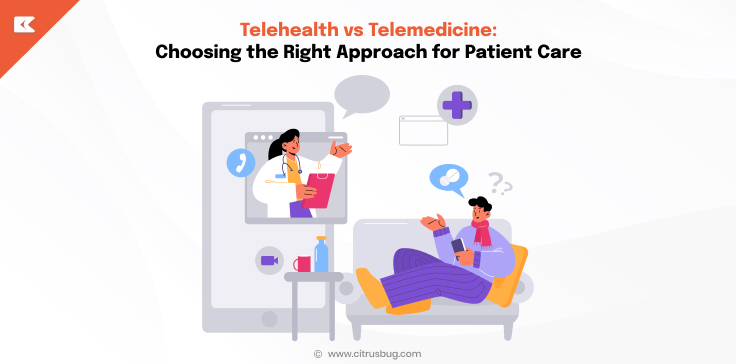
Healthcare delivery has shifted beyond hospital walls, with providers increasingly using digital platforms to consult, monitor, and engage with patients remotely. This shift has made terms like telehealth and telemedicine…
Read Article →
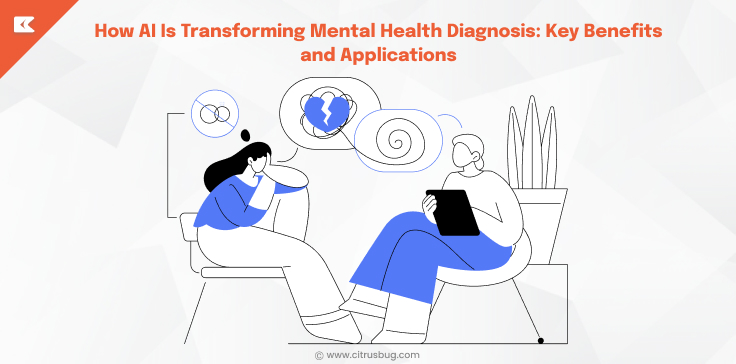
Mental health disorders are among the leading causes of disability worldwide, still diagnosis is often slow, inconsistent, and limited by a shortage of professionals. People wait weeks to be assessed…
Read Article →
Managing patient data in healthcare is becoming more complex by the day. Hospitals, clinics, and insurance companies deal with large volumes of sensitive information, and their safety is always a…
Read Article →A single-EHR MVP portal takes 10-14 weeks. A fully integrated, multi-system platform with telehealth and billing typically runs 4-7 months, and multi-facility builds run 8-12 months.
Yes. We connect through FHIR US Core APIs and HL7 v2 bridges where needed, so the portal sits on top of your existing EHR rather than requiring a system replacement.
You own the source code, data, and infrastructure outright at delivery. There's no vendor lock-in or licensing dependency on Citrusbug after handover.
We build against FHIR US Core STU 6.1.0 and SMART App Launch 2.0 now, which is where the certification program is consolidating, so your portal isn't built against criteria already being phased out.
We run staff workflow testing and patient onboarding validation before general rollout, targeting the actual reasons portals sit unused, not just the technical build.
Yes. We architect multi-tenant portals with facility-level data segregation and role-based access, so a health system can deploy one platform across multiple sites without merging patient data incorrectly.
Yes. We audit the existing codebase and integration state first, then scope a realistic path to completion rather than assuming a full rebuild is required.