Explore our Healthcare Technology Offerings Citrusbug Healthcare → Citrusbug Healthcare →
Let’s Talk
FLEET & LOGISTICS TECHNOLOGY

Fleet Management Software Development Company for Modern Fleets

Most fleet software still lives in three disconnected tools, one for GPS, one for maintenance, one for compliance. As a fleet management software development company, we build platforms that unify tracking, predictive maintenance, dispatch, and ELD compliance into one system your team owns outright, not a vendor's roadmap you rent.

Hero Image
500+
Projects Delivered
98%
Client Retention

Certified

ISO 27001 ISO 27001
SOC 2 SOC 2
ISO 9001 ISO 9001

Trusted By Industry Leaders

Bosch
Deloitte
eClinicalWorks
Epic Systems
Flipkart
McKinsey
HSBC
Softbank
Allianz
Airbnb
United Health
Phelic
Sun Pharma
Target
US Foods
Advinow

Certifications and Accreditations

Fleet Management Software Development Services We Offer

We build custom fleet management software around the way your fleet operates, combining tracking, maintenance, dispatch, compliance, and driver workflows into one system instead of forcing your team to work across disconnected tools.

Real-Time GPS and Telematics Tracking

Live vehicle location, geofencing, and idle-time alerts pulled from GPS and factory-embedded telematics, so dispatchers see where every asset is without calling a driver to ask.

Fleet Maintenance Software Development

Repair history, service scheduling, and parts inventory tied to each vehicle, replacing spreadsheets and sticky notes with a system that flags overdue maintenance before it becomes a breakdown.

Route Optimization and Dispatch Automation

Route planning that factors in traffic, delivery windows, and vehicle capacity, with automated job assignment that cuts the manual back-and-forth between dispatcher and driver.

ELD and Regulatory Compliance Automation

Hours-of-service logging, violation alerts, and audit-ready reporting built to current ELD and eDVIR requirements, so compliance stops being a monthly scramble.

Ready to Scope Your Fleet Platform?

Tell us what's running today and what's breaking, and we'll map out what a rebuild or extension actually looks like.

Discuss My Fleet Platform

Why Disconnected Fleet Systems Create Operational Gaps

A GPS platform tracks vehicle location. A fuel card system records spending. An ELD platform manages driver logs. When those systems don’t share data, fleet teams end up moving information between tools just to get a complete picture of what happened across the fleet.

That creates problems beyond manual reporting. Maintenance issues can sit unnoticed when alerts aren’t connected to dispatch workflows. Fuel and mileage data may live in separate systems, making cost-per-mile harder to calculate accurately. Dispatchers, fleet managers, and finance teams are all working from different pieces of the same operational data.

Custom fleet management software brings these workflows together, connecting vehicle data, driver activity, maintenance, fuel, routing, and reporting in one system built around how your fleet actually operates.


Fleet Management Software for Specialized Fleets

Fleet operations vary significantly by vehicle type, asset, workflow, and regulatory needs. We build fleet management software around those differences, from specimen transport and vehicle compounds to last-mile delivery and heavy equipment.

Fleet Management for Laboratories and Diagnostics

  • Sample courier and diagnostic transport fleets need chain-of-custody logging alongside GPS. We pair temperature and transit-time alerts for specimen integrity with the same dispatch and compliance tools used across larger commercial fleets.

Compound Management Software for Car Logistics

  • Impound lots, rental yards, and vehicle compounds need to know where each vehicle is, what condition it’s in, and whether it’s ready for release. We connect yard location, vehicle status, condition records, and movement history with warehouse management software where inventory workflows extend beyond the fleet.

Last-Mile Delivery Fleet Software

  • High-stop-count delivery operations depend on accurate ETAs, efficient routing, driver updates, and proof of delivery. We connect those workflows with logistics software development capabilities when fleet operations need to connect with broader order and delivery workflows.

Construction and Heavy Equipment Fleets

  • Non-powered assets, generators, trailers, and site equipment need location and utilization tracking even without an engine to report telematics data from.

Fleet Tracking App Development Built Into One Layer

Most fleets already run three- or four-point systems before they call us: a GPS provider, a fuel card platform, maybe a legacy TMS. Rather than asking you to rip everything out at once, our fleet tracking app development services connect what you already have through one integration layer, pulling IoT-connected sensor data into a single operational view.

  • ERP and TMS Data Synchronization
  • Fuel Card API Connections Built In
  • OBD-II and J1939 Hardware Ingestion
  • Dispatcher and Driver Mobile Sync
  • EV Charging Network API Support
Architecture Diagram

Core Capabilities of Custom Fleet Management Software Development

GPS and Fleet Tracking App Development Services

Live location, geofence breach alerts, and route history stored per vehicle, feeding the same operational dashboard dispatchers use to monitor assignments and fleet activity.

Digital eDVIR and HOS Compliance

Photo-verified and geotagged vehicle inspection reports paired with automated hours-of-service tracking and violation alerts, giving teams a digital record of vehicle condition and driver compliance.

Fuel Fraud and Consumption Monitoring

Fuel card transactions matched against mileage, vehicle activity, and location data to identify unusual fill-ups, unauthorized usage, and consumption patterns that can push operating costs higher.

Driver Behavior and Safety Scoring

Harsh braking, speeding, rapid acceleration, and idle-time patterns tracked per driver, giving fleet managers consistent data they can use to identify risky driving patterns and support targeted coaching.

Cost-Per-Mile Fleet Analytics

Fuel, maintenance, depreciation, and downtime rolled into a per-vehicle cost-per-mile figure, built on the same fleet data pipelines and analytics engineering that power larger logistics platforms.

EV Battery Health and Charging Data

Battery state-of-health monitoring and charging session tracking for mixed diesel-electric fleets, built alongside network and access security controls so charging data stays as protected as vehicle telematics.

Taking Over Stalled or Fragmented Fleet Platforms

Not every fleet software project starts from zero. Some begin with a half-finished build, undocumented integrations, outdated architecture, or a platform that's become difficult to maintain. We first map what is actually running, what data it depends on, and where the operational risks sit before changing the system.

We approach these projects as modernization engagements, using a legacy application modernization approach rather than treating them like fresh builds. That matters when dispatchers, drivers, vehicle data, and compliance workflows already depend on the platform being changed.
Data and Historical Records Migration

Move repair history, driver records, route data, and other operational records with validation at each migration stage.

Driver and Dispatcher Retraining

Give the teams using the platform hands-on training around real dispatch and driver workflows, scheduled around operational shifts.

Parallel-Run Validation Before Cutover

Run critical workflows across the existing and replacement systems to compare data, calculations, and operational results before switching over.

Post-Cutover Support Window

Provide focused support after launch to resolve unexpected integration issues, workflow gaps, and edge cases as teams begin using the new system.

Client Testimonials (We're Rated 4.7 on Clutch)

Our Fleet Management Software Development Process

01

Fleet Workflow Discovery

Mapping how dispatchers assign jobs, how maintenance gets scheduled, and where data already lives before we design anything.

02

Architecture and Integration Mapping

Defining how GPS, fuel cards, ERP, and telematics hardware will connect, so integration isn't an afterthought bolted on at the end.

03

Build and Telematics Integration

Development against real vehicle data feeds from day one, not mock data that hides integration problems until launch.

04

Compliance and QA Simulation

Testing eDVIR, HOS, and geofencing logic against realistic driving and inspection scenarios before drivers ever see the app.

05

Rollout and Driver Onboarding

Phased rollout with driver training built in, since a fleet platform only works if drivers actually use it correctly.

How Our Predictive Maintenance Models Learn Fleet Behavior

Telematics and Diagnostic Data Ingestion

Bring together vehicle diagnostics, GPS, fuel, mileage, engine data, and available telematics signals from compatible vehicle systems, creating a consistent data stream for maintenance models.

1

Component-Level Failure Modeling

Train models against historical repairs, sensor patterns, vehicle behavior, and operating conditions to identify components showing signs of elevated failure risk, rather than treating every vehicle in the fleet the same way.

2

Automated Work Order Generation

When a model identifies a maintenance condition that requires attention, the system can create or recommend a work order with the affected vehicle, component, priority, and supporting diagnostic information.

3

Continuous Learning From Repair Outcomes

Completed inspections and repairs feed new operational data back into the system, helping models adapt to your fleet's vehicle mix, maintenance history, and real-world operating conditions over time.

4

How Most Fleet Engagements Actually Start

Point Solution Add-On

Point Solution Add-On

For fleets with a working core system that need one gap filled.

  • Scoped to a single module (tracking, maintenance, or compliance)
  • Built to integrate with your existing GPS or TMS
  • Shortest path to a working feature
  • Lower upfront commitment
Full Platform Build

Full Platform Build

For fleets ready to replace a patchwork of tools with one system.

  • Complete discovery of current workflows and data
  • Custom architecture built around your fleet type
  • Full integration layer from day one
  • Long-term platform ownership
Legacy System Takeover and Modernization

Legacy System Takeover and Modernization

For fleets inheriting a stalled or undocumented build.

  • Code and architecture audit before any new work
  • Data migration with compliance-audit continuity
  • Parallel-run validation before cutover
  • Documentation your team didn't have before

Protecting Telematics and Dispatch Data From Attack

Fleet platforms connect vehicle data, ELD systems, GPS devices, driver apps, dispatcher tools, and cloud infrastructure. Security needs to cover those connections as well as the people and systems accessing the data, with controls built into the platform rather than added after deployment.

  • Role-based access controls across dispatcher, driver, and admin accounts
  • Encrypted telematics data in transit and at rest
  • Multi-factor authentication for fleet management and administrative accounts
  • Network segmentation between vehicle systems and corporate IT
  • Audit logging for account activity, data access, and system changes

Related Projects

View All Case Studies →
DevOps Innovative Logistics Platform Streamlining Vehicle and Delivery Management

Innovative Logistics Platform Streamlining Vehicle and Delivery Management

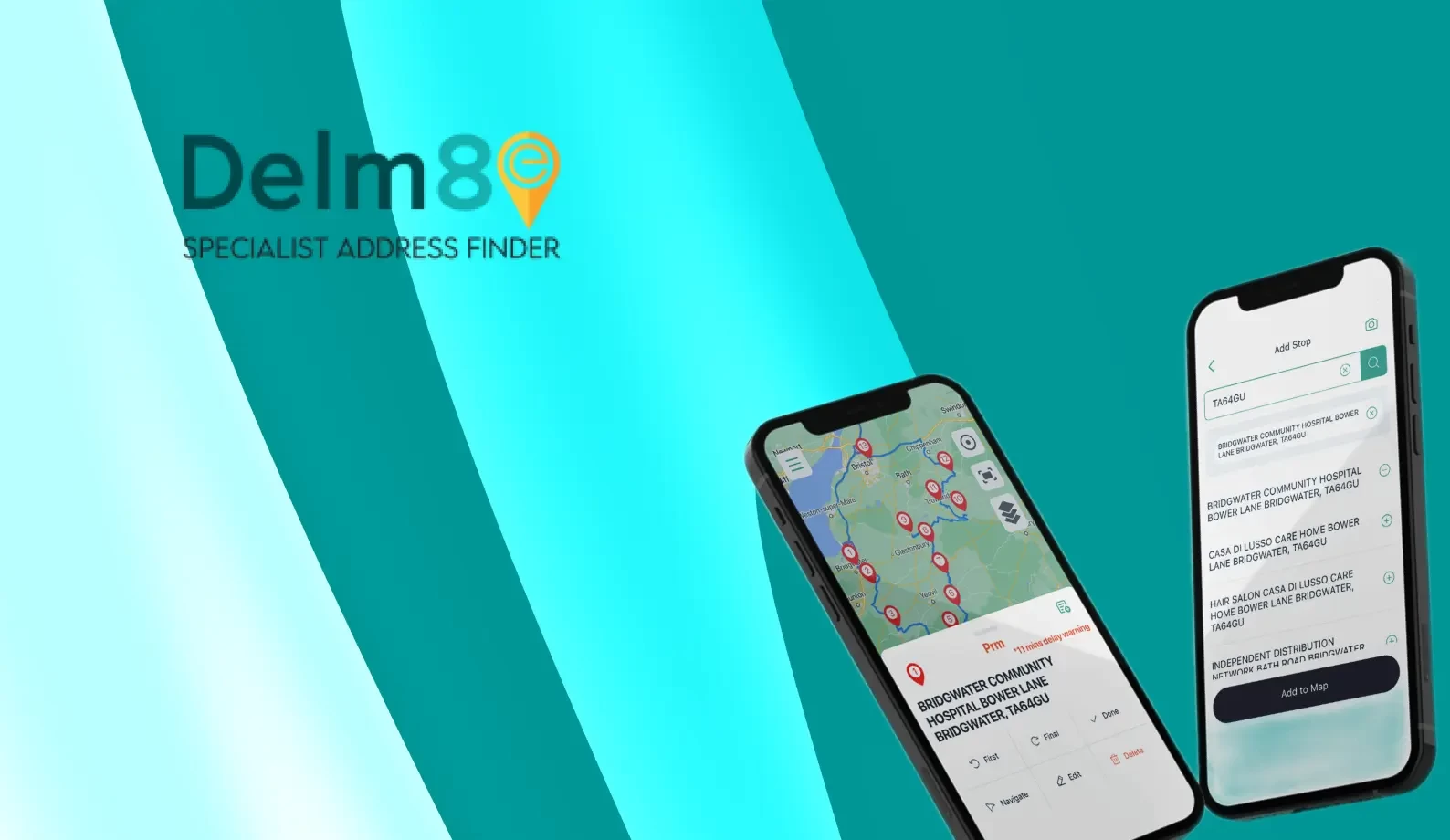
An advanced logistics and fleet delivery management platform.

View Case Study →
LOGISTICS CargoFax

CargoFax

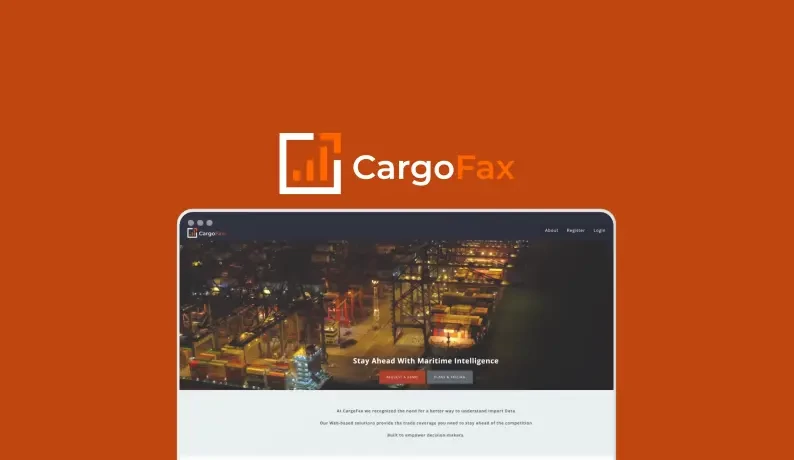
A data-driven import insights platform designed to help businesses make smarter import decisions.

View Case Study →

How Much Does It Cost to Develop Fleet Management Software?

Most fleet management software projects range from $30,000–$80,000 for a focused MVP or a few core modules to $150,000–$400,000+ for a full-scale platform with telematics integrations, predictive maintenance, ELD compliance, advanced analytics, and EV fleet support.

Share your fleet requirements and we'll estimate the scope, integrations, and development cost for your platform.


    Your data and info stays secure. Read our Privacy Policy.


    Why Choose Citrusbug as Your Fleet Management Software Development Company?

    Discovery Before Build

    Discovery Before Build

    We map your dispatch workflows, data sources, and compliance gaps before writing a line of code, so the architecture fits how your fleet actually runs, not a generic template.

    Stalled Project Takeover

    Stalled Project Takeover

    We regularly pick up fleet builds a previous vendor left unfinished, auditing what exists before adding anything new so nothing gets rebuilt twice.

    Telematics-Agnostic Integration

    Telematics-Agnostic Integration

    We build to connect with whatever GPS, ELD, or telematics hardware you already have installed, instead of locking you into a single hardware partner.

    Compliance Documentation Built In

    Compliance Documentation Built In

    eDVIR, HOS, and audit trail documentation get generated as a byproduct of normal system use, not assembled manually before an inspection.

    Cost-Per-Mile Reporting Built In

    Cost-Per-Mile Reporting Built In

    Fleet analytics ship with real cost-per-mile and utilization reporting from day one, not as a paid add-on module bolted on later.

    Post-Launch SLA Support

    Post-Launch SLA Support

    L1, L2, and L3 support options with defined response paths for production issues affecting dispatch, telematics, integrations, and other critical fleet workflows.

    Where Fleet Software Investment Is Headed

    View All Articles →
    Fleet Management Software Market Growth 2026: Trends, Size, and Future
    Fleet Management Software Market Growth 2026: Trends, Size, and Future Custom Software Development

    Fleet Management Software Market Growth 2026: Trends, Size, and Future

    The fleet management software market is growing at a fast pace because of increasing global demand for optimized logistics and supply chain operations. Companies across the globe are implementing these…

    Read Article →
    7 Steps to Develop a Mobile App for On-Demand Delivery and Last-Mile Logistics
    7 Steps to Develop a Mobile App for On-Demand Delivery and Last-Mile Logistics Application Development

    7 Steps to Develop a Mobile App for On-Demand Delivery and Last-Mile Logistics

    Convenient and smooth delivery of goods is something every client expects. This change in customer behaviour has fueled on-demand delivery and last-mile logistics operations. Organizations should leverage technology and explicitly…

    Read Article →
    How AI is Transforming Logistics: Key Benefits for Businesses
    How AI is Transforming Logistics: Key Benefits for Businesses Artificial Intelligence

    How AI is Transforming Logistics: Key Benefits for Businesses

    It’s no secret that artificial intelligence (AI) has been integrated into our culture in the modern day. AI has shown its incredibly creative ability to help us maximise efficiency in…

    Read Article →

    FAQs About Fleet Management Software Development

    How long does it take to build custom fleet management software?

    A focused MVP typically takes 10 to 16 weeks. A full platform with predictive maintenance and multi-system integration usually runs 5 to 9 months depending on integration count.

    Can you integrate with our existing ELD, GPS, and telematics hardware?

    Yes. We build to connect with your current hardware and data feeds first, and only recommend new hardware when your existing setup genuinely can't support what you need.
    Does the platform meet FMCSA eDVIR and HOS compliance requirements?

    Yes. Digital inspection reports and hours-of-service tracking are built to the current eDVIR baseline, with audit-ready logs generated automatically rather than assembled by hand.
    What happens to our current fleet software during migration?

    We run the old and new systems in parallel until the data matches, so dispatch never loses visibility mid-migration. Cutover happens once validation is complete, not on a fixed calendar date.

    Do we own the source code and data after the project ends?

    Yes. Full source code and data ownership transfers at delivery, with no licensing dependency on Citrusbug to keep running your own platform.

    Can you take over a stalled fleet build from another vendor?

    Yes. We audit the existing code and architecture before touching anything, so you know what's salvageable before we commit to a scope or timeline.

    How does predictive maintenance actually reduce downtime?

    It forecasts specific component failures weeks in advance using telematics and repair history data, then auto-generates a scoped work order instead of a generic alert a technician has to investigate.

    Can the platform support EV fleets alongside diesel vehicles?

    Yes. Battery health monitoring and charging session data run in the same dashboard as diesel maintenance and fuel tracking, so mixed fleets don't need two separate systems.

    Ready to Build a Fleet Platform Around Your Operations?

    Tell us what you're managing today, what needs to change, and which systems need to connect. We'll help scope the right fleet platform, integrations, and next steps.