





















Explore our Healthcare Technology Offerings Citrusbug Healthcare → Citrusbug Healthcare →
Let’s Talk

Insurance Fraud Detection Software Development Built to Prove Itself

Rule engines catch what fraudsters already got past last year. Insurers and MGAs need fraud detection that reads claims, documents, and behavior together, explains every flag it raises, and holds up under NAIC and EU AI Act scrutiny. We build that system, not a black box you have to defend in an audit.

Insurance Fraud Detection Software Development Built to Prove Itself
500+
Projects Delivered
98%
Client Retention

Certified In

 PCI DSS PCI DSS
GDPR GDPR
SOC 2 SOC 2
ISO 27001 ISO 27001

Trusted Software Development Company By

Bosch
Deloitte
eClinicalWorks
Epic Systems
Flipkart
McKinsey
HSBC
Softbank
Allianz
Airbnb
United Health
Phelic
Sun Pharma
Target
US Foods
Advinow

Certifications and Accreditations

Custom Insurance Fraud Detection Software Development Services We Build

Every carrier's fraud exposure looks different depending on lines of business, claim volume, and how much investigation work already happens manually. These are the core systems we build into most engagements.

AI Fraud Scoring Engine

Every claim gets scored the moment it’s filed, using models trained on your own claims history rather than a generic industry template. Adjusters see a risk score and the specific factors behind it, not just a red flag.

Automated Claims Validation

Document mismatches, inconsistent policy data, and duplicate submissions get flagged before an adjuster opens the file. The system cross-checks claim details against policy terms and prior submissions automatically, catching what manual review misses in volume.

NLP Document & Image Fraud Analysis

Manipulated invoices, altered medical records, and staged accident photos rarely survive a close read. NLP models parse claim text for inconsistencies while computer vision checks submitted images for editing artifacts and reused media.

Investigation Case Management

High-risk claims route into a shared workspace where investigators track evidence, log findings, and close cases without spreadsheets. Every action gets timestamped, which matters the first time a regulator or plaintiff’s attorney asks for the record.

Not Sure Where Your Detection Gaps Are?

A short technical review can tell you whether the gap is data, rules, or model coverage before you commit budget.

Book a Model Review

Where Policy Fraud Detection Software Actually Needs to Look

Most fraud detection systems get bolted onto the claims desk, because that's where the losses show up first. But the fraud usually starts earlier, in a policy application with an inflated asset value or a beneficiary who doesn't exist.

A system built only to score claims misses misrepresented risk at underwriting and manipulates policy data that sits quietly until a claim triggers it. Coverage across the full policy lifecycle catches more before payout, not after.
Identity Fraud at Onboarding

Synthetic identities and stolen credentials used to open policies or file claims under someone else’s name.

Underwriting Misrepresentation

Inflated asset values, undisclosed risk factors, or falsified income and residency documents submitted to qualify for coverage.

Policy Data Manipulation

Unauthorized changes to beneficiaries, coverage limits, or policy terms made after issuance.

Claims Fraud

Staged accidents, exaggerated damage, duplicate submissions, and fabricated documentation filed against a valid or invented loss.

Sourcing and Vendor Fraud

Inflated repair estimates, kickback arrangements, and fee churning between adjusters and preferred service providers.

Architecture Built for NAIC and EU AI Act Scrutiny

Insurance AI is no longer judged only on accuracy. The NAIC's Model Bulletin, now adopted in more than twenty states, and the EU AI Act's high-risk classification for insurance decisioning both require insurers to document how a model reached its conclusion, not just what it decided. We build that explainability into the model architecture from day one. Not a compliance afterthought.

  • Explainable scoring for every flag
  • Audit trail from claim to decision
  • Bias testing built into training
  • Human-in-the-loop review checkpoints
  • Documentation ready for regulator review

Inside an Insurance Claims Fraud Detection Software Build

Beyond the scoring engine, the systems below are what separate a system that catches obvious fraud from one that catches coordinated, evolving fraud.

Graph-Based Fraud Ring Detection

  • Individual claims can look clean while the network behind them tells a different story. Graph analysis maps relationships between claimants, providers, and repair shops to surface coordinated rings that claim-by-claim review misses entirely.

Claim Timeline and Evidence Reconstruction

  • Every claim rebuilds into a chronological timeline of filed documents, adjuster notes, and system events, so investigators see the full sequence instead of piecing it together across separate tabs and email threads.

Model Drift Monitoring and Retraining

  • Fraud patterns shift as fast as fraudsters adapt to what gets caught. We build in drift detection that flags when model accuracy slips and schedules retraining before false negatives start climbing.

Third-Party Data Enrichment

  • Claims get checked against external sources like DMV records, credit bureaus, and telematics feeds where access is available, adding context a policy file alone can’t provide.

Investigator Workload Prioritization

  • Not every flagged claim deserves the same urgency. Cases get ranked by risk score and dollar exposure so investigators work the highest-stakes files first instead of a flat, undifferentiated queue.

Configurable Rule Layer

  • Machine learning catches novel patterns, but known fraud schemes still need hard rules. Your team can add, adjust, or retire rules directly without waiting on a development cycle.

How We Build Your Fraud Detection System

01

Assess

We map your claims workflow, existing fraud losses, and available data sources to size the model and flag compliance requirements early, before scope gets locked.

02

Architect

We design the scoring model, explainability layer, and case management workflow before writing production code, so the audit trail is built in, not added later.

03

Build and Validate

We train models against your historical claims, backtest accuracy against known fraud cases, and tune thresholds to your team's false-positive tolerance.

04

Deploy and Tune

We roll the system into your claims process, monitor live performance, and retrain as fraud patterns, and your data changes over time.

Insurance Fraud Investigation Software That Fits What You Already Run

A fraud detection system that lives outside your claims process just adds another screen to check. We integrate directly into the policy administration, claims management, and CRM systems already in place, so flagged claims and risk scores show up where your team already works instead of a separate dashboard nobody opens.

Policy Administration Systems

Bidirectional sync with policy data, endorsements, and coverage changes.

Claims Management Platforms

Risk scores and flags appear directly inside the adjuster’s existing claim view.

CRM and Agency Management

Customer and agent history feeds into identity and relationship checks.

Third-Party Verification APIs

Connect to identity verification, AML screening, and data enrichment providers where your compliance program requires it.

Client Testimonials (We're Rated 4.7 on Clutch)

Three Ways to Add Fraud Detection to Your Stack

Bolt-On Detection Layer

For carriers with a working claims system that just needs fraud scoring added.

  • Rule engine plus ML scoring on existing claims data
  • Minimal integration footprint
  • 6-10 week typical build
  • $15,000 – $30,000

Standalone Fraud Platform

For MGAs and carriers building fraud detection as their own system with a dedicated investigation workflow.

  • Full scoring engine plus case management
  • NLP and computer vision modules included
  • 3-5 month typical build
  • $30,000 – $60,000

Full Claims Ecosystem Rebuild

For carriers modernizing claims and fraud detection together as one program.

  • Claims management, fraud detection, and policy integration
  • Model governance and explainability built in
  • 7+ months typical build
  • $60,000 – $100,000+

How Much Does It Cost to Develop Insurance Fraud Detection Software?

Most builds run $15,000 to $100,000 depending on scope, data sources, and how much of the investigation workflow you need automated. Share your requirements and we'll size your specific build.


    Your data and info stays secure. Read our Privacy Policy.


    Why Insurers Choose Citrusbug for Fraud Detection Builds

    Discovery Before Code

    We map your claims workflow, fraud losses, and compliance requirements into documented requirements and wireframes before any development starts, so scope surprises don’t show up mid-build.

    Stalled Project Recovery

    Inherited a fraud detection build that stalled with a previous vendor? We audit the existing codebase and data pipeline, then take over from wherever it stopped.

    Cost-Optimized Cloud Builds

    Your fraud model runs on cloud infrastructure sized to your claim volume, not a fixed-cost server that stays underused most months. You pay for the compute you use.

    Explainability By Design

    Every score your system produces comes with the factors behind it, built into the model architecture from the start instead of bolted on ahead of an audit.

    Insurance Data Fluency

    Our engineers work with ACORD data formats, policy administration exports, and claims system schemas often enough that integration doesn’t start with a discovery scramble.

    Senior Engineers Only

    You work directly with senior engineers who’ve built fraud and risk systems before, not a rotating bench learning insurance data on your project’s clock.

    Latest Blogs

    Read Our Blogs
    AI in Insurance Fraud Detection: Key Benefits, Use Cases, and Industry Examples
    AI in Insurance Fraud Detection: Key Benefits, Use Cases, and Industry Examples Artificial Intelligence

    AI in Insurance Fraud Detection: Key Benefits, Use Cases, and Industry Examples

    Insurance fraud is a growing challenge. The FBI estimates that insurance fraud costs more than $40 billion annually in the United States alone. False claims impact premiums, resource strain and…

    Read Article →
    AI in Fraud Detection: How Small Businesses Can Prevent Financial Fraud
    AI in Fraud Detection: How Small Businesses Can Prevent Financial Fraud Artificial Intelligence

    AI in Fraud Detection: How Small Businesses Can Prevent Financial Fraud

    Financial fraud remains one of the most critical risks to small companies. As per the Association of Certified Fraud Examiners (ACFE), any small business loses 5% of its annual revenue…

    Read Article →
    InsurTech Statistics: Growth, Adoption, and Market Shifts in 2026
    InsurTech Statistics: Growth, Adoption, and Market Shifts in 2026 Custom Software Development

    InsurTech Statistics: Growth, Adoption, and Market Shifts in 2026

    Introduction Technology is changing how insurance is priced, sold, and serviced. Tasks that once took days now take minutes because of automation, AI tools, and digital platforms. The customers desire…

    Read Article →

    Explore Our Case Study

    View All Case Studies →
    Fintech Otter Finance

    Otter Finance

    Otter Finance is a European fintech platform that enables users to access liquidity against their assets without selling them, providing streamlined financial tools and dashboards for asset management and investment activities.

    Explore →
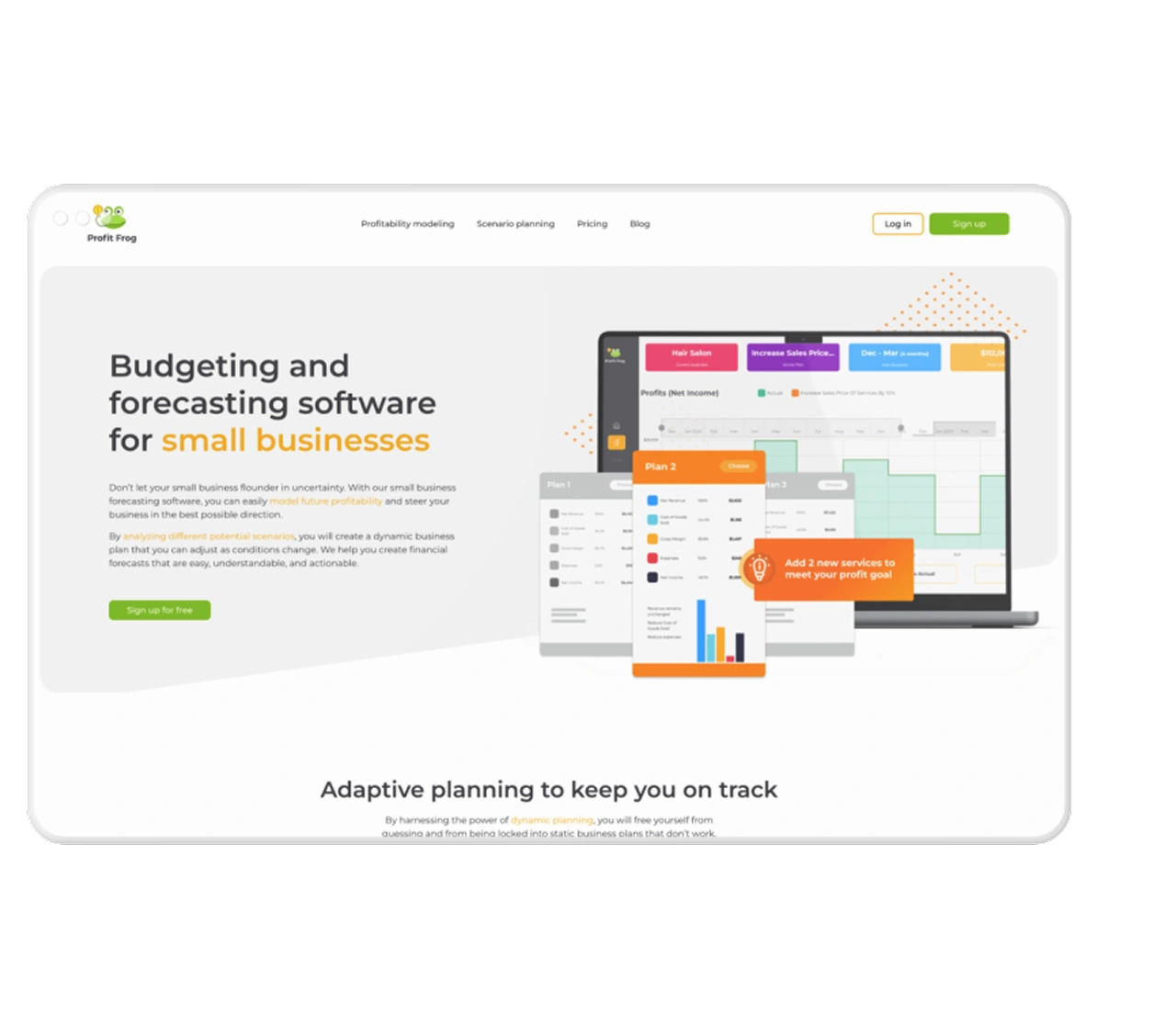
    Fintech ProfitFrog

    ProfitFrog

    Profit Frog is a budgeting and profitability forecasting platform that empowers small business owners to model future performance, analyze scenarios, and make confident financial decisions.

    Explore →
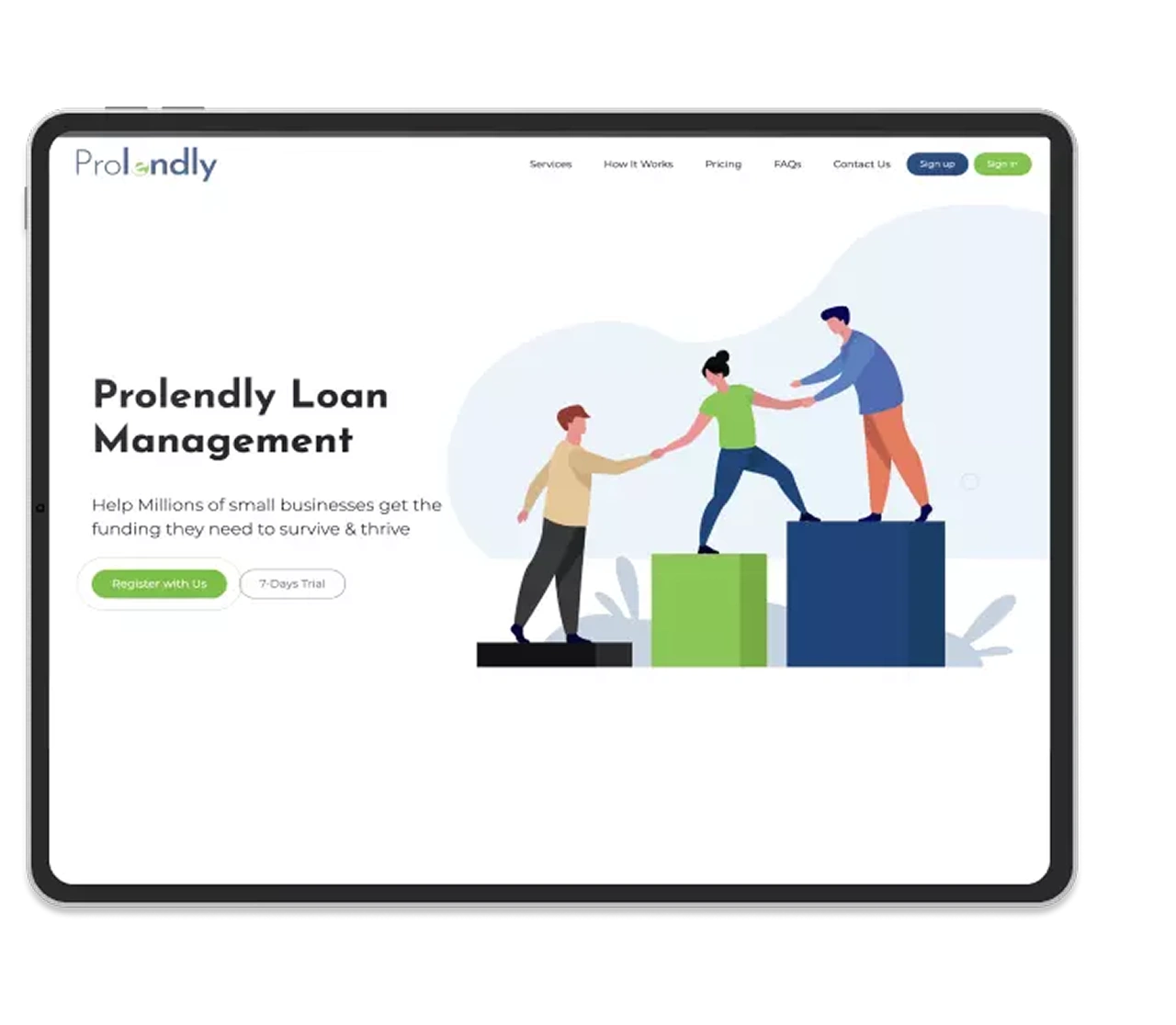
    Fintech Prolendly

    Prolendly

    Prolendly is a FinTech SaaS platform that connects startups and small businesses with funding opportunities, lenders, and capital consulting resources.

    Explore →

    FAQs on Insurance Fraud Detection Software Development

    Can insurance fraud detection software integrate with our existing policy and claims systems?

    Yes. We integrate with policy administration, claims management, CRM, and third-party verification APIs directly, so flags appear inside tools your team already uses.

    How long does a custom insurance fraud detection software build take?

    A bolt-on scoring layer runs 6-10 weeks. A full standalone platform with case management and NLP typically takes 4-6 months.

    Does the system explain why a claim was flagged, or just assign a score?

    It explains the flag. Every score ships with the specific factors behind it, built to satisfy NAIC and EU AI Act documentation requirements, not just a number.

    How do you handle false positives that frustrate legitimate claimants?

    We tune detection thresholds to your team's tolerance during validation and backtest against your historical claims before launch, so the model reflects your actual risk profile.

    What's the difference between rule-based and AI claims fraud detection software, and do we need both?

    Rules catch known schemes fast. AI catches novel and coordinated patterns that rules miss. Most builds run both together, since neither alone covers the full range of fraud.

    Can you take over a fraud detection build another vendor left unfinished?

    Yes. We audit the existing codebase, data pipeline, and model performance, then continue from wherever the previous team stopped rather than restarting from scratch.

    Do you build fraud detection as a standalone system or inside our existing claims platform?

    Either. Scope depends on whether you need a bolt-on scoring layer, a standalone fraud platform with investigation tools, or a full claims ecosystem rebuild.

    What compliance standards does the system get built to?

    We build to PCI DSS, GDPR, and SOC 2 by default, with explainability and audit-trail architecture aligned to NAIC Model Bulletin and EU AI Act requirements for insurance decisioning.

    Ready to Build Fraud Detection That Explains Itself?

    Talk to our engineers about your claims volume, data sources, and where fraud is actually costing you money.