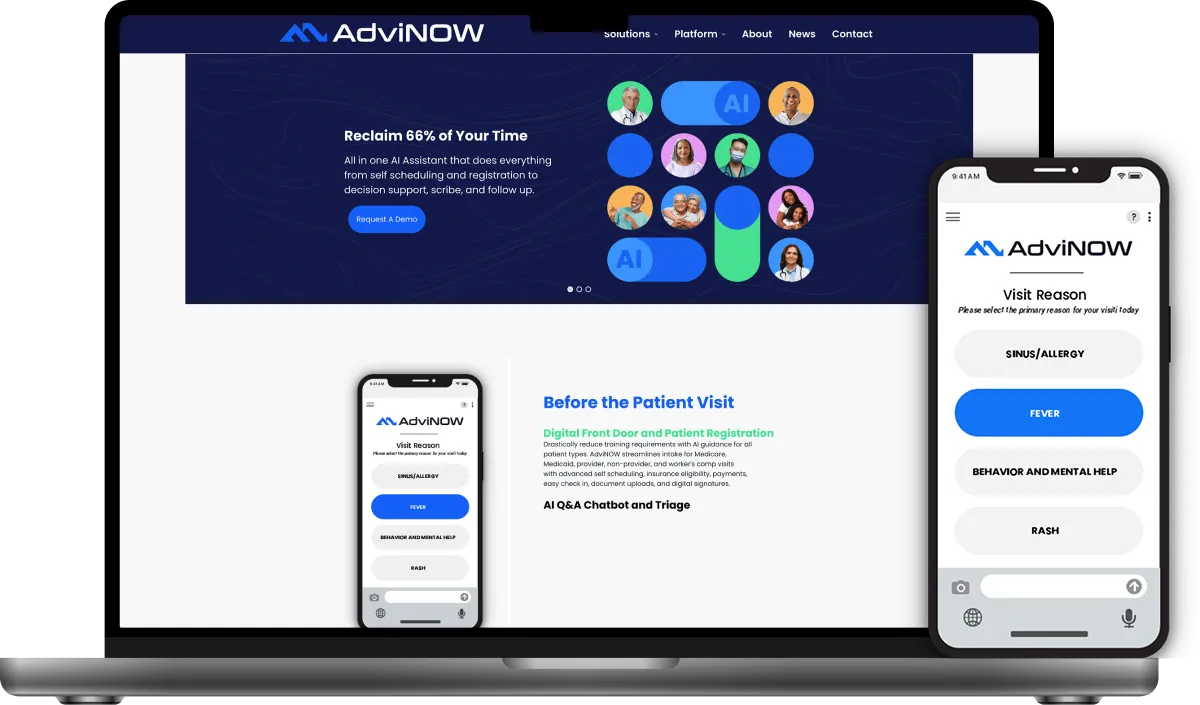



















Advinow
It's an AI-driven healthcare platform that automates patient engagement and consultation processes, helping healthcare providers deliver efficient, on-demand services while improving operations for urgent care.
Read MoreHealthcare providers often struggle with fragmented systems, compliance risks, and limited scalability in virtual care. We build custom telemedicine platforms that enable seamless consultations, secure patient data, and reliable performance across devices.
Trusted by industry leaders
Protecting patient data requires strong encryption, secure access controls, and adherence to healthcare regulations to prevent breaches and maintain trust.
Connecting telemedicine platforms with EHRs, billing systems, and third-party tools requires careful planning to ensure seamless data exchange and workflow continuity.
Maintaining stable video and audio quality across devices and networks is essential for uninterrupted consultations and a consistent patient experience.
Meeting standards like HIPAA, GDPR, and interoperability protocols adds complexity, requiring careful implementation throughout the development lifecycle.
Designing intuitive interfaces for both patients and healthcare professionals ensures ease of use, reduces friction, and improves overall engagement with the platform.
We develop secure, scalable telemedicine applications that enable virtual consultations, improve care access, streamline clinical workflows, and ensure compliant, real-time patient-provider communication across devices.
We build intelligent systems that help analyze patient symptoms and route critical information to healthcare professionals faster, enabling quicker and more informed virtual diagnosis.
Our solutions leverage patient history and real-time data to help doctors make better clinical decisions and deliver more personalized treatment plans.
Track patient health continuously through a connected RPM platform that provides real-time updates, alerts, and insights for better chronic care management.
Enable smooth communication through chat, notifications, and virtual assistants, helping patients stay informed while reducing the burden on healthcare staff.
We develop telemedicine platforms that integrate seamlessly with existing EHR systems, giving healthcare providers instant access to patient records during consultations.
Ensure your platform is accessible to a wider audience with multilingual support, voice-enabled features, and accessibility-focused design.
Build reliable video consultation features with stable connectivity and smooth user experience across devices, ensuring uninterrupted virtual care delivery.
Simplify scheduling with systems that allow easy booking, automated reminders, and efficient management of consultations for both patients and providers.
AI is playing a growing role in telemedicine app development by making virtual care more efficient and responsive. It helps process patient inputs, identify patterns, and support faster decision-making, allowing healthcare providers to handle consultations with greater clarity and speed.
In practical use, AI can assist with tasks like analyzing symptoms, prioritizing patient queries, and improving communication during consultations. This reduces manual effort for healthcare professionals while ensuring patients receive timely and consistent responses across the platform.
When implemented thoughtfully, AI enhances the overall telemedicine experience without adding unnecessary complexity. It supports better patient engagement, improves operational workflows, and helps healthcare organizations deliver more reliable and accessible virtual care.
Let’s discuss your requirements and design a platform tailored to your healthcare workflow.
Discuss Your App IdeaNLP technology enables systems to understand patient inputs, whether typed or spoken, helping streamline communication and assist healthcare providers during virtual consultations.
Analyzes historical and real-time health data to support better decision-making and improve the accuracy of care recommendations over time.
Supports real-time access to patient data, ensures system reliability, and enables healthcare providers to manage and scale their telemedicine platforms efficiently.
Developing an AI-powered telemedicine app can cost anywhere from $25,000 to $250,000, depending on features, integrations, and compliance requirements. Want the exact cost for your project? Share your requirements and get a detailed estimate now!
We understand your platform goals, user roles, and healthcare workflows to define a clear development roadmap aligned with your business and compliance needs.
Our team design intuitive interfaces that simplify patient interactions and support healthcare providers with efficient, easy-to-navigate systems for virtual care delivery.
We build your telemedicine platform with essential features and integrate it with EHR systems, APIs, and third-party services for smooth functionality.
We follow an agile, iterative approach to ensure a flawless telemedicine platform. Continuous testing and refinements guarantee efficiency, compliance, and a seamless virtual healthcare experience.
We build telemedicine platforms aligned with real clinical workflows, ensuring practical usability for healthcare providers and patients across different care environments.
Every solution is built from scratch based on your requirements, giving you full control over features, integrations, and future scalability.
We ensure seamless connectivity with EHR systems, payment platforms, and third-party tools to create a unified and efficient healthcare ecosystem.
Our development approach incorporates healthcare regulations and data protection practices to ensure patient information is handled securely and responsibly.
It's an AI-driven healthcare platform that automates patient engagement and consultation processes, helping healthcare providers deliver efficient, on-demand services while improving operations for urgent care.
Read More
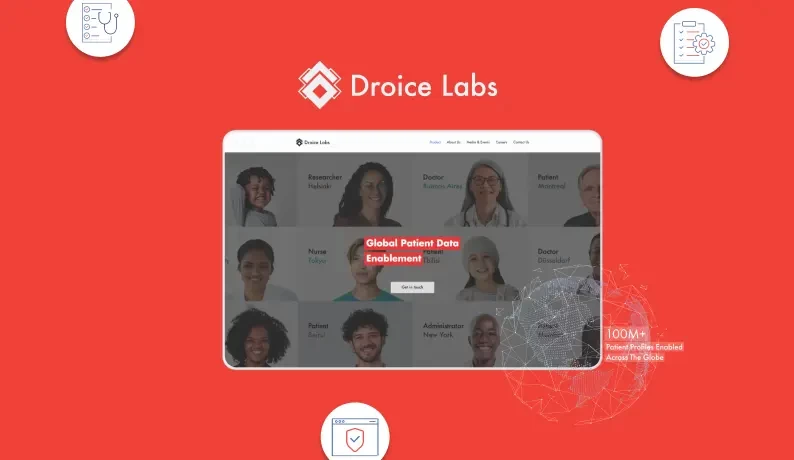
Droice Labs is a middleware designed to transform messy, unstructured patient data into clean, analysis-ready formats for clinical trials.
Read More
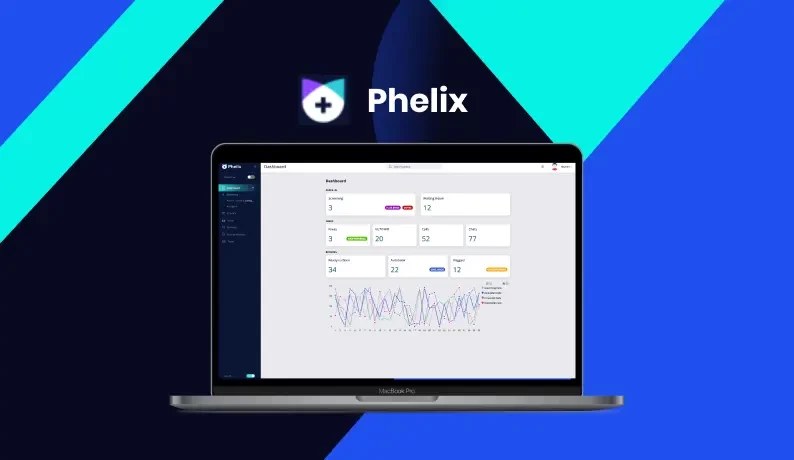
Phelix is a no-code, virtual assistant designed for healthcare workflows by automating patient communication, scheduling, and payment processes.
Read More
Telemedicine App Features
Discover the 15 essential telemedicine app features that ensure secure, efficient, and scalable virtual healthcare in 2025. Learn what your app must include to succeed.
More Info
Healthcare Mobile App Cost
Discover the key factors & real costs of developing a healthcare mobile app. Get insights for budgeting your medical app project effectively.
More Info
AI Trends in Healthcare
Discover the latest AI trends in healthcare, from predictive analytics to AI-powered diagnostics, transforming patient care and medical innovation.
More InfoWe build AI-powered telemedicine solutions, including automated diagnostics, real-time monitoring, EHR integration, AI chatbots, and predictive analytics to enhance virtual consultations and patient care.
Hiring a specialized company ensures your app complies with healthcare regulations like HIPAA or GDPR. It also brings technical expertise to integrate features like real-time chat, video calls, EMR systems, and payment gateways seamlessly.
The development time typically ranges from 3 to 6 months depending on app complexity and features. Customizations, third-party integrations, and compliance requirements may extend the timeline.
Core features include user registration, video consultations, appointment booking, e-prescriptions, and secure chat. Additional functionalities like payment systems, EMR access, and doctor dashboards enhance usability and efficiency.
Absolutely. APIs for video conferencing, payment gateways, EHR systems, and pharmacy services can be integrated. This enhances functionality and creates a seamless experience for both patients and healthcare providers.
Technologies commonly include React Native, Flutter, Node.js, and cloud platforms like AWS or Azure. For real-time communication, tools like WebRTC and Twilio are often used for video and chat integration.
Choose a company with proven healthcare experience, strong knowledge of compliance standards, and the ability to build custom telemedicine platforms. Reviewing their past work and technical approach helps ensure long-term reliability.