Custom Cryptocurrency Exchange Platform Development Company
You want to launch a crypto exchange that traders trust and use. That means getting the trading engine, wallet security, compliance, and liquidity right from day one. We are a cryptocurrency exchange platform development company helping founders, CTOs, and fintech teams build secure, scalable exchanges beyond basic white-label solutions. We handle architecture, integrations, and delivery so you can launch faster and focus on growth.
Certified Cryptocurrency Exchange Platform Developers By
PCI DSS
GAAP
AML
Trusted Software Development Company By
Certifications and Accreditations
Who Benefits from Our Crypto Exchange Development
Startups and Crypto Founders
You need a compliant MVP that can scale. We help you define the right architecture from day one so you do not end up rebuilding later.
FinTech Companies Expanding Into Crypto
You already run financial products and need to add crypto trading without inheriting new compliance headaches. We build on top of your existing infrastructure.
Enterprises and Institutions
ou need enterprise-grade security, SOC 2 alignment, and a team that understands KYC/AML from the inside out, not just the checklist. We have experience working with high-growth and globally backed organizations.
Web3 Projects and DeFi Protocols
You are building in the decentralized space and need a technical partner who understands on-chain logic, smart contract risk, and the difference between moving fast and moving recklessly.
Our Custom Cryptocurrency Exchange Platform Development Services
We build every component your exchange needs, from the trading engine and wallet infrastructure to compliance workflows and liquidity integrations. These are the core services our clients engage us for:
Decentralized Finance (DeFi) Development Services
Smart contracts, liquidity pools, staking, and lending protocols are core to modern DeFi development services, enabling trustless, on-chain execution for your exchange end-to-end.
Web3 Wallet Development
Multi-chain wallets with secure key management, dApp connectivity, and a UX that non-technical users can actually navigate. We build for the full Web3 ecosystem.
AI-Powered Trading Software Development
Predictive analytics, automated risk scoring, real-time market analysis, and fraud detection, all powered by our AI layer. This is where crypto exchanges get genuinely smarter.
Payment Gateway Software Development
Multi-currency payment gateways to process various currencies, fraud detection, and reliable settlements, to provide secure and smooth payment experiences across exchanges, fintech applications, and ecommerce websites.
Core Features of a Production-Ready Crypto Exchange Platform
High-Performance Trading Engine
Handles high order volumes with low latency. Built for real market conditions, including flash volatility and concurrent order bursts, not just demo traffic.
Secure Multi-Currency Wallet System
Hot and cold wallet segregation with encrypted key management, multi-signature authorization, and secure fund transfer flows that protect user assets across leading chains and tokens.
Advanced Order Types and Trading Tools
Market, limit, stop-limit, OCO orders, and interactive charting tools that help traders act quickly with full market context. Built for professional traders and retail users alike.
Liquidity and Market Making Support
Automated liquidity tools and external exchange integrations to keep order books healthy, improve price discovery, and reduce slippage, especially in your platform’s early-stage growth.
Smooth Third-Party Integrations
Blockchain node connections, KYC vendor APIs, payment gateways, custody providers, and banking rails. Every integration we build is tested for reliability before it goes near production.
User Verification and Compliance Module
Built-in KYC screening, AML rule enforcement, document verification, and biometric authentication. Onboard users faster without cutting corners on regulatory requirements.
Admin, Security, and Monitoring Dashboard
Centralized control over user activity, trade logs, alerts, and platform health. Built so your operations team can see everything and act immediately
Secure Payment and Banking Integrations
Fiat deposit and withdrawal infrastructure backed by regulated payment processors and bank APIs. Users can fund their accounts through channels they already trust.
Two-Factor Authentication and Access Controls
OTP, TOTP authenticator apps, and role-based access controls across all user and admin layers. Essential for preventing unauthorized access at scale.
Ready to Launch Your Crypto Exchange Platform?
Partner with Citrusbug’s experts to build a secure, scalable, and high-performance cryptocurrency exchange tailored to your market goals.
Why AI-Powered Exchange Development Gives You a Real Competitive Edge
Crypto trading is faster, more complex, and more regulated than it was three years ago. Exchanges that rely on manual processes for risk management, fraud detection, and trade execution are already falling behind.
At Citrusbug, we build AI into the exchange infrastructure itself, not as an add-on after launch. That means intelligent fraud scoring that runs on every transaction, predictive risk analytics that help you manage exposure before problems surface, and automated KYC workflows that reduce onboarding time without increasing compliance risk.
When you work with us, you get a team that has built real financial products for real users, not just demo projects.
Choose the Right Cryptocurrency Exchange Development Model
Centralized Crypto Exchange (CEX) Development
A fully managed trading environment where users trade under centralized governance. CEX platforms support high liquidity, fast transaction processing, and the kind of advanced trading features institutional users expect. Best for founders who need a traditional exchange with full operational control.
Decentralized Crypto Exchange (DEX) Development
Peer-to-peer trading with non-custodial wallets and trustless execution. Users retain full asset ownership, and there is no central point of failure. Best for platforms where user privacy and asset sovereignty are the core value proposition.
Hybrid Crypto Exchange Development
The efficiency of a CEX with the asset control of a DEX. The right choice for platforms that want performance at the core and custody flexibility at the edges. A growing preference among serious crypto product companies.
P2P Crypto Exchange Development
Direct buyer-to-seller trading with escrow protection, automated dispute resolution, and configurable workflows. Designed for global or niche communities where intermediaries add friction rather than value.
Crypto Derivatives Exchange Development
Futures, options, perpetual contracts, and leveraged trading infrastructure. Designed for institutional clients and high-frequency traders who need low latency, high volume, and sophisticated risk management tools.
White-Label Crypto Exchange Development
A fully customizable exchange foundation with faster go-to-market and lower build cost than starting from scratch. We customize the interface, workflows, and integrations to match your brand and business model, not the other way around.
How Much Does it Cost to Develop a Cryptocurrency Exchange Platform?
The cost to develop a cryptocurrency exchange platform typically starts around $40,000 for a basic MVP and can exceed $300,000 for a fully featured, secure, and compliance-ready exchange.
The prices differ depending on features, integrations, security requirements, and platform complexity. Share your project details to receive an accurate, personalized estimate.
BUILDING NEXT-GEN SOLUTIONS
Technologies and Platforms We Use
LangChain
Haystack
OpenAI GPT-4
Anthropic Claude
OpenAI GPT-4
Google Dialogflow
Rasa
Vapi.ai
Azure Prompt flow
DALL-E
Stable Diffusion
TensorFlow
Hugging Face Transformers
Amazon Glu
Pandas
Numpy
Redshift
OpenCV
Tesseract OCR
Compliance and Regulations for Crypto Exchange Development
Regulatory compliance is a critical part of crypto exchange development. It ensures your platform operates securely, builds user trust, and meets global legal requirements from day one. A strong compliance setup is embedded into your platform from the ground up. It enables better control, improves transparency, and ensures your exchange can adapt to changing regulatory requirements without disruption.
KYC & AML Frameworks
Identity checks, sanctions checks and automated AML rules that assist in preventing fraud, securing the onboarding of users and maintaining your exchange within the requirements of global financial regulations.
Real-Time Transaction Monitoring
Real-time surveillance of trades and transfers that identify abnormal trades early and assist in ensuring safe market conduct throughout your complete exchange space.
GDPR-Compliant Data Handling
Secure storage, specific storage policies, and access controls protecting user data and facilitating privacy needs in various regulatory environments.
Audit Trails & Regulatory Reporting
Searchable logs and exportable reports that provide easy visibility of platform activity to the regulator and ease review of compliance during the process or through an ongoing investigation.
Identity Verification Integrations
Support for trusted KYC providers that enable document checks, biometric verification, and address validation to reduce identity fraud and enhance platform security.
Travel Rule Compliance Support
Regional crypto exchanges, workflows, and API integrations that allow your exchange to receive and send crypto and comply with FATF Travel Rule data-sharing requirements.
PCI DSS, SOC 2 and ISO 27001 Alignment
Security architecture created to meet the world standards to enhance the protection of data, enhance operational reliability, and meet the enterprise-level compliance requirements.
How We Secure a Cryptocurrency Exchange Platform
Security is not a feature you add at launch. It is the architecture decision you make on day one. Here is how we approach exchange security:
Cold and Hot Wallet Segregation
We maintain a strict ratio of user funds in cold storage vs. hot wallets. Cold wallets are offline, air-gapped, and accessed only through multi-authorization workflows. Hot wallets hold only the minimum liquidity required for daily withdrawals.
Multi-Signature Authorization
All high value operations such as large withdrawals, admin changes, and smart contract deployments require multi signature approval across geographically distributed key holders.
DDoS and Rate Limiting Protection
Exchanges are frequent targets of distributed denial-of-service attacks, especially during high-volatility market events. We build layer-7 DDoS mitigation and intelligent rate limiting into every platform we deploy.
Smart Contract Audits
For DEX and DeFi components, we run automated vulnerability scanning alongside manual smart contract audits before any code goes to mainnet.
Penetration Testing
Every exchange we deliver goes through structured penetration testing before launch. We work with specialized blockchain security firms when the scope requires it.
Role-Based Access and Audit Logging
Admin actions, user data access, and fund movements are logged and attributed. Unauthorized access attempts generate real-time alerts. Your compliance team has full audit trail access.
How We Build Your Cryptocurrency Exchange: Our Development Process
1
Discover (Weeks 1–2)
We start by understanding your exchange vision, compliance requirements, target users, and technical constraints. You leave this phase with a detailed scope document, a recommended architecture, a regulatory readiness plan, and a realistic timeline.
2
Design (Weeks 3–5)
Our team designs trader-focused interfaces with responsive layouts and smooth user flows. Every screen is built for speed of decision-making. You review and approve designs before a single line of code is written.
3
Build (Weeks 6 onward, timeline varies by scope)
We build your exchange using proven blockchain infrastructure and secure backend frameworks. We follow milestone-based delivery so you always know what was built, what is next, and what is coming.
4
Deliver
Before launch, your platform goes through functional QA, performance testing under simulated load, and security review. We deploy, monitor the first live trading period, and stay available through the transition. Post-launch support is included.
Trusted by Many
Why Choose Citrusbug Technolabs as Your Cryptocurrency Exchange Platform Development Com?
Deep Fintech Expertise
Our team has built trading engines, wallet systems, and compliance workflows across 500+ fintech and blockchain projects delivered globally.
Compliance Built In Always
Our exchanges ship with KYC, AML, GDPR, and Travel Rule compliance built into the architecture, not patched in after launch.
AI Integrated From Day One
Every platform includes AI-driven fraud detection, risk scoring, and trade analytics, not as an add-on, but as core infrastructure.
No Hidden Costs in Development
Transparent pricing from the first call, milestone-based delivery, and no hidden fees across the full engagement.
Client Testimonials (We're Rated 4.7 on Clutch)
THE PROJECT
Web & AI Development for Education Company
AI Development, Custom Software Development
Nov. 2024 - Ongoing
THE REVIEW
Their agile way of working, competence, and friendliness are impressive.
December 7, 2024
5
★★★★★
Quality5.0
Schedule5.0
Cost5.0
Willing to refer5.0
PROJECT SUMMARY:
Citrusbug Technolabs handles a data extraction project for an education company. They're also responsible for managing an AI generation project for the client.
FEEDBACK SUMMARY:
Citrusbug Technolabs has laid out and followed a clear project outline and consistently met deadlines. The team communicates well and demonstrates a strong understanding of the client's vision and goals. Their agile approach, high level of competence, and personable approach stand out.
Custom Automated System Dev for Veteran Medical Co
Generative AI, Application Testing, Custom Software Development
Aug. - Oct. 2024
THE REVIEW
Their communication and ability to capture exactly what I was asking for were impressive.
November 14, 2024
5
★★★★★
Quality5.0
Schedule5.0
Cost5.0
Willing to refer5.0
PROJECT SUMMARY:
Citrusbug Technolabs built an automated system for a veteran medical company. The system needed to collect and store user data, generate customized letters based on surveys, and use AI to summarize reviews.
FEEDBACK SUMMARY:
Citrusbug Technolabs delivered a functional automated system that successfully organized the client's records and auto-generated statements. The team was quick to respond, addressed all roadblocks, and communicated effectively. Overall, their ability to understand the client's needs stood out.
MVP Development for Freight & Capacity Marketplace
Custom Software Development
$10,000 to $49,999
Jan. 2024 - Feb. 2025
THE REVIEW
They were very calm and talented, and they did bring some of their own ideas.
January 28, 2025
5
★★★★★
Quality5.0
Schedule5.0
Cost5.0
Willing to refer5.0
PROJECT SUMMARY:
Citrusbug Technolabs has developed an MVP for a freight and capacity marketplace. The team has created three different interfaces for three market segments.
FEEDBACK SUMMARY:
Citrusbug Technolabs has successfully developed an effective MVP. The team has delivered the project on time and almost within budget. Moreover, their responses have been timely. Overall, the team has been calm, talented, and innovative. This has led to the client's satisfaction.
What stood out most about them was their personalized approach and sense of ownership in every aspect of the project."
February 27, 2024
5
★★★★★
Quality5.0
Schedule5.0
Cost5.0
Willing to refer5.0
PROJECT SUMMARY:
Citrusbug Technolabs built a Flutter cross-platform mobile app for an education company. They also developed two web apps and an admin panel and provided DevOps support for the client's infrastructure.
FEEDBACK SUMMARY:
Citrusbug Technolabs' support successfully boosted the client's user engagement by 8x, resulting in an 85% retention rate. The reliable team demonstrated a dedication to delivering on time and promptly responding to concerns and adjustments. Their personalized, client-centric approach stood out.
Custom Software Development Mobile App Development UX/UI Design
$10,000 to $49,999
June 2023 - Jan. 2024
THE REVIEW
They didn't like the phrase "impossible to do", which made them very solution-oriented.
February 19, 2024
4.75
★★★★★
Quality4.5
Schedule4.5
Cost5.0
Willing to refer5.0
PROJECT SUMMARY:
A healthcare company hired Citrusbug Technolabs to design and develop a user-friendly application. The team provided tailored assistance to meet the client's requirements.
FEEDBACK SUMMARY:
Citrusbug Technolabs successfully delivered an application that was ready for market. The team was highly professional and well-organized; they stayed focused throughout the engagement and were receptive to changes. Overall, they stood out for their trustworthiness and commitment to excellence.
Custom Web App Dev & Design for Financial Technology Firm
Mobile App Development UX/UI Design Web Design
Sep. 2023 - Ongoing
THE REVIEW
They're 100% on time and transparent throughout each stage of the project.
February 24, 2024
5
★★★★★
Quality5.0
Schedule5.0
Cost5.0
Willing to refer5.0
PROJECT SUMMARY:
A financial technology company has hired Citrusbug Technolabs to build a custom web application. The team handles the development and design of the app.
FEEDBACK SUMMARY:
The project is ongoing, but the client has been satisfied with Citrusbug Technolabs' services. The team is very professional — they always respect timelines and provide regular updates to ensure everyone's on the same page. Also, their transparent approach makes them a trustworthy partner.
Staff Augmentation for Singaporean Development Company
Mobile App Development
$10,000 to $49,999
THE REVIEW
"I do believe they are exceptional at where they stand."
5
★★★★★
Quality5.0
Schedule5.0
Cost5.0
Willing to refer5.0
PROJECT SUMMARY:
Citrusbug Technolabs took on a mobile app development project for a Singapore-based development house. They were provided with UX designs to execute. Currently, they're finalizing and fine-tuning the product.
FEEDBACK SUMMARY:
Citrusbug Technolabs contributed to the successful launch of the product, which has garnered over 10,000 users in just three months. The product has also received support from investors. They consistently followed-up with their progress and delivered at a speedy rate. The team is truly stellar.
Otter Finance is a European fintech platform that enables users to access liquidity against their assets without selling them, providing streamlined financial tools and dashboards for asset management and investment activities.
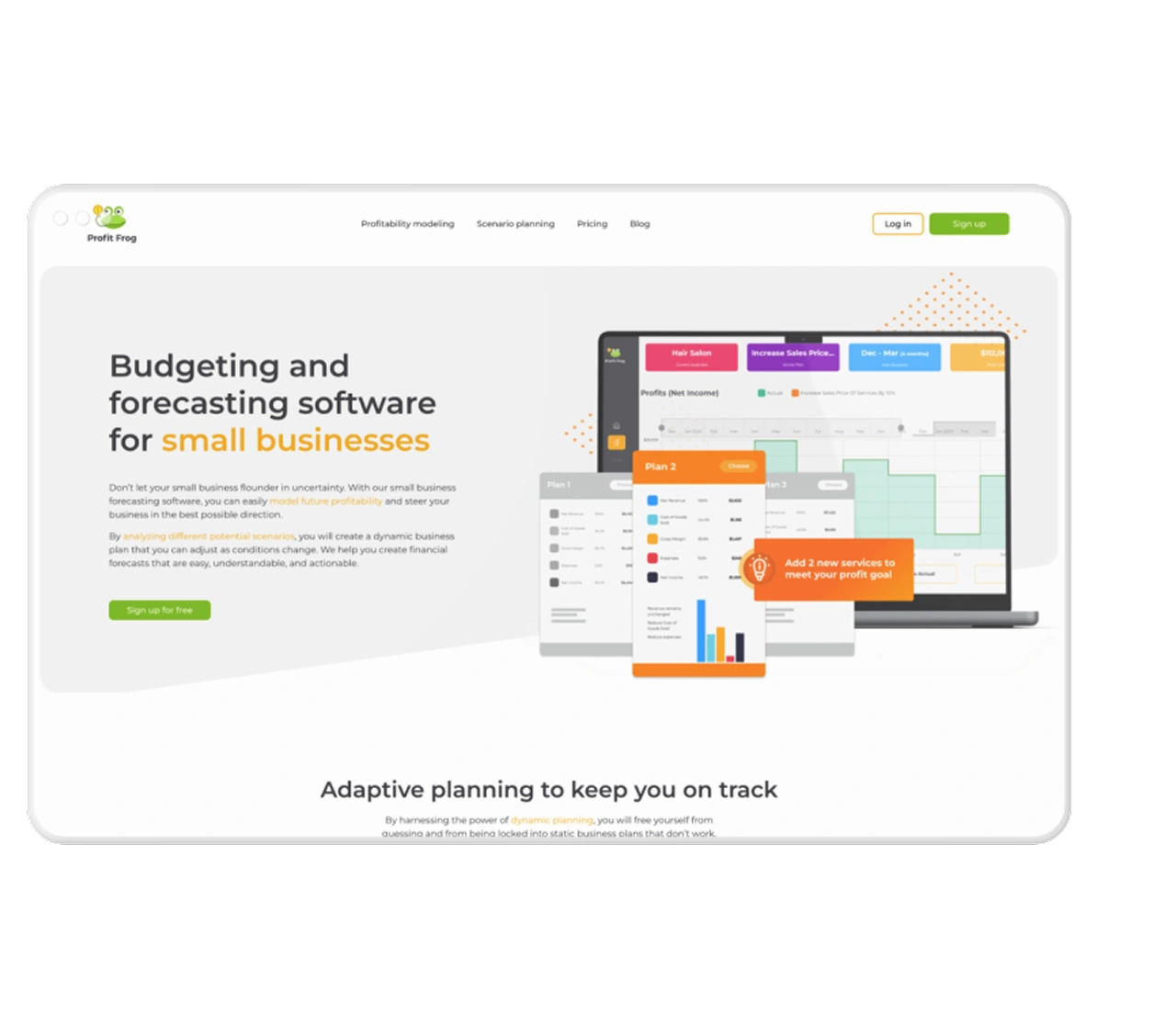
Profit Frog is a budgeting and profitability forecasting platform that empowers small business owners to model future performance, analyze scenarios, and make confident financial decisions.
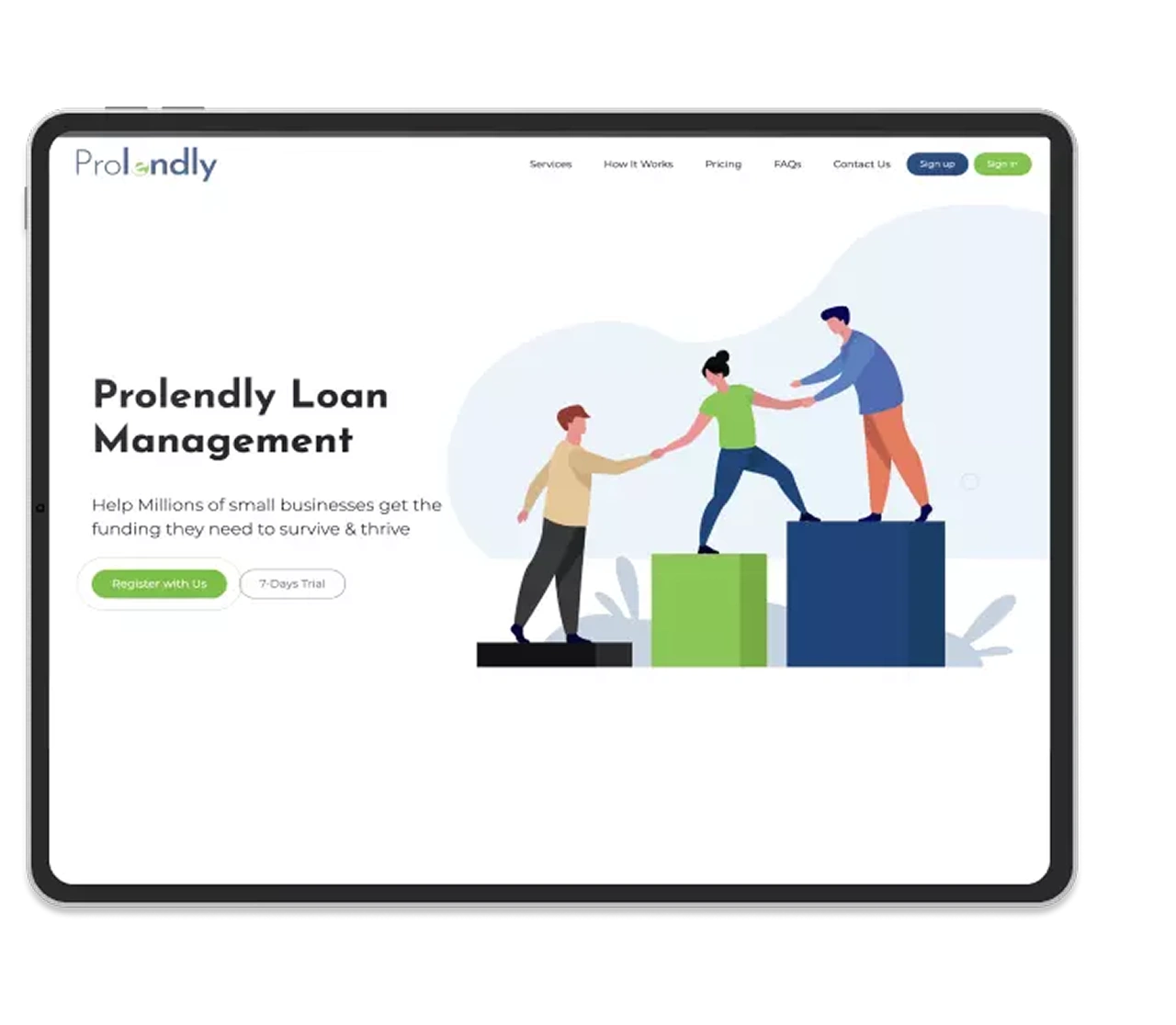
Prolendly is a FinTech SaaS platform that connects startups and small businesses with funding opportunities, lenders, and capital consulting resources.
The Online Trading Platform Market Size: Trends, Growth, Drivers & Future Outlook
The online trading platform industry has experienced substantial growth in recent years due to the rapid digitization of financial services and growing retail investor participation. Online trading platforms allow users…
Best Crypto Trading Bot Development Companies for Custom Bot Solutions
The increasing need for automated trading has driven companies to look for trustworthy crypto trading bot development services that provide precision, flexibility, and personalization. Custom bots are changing the way…
Digital Wallet App Development: Features, Security, and Cost Guide for 2026
The way we pay and manage money is changing fast. Digital wallet is not only a convenience anymore, but a fundamental aspect of daily transactions among millions of people all…
Frequently Asked Questions About Cryptocurrency Exchange Platform Development
What is cryptocurrency exchange development?
Cryptocurrency exchange development is the process of building a secure digital platform where users can buy, sell, and trade digital assets. It covers the trading engine, wallet infrastructure, user onboarding, KYC/AML workflows, admin controls, and the security architecture that keeps user funds protected.
How long does it take to build a cryptocurrency exchange platform?
A focused MVP typically takes 8 to 12 weeks. A full-scale exchange with advanced trading features, liquidity integrations, compliance workflows, and custom admin tooling generally takes 4 to 8 months, depending on scope and the number of third-party integrations required.
What technologies do you use to build a crypto exchange platform?
Our stack typically includes Ethereum, Solana, or BNB Chain at the blockchain layer, Node.js or Go for backend services, React for trading interfaces, PostgreSQL and Redis for data management, and AWS or GCP for cloud infrastructure. The specific stack is determined by your exchange type and throughput requirements.
Can you build both centralized and decentralized crypto exchanges?
Yes. We build centralized exchanges (CEX), decentralized exchanges (DEX), hybrid platforms, P2P trading systems, and derivatives exchanges. We recommend the right model based on your business goals, user base, and compliance environment.
How do you ensure security in a cryptocurrency exchange platform?
Security is built into the architecture from the start. Our approach includes cold and hot wallet segregation, multi-signature authorization, DDoS protection, smart contract audits, penetration testing, and ongoing monitoring. Our platforms are built to align with PCI DSS, SOC 2, and ISO 27001 standards.
How can I choose a secure crypto exchange development partner?
Look for a proven track record with real exchange or fintech projects, transparent development processes, verifiable client reviews, and a team that treats compliance as a first-class concern rather than an afterthought. Ask specifically how they approach wallet security, KYC/AML architecture, and smart contract audit processes.
What features should a modern cryptocurrency exchange include?
A production-ready crypto exchange needs a high-performance trading engine, secure multi-currency wallets, automated KYC/AML compliance, liquidity tools, role-based admin controls, interactive charting, and third-party API integrations. The specific feature set depends on whether you are building a CEX, DEX, hybrid, or P2P platform.
Can you integrate fiat payment methods into a crypto exchange?
Yes. We integrate banking APIs, payment processors, and on-ramp/off-ramp providers so users can deposit and withdraw fiat currency alongside crypto. Regulatory compliance for fiat integrations is handled as part of our standard development scope.
How much does it cost to build a cryptocurrency exchange platform?
Development costs start around $40,000 for an MVP and can exceed $300,000 for a full-scale, compliance-ready platform. The main variables are exchange type, number of supported assets, liquidity integrations, compliance scope, and security requirements. We provide detailed estimates after a scoping call.
Do you offer staking, futures trading, or AI-driven trading tools?
Yes. We build staking modules, perpetual and dated futures contracts, options infrastructure, automated market-making tools, and AI-driven analytics and fraud detection. These are available as part of a full exchange build or as a feature expansion for existing platforms.
Will you help with post-launch support and upgrades?
Absolutely. We offer structured post-launch support covering security monitoring, feature additions, API updates, and compliance upgrades. Crypto is a fast-moving space, and your exchange platform needs to evolve with it.
Is it possible to build a white-label cryptocurrency exchange platform?
Yes. Our white-label crypto exchange solutions are customizable at the UI, workflow, and integration level. You get a faster launch path without sacrificing the ability to differentiate on features, branding, and user experience. We do not hand you someone else's template; we configure and extend the architecture to match your business model.
Ready to Build a Crypto Exchange Your Users Will Trust?
Get a production-ready exchange with secure architecture, real liquidity integration, and compliance built in. Book a strategy call with our team today.






























.svg)


.svg)

















.svg)


.svg)

.svg)

.svg)