Let’s Talk

Remote Patient Monitoring Software Development Services Built for Clinical Scale

We design and build remote patient monitoring software development solutions that are HIPAA-compliant, connect wearable devices, automate clinical alerts, and integrate seamlessly with your existing EHR. Built for healthcare providers, MedTech startups, and hospital networks ready to deliver continuous, data-driven care at scale.

Remote Patient Monitoring Software Development Services
500+
Projects Delivered
98%
Client Retention

Certified By

HIPAA HIPAA
FDA & IEC 62304 FDA & IEC 62304
HL7 & FHIR Compatibility HL7 & FHIR Compatibility
SOC 2 Type II SOC 2 Type II

Trusted by industry leaders

Certifications and Accreditations

Our Remote Patient Monitoring Software Development Services

We deliver end-to-end remote patient monitoring software development services that give care teams real-time visibility into patient health outside the clinical setting. From IoMT device onboarding to AI-powered risk stratification, every solution we build is engineered to reduce care gaps, lower readmission rates, and scale with your patient population.

Custom RPM Software Development

No two patient populations are the same, and neither are the care protocols, billing structures, or workflows that support them. We build RPM software around your specific programs, whether that’s chronic disease management, post-acute transitions, or specialty care, so your team isn’t bending their process to fit the platform.

AI-Powered Predictive Health Monitoring

Integrate machine learning models that go beyond threshold alerts. Our AI layer analyzes longitudinal patient data, detects early signs of clinical deterioration, and delivers risk scores to your care coordinators before a condition escalates. The result is fewer reactive interventions and more proactive, preventive care delivery.

Medical Device and IoMT Integration

We connect your RPM platform to the full spectrum of FDA-cleared medical devices and consumer wearables. Blood pressure monitors, pulse oximeters, glucometers, ECG patches, and smart scales, all communicating over secure Bluetooth, Wi-Fi, and cellular protocols. Our patient monitoring system development expertise ensures data flows reliably from device to dashboard without clinical workflow disruption.

Real-Time Clinical Dashboards

Your care teams don’t need more screens. They need one screen that gives them everything that matters. Our cross-platform dashboards surface prioritized vitals, alert queues, and trend data in a layout designed around real clinical decision-making. And patients get their own view through a mobile app built for engagement, not just data display.

Electronic Health Record and Health System Integration

RPM data sitting outside the patient chart is wasted data. We build FHIR-compliant integrations with Epic, Cerner, Athenahealth, and other major EHR systems so that monitoring data flows directly into the record, with no double documentation or manual reconciliation.

Legacy RPM System Modernization

Operating a first-generation monitoring platform that cannot scale or integrate? We modernize existing RPM systems with updated cloud architecture, AI modules, FHIR APIs, and modern device compatibility. Your team can keep continuity of care while gaining the capabilities your next growth phase demands.

Intelligent Alert and Escalation Systems

Alert fatigue is one of the biggest obstacles to effective remote monitoring. We build alert engines that prioritize by severity, patient risk profile, and care protocol, so your team is responding to the signals that actually need attention, not to noise.

Compliance, Security, & Audit Readiness

Every RPM solution we deliver is built to meet HIPAA, GDPR, FDA, and SOC 2 Type II standards from day one. We implement end-to-end encryption, role-based access control, comprehensive audit trails, and secure API frameworks, so your platform is ready for enterprise deployment and regulatory scrutiny.

Who We Build RPM Software For

Healthcare Providers and Physician Groups

Healthcare Providers and Physician Groups

Extend your care capacity beyond the clinic walls. Our RPM software helps physician groups and health systems monitor high-risk patient populations continuously, reduce unnecessary ER visits, and qualify for CMS remote physiologic monitoring reimbursement codes (CPT 99453, 99454, 99457, 99458).

MedTech Startups and Digital Health Ventures

MedTech Startups and Digital Health Ventures

Launching a remote monitoring product and need a development partner who understands both the technology and the regulatory landscape? We have built RPM platforms from the ground up for digital health startups, managing technical architecture, FDA considerations, and go-to-market readiness.

Hospital Networks and Health Systems

Hospital Networks and Health Systems

Large-scale deployments demand enterprise-grade infrastructure. We build RPM solutions that support thousands of concurrent patients, integrate across multiple care sites, and connect with existing health system IT environments, including EHR, HIE, and clinical data warehouses.

Payers and Care Management Organizations

Payers and Care Management Organizations

Population health management requires continuous data, not episodic snapshots. We develop RPM platforms that support payer-sponsored care management programs, chronic condition monitoring, and value-based care arrangements with real-time reporting for clinical and administrative stakeholders.

How Much Does it Cost to Develop Remote Patient Monitoring Software?

The cost to develop Remote Patient Monitoring software typically ranges from $30,000 to $250,000+, depending on features, integrations, security, and compliance needs.

Share your specific requirements to get an accurate estimate tailored to your project. Fill out the form now for detailed costing!


    AI-Driven RPM Software That Predicts Risk Before It Becomes a Crisis

    Traditional monitoring systems react. Our AI-powered remote patient monitoring software anticipates. We integrate predictive analytics, natural language processing, and health risk scoring into RPM platforms that surface early warning signals, prioritize care coordinator workflows, and reduce the clinical and financial burden of unplanned admissions.


    Our engineering teams embed machine learning at the point of data capture, so every connected device feeds a continuously improving model of patient risk. Paired with intelligent chatbot interfaces for symptom capture and medication adherence, our RPM applications support the entire care journey, from initial device setup to long-term population health management.


    We serve hospitals and health systems globally, delivering RPM solutions that operate within complex enterprise IT environments while maintaining the performance and reliability clinical teams require.


    Have a specific RPM use case in mind?

    Tell us your patient population and care setting, and we will scope the right solution for you.

    Schedule a Free Discovery Call

    RPM Software for Every Care Setting and Patient Population

    Chronic Disease Management

    Monitor patients with diabetes, hypertension, or heart disease continuously. AI-driven insights flag worsening trends and non-adherence before conditions escalate, helping care teams intervene earlier and reduce avoidable hospitalizations.

    Post-Operative Monitoring

    Track patient vitals and recovery progress remotely after surgery. Automated threshold alerts and integrated video consult tools help detect complications early and significantly reduce unnecessary return hospital visits.

    Elderly & Palliative Care

    Support aging and home-bound patients with continuous vitals tracking, medication reminders, and caregiver-connected emergency alerts, enabling dignified, safe care delivery outside clinical settings without compromising monitoring quality.

    Maternal & Prenatal Monitoring

    Empower expectant mothers to log symptoms, sync fetal monitoring devices, and receive timely health prompts. Keep obstetric care teams informed throughout every stage of pregnancy, remotely and reliably.

    Home Health Agencies

    Give nursing staff and caregivers a centralized dashboard and mobile tools to monitor multiple patients simultaneously, streamlining workflows, reducing administrative overhead, and improving response times across distributed care teams.

    COVID-19 & Respiratory Monitoring

    Track oxygen saturation, pulse rate, and temperature in real time. Automated data sharing and configurable alerts help care teams manage respiratory and infectious disease patients safely from outside the facility.

    Technologies and Platforms We Use

    LangChain
    Haystack
    OpenAI GPT-4
    Anthropic Claude
    OpenAI GPT-4
    Google Dialogflow
    Rasa
    Vapi.ai
    Azure Prompt flow
    DALL-E
    DALL-E
    Stable Diffusion
    Stable Diffusion
    TensorFlow
    Hugging Face Transformers
    Amazon Glu
    Amazon Glu
    Pandas
    Pandas
    Numpy
    Numpy
    Redshift
    Redshift
    opencv
    OpenCV
    Tesseract OCR
    Tesseract OCR

    Our Remote Patient Monitoring Software Development Process

    1

    Clinical Discovery

    We map your patient population, care workflows, device ecosystem, and compliance requirements before writing a single line of code.

    2

    Architecture Design

    We design a scalable, HIPAA-compliant technical architecture aligned with your EHR environment and future integration roadmap.

    3

    Iterative Development

    Agile sprints with clinical stakeholder reviews. You see working software early, not at the end.

    4

    Device and Integration QA

    Rigorous testing across all connected devices, alert pathways, and EHR data flows in a clinical simulation environment.

    5

    Regulatory Review Support

    We support your FDA submission preparation, HIPAA risk analysis, and security audit documentation.

    6

    Deployment and Onboarding

    Structured rollout with clinical training, device provisioning support, and go-live monitoring.

    7

    Continuous Improvement

    Post-launch monitoring, AI model retraining, and feature iteration based on real clinical usage data.

    Why Healthcare Organizations Trust Citrusbug for RPM Development

    Healthcare technology decisions carry real clinical and financial risk. The vendor you choose determines whether your RPM platform earns clinician adoption, passes regulatory scrutiny, and scales with your patient population. Here is what sets our remote patient monitoring software development practice apart.

    10+ Years in Healthcare Technology

    10+ Years in Healthcare Technology

    We have been building healthcare software since before RPM was a reimbursable CMS program category. Our engineering teams have delivered patient monitoring systems for hospital networks, digital health startups, and medical device manufacturers across globe.

    Clinical Domain Expertise

    Clinical Domain Expertise

    Our healthcare projects are led by engineers and architects who have worked directly within clinical environments. We do not apply generic software development methodology to healthcare problems. We engage clinical advisors during discovery and QA to validate that the software matches how care is actually delivered.

    Regulatory Track Record

    Regulatory Track Record

    We have supported clients through HIPAA Security Rule compliance assessments, FDA Software as a Medical Device (SaMD) pathway preparation, and SOC 2 Type II audit readiness reviews. Compliance is not a checkbox, it is an engineering discipline embedded in our development process.

    Global Delivery

    Global Delivery

    Our remote patient monitoring software development services are delivered by globally distributed teams with senior-level healthcare technology expertise. We operate with timezone-aligned communication for clients across the US, UK, EU, UAE, and Australia, ensuring your project moves without bottlenecks.

    Client Testimonials (We're Rated 4.7 on Clutch)

    Healthcare Projects We've Delivered with Precision

    View All Case Studies →
    Healthcare Carepoint

    Carepoint

    Carepoint is a solution dedicated to the pharmacy industry with a variety of tools needed to manage any pharmacy.

    Read Case Study
    Healthcare Droice Labs

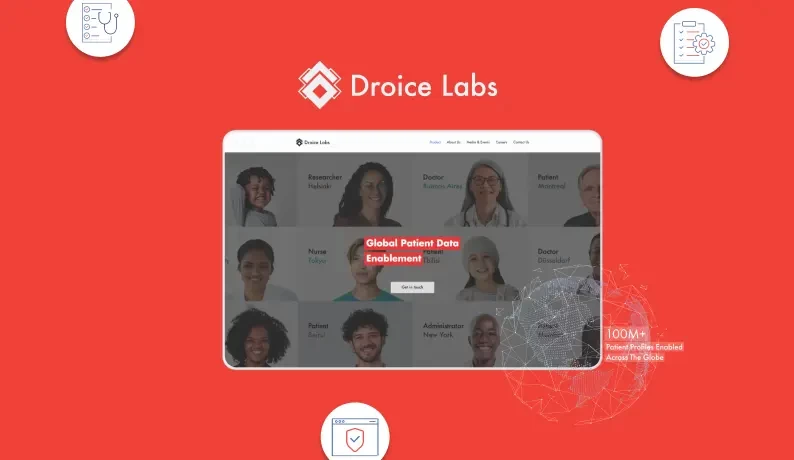
    Droice Labs

    Droice Labs is a middleware designed to transform messy, unstructured patient data into clean, analysis-ready formats for clinical trials.

    Read Case Study
    Healthcare Phelix

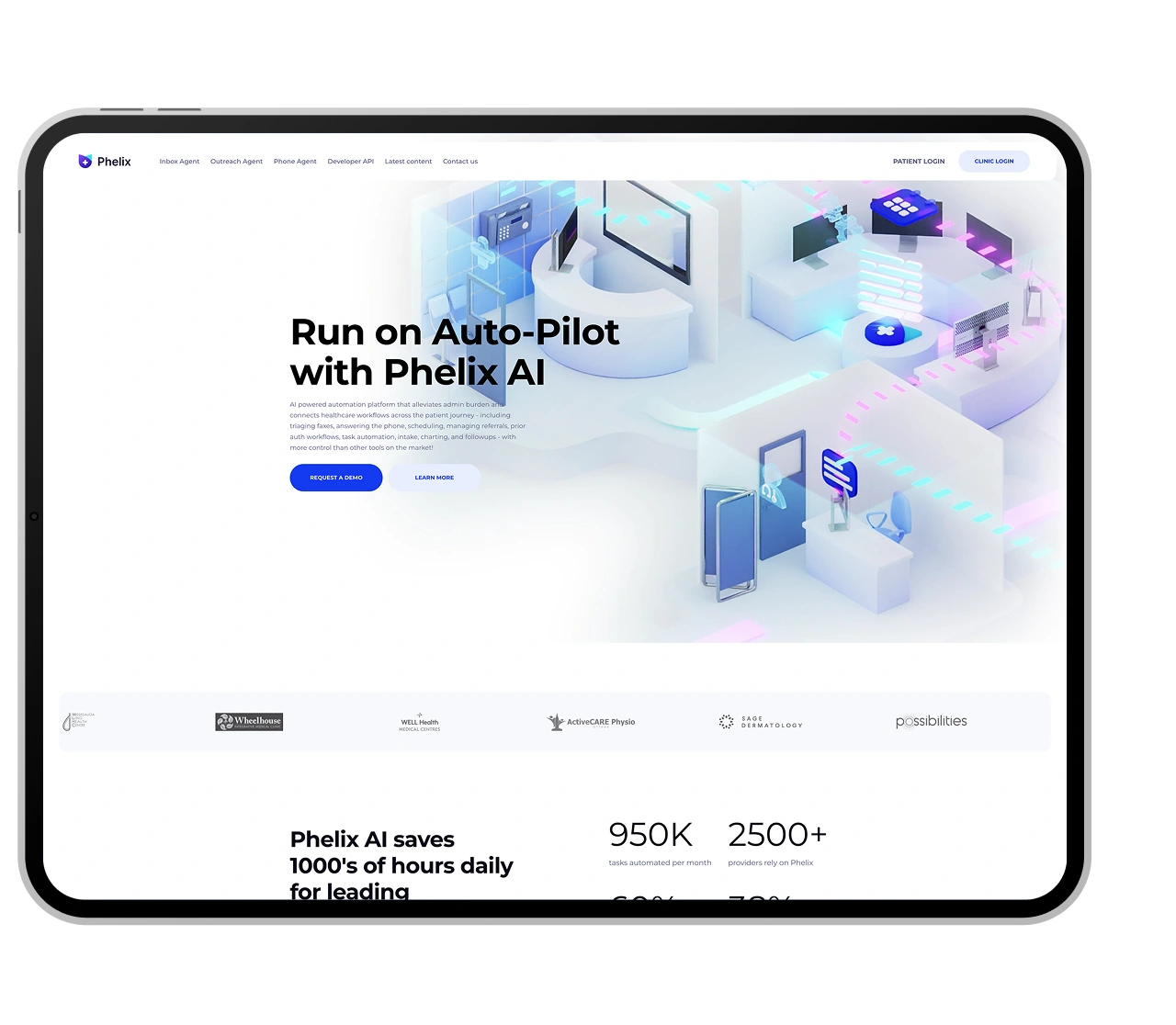
    Phelix

    Phelix is a no-code, virtual assistant designed for healthcare workflows by automating patient communication, scheduling, and payment processes.

    Read Case Study

    Our Recent Blog Posts

    Visit Our Blog
    HEALTHCARE

    AI Chatbots in Healthcare: A New Era of Patient Support and Care

    Enhance patient care with AI chatbots in healthcare, automating appointments, reminders, and medical support for improved efficiency and engagement.

    Read More
    HEALTHCARE

    AI Trends in Healthcare: Transforming Future of Medical Innovation

    Discover the latest AI trends in healthcare, from predictive analytics to AI-powered diagnostics, transforming patient care and medical innovation.

    Read More
    HEALTHCARE

    15 Must-Have Features in a Telemedicine App to Deliver Seamless Patient Care in 2025

    Discover the 15 essential telemedicine app features that ensure secure, efficient, and scalable virtual healthcare in 2025. Learn what your app must include to succeed.

    Read More

    Frequently Asked Questions About Remote Patient Monitoring Software Development

    What is remote patient monitoring software?

    Remote patient monitoring (RPM) software enables healthcare providers to collect, transmit, and analyze patient health data from outside the clinical setting. It typically connects FDA-cleared medical devices such as blood pressure monitors, glucometers, and pulse oximeters to a clinical dashboard, allowing care teams to track patient vitals continuously and intervene before conditions worsen.

    How long does it take to develop RPM software?

    A foundational RPM platform with basic device integration, a clinical dashboard, and HIPAA-compliant data architecture typically takes 3 to 5 months to build. More complex implementations with AI-powered analytics, EHR integration, and multi-device support generally require 6 to 12 months. Your exact timeline depends on the scope of integrations and the regulatory pathway you need to support.

    What compliance standards must RPM software meet?

    At minimum, RPM software deployed in the US must comply with HIPAA, including the Privacy Rule, Security Rule, and Breach Notification Rule. Depending on the clinical use case and device ecosystem, FDA Software as a Medical Device (SaMD) classification may apply. International deployments require GDPR compliance for EU patient data and may require additional national health data regulations. Our development process addresses all applicable standards from the architecture phase forward.

    Can RPM software integrate with existing EHR systems?

    DevelopmentYes. Modern RPM platforms use HL7 FHIR APIs to exchange data with major EHR systems including Epic, Cerner, Athenahealth, and others. Integration complexity depends on the specific EHR version and the data elements being exchanged. We have delivered FHIR-compliant RPM integrations across multiple EHR platforms and can advise on the most efficient integration path for your specific environment. timelines vary based on complexity, features, and integration needs, but typically range from 3 to 9 months. This includes phases like requirement analysis, design, development, testing, and deployment.

    Can RPM platforms integrate AI or predictive analytics?

    Yes, advanced RPM solutions can include AI-driven trend analysis, early warning alerts, anomaly detection, and predictive modeling, helping providers take proactive care actions before critical events occur.

    What is the difference between RPM and telehealth?

    Telehealth refers broadly to virtual care delivery, including video consultations and asynchronous messaging. Remote patient monitoring is a specific subset focused on continuous or periodic collection of physiological data from connected devices. RPM data can feed into telehealth platforms, but RPM software itself is primarily a data infrastructure and clinical alerting tool rather than a communication platform.

    How does AI improve remote patient monitoring?

    AI-powered RPM software moves beyond simple threshold alerts. Machine learning models trained on longitudinal patient data can identify patterns that precede clinical events, assign risk scores to individual patients, and prioritize care coordinator workloads by predicted urgency. This enables care teams to focus attention on the patients most likely to need intervention, rather than reacting to individual out-of-range readings in isolation.

    Need Software for Continuous Patient Tracking?

    Build intelligent RPM applications that collect health data, generate alerts, and support long-term care management with accuracy, scalability, and clinical workflow alignment.