Advinow
It's an AI-driven healthcare platform that automates patient engagement and consultation processes, helping healthcare providers deliver efficient, on-demand services while improving operations for urgent care.
Read Case Study →We offer medical device software development services designed to meet regulatory standards while delivering advanced functionality. Whether you're building diagnostic tools, wearable monitors, or imaging solutions, we create secure, scalable software that powers healthcare innovation.
Trusted by industry leaders
Build secure, compliant medical device software with seamless hardware integration, real-time data processing, regulatory readiness, and reliable clinical performance outcomes.
We create software tailored to your device’s function diagnostics, monitoring, imaging, or therapy, ensuring smooth performance and accurate data handling.
Trust our medical device software development company to add AI for smart diagnostics, anomaly detection, and predictive insights that enhance decision-making and improve patient care.
Enable real-time data sync with IoMT devices, Bluetooth tech, and standards like HL7 and FHIR for seamless healthcare connectivity.
As part of our medical device app development services, we upgrade outdated software with modern UI, scalable architecture, and integrated AI while ensuring regulatory compliance.
Connect with experienced medical device software developers to build secure, compliant, and scalable solutions tailored to your device requirements, workflows, and long-term healthcare innovation goals.
Discuss Your RequirementsModern healthcare requires secure and intelligent medical device software that delivers real-time insights and reliable performance. Our AI-powered medical device software development enables connected systems, advanced analytics, and seamless clinical workflow integration.
These medical device software development solutions include EMR and EHR integration, dashboards, and analytics to improve operational efficiency and patient outcomes.
Enable continuous health tracking with real-time alerts. Aggregate vitals and health data from wearables or in-home devices for better chronic care and post-surgery monitoring.
Develop software that supports DICOM, PACS, and AI-based scan analysis. Help radiologists and specialists detect anomalies faster and with greater precision.
Power devices that assist in treatments like insulin pumps, neuromodulation, or respiratory therapy. Automate control settings based on patient vitals and clinical rules.
Enable clinicians to view longitudinal data, generate detailed reports, and receive predictive alerts. Custom dashboards help improve care decisions and regulatory readiness.
Allow manufacturers and providers to manage device updates, firmware patches, performance logs, and user permissions remotely through secure cloud platforms.
Connect software with hospital systems (EHRs/EMRs), labs, and regulatory data workflows. Ensure easy documentation, version control, and compliance audit readiness.
The cost to develop medical device software typically ranges from $40,000 to $500,000+, depending on complexity, compliance needs, and features. Every project is unique — share your requirements to get an accurate estimate tailored to your device.
We uphold the highest standards of transparency and integrity, protecting your medical device software ideas through strict NDAs and secure development practices.
We provide high-quality medical device software development services at competitive rates, balancing cost-efficiency with innovation, security, and long-term scalability.
Our developers bring deep domain expertise in healthcare and AI development, enabling us to build advanced, compliant, and future-ready digital health solutions.
Each medical device software undergoes rigorous testing to ensure a secure, bug-free, and fully functional product that's ready for clinical and patient use.
We begin by immersing ourselves in your vision, your device's purpose, and your regulatory landscape. Through detailed research & stakeholder discussions, we map out a precise, strategic plan tailored for medical device software.
Designing software for medical devices is more than aesthetics — it's about usability, safety, and empathy. Our team crafts interfaces that feel intuitive to clinicians and patients alike, balancing innovation with the strict usability standards required in healthcare environments.
When it's time to build, we combine domain expertise with modern engineering. Using secure, FDA/ISO-compliant technologies and agile development, we create scalable and high-performing software — whether it's for diagnostics, monitoring, or connected care.
We don't just ship software — we deliver peace of mind. By iterating through rigorous testing cycles, refining based on real-world feedback, and aligning with regulatory milestones, we ensure your medical software is safe, reliable, and ready to make a real difference in patients' lives.
It's an AI-driven healthcare platform that automates patient engagement and consultation processes, helping healthcare providers deliver efficient, on-demand services while improving operations for urgent care.
Read Case Study →
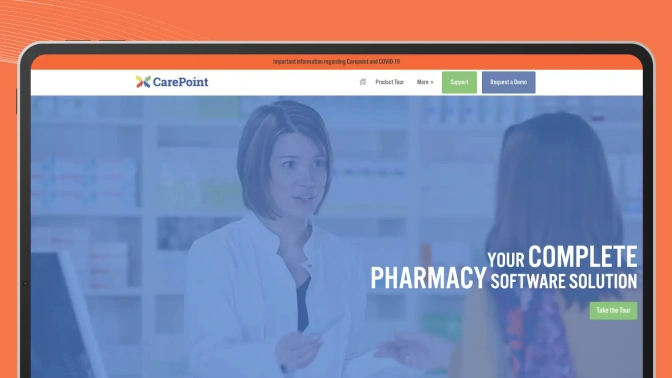
Carepoint is a solution dedicated to the pharmacy industry with a variety of tools needed to manage any pharmacy.
Read Case Study →
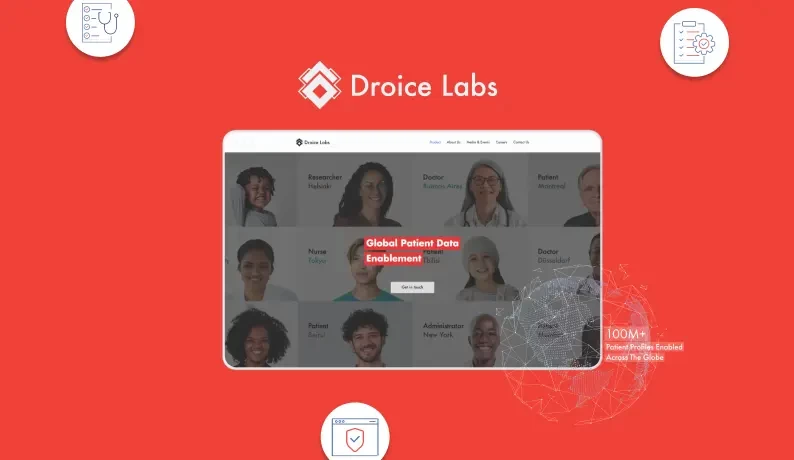
Droice Labs is a middleware designed to transform messy, unstructured patient data into clean, analysis-ready formats for clinical trials.
Read Case Study →Both JavaScript frameworks React & Angular have performed amazingly and proved their dominance over the years. And even in 2022, the battle - React vs Angular for Frontend development is tough.
Explore →The complete developer guide to FinTech app security includes the challenges and solutions related to security. Also mention the leading fintech app security technologies.
Explore →We have listed the top 10 frontend frameworks for web development. Explore key criteria and tips to make the right choice in this comprehensive guide.
Explore →We develop software for Class I, II, and III medical devices, including diagnostics, monitoring systems, and wearables. Our solutions are tailored to suit both embedded systems and standalone applications.
The timeline varies based on complexity, class of device, and regulatory requirements. Typically, development takes 4 to 12 months, including design, testing, validation, and documentation stages.
Absolutely. We specialize in building interoperable software that integrates with EHRs, HIS, and other hospital systems. This ensures seamless data exchange, improved workflow efficiency, and better patient outcomes.
We follow a robust SDLC tailored for medical devices, starting with regulatory scoping, risk and usability engineering, secure DevOps pipelines, iterative prototyping, strict validation/verification, and full documentation to meet IEC/FDA/ISO standards.
We provide comprehensive documentation to support regulatory submissions including Design History Files (DHF), Software Requirements Specifications (SRS), and Risk Management Reports. Our experts can also assist with FDA 510(k) and CE Mark processes.