









Let’s Talk

Healthcare CRM Software Development Company

We design and build custom healthcare CRM platforms that unify patient records, automate care coordination, and connect directly with the systems your teams already use. From appointment workflows to AI-driven outreach, every module is built for HIPAA compliance and your specific operations.

500+
Projects Delivered
98%
Client Retention

Certified By

HIPAA Compliant HIPAA Compliant
HL7 / FHIR Compatible HL7 / FHIR Compatible
SOC 2 Type II SOC 2 Type II

Trusted Software Development Company By

Certifications and Accreditations

What Goes Into Your Healthcare CRM?

Your CRM needs to do more than store contact details. It needs to hold the full patient relationship, sync with clinical systems, and give staff a single place to work from. Here's what we build into every healthcare CRM platform.

Unified Patient Records

We centralize demographics, treatment history, insurance details, and communication logs into one record. Care teams get a complete view without switching between systems or chasing down information from front desk staff.

Appointment and Scheduling Automation

Patients book, reschedule, and cancel through automated flows tied to provider availability. Configurable reminders by SMS, email, or app notification cut no-show rates without adding staff workload.

EHR and EMR Synchronization

We connect your CRM to EHR systems like Epic, Cerner, and athenahealth through HL7 and FHIR interfaces, so patient data stays consistent across platforms without manual re-entry or duplicate charts.

Care Team Collaboration Tools

Internal notes, task assignments, and referral tracking keep coordinators, nurses, and physicians aligned on a patient’s care plan, with full audit trails for compliance reviews.

Patient Communication Hub

Secure messaging, automated campaigns, and two-way SMS run through one interface, segmented by condition, care plan stage, or provider, so outreach reflects where each patient actually is.

Billing and Claims Visibility

Track invoices, insurance claims, and payment status inside the CRM, with automated reminders for outstanding balances and status updates that reduce calls to your billing team.

Reporting and Operational Dashboards

Custom dashboards surface patient volume, appointment adherence, outreach performance, and staff workload, giving administrators the data they need without exporting to spreadsheets.

Mobile Access for Staff and Patients

Field staff, home health teams, and patients get secure mobile access to relevant CRM functions, from care plan updates to appointment management, on iOS and Android.

Most Healthcare CRMs Were Built for Sales, Not Care

Off-the-shelf CRM platforms come from the sales world. They track leads and pipelines, not care plans and compliance requirements. When you bolt one onto a healthcare workflow, you get a system that doesn’t speak HL7, doesn’t understand HIPAA audit logging, and treats a patient like a contact record.

The result is a CRM your staff works around instead of with. Front desk teams maintain spreadsheets on the side. Care coordinators re-enter data the EHR already has. Compliance officers can’t get a clean audit trail because the CRM and the clinical system were never designed to talk to each other.

We build CRM platforms with healthcare as the starting point, not an add-on. Patient records, care coordination, and compliance controls are part of the core architecture, not a workaround layered on top of a generic sales tool.

Ready to Replace a CRM That Fights Your Workflow?

Tell us what your current system can't do, and we'll show you what a healthcare-first CRM looks like.

Talk to Our Team

When Healthcare Teams Come to Us for CRM Development

Organizations across hospitals, clinics, and digital health usually reach out at a specific point. These are the situations we see most often.

Patient data lives in three disconnected systems
Front desk staff manage outreach through spreadsheets
Current CRM doesn't connect to your EHR
Multi-location practices need centralized patient records
Manual processes can't keep up with patient volume
Compliance audits flag CRM data handling gaps

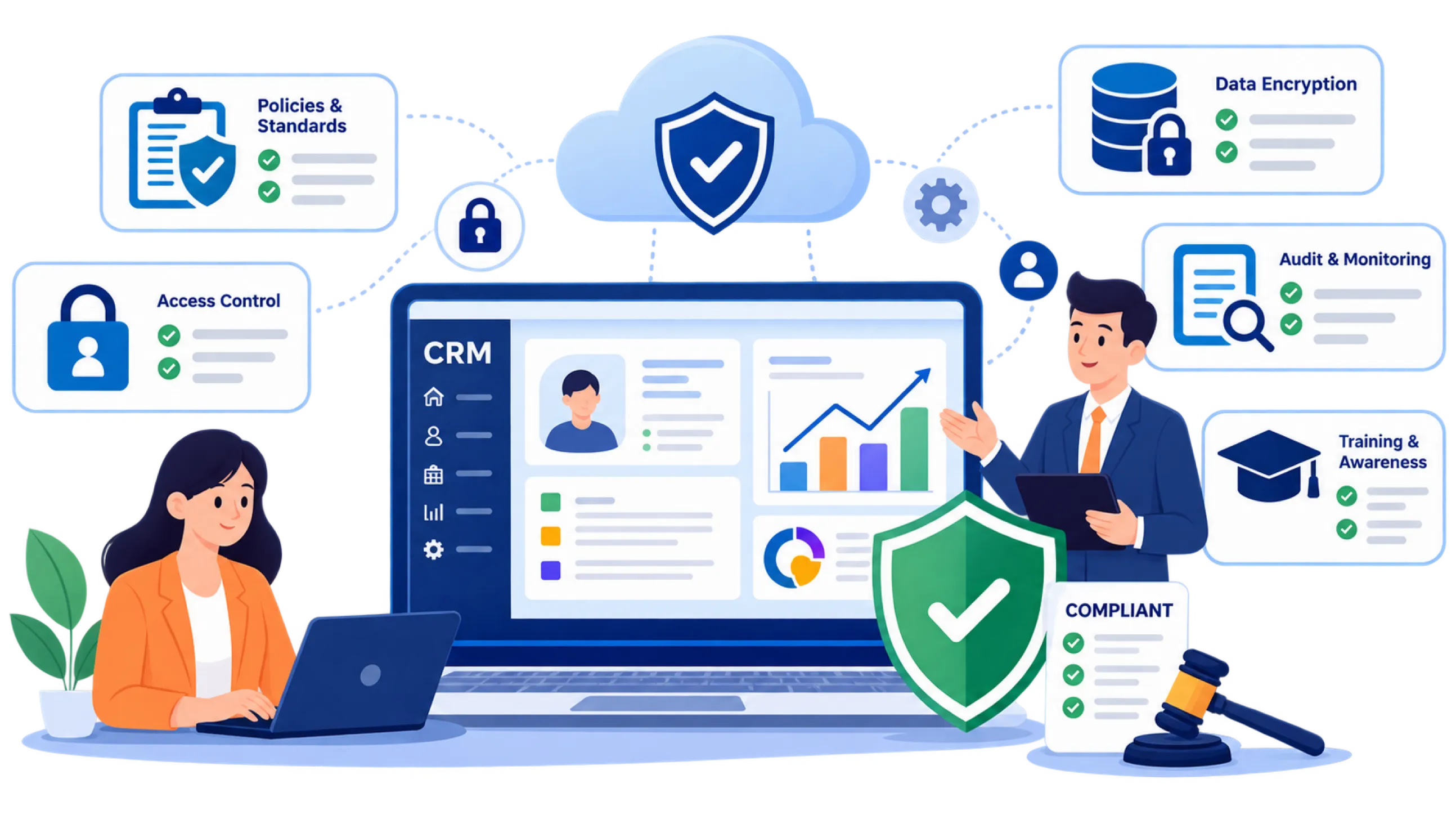
How We Build Compliance Into the CRM?

HIPAA
Every module that touches patient data runs through access controls, audit logging, and encryption at rest and in transit, built to satisfy HIPAA's technical and administrative safeguard requirements.
SOC 2 Type II
Our development practices align with SOC 2 controls for security, availability, and confidentiality, giving your compliance team documentation they can present during vendor reviews.
HL7 / FHIR
Patient data exchange with EHRs, labs, and pharmacy systems follows HL7 v2 and FHIR R4 standards, so integrations don't depend on custom one-off connectors that break with every system update.
Role-Based Access Control
Staff see only the patient data relevant to their role, with granular permissions that satisfy minimum-necessary requirements and reduce internal exposure risk.

Where the CRM Connects in Your Stack

A healthcare CRM is only useful if it talks to the systems your organization already runs on. We map integration points early so the CRM becomes the hub, not another silo.

Enterprise
EHR/EMR (Epic, Cerner, athenahealth)
Enterprise
Billing and revenue cycle systems
Enterprise
Remote patient monitoring devices
Enterprise
Telehealth platforms
Enterprise
Pharmacy and lab systems
Enterprise
Insurance and payer APIs

How Much Does It Cost to Develop Healthcare CRM Software?

Most custom healthcare CRM builds run $25,000 to $150,000 depending on integrations and AI scope. Share your requirements below for a tailored estimate and timeline.


    Your data and info stays secure. Read our Privacy Policy.


    AI Capabilities Built Into the Platform

    AI in a healthcare CRM should reduce manual work for your staff and surface information clinicians actually need. Here's how we apply it.

    Predictive Risk Scoring

    Predictive Risk Scoring

    Models flag patients at risk of readmission or missed care milestones based on history and engagement patterns, so care teams can intervene before issues escalate.

    NLP-Based Message Triage

    NLP-Based Message Triage

    Natural language processing reads incoming patient messages, routes urgent ones to the right staff member, and drafts response suggestions for routine requests.

    Automated Documentation

    Automated Documentation

    AI assists with summarizing care notes and communication logs, reducing the time clinical staff spend on administrative entry after each interaction.

    Smart Scheduling Recommendations

    Smart Scheduling Recommendations

    The system suggests optimal appointment slots based on provider availability, patient preferences, and no-show risk, improving fill rates without manual coordination.

    Migrating Off a Legacy CRM?

    We map your current data, plan the cutover, and keep patient operations running through the transition.

    Plan Your Migration

    What Gets Replaced When You Switch Systems

    1

    Data Audit and Mapping

    We start by auditing every field in your current CRM and mapping it to the new schema. This includes patient records, communication history, appointment data, and any custom fields your team relies on. Nothing gets left behind or silently dropped during migration.

    2

    Parallel Environment Setup

    We build the new CRM in a parallel environment while your current system stays operational. Your staff continues working as normal while we configure integrations, test workflows, and validate data against the source system.

    3

    Phased Data Migration

    Patient records move in phases, starting with historical data and ending with active records closest to cutover. Each phase is validated against the original system before moving forward, so discrepancies get caught early.

    4

    Staff Training and Parallel Run

    Your team runs both systems briefly during a transition window, with training sessions built around real workflows rather than generic feature tours. This catches gaps before the old system is retired.

    5

    Cutover and Decommission

    Once data integrity is confirmed and staff are comfortable, we complete the cutover and decommission the legacy system, including secure archival of historical records per your retention requirements.

    Why Healthcare Teams Choose Citrusbug

    Compliance-First Architecture

    Compliance-First Architecture

    HIPAA and SOC 2 considerations are part of system design from day one, not a separate audit step added after the CRM is already built and deployed for use.

    Named Senior Engineers

    Named Senior Engineers

    You know who is building your CRM before the project starts. Direct access to the engineers working on your system, not account managers relaying updates secondhand.

    Discovery Before Build

    Discovery Before Build

    We document requirements, workflows, and integration points through wireframes and user stories before writing code, reducing rework and surprises during development.

    EHR Integration Depth

    EHR Integration Depth

    Years of work connecting CRMs to Epic, Cerner, athenahealth, and other major EHR platforms means fewer surprises when your integration requirements get specific.

    Source Code Ownership

    Source Code Ownership

    You receive full source code ownership at delivery, with no vendor lock-in on the platform your patient operations run on every day.

    Post-Launch SLA Support

    Post-Launch SLA Support

    L1, L2, and L3 support options keep your CRM running after launch, with response times that match how critical the system is to daily operations.

    Our Healthcare CRM Development Process

    01

    Discover

    We analyze your current workflows, existing systems, and the specific patient relationship goals your CRM needs to support, producing a roadmap before any development starts.

    02

    Design

    Our UI/UX team builds interfaces around how care coordinators, front desk staff, and clinicians actually work, validated through wireframes and feedback before development begins.

    03

    Build

    We develop the CRM using modern, HIPAA-aligned architecture with modular components, so new integrations and features can be added without rebuilding the core system.

    04

    Deliver

    Agile, phased rollout with regular demos and continuous testing means you see working software early and can adjust direction before launch, not after.

    Frequently Asked Questions

    How much does healthcare CRM software development cost?

    Most custom healthcare CRM projects range from $25,000 to $150,000 depending on integration complexity, AI features, and compliance scope. Share your requirements for an accurate estimate.

    How long does it take to build a healthcare CRM?

    A focused CRM with core modules typically takes 10 to 16 weeks. Projects with multiple EHR integrations or AI capabilities run longer depending on scope.

    Can the CRM integrate with our existing EHR or EMR system?

    Yes. We build HL7 and FHIR-based integrations with platforms like Epic, Cerner, and athenahealth, syncing patient records without manual data entry.

    Is the CRM HIPAA compliant from the start?

    Yes. Access controls, encryption, and audit logging are built into the architecture from the first development sprint, not added later.

    Do you support migration from our current CRM?

    Yes. We audit your existing data, map it to the new system, and run a phased migration with a parallel environment so operations continue without disruption.

    What AI features can be added to a healthcare CRM?

    Predictive risk scoring, NLP-based message triage, automated documentation, and smart scheduling are common additions, each built around your existing data and workflows.

    Do you offer a money-back guarantee?

    Yes, on eligible engagements, giving you protection if early milestones don't meet agreed expectations. Details are confirmed during scoping.

    What support do you provide after launch?

    We offer L1 to L3 SLA support options covering bug fixes, performance monitoring, and feature updates so your CRM stays reliable as your operations scale.

    Healthcare Innovation in Action

    View All Case Studies →
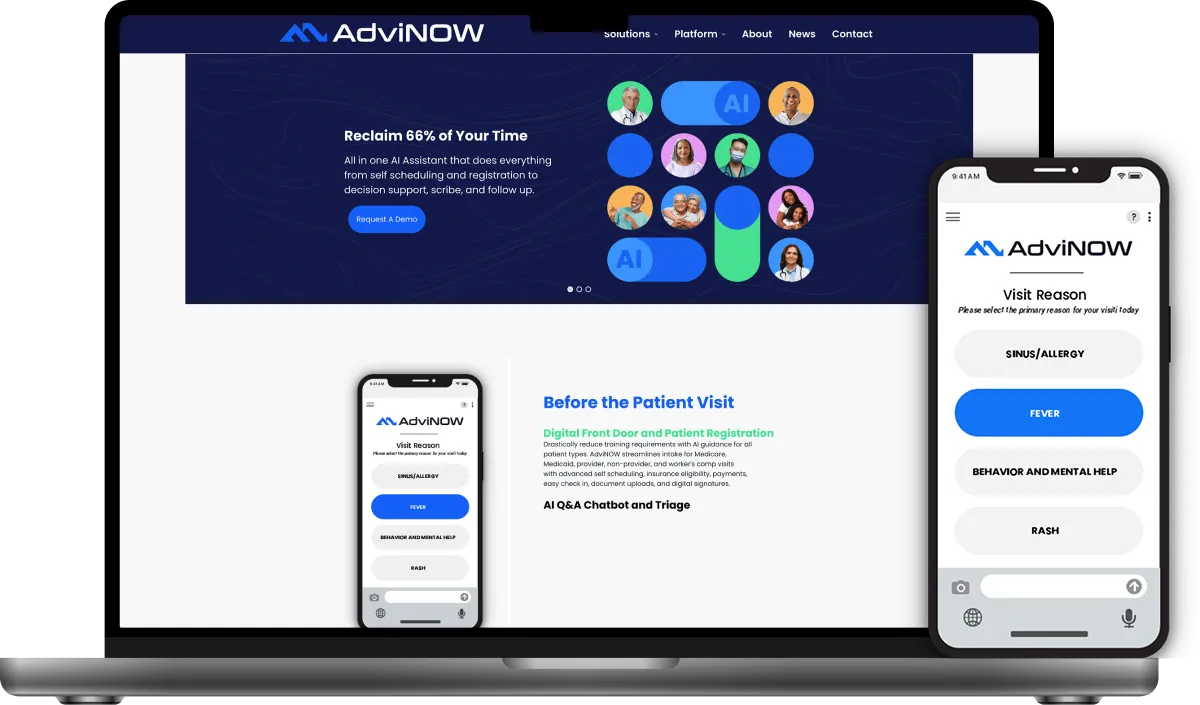
    AI Healthcare Solution Advinow

    Advinow

    It's an AI-driven healthcare platform that automates patient engagement and consultation processes, helping healthcare providers deliver efficient, on-demand services while improving operations for urgent care.
    Read More
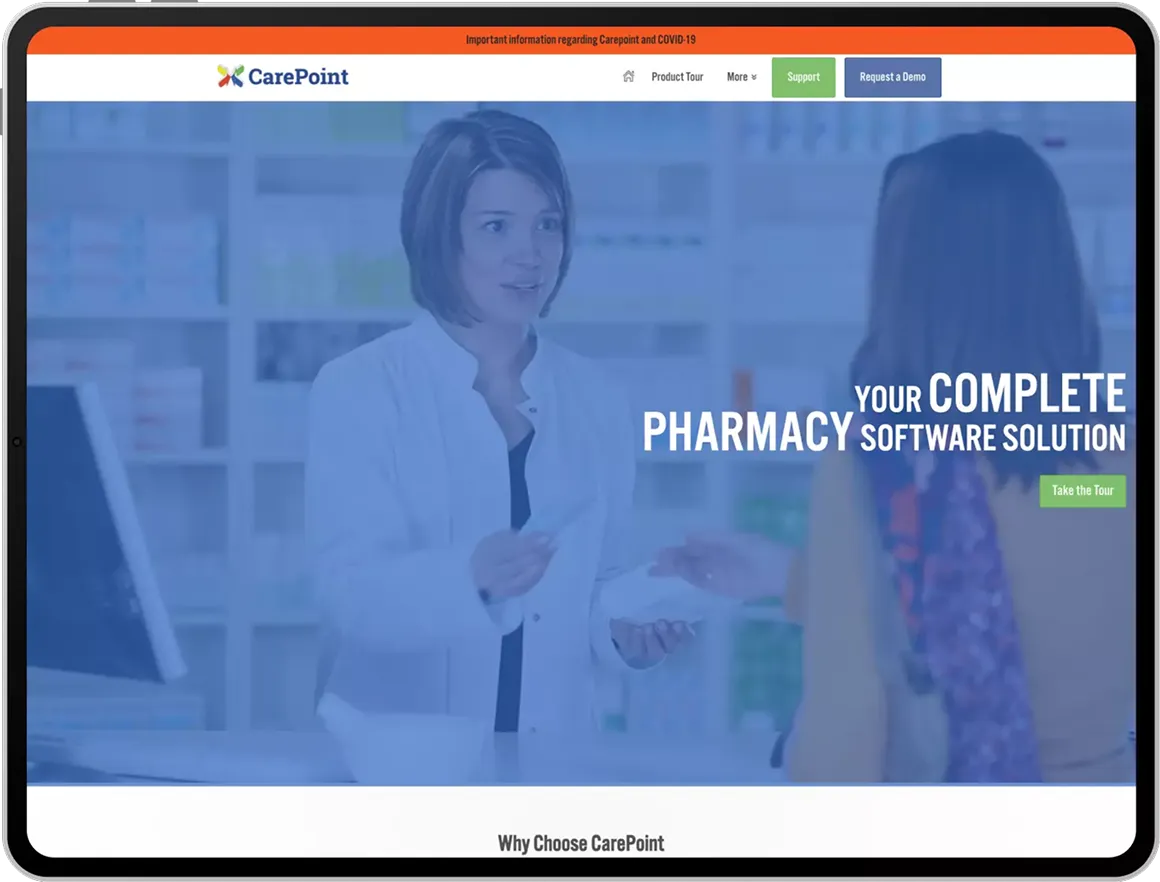
    End-to-end Pharmacy Software Carepoint

    Carepoint

    Carepoint is a solution dedicated to the pharmacy industry with a variety of tools needed to manage any pharmacy.

    Read More
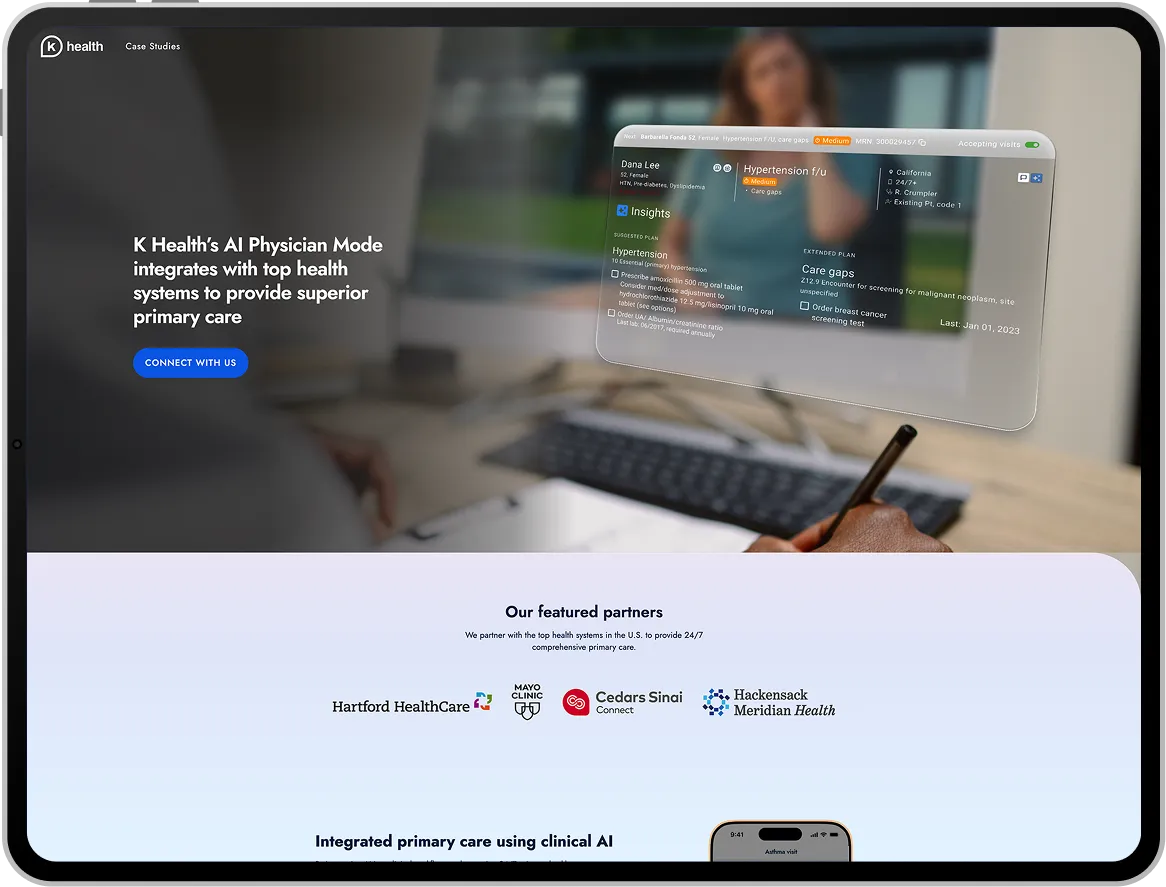
    virtual primary care platform K Health

    K Health

    K Health is a United States-based AI clinical care company providing virtual primary care services through AI-driven symptom assessment and clinician integrations.

    Read More

    Latest Insights on Healthcare Software Development

    Visit Our Blog
    AI Trends in Healthcare: Transforming Future of Medical Innovation
    AI Trends in Healthcare: Transforming Future of Medical Innovation Artificial Intelligence

    AI Trends in Healthcare: Transforming Future of Medical Innovation

    AI technology is revolutionizing healthcare delivery by increasing efficiency and accessibility to medical services. AI’s role in healthcare advancement has been unparalleled – from aiding in accurate diagnoses to driving…

    Read Article →
    6 High-Performance Healthcare CRMs for 2026
    6 High-Performance Healthcare CRMs for 2026 Custom Software Development

    6 High-Performance Healthcare CRMs for 2026

    The healthcare sector, like any other service industry, relies heavily on customer relationships. As technology transforms the way organizations function, Customer Relationship Management (CRM) software has become an essential component…

    Read Article →
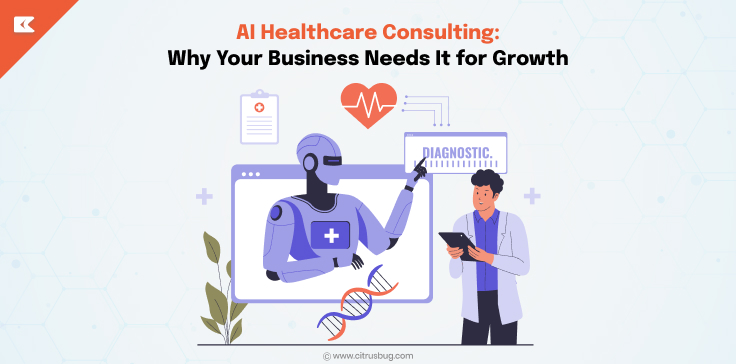
    Why Your Business Needs Healthcare AI Consulting – Benefits & Use Cases
    Why Your Business Needs Healthcare AI Consulting – Benefits & Use Cases Artificial Intelligence

    Why Your Business Needs Healthcare AI Consulting – Benefits & Use Cases

    AI is quietly becoming the backbone of modern healthcare transformation. From reducing diagnostic errors to enhancing administrative workflows, its impact can be seen across the entire care continuum. Yet, successful…

    Read Article →

    Build a CRM That Fits How Your Team Actually Works

    Talk to our healthcare development team about your current systems, integration needs, and timeline.