








Explore the Full Spectrum of Citrusbug’s Technology Expertise Citrusbug Global → Citrusbug Global →
Let’s Talk

Pharma Software Development Built for Audit-Ready Operations

Custom software for pharmaceutical companies, biotech firms, and CROs that holds up under FDA and EMA scrutiny. We build clinical trial, regulatory, pharmacovigilance, and supply chain platforms with validation evidence generated as part of the build, not assembled after the fact.

Pharma Software Development Built for
500+
Projects Delivered
98%
Client Retention Rate

Certified Excellence

HIPAA HIPAA
FDA 21 CFR Part 11 FDA 21 CFR Part 11
GDPR GDPR
GxP GxP

Trusted by industry leaders

Bosch
Deloitte
eClinicalWorks
Epic Systems
Flipkart
McKinsey
HSBC
Softbank
Allianz
Airbnb
United Health
Phelic
Sun Pharma
Target
US Foods
Advinow

Certifications and Accreditations

What We Build for Pharmaceutical Operations

We design and build software across the four areas pharma companies most often need replaced or unified, each engineered to hold validation evidence from day one rather than retrofitted before an audit.

Clinical Trial Management Systems

We build CTMS platforms covering protocol design, patient enrollment tracking, multi-site investigator coordination, and automated protocol deviation alerts, structured around your trial’s actual monitoring cadence rather than a generic workflow template.

Regulatory Submission & Compliance Software

Our teams build FDA, EMA, and ICH submission workflow automation with 21 CFR Part 11 compliant e-signatures, version-controlled SOP repositories, and audit trails that hold up to inspection without manual reconstruction.

Pharmacovigilance & Drug Safety Platforms

We build adverse event capture and classification systems with MedDRA-coded signal detection dashboards, giving safety teams a structured intake pipeline instead of spreadsheet-based case tracking that breaks under volume.

Supply Chain & Serialization Software

We build DSCSA-aligned traceability platforms supporting EPCIS-based data exchange at the saleable unit level, cold chain monitoring, and vendor procurement automation built for 2026’s full enforcement requirements.

Have a Pharma Platform That Needs to Pass Validation Review?

Get a scoped assessment of what your build actually requires before a single sprint starts.

Get a Validation Scoping Call

Why Off-the-Shelf and Legacy ERP Tools Fail Under GxP Scrutiny

DSCSA’s enhanced drug distribution security requirements are now fully enforced for manufacturers, wholesale distributors, and large dispensers, with only small dispensers still under exemption through November 2026. Generic ERP modules and repurposed pharmacy software were never built for saleable-unit serialization, EPCIS data exchange, or the audit trail granularity inspectors now expect.

Meanwhile, FDA’s Computer Software Assurance guidance, finalized in September 2025, shifted how validation effort gets demonstrated. Teams still running exhaustive scripted testing on every system change are spending validation budget the new guidance no longer requires, while teams without a validated software partner are stuck retrofitting evidence after a system is already in production.

What Goes Into a Validated Pharma Software Platform

Tamper-Evident Audit Trails

Every record change is computer-generated, time-stamped, and immutable, reviewed against a documented schedule rather than relying on staff discipline to flag discrepancies.

Role-Based Access and E-Signatures

Unique user IDs, system-enforced password policy, and 21 CFR Part 11-compliant e-signatures bound to signer identity, date, and signature meaning at every event.

Structured Change Control

Every system change carries an impact assessment and re-validation trigger, so a single update doesn't quietly invalidate three other workflows downstream.

Risk-Based Validation Documentation

IQ/OQ/PQ protocols scaled to system risk under GAMP 5 and CSA principles, not a one-size-fits-all testing script applied regardless of complexity.

How Much Does It Cost to Develop Pharma Software?

Most validated pharma platforms run between $35,000 and $150,000+ depending on regulatory scope and integration depth. Get a transparent estimate after a free discovery session.


    Your data and info stays secure. Read our Privacy Policy.


    Integration Capabilities for Pharma Software Platforms


    Pharma operations rarely run on a single system. A CTMS that doesn't talk to your safety database, or a quality platform that can't exchange data with clinical trial management systems already in use, creates exactly the manual reconciliation work validated software is supposed to eliminate.

    We build integration layers that keep transaction and quality data synchronized across the platforms your teams already depend on, reducing the duplicate entry and version drift that turn into audit findings.
    Veeva Vault Integration
    Oracle Clinical One Integration
    SAP and ERP Systems
    LIMS and MedDRA Dictionaries

    Who We Build Pharma Software For

    We design platforms around the specific compliance and operational pressure each segment of the industry actually faces.

    Pharmaceutical Manufacturers
    Biotech & Clinical Research Organizations
    Drug Safety & Pharmacovigilance Teams
    Medical Device & Combination Product Companies

    How We Deliver a Validated Pharma Platform

    1

    Discover

    We run structured discovery sessions with your regulatory, clinical, and IT stakeholders to map existing workflows, document compliance gaps, and produce a validated requirements document before any code is written. This step alone surfaces most of the downstream validation risk a project will carry.

    2

    Design

    Our architecture and UX teams design role-based interfaces aligned to how scientists, compliance officers, and supply chain staff actually move through a workday, with the system structure itself reflecting your GxP categorization from the start.

    3

    Build with Embedded Validation

    Engineers build on GAMP 5-aligned frameworks under our Secure ADLC methodology, generating change control records, test evidence, and audit trail logic as a byproduct of development rather than a separate documentation pass at the end.

    4

    Validate

    We execute IQ/OQ/PQ protocols scaled to system risk per CSA guidance, producing the validation package your QA team needs for sign-off without redundant scripted testing on low-risk components.

    5

    Deploy and Support

    We deploy with full regulatory documentation, team onboarding, and a structured post-launch support plan covering revalidation triggers as your regulatory landscape and compound pipeline evolve.

    Compliance Coverage Across Your Regulatory Obligations

    We build directly against the standards governing your specific operations, not a generic compliance checklist.

    Standard Scope Who Needs It Our Coverage

    21 CFR Part 11

    Electronic records and e-signatures

    All FDA-regulated software

    Full

    GxP / GAMP 5

    Risk-based system validation

    Manufacturing, clinical, lab systems

    Full

    DSCSA / EPCIS

    Saleable-unit drug traceability

    Manufacturers, distributors, dispensers

    Full

    EU Annex 11

    Computerized system control, EU markets

    Dual-jurisdiction operations

    Full

    HIPAA

    Protected health data

    Patient-facing or PHI-adjacent systems

    Full

    Serialization Software Built for Full Enforcement

    Most vendors still describe DSCSA as an upcoming requirement. It is not. Manufacturers, wholesale distributors, and large dispensers are already under full enforcement, and only small dispensers remain exempt through November 2026.

    • Check Icon

      EPCIS-based unit-level data exchange

    • Check Icon

      Verification router network connectivity

    • Check Icon

      Exception handling and quarantine workflows

    • Check Icon

      Saleable returns automation

    Ready to Replace Fragmented, Paper-Based Compliance Processes?

    Get a platform engineered for the regulatory and operational demands of your business.

    Schedule a Free Consultation

    Why Pharma Teams Choose Citrusbug

    Validation evidence is generated during the build under our Secure ADLC methodology, not assembled after the fact when an audit is already scheduled.

    Experienced senior engineers who understand GxP workflows are assigned before you sign, not generalist contractors learning pharma terminology on your project timeline.

    Discovery sessions map your actual regulatory and QA processes first, so the system mirrors your SOPs instead of forcing your team to adapt to a generic template.

    Full source code ownership and complete validation documentation are handed over at delivery, with no vendor dependency for your next audit cycle.

    Client Testimonials (We're Rated 4.7 on Clutch)

    Healthcare Platforms We've Delivered

    View All Case Studies →
    Brainkey Brainkey

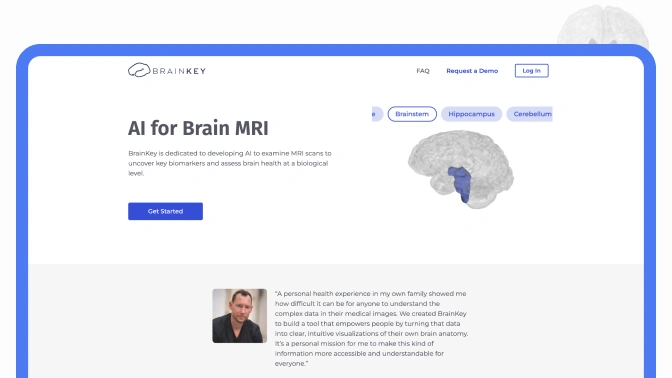
    Brainkey

    Platform leverages AI to analyze brain imaging data, providing insights into brain health. Designed for healthcare providers and researchers, the platform enhances early detection of neurological conditions, enables predictive analytics, and optimizes treatment planning. The platform empowers clinicians with accurate and data-driven decision-making capabilities.
    Read Case Study
    CarePoint CarePoint

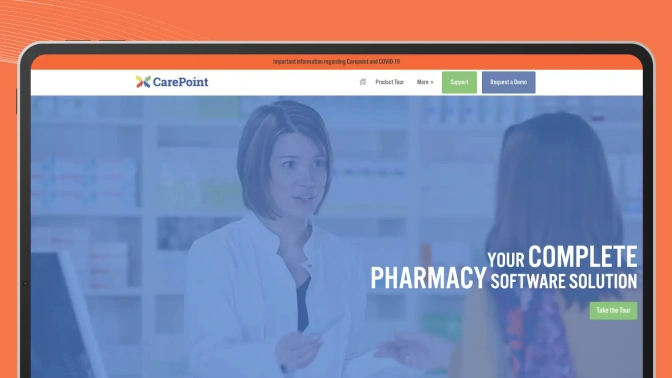
    CarePoint

    Carepoint is a solution dedicated to the pharmacy industry with a variety of tools needed to manage any pharmacy. This pharmacy management solution also offers integral support to manage dispensing, medication therapy, compounding support, A/R & reconciliation, and perpetual inventory.

    Read Case Study
    Droice Labs Droice Labs

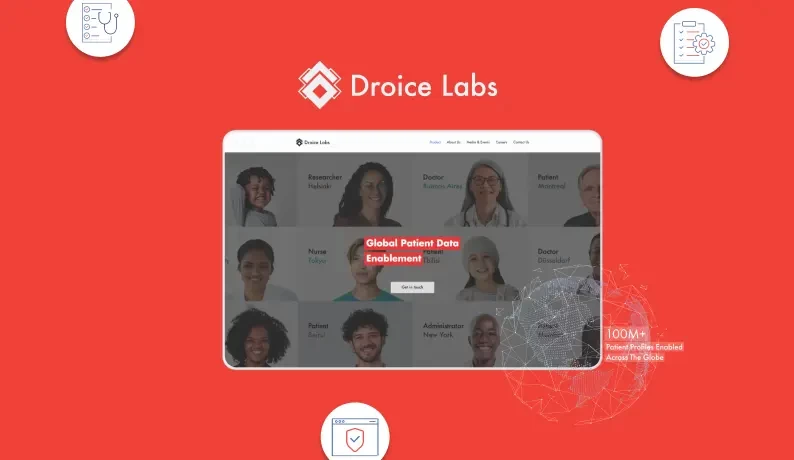
    Droice Labs

    Droice Labs is a middleware designed to transform messy, unstructured patient data into clean, analysis-ready formats for clinical trials.

    Read Case Study
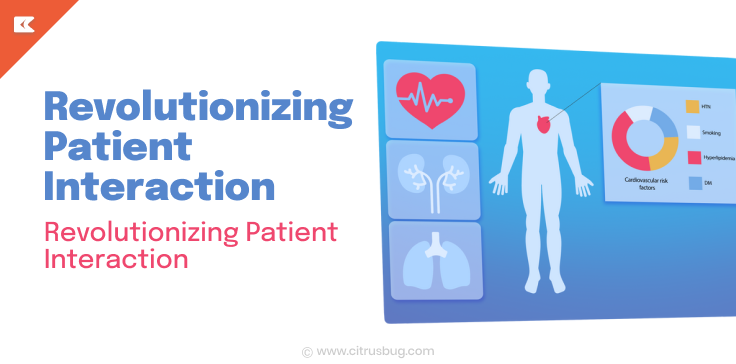
    Custom NLP Solutions for Healthcare: Revolutionizing Patient Interaction
    Custom NLP Solutions for Healthcare: Revolutionizing Patient Interaction Artificial Intelligence

    Custom NLP Solutions for Healthcare: Revolutionizing Patient Interaction

    The healthcare sector is changing quickly in order to streamline and expedite operations. People have noticed significant changes in the healthcare industry since NLP was introduced. AI software development makes…

    Read Article →
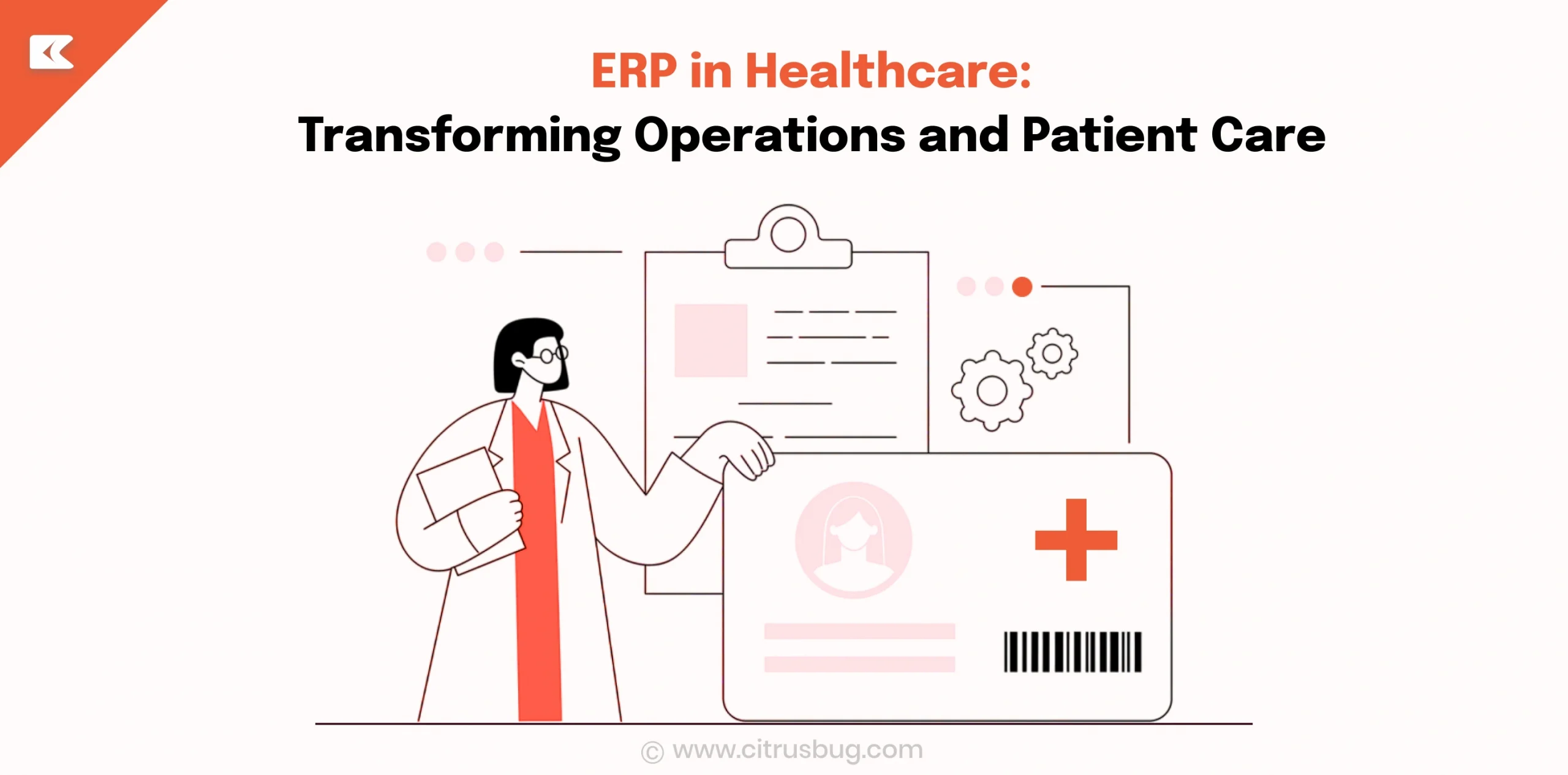
    ERP in Healthcare: Transforming Operations and Patient Care in 2026
    ERP in Healthcare: Transforming Operations and Patient Care in 2026 Custom Software Development

    ERP in Healthcare: Transforming Operations and Patient Care in 2026

    Operational efficiency and patient-centric healthcare are not optional in the modern healthcare environment. They are important for success and survival. In order to provide better patient experiences leveraged by effortless…

    Read Article →
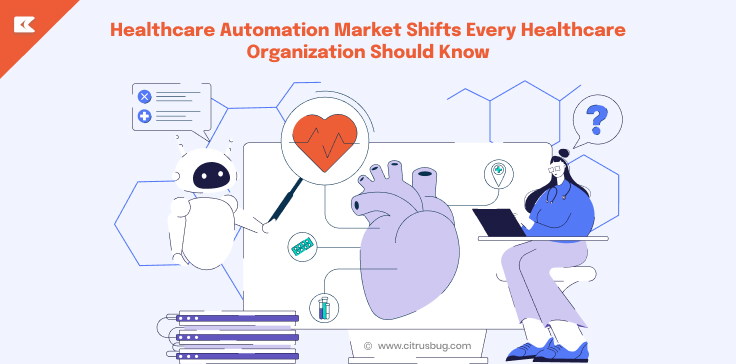
    Healthcare Automation Market Shifts Every Healthcare Organization Should Know
    Healthcare Automation Market Shifts Every Healthcare Organization Should Know Custom Software Development

    Healthcare Automation Market Shifts Every Healthcare Organization Should Know

    The healthcare automation market is undergoing rapid transformation as providers seek efficiency, accuracy, and scalability in an increasingly complex healthcare landscape. It’s no longer just forms that are being digitized…

    Read Article →

    Frequently Asked Questions

    How long does a validated pharma platform take to build and approve for use?

    Most projects complete in 4 to 9 months. A focused module like an adverse event intake system can ship in around 3 months; enterprise platforms with multi-system integration take longer.

    Do you provide IQ/OQ/PQ documentation as part of the engagement?

    Yes. We produce complete Installation, Operational, and Performance Qualification protocols scaled to system risk under GAMP 5 and current CSA guidance, ready for your QA sign-off.

    Can the platform integrate with Veeva Vault or Oracle Clinical One without custom middleware?

    We build native integration layers for both platforms, along with SAP, LIMS systems, and MedDRA dictionaries, avoiding fragile middleware that breaks on vendor updates.

    What happens if a regulatory requirement changes mid-build?

    Our change control process documents the impact assessment and triggers re-validation only where genuinely required, so a regulatory shift doesn't force a full project restart.

    How do you handle DSCSA serialization data exchange requirements?

    We build EPCIS-based unit-level traceability with verification router network connectivity and documented exception handling workflows aligned to 2026 enforcement requirements.

    Is the audit trail tamper-evident and ready for FDA inspection on day one?

    Yes. Every record change is computer-generated, time-stamped, and immutable from the first production deployment, with a documented review schedule built into the system.

    What does the engagement cost and how is the estimate built?

    Cost depends on regulatory scope, system integrations, and validation requirements. We provide a transparent estimate after a no-charge discovery session, not a generic price range upfront.

    Do you support both FDA and EMA dual-jurisdiction requirements?

    Yes. We build systems that satisfy 21 CFR Part 11 and EU Annex 11 independently rather than treating one as a subset of the other, since the requirements diverge.

    Let's Build Your Next Pharma Platform

    Engineered for the compliance and operational demands of your business, from clinical trials through commercialization.