

Custom Healthcare Software for the German Market
Healthcare Software Development Company in Germany
Looking for a healthcare software development company in Germany that builds to gematik specifications? Citrusbug develops clinical apps, DiGA products, and KIS integrations for healthtech teams, hospitals, and MVZ groups, connected to ePA, KIM, and E-Rezept and hosted on a C5-attested EU cloud.
500+
Projects Delivered
98%
Client Retention
Certified
 ISO 27001
 SOC 2
 HIPAA
 GDPR-aligned
Trusted By Industry Leaders








Certifications and Accreditations
Regulatory Requirements for Healthcare Software in Germany
German healthcare software must account for ePA, TI connectivity, interoperability, cloud security, medical-device rules, data protection, and AI regulations. Requirements vary by product type, intended use, data processed, and healthcare setting.
ePA and TI Integration
Software connecting to the electronic patient record must follow applicable gematik specifications, authorization requirements, and TI access mechanisms for secure exchange of patient and clinical data.
Cloud and § 393 SGB V
Healthcare and social data processed through cloud services must meet applicable German hosting, establishment, security, and certification requirements under § 393 SGB V.
ISiK and FHIR
Hospital software integrations should account for applicable ISiK specifications, using FHIR-based resources and REST APIs to support structured data exchange with hospital information systems.
DiGA and BfArM Requirements
DiGA products must meet applicable medical-device and BfArM requirements, including security requirements under BSI TR-03161 and the technical conditions for directory listing.
GDPR and Data Protection
Health data falls under GDPR special-category protections. Depending on the processing, projects may also require DPIAs, data processing agreements, access controls, audit trails, and other safeguards.
NIS2 and Cybersecurity
Larger healthcare organisations and MVZs may fall within German NIS2 requirements, creating additional obligations around cybersecurity governance, risk management, incident reporting, and organisational controls.
EU AI Act
AI-enabled healthcare software may face additional requirements based on its intended purpose and risk classification, particularly where AI functions are used in clinical or regulated medical-device contexts.
Healthcare Software Development Services in Germany
Choosing a healthcare software development company in Germany comes down to whether each service is scoped against the rules that apply to it. Ours are, from gematik specifications to BfArM listing requirements, so the build plan already reflects what auditors and integration partners will ask.
DiGA Development for BfArM Submission
DiGA products built around applicable medical-device, BfArM, data-protection, and security requirements, including ePA integration, consent flows, activation codes, audit logging, and BSI TR-03161 requirements where applicable.
ePA and TI Integration for PVS and KIS
ePA, KIM, and E-Rezept workflows integrated into practice and hospital systems using applicable gematik specifications and the appropriate TI access architecture, including compatible TI-Gateway services where required.
ISiK-Conformant Hospital Interfaces
Hospital interfaces built around FHIR, REST, HL7 v2, and DICOM where required, with applicable ISiK specifications incorporated into KIS integration projects for structured exchange between clinical systems.
Telehealth Platforms for Healthcare Providers
Through telehealth platform development, scheduling, video consultation, secure messaging, and document workflows connect with practice systems while accounting for applicable German telehealth requirements.
Clinical Workflow Applications for Kliniken and MVZ
Role-based applications for ward rounds, nursing documentation, discharge planning, and care coordination, with offline support, audit trails, and integration with existing hospital systems and clinical workflows.
Healthcare Data Platforms and Research Pipelines
Pseudonymisation workflows, FHIR-based data platforms, research pipelines, and reporting dashboards designed around GDPR health-data requirements and applicable German rules for secondary use and approved research.
Clinical AI and Generative AI Features
Clinical AI features for documentation assistance, coding support, discharge-letter drafting, and patient-message triage, with human review, traceability, and controls aligned with the system’s applicable AI risk classification.
Legacy Modernization and Cloud Migration
Legacy healthcare systems modernized in stages, introducing services and modern interfaces while keeping existing workflows operational and accounting for applicable §393 SGB V and cloud-security requirements.
Planning a Healthcare Software Build in Germany?
Share your product, existing systems, and integration needs. We'll identify the relevant German healthcare requirements, technical dependencies, and delivery plan.
Book a Scoping CallWho Our Healthcare Software Developers Work With
From early-stage startups to multi-site hospital groups, these teams bring us projects where German integration rules shape the architecture.
DiGA manufacturers preparing BfArM listing
Healthtech startups building PVS add-ons
Hospitals and Klinikverbünde extending their KIS
MVZ and practice groups automating admin
Home care and Pflege service providers
Device makers adding companion apps
German Healthcare Cloud and Hosting Requirements
Cloud architecture for German healthcare software needs to account for data location, security controls, access management, and applicable requirements.
- C5-attested cloud environments
- EU-based data storage
- Customer-managed encryption keys
- Pseudonymised analytics data
- Audit-ready activity logs
- On-premise hospital deployments
How Citrusbug Builds TI-Ready Healthcare Integrations
Integration architecture comes before the user interface. For German healthcare projects, the integration layer is designed around the applicable FHIR profiles, gematik specifications, and existing hospital or practice systems before application workflows are built.
Profile-Validated FHIR Services
FHIR resources are modelled against the relevant German base, KBV, or ISiK profiles and validated during development to identify structural and terminology issues before partner-system testing.
ePA, KIM, and E-Rezept Adapters
Separate integration components handle applicable ePA, KIM, and E-Rezept workflows, with interfaces aligned to the specifications and TI access architecture relevant to the project.
HL7 v2 and KIS Integration
Existing hospital feeds using HL7 v2 can be connected to modern FHIR services through versioned mappings, transformation logic, validation, and error-handling workflows.
Conformance and Test Evidence
Releases include interface specifications, validation results, test records, and implementation documentation that can support partner reviews, hospital IT assessments, and applicable certification or conformity processes.
Healthcare Projects
View All Case Studies →
Healthcare Software Projects Delivered by Citrusbug
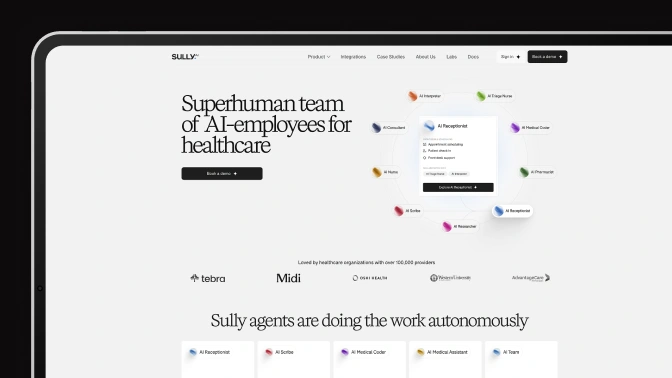
Sully AI
View Case Study →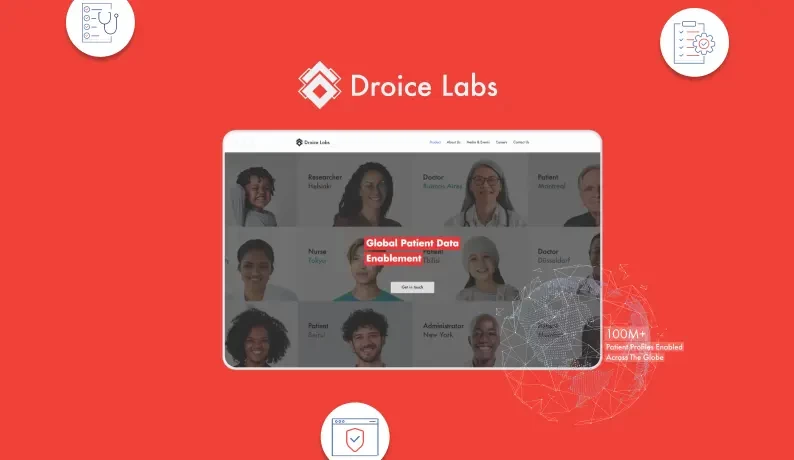
Droice Labs
AI-based personal health monitoring and preventive care platform designed to transform diverse clinical and patient data into actionable insights.
View Case Study →Client Testimonials (We're Rated 4.7 on Clutch)
THE PROJECT
Web & AI Development for Education Company
AI Development, Custom Software Development
Nov. 2024 - Ongoing
THE REVIEW
Their agile way of working, competence, and friendliness are impressive.December 7, 2024
PROJECT SUMMARY:
Citrusbug Technolabs handles a data extraction project for an education company. They're also responsible for managing an AI generation project for the client.
FEEDBACK SUMMARY:
Citrusbug Technolabs has laid out and followed a clear project outline and consistently met deadlines. The team communicates well and demonstrates a strong understanding of the client's vision and goals. Their agile approach, high level of competence, and personable approach stand out.
THE REVIEWER
 Read More
 Read More
THE PROJECT
Custom Automated System Dev for Veteran Medical Co
Generative AI, Application Testing, Custom Software Development
Aug. - Oct. 2024
THE REVIEW
Their communication and ability to capture exactly what I was asking for were impressive.November 14, 2024
PROJECT SUMMARY:
Citrusbug Technolabs built an automated system for a veteran medical company. The system needed to collect and store user data, generate customized letters based on surveys, and use AI to summarize reviews.
FEEDBACK SUMMARY:
Citrusbug Technolabs delivered a functional automated system that successfully organized the client's records and auto-generated statements. The team was quick to respond, addressed all roadblocks, and communicated effectively. Overall, their ability to understand the client's needs stood out.
THE REVIEWER
Read More
Read More
THE PROJECT
MVP Development for Freight & Capacity Marketplace
Custom Software Development
$10,000 to $49,999
Jan. 2024 - Feb. 2025
THE REVIEW
They were very calm and talented, and they did bring some of their own ideas.January 28, 2025
PROJECT SUMMARY:
Citrusbug Technolabs has developed an MVP for a freight and capacity marketplace. The team has created three different interfaces for three market segments.
FEEDBACK SUMMARY:
Citrusbug Technolabs has successfully developed an effective MVP. The team has delivered the project on time and almost within budget. Moreover, their responses have been timely. Overall, the team has been calm, talented, and innovative. This has led to the client's satisfaction.
THE REVIEWER
Read More
Read More
THE PROJECT
Web & Mobile App Development for Education Company
Custom Software Development, DevOps Managed Services
$10,000 to $49,999
THE REVIEW
What stood out most about them was their personalized approach and sense of ownership in every aspect of the project."February 27, 2024
PROJECT SUMMARY:
Citrusbug Technolabs built a Flutter cross-platform mobile app for an education company. They also developed two web apps and an admin panel and provided DevOps support for the client's infrastructure.
FEEDBACK SUMMARY:
Citrusbug Technolabs' support successfully boosted the client's user engagement by 8x, resulting in an 85% retention rate. The reliable team demonstrated a dedication to delivering on time and promptly responding to concerns and adjustments. Their personalized, client-centric approach stood out.
THE REVIEWER
Read More
Read More
THE PROJECT
Mobile App Development for Healthcare Company
Custom Software Development Mobile App Development UX/UI Design
$10,000 to $49,999
June 2023 - Jan. 2024
THE REVIEW
They didn't like the phrase "impossible to do", which made them very solution-oriented.February 19, 2024
PROJECT SUMMARY:
A healthcare company hired Citrusbug Technolabs to design and develop a user-friendly application. The team provided tailored assistance to meet the client's requirements.
FEEDBACK SUMMARY:
Citrusbug Technolabs successfully delivered an application that was ready for market. The team was highly professional and well-organized; they stayed focused throughout the engagement and were receptive to changes. Overall, they stood out for their trustworthiness and commitment to excellence.
THE REVIEWER
Read More
Read More
THE PROJECT
Custom Web App Dev & Design for Financial Technology Firm
Mobile App Development UX/UI Design Web Design
Sep. 2023 - Ongoing
THE REVIEW
They're 100% on time and transparent throughout each stage of the project.February 24, 2024
PROJECT SUMMARY:
A financial technology company has hired Citrusbug Technolabs to build a custom web application. The team handles the development and design of the app.
FEEDBACK SUMMARY:
The project is ongoing, but the client has been satisfied with Citrusbug Technolabs' services. The team is very professional — they always respect timelines and provide regular updates to ensure everyone's on the same page. Also, their transparent approach makes them a trustworthy partner.
THE REVIEWER
Read More
Read More
THE PROJECT
Staff Augmentation for Singaporean Development Company
Mobile App Development
$10,000 to $49,999
THE REVIEW
"I do believe they are exceptional at where they stand."
PROJECT SUMMARY:
Citrusbug Technolabs took on a mobile app development project for a Singapore-based development house. They were provided with UX designs to execute. Currently, they're finalizing and fine-tuning the product.
FEEDBACK SUMMARY:
Citrusbug Technolabs contributed to the successful launch of the product, which has garnered over 10,000 users in just three months. The product has also received support from investors. They consistently followed-up with their progress and delivered at a speedy rate. The team is truly stellar.
THE REVIEWER
Read More
Read More
Clinical AI for German Hospital Workflows
Documentation, coding, and patient communication can create significant administrative workload during clinical shifts. AI can support these workflows when outputs remain reviewable, traceable, and aligned with the system's intended purpose and applicable regulatory requirements.
Discharge Letter Drafting
LLM-assisted drafting can turn structured KIS data and clinical notes into a preliminary Arztbrief. Physicians review, edit, and approve the final document before it becomes part of the clinical record.
Coding Assistance for ICD-10-GM and OPS
Coding suggestions can surface potential ICD-10-GM and OPS codes alongside supporting documentation. Coders review each suggestion before acceptance, keeping final coding decisions with qualified staff.
German Patient Message Triage
Portal and email messages can be classified by topic and urgency before routing them to the appropriate team. Healthcare AI consulting helps assess the workflow, intended purpose, data handling, and applicable AI Act requirements.
How We Deliver German Healthcare Software Project
Any healthcare software development company in Germany has to settle integration and hosting decisions early. We put them at the front of the plan, so clinical teams see a working system on a predictable schedule.
01
Regulatory and Integration Discovery
Users, data flows, and external systems are mapped from the KIS or PVS to applicable TI services and third-party dependencies.
02
Architecture and Compliance Planning
Hosting, tenancy, access controls, encryption, and logging are defined alongside the application architecture.
03
Integration Layer First
Applicable FHIR services, interface mappings, and TI integrations are developed and validated before dependent application features.
04
Feature Sprints and Clinical Feedback
Working features are delivered through short development cycles with regular demos and progress updates. Clinical stakeholders review changes as they land.
05
Validation and Staged Go-Live
Release candidates move through security testing, integration validation, and user acceptance before deployment. Rollout proceeds in stages.
06
Post-Launch Support and Updates
L1, L2, and L3 support options cover monitoring, incident response, maintenance, and applicable specification updates.
What Determines Healthcare Software Development Cost in Germany
There is no single price for a German healthcare software project. Integration requirements, regulatory scope, security architecture, product complexity, and AI requirements can all change the development effort.These factors shape the development effort and overall budget when choosing a healthcare software development company in Germany.
Integration and Interoperability
Connecting a product to existing healthcare systems can add substantial development and testing effort. The number and type of integrations matter, as do the standards, APIs, partner environments, and data mappings involved.
- ‣ ePA, KIM, or E-Rezept workflows
- ‣ KIS, PVS, LIS, RIS, or PACS
- ‣ HL7 v2, FHIR, or DICOM interfaces
- ‣ Third-party API and sandbox testing
Regulatory and Security Requirements
Regulatory scope affects documentation, testing, risk management, and validation effort. A general healthtech application and medical-device software do not carry the same development requirements.
- ‣ Applicable MDR classification
- ‣ DiGA and BfArM requirements
- ‣ BSI TR-03161 requirements where applicable
- ‣ Security testing and technical documentation
Hosting and Data Architecture
Healthcare data requires careful decisions around hosting, access, encryption, logging, and data processing. The required architecture depends on the type of data, deployment model, integrations, and applicable German requirements.
- ‣ Cloud or on-premises deployment
- ‣ Data location and cloud provider
- ‣ Encryption and key management
- ‣ Access controls and audit logging
Product Scope and AI Features
The number of workflows, user roles, platforms, languages, and AI capabilities can significantly change the build effort. AI features also require evaluation, human review, monitoring, and ongoing model management.
- ‣ Number of clinical workflows
- ‣ User roles and permissions
- ‣ Web, mobile, or offline support
- ‣ AI evaluation and monitoring
How Much Does It Cost to Develop Healthcare Software in Germany?
Focused apps and single integrations typically cost €40k to €150k. Multi-site clinical platforms with ePA, ISiK and MDR scope run €250k to €600k or more. Share your requirements for a scoped estimate.
Engagement Options
Ways to Start a Healthcare Software Project With Citrusbug
Integration Gap Assessment
FIXED SCOPE, FAST ANSWERS
- Review of architecture and hosting
- ePA, ISiK and KIM readiness check
- § 393 SGB V hosting gap list
- Prioritised remediation backlog
- Delivered on a Fixed-Price model
MVP or Module Build
ONE PRODUCT, CLEAR SCOPE
- Discovery, wireframes and user stories
- DiGA MVP or single TI module
- Fixed-Price or Time and Material
- Full source code ownership
- Free maintenance period
Dedicated Product Team
LONG-RUNNING ROADMAPS
- Senior engineers, QA and PM
- Works inside your sprint cadence
- Paced to gematik release cycles
- Dedicated Team model
- L1 to L3 SLA support
What Sets Us Apart
Why Choose Citrusbug as Your Healthcare Software Development Company?
Integration Layer First
FHIR services and TI adapters are built and profile-validated before screens, so ePA and ISiK changes land in one place and releases hold their schedule.
EU Hosting by Design
Every architecture starts in C5-attested EU regions with customer-managed keys, which gives your data protection officer DPIA inputs from the first week.
Discovery Before Code
Requirements, user stories, wireframes and an interface inventory are agreed before development starts, keeping estimates honest and later change requests small.
Code You Own
An NDA from the first call and full source code ownership at delivery, including FHIR mappings, test suites and the validation evidence auditors request.
Health IT Insights
Insights on Healthcare Software and AI
View All Articles →
 Artificial Intelligence
Conversational AI in Healthcare Market Statistics and Trends 2026
Healthcare now treats intelligent conversations as a core part of digital care, not a side feature. Virtual assistants, triage bots, and voice interfaces guide patients, support staff, and assist clinicians…
Read Article → Artificial Intelligence
Different Types of AI in Healthcare: Technologies, Use Cases & Benefits
Artificial Intelligence (AI) is rapidly changing how healthcare is delivered and managed. From enhancing diagnostic accuracy to automating time-consuming administrative tasks, AI technologies are increasingly being woven into the fabric…
Read Article → Application Development
Where AI Actually Fits in Healthcare Operations (and Where It’s Still Overhyped)
Most healthcare operations teams don’t need an AI system that runs the hospital. They need one that predicts which claim is about to get denied, flags a scheduling gap before…
Read Article →FAQs About Hiring a Healthcare Software Development Company in Germany
Which regulations apply to healthcare software in Germany?

Depending on the product and its use, requirements can include GDPR, the EU MDR, ePA and TI specifications, § 393 SGB V, ISiK, DiGA requirements, and applicable NIS2 or EU AI Act obligations.
Can you build software that connects to the German telematics infrastructure?
Yes. We build ePA, KIM and E-Rezept modules to gematik specifications and connect them through your TI-Gateway or connector provider. Gematik approval processes are factored into the delivery timeline.
Where will our patient data be hosted?
Hosting is selected based on the data involved, deployment model, and applicable German requirements. For workloads covered by § 393 SGB V, applicable hosting, establishment, and certification requirements apply.
Do you help with DiGA development and BfArM listing?
We build the DiGA software, data-processing workflows, ePA integration where applicable, security controls, and technical documentation for the relevant BfArM submission.
How long does a healthcare software project in Germany take?
Discovery and design usually take 4 to 8 weeks, with a first production release in 12 to 20 weeks. Integration count and MDR class move that range the most.
How much does healthcare software development cost in Germany?
Focused apps and single integrations typically land between €40k and €150k. Multi-site clinical platforms with ePA, ISiK and MDR scope run €250k to €600k or more. Discovery produces a scoped estimate for your build.
Can you work alongside our in-house team and existing vendors?
Yes. We join your sprint cadence, repositories and CI/CD, agree interface contracts with your KIS or PVS vendor, and send daily written updates so your team always knows the current state.
Who owns the source code and documentation?
You do. Every engagement runs under NDA, and full source code, FHIR mappings, test suites and validation reports transfer to you at delivery.
What support do you provide after launch?
L1, L2 and L3 SLA options cover monitoring, incident response, security patching and gematik specification updates, so ePA or ISiK version changes are handled on schedule.