

















Let’s Talk
Clinical Systems Engineering

Clinical Software Development Built Around Real Clinical Workflows

Most clinical software gets designed around feature lists instead of the way clinicians actually work, which is why adoption stalls after go-live. We build clinical applications around your order sets, documentation flows, and care team handoffs, then connect them to your EHR, lab, and imaging systems without forcing a workflow change nobody asked for.

Illustration
500+
Projects Delivered
98%
Client Retention

HIPAA HIPAA
SOC 2 SOC 2
ISO 13485 ISO 13485

Trusted by industry leaders

Bosch
Deloitte
eClinicalWorks
Epic Systems
Flipkart
McKinsey
HSBC
Softbank
Allianz
Airbnb
United Health
Phelic
Sun Pharma
Target
US Foods
Advinow

Certifications and Accreditations

What Goes Into Clinical Software Built for Everyday Use

Clinical software succeeds or fails on the details clinicians touch every shift. These are the capabilities we build into every clinical engagement.

Clinical Workflow Engineering

We map order sets, documentation templates, and care pathways against how your clinical staff actually move through a shift, then build the software around that path instead of a generic module.

Clinical Decision Support

Dosing checks, risk scoring, and evidence-based alerts tuned against your actual override rates, so clinicians trust the alerts that fire instead of dismissing them out of alert fatigue.

EHR and Lab Interoperability

HL7 v2. x and FHIR R4B integration with Epic Hyperdrive, Oracle Health, lab interface engines, and imaging systems, so clinical data moves between systems without manual re-entry.

Compliance Ready Architecture

Audit trails, role-based access control, and encryption in transit and at rest are built in from day one, aligned to HIPAA and IEC 62304 rather than added after a security review flags them.

Why Off-the-Shelf Clinical Tools Stall at Go-Live

A configured EHR module or pre-built clinical platform looks complete in a demo. It breaks down once real clinicians start using it against real patient volume. Order sets do not match specialty protocols. Alerts fire so often that staff clicks through them without reading. Clinicians build workaround spreadsheets because the software does not match how a handoff actually happens on their unit.

These gaps do not show up as bugs. They show up as low adoption, six months after launch, when leadership asks why the new system is not being used the way it was supposed to be.

Building or Replacing a Clinical System

Tell us what your current setup is missing and we will map out what a purpose-built clinical system would change.

Schedule a Clinical Systems Review

Where Clinical Software Engineering Goes Deep

Order Set and Care Pathway Design

  • We build configurable order sets and care pathways mapped to your specialty protocols, so clinicians select from options that already match how your facility treats a given condition.

Clinical Documentation Tools

  • Structured and free-text documentation tools designed to cut clicks per note, with templates that adapt to specialty and visit type instead of one generic form for every encounter.

Medication and Dosing Safety Checks

  • Dosing range checks, interaction warnings, and allergy cross-checks tuned against your formulary, reducing false-positive alerts that would otherwise get ignored during a busy shift.

Care Team Handoff and Task Routing

  • Task assignment and handoff tools that route work to the right role automatically, replacing the verbal handoffs and sticky notes that break down during shift changes.

Clinical Reporting and Quality Measures

  • Reporting modules built around the quality measures you actually report on, including the specific numerators and denominators your compliance team has to defend during an audit.

Patient Facing Result and Care Plan Views

  • Patient-facing views of lab results and care plans built with plain-language summaries, designed to reduce call-backs to clinical staff for information that patients can read themselves.

Interoperability That Holds Up Across Systems


Clinical software rarely runs alone. It has to exchange data with your EHR, your lab system, your imaging archive, and increasingly with outside health systems sending records through a state HIE. Each connection point is a place where data can arrive late, malformed, or silently dropped, and in a clinical setting, that is not a minor bug.

We design integration layers that surface failures instead of swallowing them, with monitoring that flags a dropped HL7 message before it becomes a missing result a clinician never sees.

ADT, ORM, and ORU message handling for admission, order, and result workflows with existing hospital systems.

RESTful FHIR resources for patient, encounter, and observation data, built to match USCDI requirements for certified health IT.

Image metadata and study retrieval connected to your PACS, keeping radiology and ordering clinicians on the same record.

Bi-directional lab order and result interfaces, with reconciliation logic for results that arrive out of sequence.

Standards We Build Against

Every clinical build is engineered against named, current standards rather than a general compliance promise.

  • FHIR R4B
  • HL7 v2.x
  • IEC 62304
  • ISO 13485
  • HIPAA

How We Deliver Clinical Software Without Disrupting Care

1

Clinical Workflow Discovery

We shadow or interview the clinicians who will use the system, mapping the actual order sets, documentation steps, and handoff points instead of relying on a requirements document written by someone who does not work the floor.

2

Technical and Compliance Design

We design the data model, integration points, and access controls together with your compliance lead, so HIPAA and IEC 62304 requirements are part of the architecture instead of a checklist applied at the end.

3

Build in Sprints With Clinician Feedback

We build in two-week increments and put working software in front of clinical staff at the end of each sprint, catching workflow mismatches while they are cheap to fix instead of after launch.

4

Compliance and Safety Testing

We run functional, integration, and security testing alongside a dedicated pass for clinical safety scenarios such as alert override behavior and failure states during a system outage.

5

Integration and Go-Live Support

We connect the system to your EHR, lab, and imaging environment, then provide hands-on go-live support so clinical staff have someone to call in the first weeks of real use.

6

Post-Launch Monitoring

We track adoption signals such as override rates and workaround patterns after launch, flagging workflow friction early instead of waiting for a formal review months later.

Clinical Software Across Care Settings

Hospitals and Health Systems

Hospitals and Health Systems

Multi-department clinical platforms that need to integrate with an existing EHR, support multiple specialties, and pass an enterprise security review before go-live.
Specialty Clinics

Specialty Clinics

Workflow-specific tools built around a single specialty's order sets and documentation patterns, sized for clinics that do not need full hospital-scale infrastructure.
Digital Health and SaMD Companies

Digital Health and SaMD Companies

Product-grade clinical software built to support a regulatory submission path, with the audit trail and version control a SaMD review expects to see.
Life Sciences and Diagnostics

Life Sciences and Diagnostics

Clinical data systems connected to lab and diagnostic workflows, built to handle structured clinical coding and high test volumes without losing traceability.

Clinical Software That Holds Up Under Audit

Compliance reviews catch what demos do not, so we build the audit trail and access controls into the architecture from the first sprint instead of retrofitting them before a review.

BAA signed with every client by default Role-based access control on every clinical module PHI encrypted in transit and at rest Audit-ready documentation maintained throughout the build
Request a Compliance Walkthrough

Choose the Right Engagement Model

Audit Only

A focused review of your current clinical software and integration setup, with findings you can act on internally or hand to us for the build.

  • Workflow and architecture review
  • Integration gap analysis
  • Compliance risk findings
  • Prioritized recommendations report

Audit Plus Build

A compliance and workflow audit followed directly by the build phase, useful when you already know something needs to change, but not exactly what.

  • Everything in Audit Only
  • Build scope and estimate
  • Sprint-based development
  • Go-live integration support

Full Ownership

End-to-end development from discovery through go-live and post-launch support, for teams that want a single partner accountable for the whole clinical system.

  • Discovery through go-live
  • Dedicated delivery team
  • Post-launch SLA support
  • Ongoing modernization roadmap

Already Running on a Legacy Clinical System

Migrating clinical data without losing history or breaking active care is a different problem than building new. We have taken over stalled clinical modernization projects mid-build.

Talk Through a Modernization Path

What Makes This Different

Clinical Input Shapes Every Sprint

Clinical Input Shapes Every Sprint

Most teams collect clinical requirements once and freeze them. We put working software in front of clinicians every two weeks, so workflow mismatches surface while they still cost an afternoon to fix, not a re-launch.

Built for the Integration You Already Run

Built for the Integration You Already Run

We name the systems we connect to instead of promising generic interoperability. Epic Hyperdrive, Oracle Health, and Azure Health Data Services are integration targets we have actually built against.

Experince Engineers on Every Clinical Build

Experince Engineers on Every Clinical Build

You see who is building your clinical system before you sign, not a generic team bio page. Clinical software carries enough risk that the build team should not be a surprise.

How Much Does Clinical Software Development Cost?

Clinical software typically ranges from $40,000 to $150,000+, depending on integration scope, decision support complexity, and compliance requirements. Tell us about your project for a tailored estimate.


    Your data and info stays secure. Read our Privacy Policy.


    Why Teams Choose Citrusbug for Clinical Builds

    Discovery before a single line of code
    NDA by default, full source code ownership
    Daily updates, zero communication gaps
    Cost-optimised cloud deployment for PHI workloads
    Post-launch L1/L2/L3 SLA support
    Discovery before a single line of code

    Client Testimonials (We're Rated 4.7 on Clutch)

    Healthcare Projects We've Delivered

    View All Case Studies →
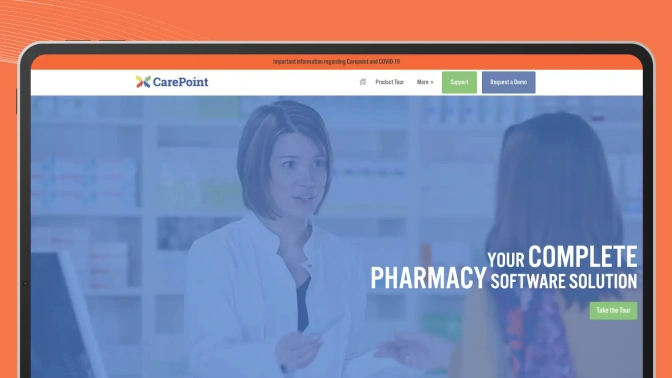
    Pharmacy CarePoint

    CarePoint

    CarePoint is a comprehensive pharmacy and clinical management solution developed by Citrusbug, centralizing inventory, patient prescriptions, dispensing workflows, and compliance reporting for multi-location healthcare operations.
    Read Case Study
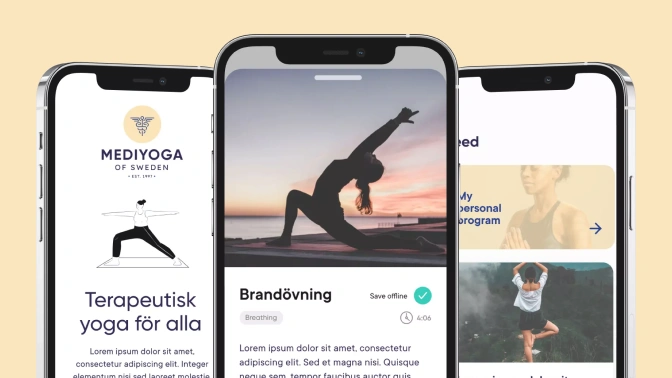
    Wellness Platform Mediyoga

    Mediyoga

    A state-of-the-art wellness and patient engagement platform built for Mediyoga, integrating guided care programs, health tracking, and provider-patient communication into a unified digital experience.

    Read Case Study
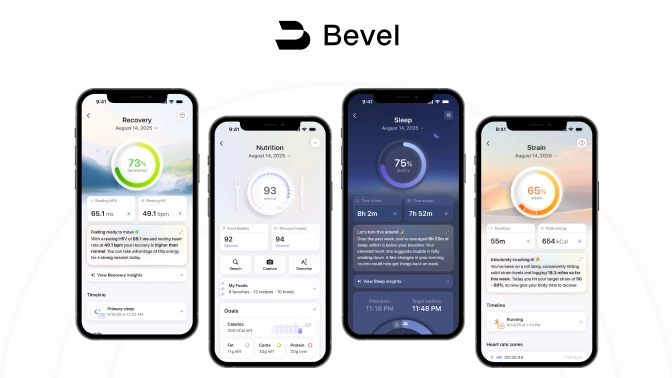
    Wellness App Bevel

    Bevel

    Bevel is a health intelligence platform that unifies wearable and lifestyle data to generate personalized metabolic and wellness insights.

    Read Case Study
    AI in Medical Diagnosis: Develop Cutting-Edge Software with Expert Teams
    AI in Medical Diagnosis: Develop Cutting-Edge Software with Expert Teams Artificial Intelligence

    AI in Medical Diagnosis: Develop Cutting-Edge Software with Expert Teams

    The healthcare sector is riding the wave of more advanced, data-driven modalities, and diagnostics is a part of the paradigm change. The integration of advanced technologies and AI-powered diagnostics means…

    Read Article →
    A Complete Guide to Digital Transformation in Healthcare
    A Complete Guide to Digital Transformation in Healthcare Artificial Intelligence

    A Complete Guide to Digital Transformation in Healthcare

    Digital transformation in healthcare is more than just a trending phrase. It is impacting every aspect of healthcare delivery, including how care is provided and managed. With the current pace…

    Read Article →
    A Complete Guide to Remote IoT Monitoring Solutions in Healthcare
    A Complete Guide to Remote IoT Monitoring Solutions in Healthcare Custom Software Development

    A Complete Guide to Remote IoT Monitoring Solutions in Healthcare

    In medical practice, information can save lives. Each day, hospitals and clinics are dealing with numerous patients, devices, and data. A remote IoT monitoring is a solution that links medical…

    Read Article →

    Frequently Asked Questions

    Does Citrusbug build software medical device (SaMD) products or only internal clinical tools?

    Both. We build internal clinical tools for hospitals and clinics, and we also support digital health companies building toward a SaMD regulatory submission path.

    How do you handle Epic or Oracle Health integration specifically?

    We work through their published FHIR and HL7 interfaces, including Epic Hyperdrive APIs and Oracle Health's integration layer, rather than relying on generic middleware that adds latency.

    What happens to our clinical data during a migration?

    We map your existing data model first, run a validated migration in a staging environment, and reconcile record counts before cutover so nothing gets dropped silently.

    Do you sign a BAA before development starts?

    Yes. A signed Business Associate Agreement is standard before any PHI touches our environment, not something negotiated after the project is already underway.

    How long does a clinical decision support module typically take?

    Most clinical decision support modules take 8 to 14 weeks, depending on the number of rules, integrations, and how much clinical validation testing the rollout requires.

    Can you take over a clinical software project that has stalled with another vendor?

    Yes. We have picked up unfinished clinical builds mid-project, starting with a technical and compliance audit before committing to a delivery plan.

    What does post go-live support actually include?

    L1 through L3 support options covering bug fixes, integration monitoring, and workflow adjustments based on real adoption data, not just a ticket queue.

    How do you test for clinical safety, not just software bugs?

    We run dedicated test scenarios for alert override behavior, failure states during system outages, and data accuracy under high concurrent load, separate from standard functional QA.

    Ready to Build Clinical Software Your Team Will Actually Use

    Tell us what your current system gets wrong, and we'll show you what changes.