















Let’s Talk

RPA Services for Healthcare That Cut Manual Work Without Breaking Compliance

Most healthcare RPA pilots stall because the bot was built to move data, not handle the exceptions that show up the moment claims get denied, or a field comes back blank. We build bots with a human-in-the-loop layer from day one, so your claims, billing, and scheduling workflows run unattended until something genuinely needs a person.

RPA Services for Healthcare
500+
Projects Delivered
98%
Client Retention

Certified By

HIPAA Compliant HIPAA Compliant
HL7 / FHIR Compatible HL7 / FHIR Compatible
SOC 2 Type II SOC 2 Type II

Trusted Software Development Company By

Certifications and Accreditations

Why Manual Healthcare Operations Stop Scaling

Claims teams that handle 200 denials a week can usually absorb the manual rework. At 2,000 a week, the same process buries staff in re-entry and the days in AR start climbing. Most healthcare organizations hit this wall not because their team is slow, but because the workflow was never designed to scale past a certain claim volume.

The gap shows up first in prior authorization, where payer portals, EHR fields, and fax-based documentation rarely talk to each other. Every manual handoff between those systems is a place where a clean claim turns into a denied one.

What Our Healthcare RPA Bots Actually Automate

Each bot is scoped to one workflow first, tested against real claim and patient data, and expanded only once it's proven stable in production.

Claims and Denial Management

Bots extract CPT and ICD-10 codes from intake documents, validate them against payer rules before submission, and route denials to the right staff queue with the denial reason already classified. This shortens the reimbursement cycle instead of just digitizing the paperwork.

Prior Authorization Processing

Bots pull patient history and policy rules from the EHR, populate PA forms, submit them through payer portals, and track approval status so staff stop refreshing portals manually, waiting on a decision.

Patient Scheduling and Onboarding

Bots handle appointment booking, reminder sequencing, and intake form data entry into the EHR, reducing no-shows and freeing front-desk staff from repetitive scheduling calls.

Revenue Cycle Data Entry

Bots reconcile remittance data against billed amounts, flag mismatches before they become write-offs, and keep patient accounting systems updated without nightly batch delays.

Not Sure Which Workflow to Automate First?

We'll map your current process and tell you honestly whether RPA is the right fit before you spend on a build.

Book a 30-Minute Workflow Review

Built Around the Standards Healthcare Actually Runs On

Our bots integrate through HL7/FHIR-compliant interfaces and respect existing access control policies, so automation never becomes the weak point in your compliance posture.

HIPAA

HL7/FHIR R4B

SOC 2 Type II

CMS-0057-F

Integration Capabilities for Healthcare RPA


Most healthcare organizations run on a patchwork of systems that were never built to share data, an EHR from one vendor, a billing platform from another, and payer portals that only expose data through a browser interface, not an API. RPA closes that gap without forcing you into a system replacement.

Our bots are built to interact with whichever interface a system actually exposes, screen-level automation where no API exists, and direct API calls where one does, so the rollout doesn't depend on your vendor shipping new integration points.

Connects with Epic, Cerner, Athenahealth, and Oracle Health to read and write patient data without disrupting existing user workflows.

Syncs claim status, remittance data, and patient balances across billing software and payer portals in near real time.

Submits and tracks prior authorization and eligibility requests directly through payer-facing web portals using prior authorization workflows built for the CMS-0057-F API shift.

Pulls structured data from intake forms, faxes, and scanned referrals into downstream systems automatically.

How Much Does It Cost to Develop RPA Solutions for Healthcare?

Healthcare RPA builds typically range from $15,000 for a single-process pilot to $200,000 or more for enterprise-wide automation programs, depending on integration complexity and compliance scope. Share your workflow details and we'll give you a realistic estimate.


    Your data and info stays secure. Read our Privacy Policy.


    Why This Approach Reduces Denials, Not Just Workload

    Bots that only move data still fail when the data is wrong. Ours are built to catch the failure before it becomes a denied claim.

    • Check Icon

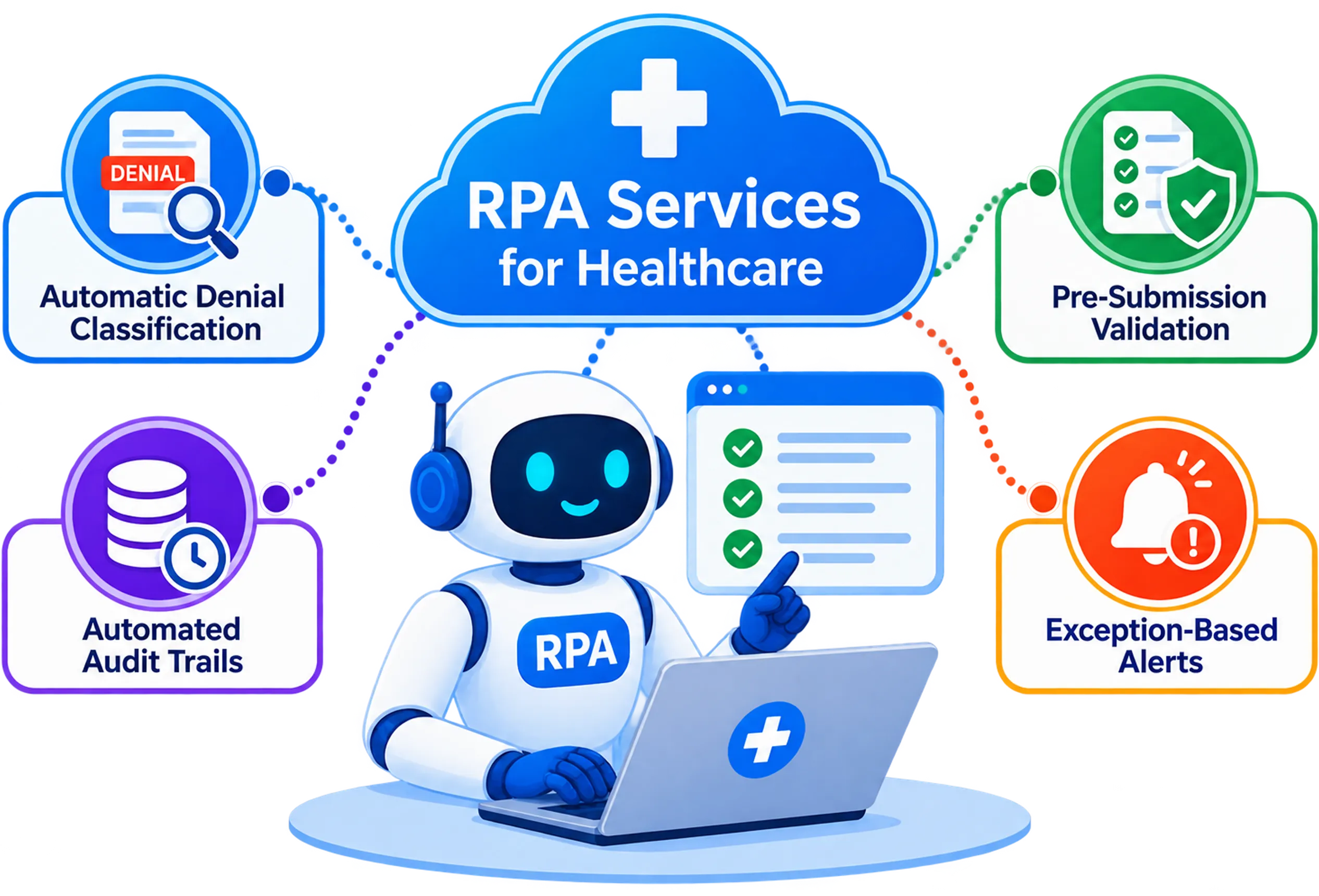
      Denial reasons are classified automatically, so rework starts with context instead of a blank investigation.

    • Check Icon

      Missing-field detection happens before submission, not after a payer rejects the claim.

    • Check Icon

      Every automated step writes to an audit trail, keeping denial-rate reporting accurate without manual logging.

    • Check Icon

      Bots flag exceptions to staff instead of silently failing, so nothing disappears into a queue no one checks.

    Built for the Post-CMS-0057-F Prior Authorization Landscape

    CMS's interoperability and prior authorization final rule now requires payer decisions to flow through standardized APIs rather than fax or portal-only submissions, which changes how PA bots need to be architected starting in 2026. We design prior auth automation around this API-first requirement instead of building on top of workflows that will need to be rebuilt within a year.

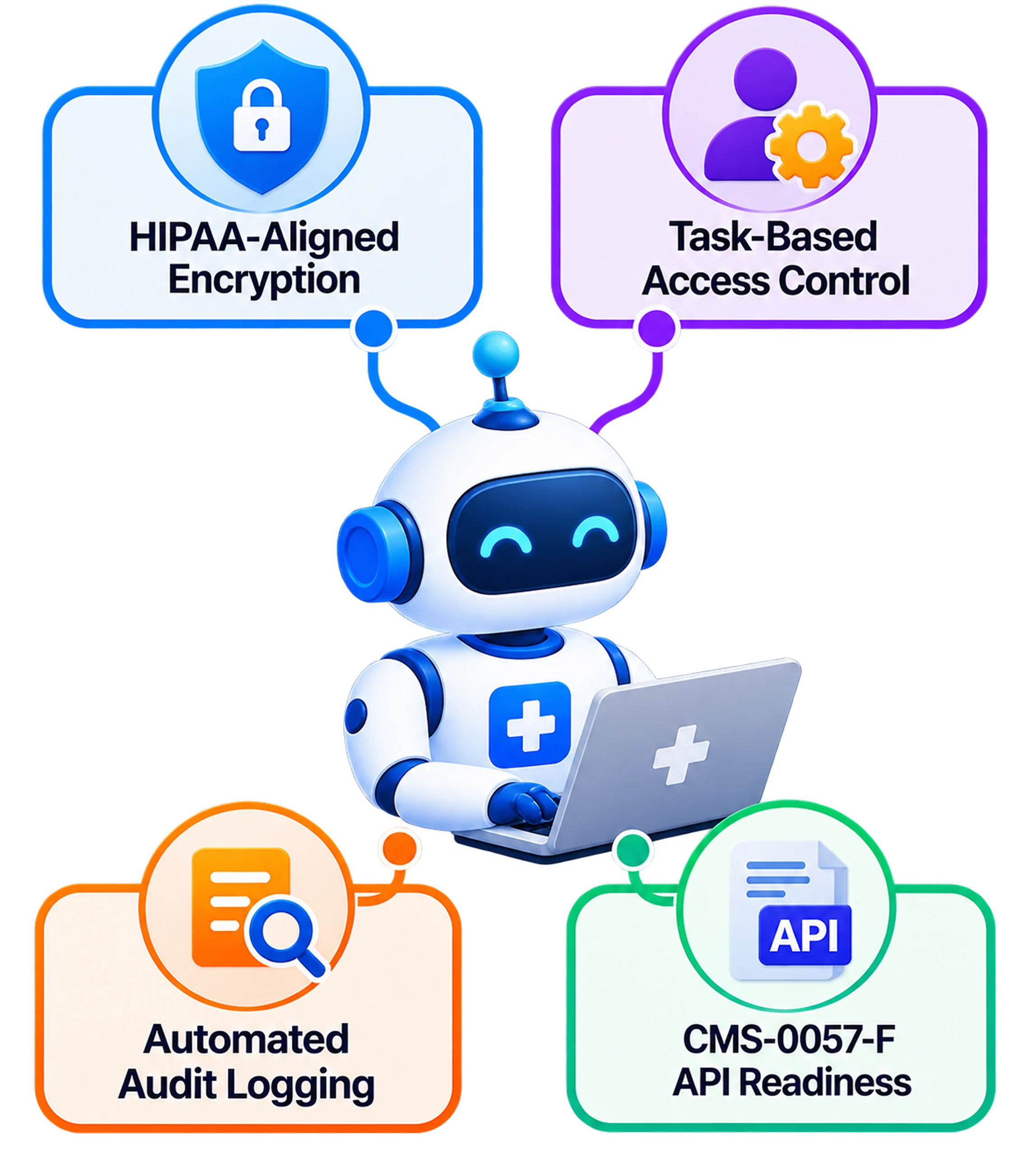
    icon HIPAA-aligned encryption at rest and in transit for all automated data movement icon Role-based access control scoped to each bot's specific task, not blanket system access icon Full audit logging for every automated transaction, available for compliance review icon CMS-0057-F-ready API integration paths for prior authorization and eligibility checks
    Our Healthcare RPA Delivery Process

    1

    Discover

    We map your current workflow end-to-end, including the exceptions and edge cases your staff currently handle manually, before deciding whether RPA is the right tool. Some processes need a different fix entirely, and we'll tell you if that's the case rather than building a bot anyway.

    2

    Design

    We design the bot's logic around your actual EHR and billing setup, not a generic template, defining exactly which exceptions route to a human and which run unattended. Compliance requirements are mapped into the design before a single line of automation logic gets built.

    3

    Build

    Our team builds the bot using current RPA tooling paired with AI-based document understanding for unstructured inputs like scanned referrals or handwritten intake forms. Each bot is built to handle one or more connected tasks, never a single rigid script that breaks the moment a form layout changes.

    4

    Test

    We run the bot against historical claim and patient data before it ever touches a live system, validating accuracy against your actual denial patterns rather than a generic test set. Any gap gets fixed here, not after deployment.

    5

    Deploy and Optimize

    We deploy with monitoring in place from day one and tune the bot's exception thresholds based on real production behavior over the following weeks. Most bots need two or three rounds of tuning before the exception rate settles where it should be.

    Why Healthcare Teams Choose Citrusbug for RPA

    Compliance-First Architecture

    Compliance-First Architecture

    Every bot is designed with HIPAA and audit-trail requirements built into the logic itself, not added as a compliance checklist after the build is finished.

    Exception-Aware Bots

    Exception-Aware Bots

    We design for the failure cases, not just the happy path, so denial classification and missing-field detection are part of the bot's core logic from day one.

    EHR-Native Integration

    EHR-Native Integration

    Our teams have built directly against Epic, Cerner, and Athenahealth interfaces, so integration timelines reflect real experience instead of optimistic estimates.

    Source Code Ownership

    Source Code Ownership

    You own the full bot logic and source code at delivery, with no dependency on us for future changes or scaling.

    Client Testimonials (We're Rated 4.7 on Clutch)

    Our Latest Insights on Healthcare & Technology

    Visit Our Blog
    RPA Statistics: Market Size, Growth Trends, and Insights for 2026
    RPA Statistics: Market Size, Growth Trends, and Insights for 2026 Artificial Intelligence

    RPA Statistics: Market Size, Growth Trends, and Insights for 2026

    Robotic process automation has moved well beyond the pilot stage. Enterprises across industries are now deploying software bots at scale to handle repetitive, rule-based tasks that once consumed thousands of…

    Read Article →
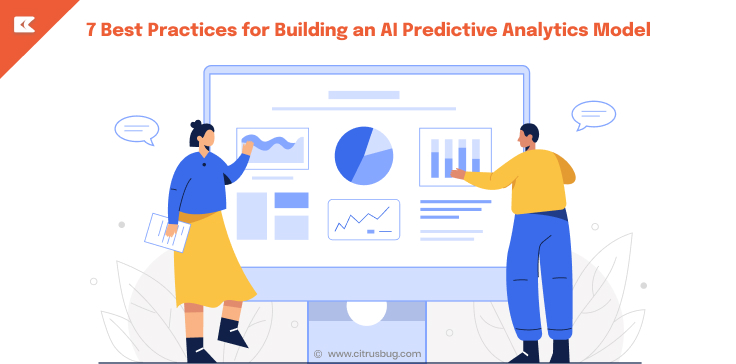
    7 Best Practices for Building an AI Predictive Analytics Model
    7 Best Practices for Building an AI Predictive Analytics Model Artificial Intelligence

    7 Best Practices for Building an AI Predictive Analytics Model

    What if your business could predict customer behavior, detect risks before they happen, and make smarter decisions? That’s what AI predictive analytics can help you with. Instead of only analyzing…

    Read Article →
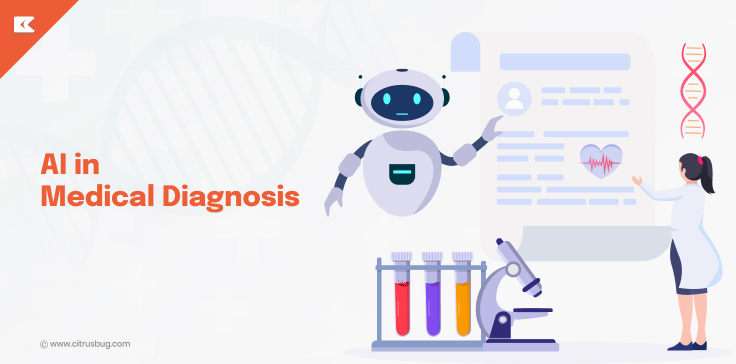
    AI in Medical Diagnosis: Develop Cutting-Edge Software with Expert Teams
    AI in Medical Diagnosis: Develop Cutting-Edge Software with Expert Teams Artificial Intelligence

    AI in Medical Diagnosis: Develop Cutting-Edge Software with Expert Teams

    The healthcare sector is riding the wave of more advanced, data-driven modalities, and diagnostics is a part of the paradigm change. The integration of advanced technologies and AI-powered diagnostics means…

    Read Article →

    Healthcare Automation in Production

    Enhancing patient care with proven software solutions
    View All Case Studies →
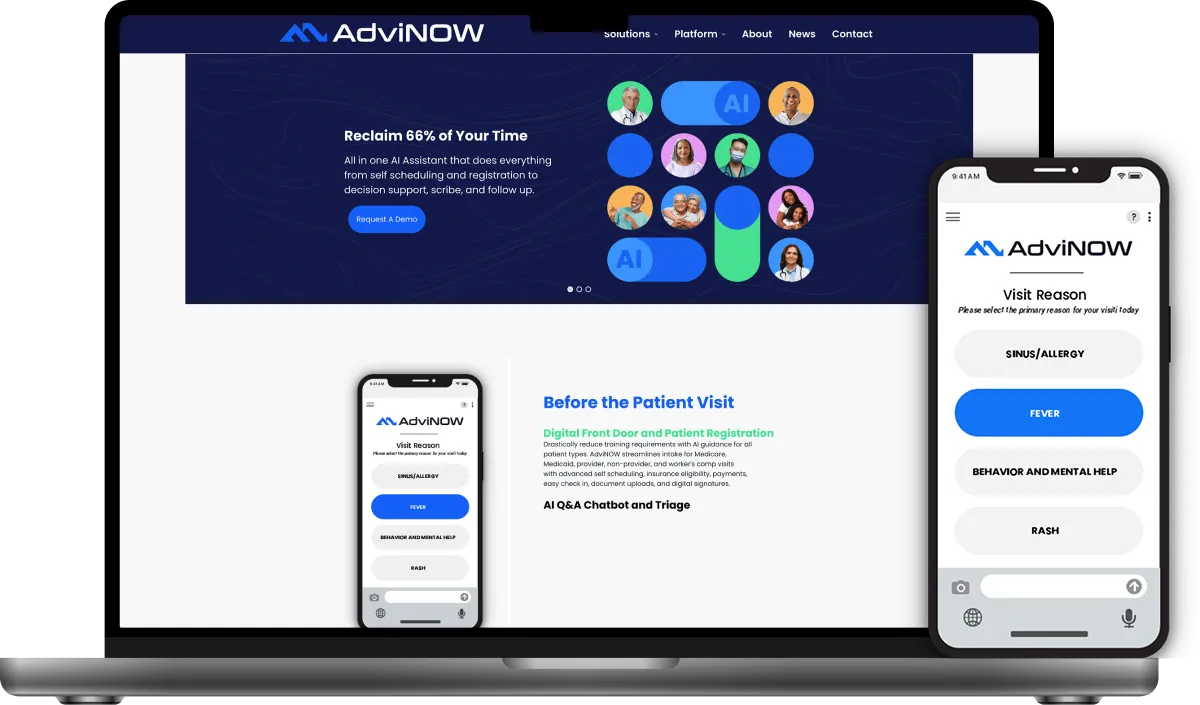
    AI healthcare platform Advinow

    Advinow

    It's an AI-driven healthcare platform that automates patient engagement and consultation processes, helping healthcare providers deliver efficient, on-demand services while improving operations for urgent care.

    More Info
    End-to-end Pharmacy Solution Carepoint

    Carepoint

    Carepoint is a solution dedicated to the pharmacy industry with a variety of tools needed to manage any pharmacy.

    More Info
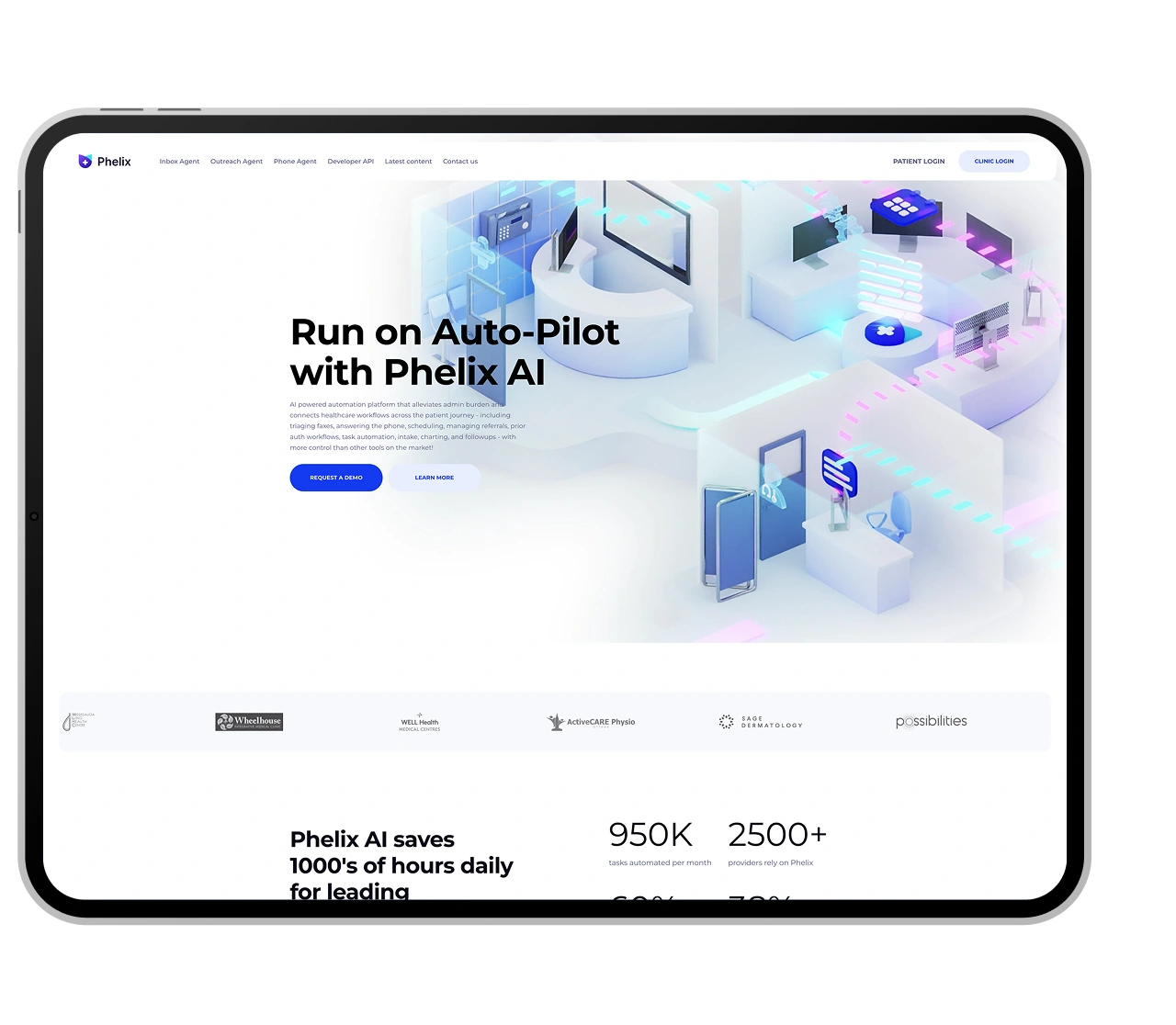
    AI virtual assistant platform Phelix

    Phelix

    Phelix is a no-code, virtual assistant designed for healthcare workflows by automating patient communication, scheduling, and payment processes.

    More Info

    FAQs for Healthcare RPA Services

    How long does a healthcare RPA pilot actually take to go live?

    A single-process pilot, such as claims intake or scheduling, typically takes 4-8 weeks from discovery to production. Department-wide rollouts run 3-4 months.

    What happens when a bot hits something it can't handle?

    The bot routes the case to a human queue with the relevant context attached, rather than failing silently or stalling the workflow.

    Do we need to replace our EHR or billing system to use RPA?

    No. Bots integrate with your existing EHR, billing platform, and payer portals through whatever interface they expose, API or screen-level.

    Who owns the bot logic after delivery?

    You do. Full source code and bot logic transfer to you at delivery, with no vendor lock-in.

    How does RPA stay compliant with CMS-0057-F?

    We architect prior authorization bots around the API-first submission model CMS now requires, instead of building on fax or portal workflows that will need rework.

    What's the realistic cost range for a healthcare RPA build?

    Single-process pilots typically run $15,000 to $60,000. Enterprise-wide programs with multiple connected workflows can reach $200,000 or more depending on integration complexity.

    Can RPA bots handle unstructured documents like scanned referrals?

    Yes. Bots paired with AI-based document understanding can extract data from scanned forms, faxes, and handwritten referrals, not just structured digital inputs.

    What's the difference between RPA and the AI agents everyone's talking about now?

    RPA handles rule-based, repetitive steps. AI agents add judgment, like classifying a denial reason or deciding which exception queue a case belongs in. Most 2026 deployments combine both.

    Ready to Stop Losing Hours to Manual Claims Rework?

    Get a free workflow audit and a straight answer on whether RPA fits your situation.