

 Back
How to Unlock Maximum AI Tools Potential: A Comprehensive Enterprise Guide to Strategic AI Adoption, Governance, and Value Creation

Executive Summary
Artificial intelligence has moved from laboratory curiosity to mission-critical business infrastructure. Yet despite the explosion of AI tools, from large language models and computer vision platforms to autonomous agents and decision intelligence systems, most organizations are capturing only a fraction of the value these technologies can deliver.
This whitepaper examines why that gap exists and, more importantly, how to close it. Drawing from global industry research, enterprise case studies, and frameworks developed by leading technology consultancies, we present a comprehensive playbook for unlocking maximum AI tools potential across your organization.
| Metric | What It Means |
|---|---|
| $4.8T | Projected AI economic value by 2030 (McKinsey Global) |
| 77% | Of enterprises use AI, yet only 21% at scale |
| 3.5x | Higher ROI for AI-mature organizations vs. early adopters |
| 68% | AI projects fail to reach production (Gartner, 2025) |
The numbers reveal a stark paradox. AI investment is at an all-time high. The global AI market surpassed $300 billion in 2025 and is growing at over 36% annually. Yet three out of four organizations report that their AI initiatives have not delivered the business value originally projected. The problem is rarely the technology itself, it is how organizations approach, implement, and govern AI.
This whitepaper identifies six core barriers preventing organizations from realizing full AI potential: strategic misalignment, data readiness gaps, talent shortfalls, governance deficits, integration failures, and change management neglect. Against each barrier, we present evidence-based solutions drawn from organizations that have successfully scaled AI to enterprise-wide impact.
Key Findings
- Organizations with a formal AI strategy are 2.4x more likely to report significant revenue gains from AI investments.
- Data quality is the single most cited obstacle to AI success, mentioned by 62% of executives in a 2025 Deloitte survey.
- Companies that establish an AI Center of Excellence see 47% faster time-to-production for AI models.
- Responsible AI governance frameworks reduce regulatory risk exposure by up to 58% while actually accelerating deployment timelines.
- Agentic AI systems that can plan, act, and adapt autonomously represent the next major inflection point, with early adopters achieving cost reductions of 35-60% in targeted workflows.
- The organizations leading in AI maturity share a common trait: they treat AI as a business transformation initiative, not a technology project.
Our Central Thesis: Unlocking maximum AI tools potential is not about deploying the most sophisticated model or the largest budget. It requires the deliberate alignment of strategy, data, talent, governance, and culture, orchestrated as a continuous capability-building program rather than a one-time implementation project.
1. The AI Revolution: Where We Stand Today
1.1 The Scale of AI Adoption
We are living through the most consequential technological transition since the internet. In the space of three years, artificial intelligence moved from a specialized research discipline to the organizing principle of competitive strategy across virtually every industry. The launch of generative AI tools in late 2022 marked an inflection point that compressed years of anticipated adoption into months of actual deployment.
The numbers are staggering in their scope. By the end of 2025, an estimated 77% of enterprises reported using AI in at least one business function, up from 35% in 2021. Enterprise AI investment exceeded $200 billion globally in 2025, representing a 45% year-over-year increase. Gartner projects that by 2027, generative AI will be embedded in more than 80% of enterprise software products.
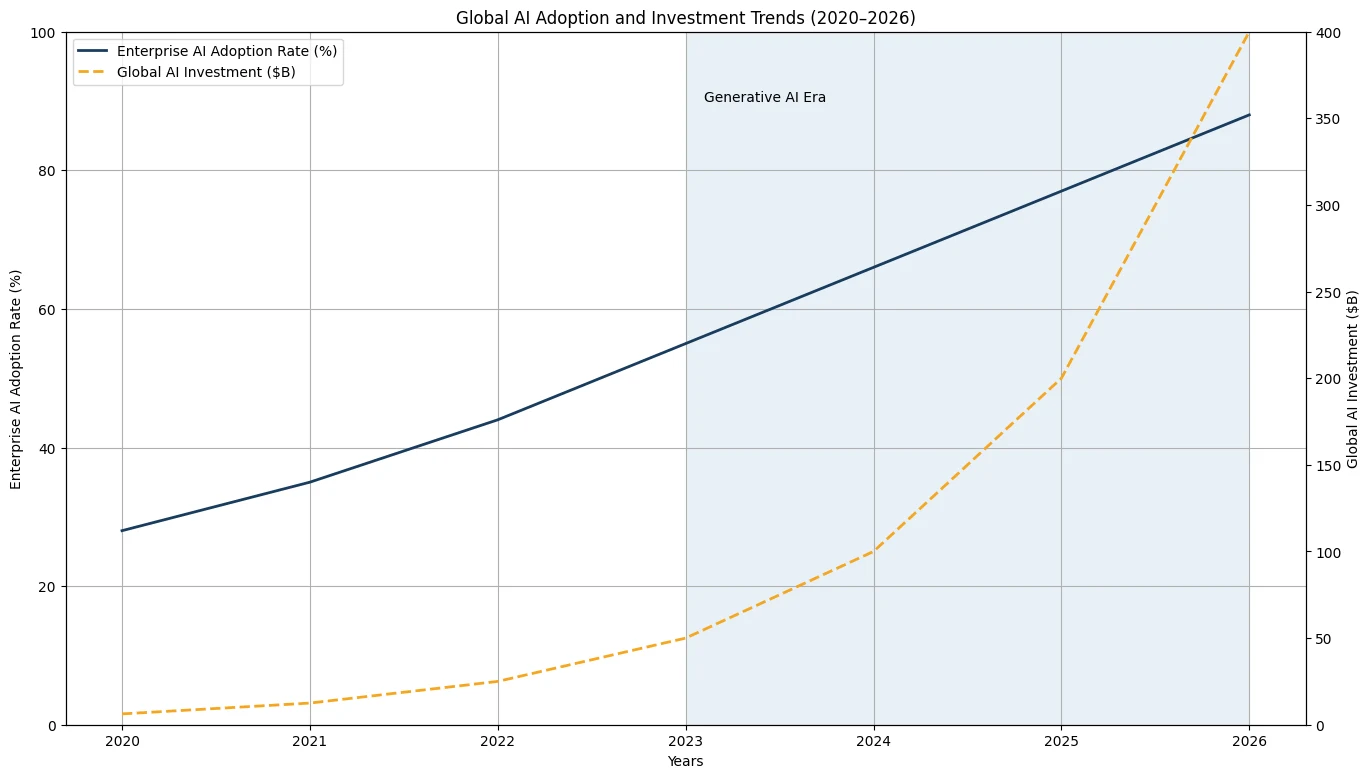
Figure 1.1. Global AI adoption trajectory, 2020–2026.
This rapid adoption has been driven by three converging forces. First, the democratization of AI capabilities through cloud-based APIs and pre-trained foundation models has dramatically lowered the barrier to entry. Organizations no longer need teams of machine learning PhDs to deploy powerful AI; they need developers and business analysts who understand how to direct and orchestrate AI capabilities.
Second, the competitive pressure has become existential. In sector after sector, early AI adopters are establishing advantages in cost, speed, and customer experience that are difficult for laggards to overcome. A McKinsey analysis found that AI leaders in financial services achieved operating cost reductions 30–40% greater than their peers within just 18 months of scaled deployment.
Third, the technology has matured. Early AI systems were brittle, opaque, and required constant expert oversight. Modern large language models, vision systems, and decision intelligence platforms are substantially more reliable, explainable, and maintainable, bringing enterprise-grade AI within reach of organizations that could not have deployed it five years ago.
1.2 The Value Gap: Promise vs. Reality
Yet beneath the headline adoption numbers lies a troubling reality. The same organizations that report deploying AI also report widespread disappointment with outcomes. In a 2025 survey of 2,500 enterprise technology leaders by Deloitte, only 31% said their AI investments had 'significantly exceeded' expectations. Another 41% reported that results were 'mixed' or 'below expectations.' A striking 68% of AI projects never make it from pilot to production deployment.
This is what researchers and practitioners call the 'AI value gap,' the chasm between theoretical potential and realized business impact. It is not a technology problem. The underlying AI capabilities are extraordinary. The gap exists because organizations consistently underestimate the organizational and operational changes required to capture AI's value.
The AI Value Gap by the Numbers: Only 21% of enterprises deploying AI report doing so at significant scale across multiple business functions. The remaining 79% operate AI in isolated pilots and limited deployments that fail to generate enterprise-wide impact. The companies in that top 21% consistently outperform their sectors on revenue growth, operating efficiency, and customer satisfaction (McKinsey AI Index, 2025).
The consequences of this gap are significant. Organizations that pour investment into AI without a systematic approach to realizing its value are burning capital, demoralizing teams, and, perhaps most dangerously, developing institutional skepticism about AI that makes future success harder to achieve. The organizations that successfully unlock maximum AI potential do not do so by accident. They follow recognizable patterns of strategy, investment, and organizational discipline.
1.3 The Inflection Point We Are Living Through
AI is not a single technology. It is an expanding constellation of capabilities that interact and compound in ways that create nonlinear value. Understanding where we are in the evolution of these capabilities is essential for developing a strategy that captures today's opportunities while positioning for tomorrow's.
We identify three distinct eras of enterprise AI. The first, Narrow AI (2015–2021), was characterized by task-specific systems that excelled at defined problems, such as fraud detection, image classification, and recommendation engines, but could not generalize across domains. The second era, Foundation Model AI (2022–2025), brought large, general-purpose models that could handle a wide range of tasks through natural language instruction, making AI dramatically more accessible. We are now entering the third era: Agentic AI.
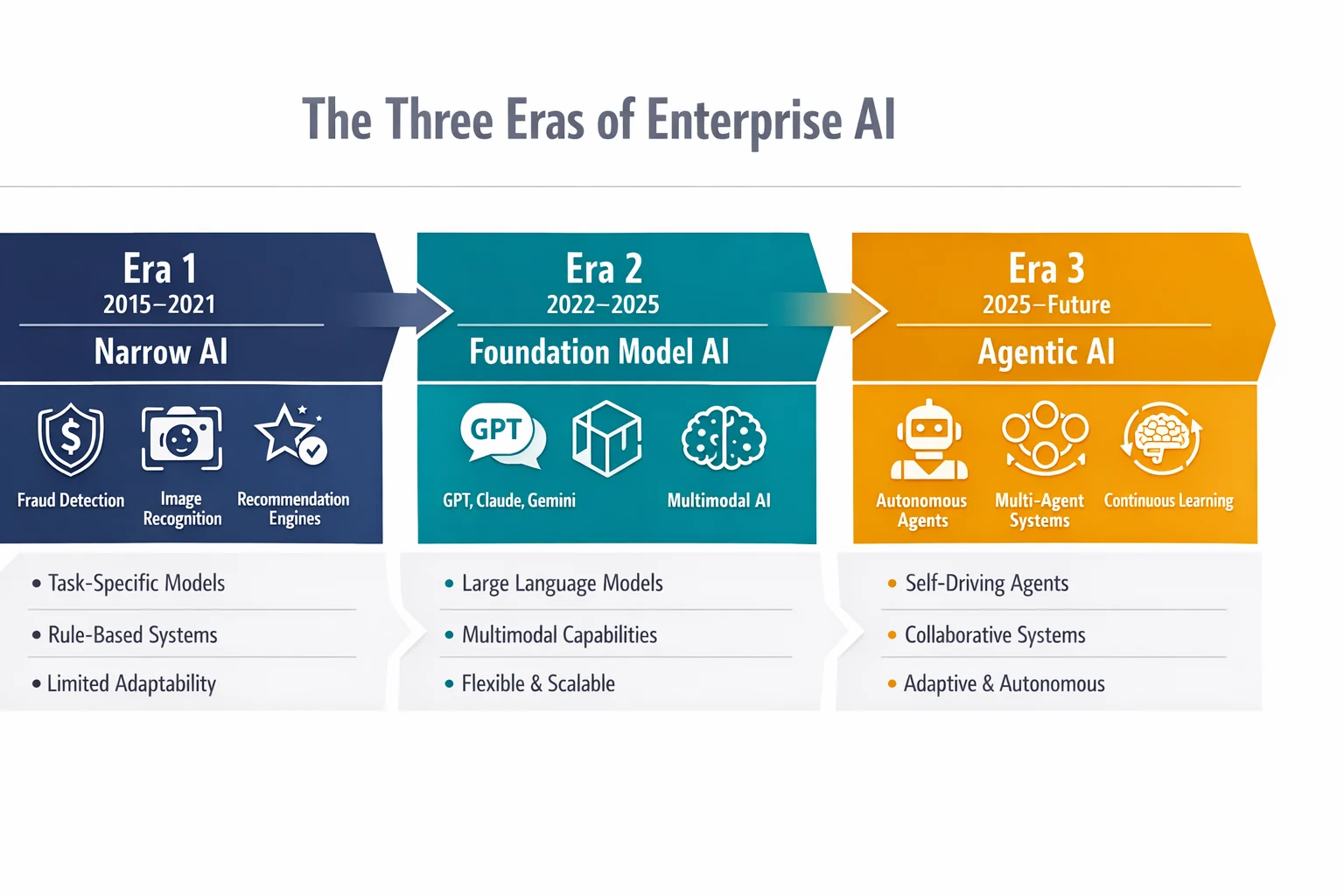
Figure 1.2. The three eras of enterprise AI.
In the Agentic AI era, AI systems do not just respond to prompts, they plan, execute multi-step workflows, use tools, access external systems, and adapt based on feedback. An agentic AI system tasked with 'analyze our Q3 customer churn and develop a retention strategy' might independently access the data warehouse, run statistical analysis, search for industry benchmarks, draft a strategy document, and schedule a review meeting, all without human intervention at each step.
This shift is profound. Agentic AI compresses the distance between business objective and value realization from weeks to hours. Organizations that understand this transition and position themselves to leverage it will gain advantages that compound over time. Those that remain in the Foundation Model era, using AI as a sophisticated search and drafting tool, will find those advantages increasingly difficult to close.
2. The AI Tools Landscape: A Comprehensive Taxonomy
Before organizations can unlock maximum AI potential, they need a clear-eyed understanding of what AI tools actually exist, what they can and cannot do, and how they relate to each other. The AI tools landscape has become extraordinarily complex, with thousands of products across dozens of categories making claims that are difficult to evaluate without a structured framework.
2.1 Foundational AI Categories
We organize the AI tools landscape into six foundational categories, each serving distinct business needs and operating on different underlying technical approaches.
| AI Category | Core Capability | Primary Use Cases |
|---|---|---|
| Machine Learning Platforms | Build and deploy predictive models on structured data | Fraud detection, demand forecasting, churn prediction, risk scoring |
| Computer Vision Systems | Analyze and understand visual data, images and video | Quality inspection, document processing, security surveillance, medical imaging |
| Natural Language Processing | Understand and generate human language | Sentiment analysis, entity extraction, classification, translation |
| Large Language Models (LLMs) | General-purpose language models for diverse tasks | Content generation, coding assistance, summarization, Q&A, analysis |
| Decision Intelligence | AI-augmented decision-making combining data, models, and human judgment | Strategic planning, resource allocation, scenario modeling |
| Robotic Process Automation + AI | Automated execution of repetitive digital tasks enhanced with AI | Data entry, invoice processing, compliance reporting, system integration |
| Agentic AI Frameworks | AI systems that plan and execute multi-step workflows autonomously | Complex research, multi-system orchestration, autonomous business processes |
2.2 Generative AI and Large Language Models
Generative AI, and LLMs in particular, has been the defining technology story of the past three years. These models, including GPT-4 and GPT-4o from OpenAI, Claude from Anthropic, Gemini from Google, and Llama from Meta, have demonstrated remarkable capabilities across a range of tasks that previously required specialized human expertise.
The practical implications for enterprise operations are substantial. Organizations are deploying LLMs to accelerate content creation, automate customer service interactions, assist software development, analyze legal and financial documents, and generate insights from unstructured data. A 2025 study by Stanford HAI found that organizations using LLM-based coding assistants reduced software development time by an average of 37%, with senior developers experiencing the largest productivity gains.
Key LLM deployment patterns in enterprise settings include:
- Retrieval-Augmented Generation (RAG): Combining LLMs with your organization's proprietary knowledge base to enable precise, grounded answers without expensive model fine-tuning.
- Fine-Tuned Domain Models: Adapting general-purpose models on organization-specific data to create specialized capabilities in areas like legal analysis, medical coding, or financial reporting.
- LLM-Orchestrated Workflows: Using LLMs as the 'reasoning engine' in larger automated pipelines that connect to databases, APIs, and external systems.
- Multi-Modal Applications: Combining text, image, audio, and data analysis in single workflows, enabling use cases like automated insurance claim processing that reads forms, analyzes photos, and generates settlement recommendations.
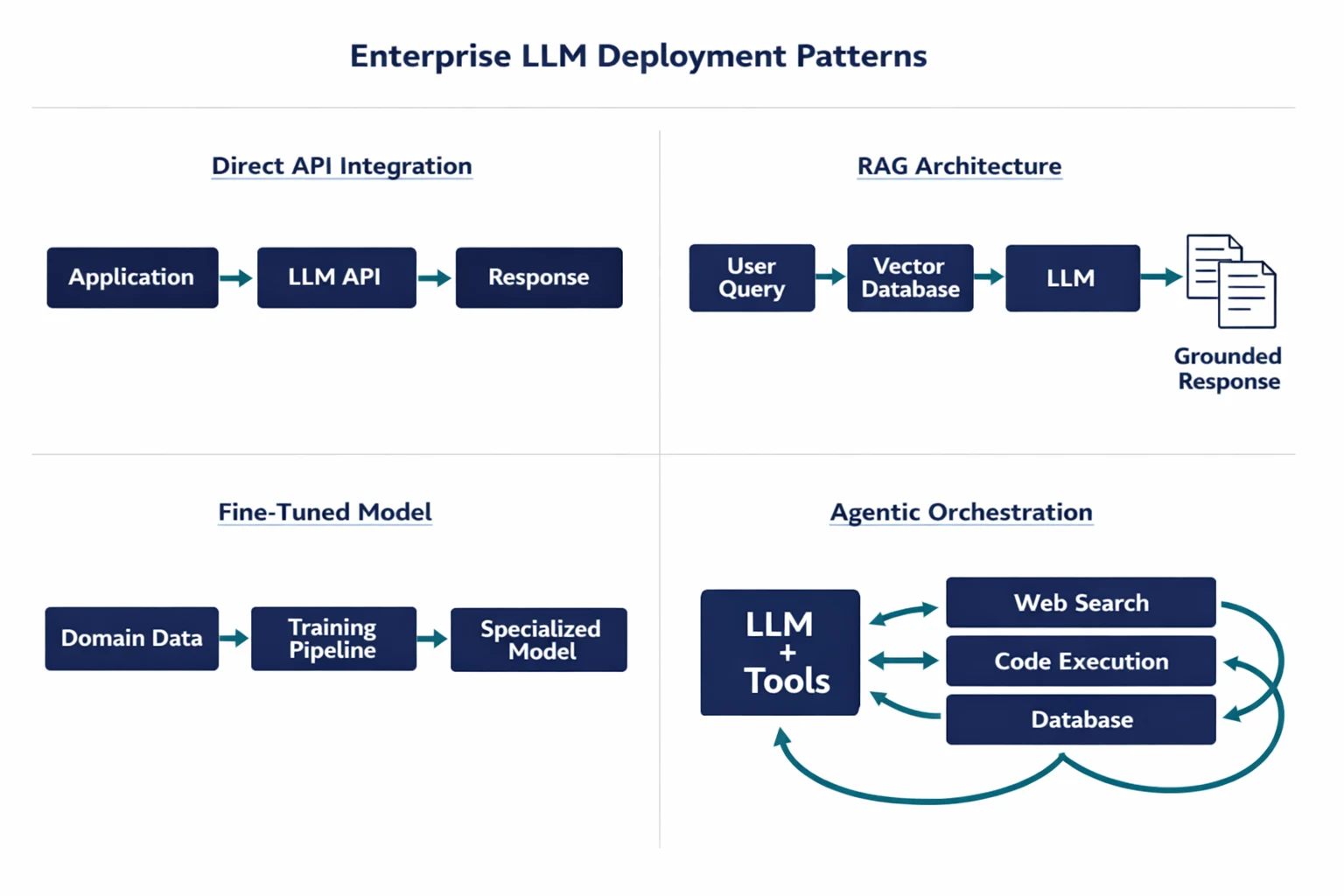
Figure 2.1. LLM deployment architecture patterns.
2.3 Agentic AI: The Next Frontier
If generative AI was the story of 2023 and 2024, agentic AI is defining 2025 and beyond. Agentic systems are AI models equipped with tools, the ability to search the web, write and execute code, query databases, call APIs, manage files, and interact with other software systems, combined with planning capabilities that allow them to break down complex objectives into sequences of actions.
Cognizant's Enterprise Guide to Agentic AI identifies three levels of agentic capability: Level 1 (Tool Use), where models call external tools to complete tasks; Level 2 (Planning and Execution), where models independently devise multi-step plans; and Level 3 (Multi-Agent Collaboration), where networks of specialized AI agents coordinate on complex organizational objectives.
Organizations at the frontier of agentic AI adoption are achieving outcomes that sound implausible to those earlier in the adoption journey. One global financial services firm deployed a multi-agent system for investment research that reduced analyst report preparation time from three days to four hours while improving the breadth of sources analyzed by 6x. A pharmaceutical company uses agentic AI to monitor global regulatory filings, automatically flag relevant changes, and draft compliance impact assessments, a process that previously occupied a team of five specialists full-time.
2.4 Selecting the Right Tools for Your Context
One of the most common mistakes organizations make is adopting AI tools based on vendor marketing, peer pressure, or technology enthusiasm rather than systematic alignment with business objectives. The result is a proliferating portfolio of tools that underperform because they are solving the wrong problems or solving the right problems the wrong way.
Effective AI tool selection follows a structured process that begins with the business problem, not the technology. We recommend the following evaluation dimensions:
| Evaluation Dimension | Key Question |
|---|---|
| Business Value Alignment | Does this tool directly address a priority business outcome with measurable value? |
| Data Compatibility | Does the tool work effectively with our data formats, quality levels, and volumes? |
| Integration Complexity | How much engineering effort is required to connect this tool to our existing systems? |
| Total Cost of Ownership | What are the full costs, licensing, compute, implementation, maintenance, and talent? |
| Governance Compatibility | Does the tool support our security, privacy, and compliance requirements? |
| Scalability Path | Can this tool grow with our needs without requiring a platform change? |
| Vendor Stability | Is the vendor likely to still exist and support this product in 3–5 years? |
| Build vs. Buy Analysis | Would building a custom solution deliver significantly better ROI or capability? |
The AI Tool Sprawl Problem: The average large enterprise has deployed 14 separate AI tools, with little integration between them and no unified governance framework. This fragmentation undermines security, creates data silos, makes measurement impossible, and frustrates users who must context-switch between systems. A curated, integrated AI platform strategy consistently outperforms an ad hoc tool collection, even when the individual tools in the collection are technically superior.
3. Why Organizations Fail to Unlock AI's Full Potential
Understanding why AI underperforms is as important as understanding how to succeed. Research consistently shows that AI failures share common patterns and that these patterns are organizational rather than technical. The tools are rarely the problem. What prevents organizations from unlocking AI's full potential is a predictable set of structural, cultural, and strategic deficits.
3.1 The Six Core Barriers
Barrier 1: Strategic Misalignment
The most fundamental failure mode is deploying AI without a clear connection to business strategy. Organizations launch AI projects because competitors are doing it, because vendors pitched compelling demos, or because technical teams are excited about new capabilities. The result is impressive technology solving unimportant problems.
A 2025 Boston Consulting Group study found that 45% of enterprise AI projects were not tied to a top-five strategic priority of the organization. These projects were almost uniformly characterized as 'interesting' but not 'impactful' in executive assessments. AI produces maximum value when it is directed at the organization's most critical constraints and highest-value opportunities.
Barrier 2: Data Readiness Gaps
AI models are only as good as the data they learn from and operate on. Yet most organizations have spent decades accumulating data without the discipline, tooling, or investment required to make that data AI-ready. In a 2025 Deloitte survey, 62% of executives identified data quality as their primary AI obstacle, ahead of talent, cost, and technology concerns.
Data readiness encompasses multiple dimensions: completeness (are the required data fields populated?), accuracy (does the data reflect reality?), freshness (is the data current enough for the use case?), accessibility (can AI systems reach the data?), and governance (is there clear ownership, lineage, and consent management?). Organizations that invest in data foundations before scaling AI consistently outperform those that attempt to 'fix the data problem' after deployment.
Barrier 3: Talent Shortfalls
The demand for AI skills has far outpaced supply. The World Economic Forum estimates a global shortage of 4 million AI professionals by 2027. But the talent challenge is more nuanced than simply 'not enough data scientists.' Organizations also lack the AI product managers who can translate business needs into AI requirements, the AI engineers who can deploy and maintain production systems, and the AI-literate business leaders who can make informed decisions about AI investments and strategies.
Organizations that wait for the perfect AI team before beginning their journey will wait indefinitely. The most successful approach combines selective external hiring for critical technical roles, aggressive reskilling of existing employees, and ecosystem partnerships with specialized AI vendors and consultancies.
Barrier 4: Governance Deficits
The absence of clear governance frameworks is the AI equivalent of allowing anyone to deploy code to production without testing, review, or rollback procedures. Organizations without AI governance experience higher rates of model failure, more frequent security incidents, greater regulatory exposure, and lower trust from both internal users and external stakeholders.
Governance is not simply a compliance activity, it is an enabler of faster, more confident AI deployment. Teams with clear guardrails move faster because they are not constantly re-litigating questions about what is permissible. They deploy with more confidence because they have systematic processes for testing reliability and fairness. And they scale more efficiently because governance frameworks establish reusable standards rather than requiring every team to solve the same problems independently.
Barrier 5: Integration Failures
AI that exists in isolation delivers a fraction of its potential value. The highest-value AI applications are deeply integrated into existing workflows, data systems, and business processes. Yet integration is consistently underestimated in both complexity and importance. Organizations often build impressive AI prototypes in sandboxed environments, only to discover that connecting to production systems with real security constraints, legacy architectures, and complex data pipelines is far harder than the prototype suggested.
Barrier 6: Change Management Neglect
Perhaps the most under-discussed barrier to AI success is the human side of the equation. AI deployments that are technically excellent can fail completely because the people who were supposed to use them don't trust them, don't understand them, fear for their jobs, or simply weren't involved in the design process. Effective AI adoption requires the same level of change management discipline as any major organizational transformation: systematic communication, stakeholder engagement, training, and leadership commitment.
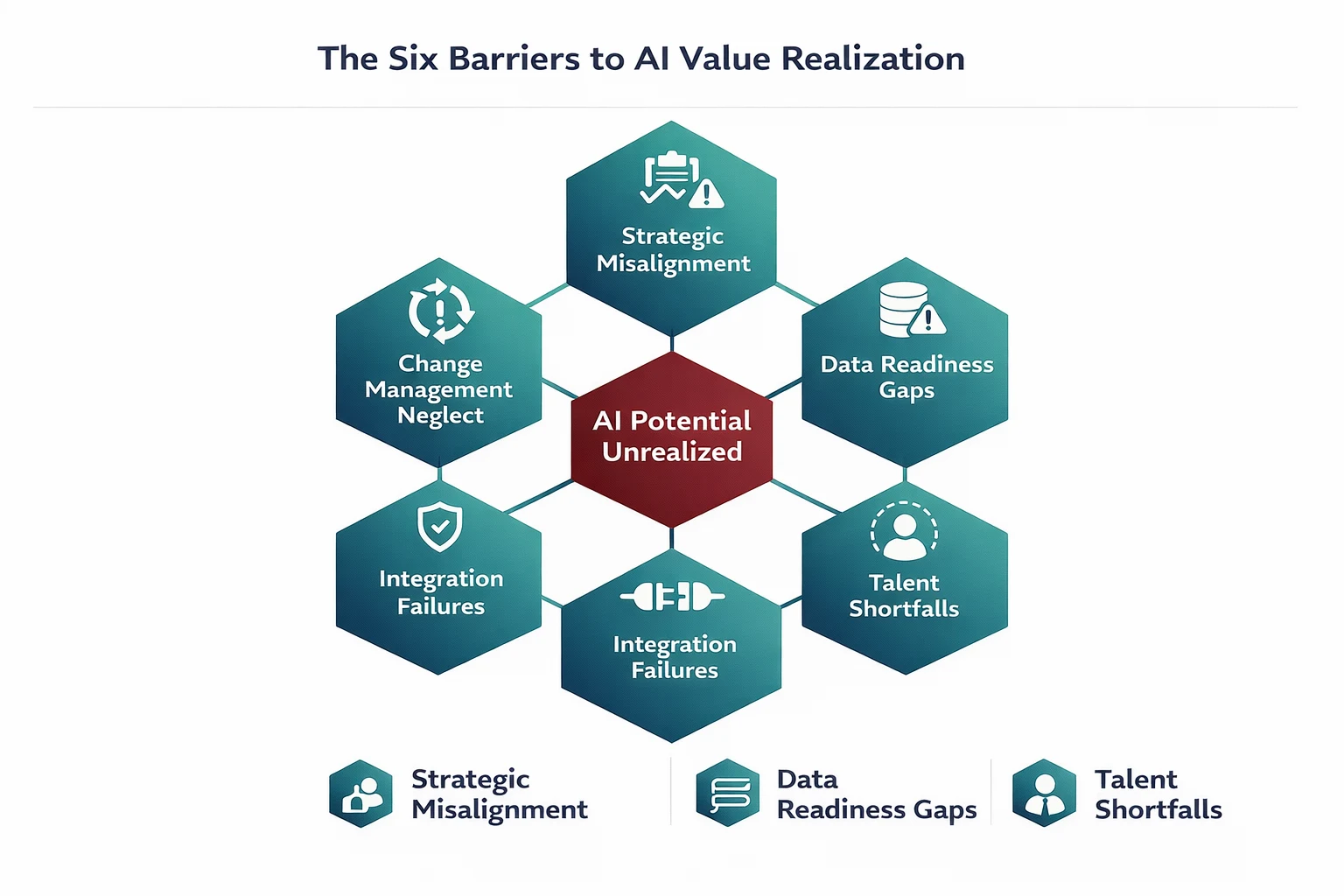
Figure 3.1. The six barriers to AI value realization.
3.2 The AI Pilot Trap
One of the most common patterns we observe in struggling AI programs is what practitioners call the 'pilot trap,' organizations that run successful AI pilots but cannot scale them to production. Pilots are relatively easy: they operate outside normal governance constraints, use curated data sets, are staffed with the best available talent, and receive executive attention that ensures obstacles get resolved quickly.
Production deployment is completely different. Real data is messier than pilot data. Production systems have security requirements that sandboxes don't. Normal users are less motivated than pilot participants. Without executive attention, obstacles multiply. Organizations that mistake pilot success for production readiness consistently experience what has been called the 'AI desert,' a graveyard of impressive demos that never delivered business value.
Escaping the pilot trap requires deliberate design of pilots to test production viability, not just technical feasibility. Successful pilots are designed from the start to answer the question: 'Can this work at scale?' They use representative data (not curated subsets), engage actual business users (not just champions), and are assessed against production-grade criteria (security, reliability, governance, training requirements, and maintenance burden).
3.3 Culture as the Hidden Barrier
Organizational culture is the invisible hand that determines whether AI initiatives succeed or fail. A culture that punishes failure discourages the experimentation that AI development requires. A culture that does not trust data analytics will not embrace AI recommendations. A culture with siloed functions will not support the cross-functional data sharing that AI needs. And a culture with low psychological safety will not produce the honest feedback loops that allow AI systems to improve.
Fujitsu's research on AI transformation identifies cultural factors as the decisive differentiator between organizations that achieve sustained AI success and those that remain stuck. The organizations that lead in AI maturity consistently demonstrate: tolerance for intelligent failure, data-driven decision making at all levels, cross-functional collaboration norms, and leadership that models curiosity and adaptability. These cultural attributes are not created by AI programs; they must be cultivated alongside them.
4. The AI Potential Framework
The organizations that consistently unlock maximum AI potential do not stumble into success. They operate according to frameworks that systematically address the barriers we identified in the previous chapter. In this section, we present the AI Potential Framework, a practical AI maturity framework for assessing where your organization stands today and charting a path to AI maturity.
4.1 Five Dimensions of AI Maturity
AI maturity is not a single dimension. Organizations can be highly advanced in one area while remaining immature in others. Sustainable AI success requires progress across five interconnected dimensions:
| Maturity Dimension | Description |
|---|---|
| 1. Strategic Intent | AI is explicitly tied to top business priorities with clear value hypotheses, defined success metrics, and board-level sponsorship. Leadership understands AI's capabilities and limitations. |
| 2. Data Capability | The organization has the data infrastructure, governance, and quality required to support AI at scale. Data is treated as a strategic asset with defined ownership, lineage, and quality standards. |
| 3. Technical Capability | The technology architecture supports scalable AI deployment with appropriate MLOps infrastructure, API integration capabilities, and monitoring systems. |
| 4. Organizational Capability | The organization has the human capital, governance structures, and operating models required to develop, deploy, and continuously improve AI systems. |
| 5. Responsible AI Maturity | The organization has systematic frameworks for ensuring AI systems are fair, transparent, secure, and aligned with ethical principles and regulatory requirements. |
Organizations that score highly across all five dimensions are what we call 'AI-Native' organizations. They achieve 3.5x greater AI ROI than organizations that score highly on only one or two dimensions. The temptation is to focus exclusively on technical capability, building the most advanced models with the latest tools. The evidence strongly suggests that strategic intent and organizational capability are the more decisive factors.
4.2 Assessing Your Organization's AI Readiness
The AI Readiness Assessment is the starting point for any serious AI strategy. It establishes an honest baseline across all five maturity dimensions and identifies the specific gaps that must be addressed to progress.
We use a five-level maturity scale for each dimension:
- Level 1 Initial: Ad hoc AI activity with no systematic approach
- Level 2 Developing: Isolated AI projects with informal processes
- Level 3 Defined: Standardized AI practices across defined domains
- Level 4 Managed: AI integrated into core business processes with systematic measurement
- Level 5 Optimizing: AI-native operations with continuous learning and adaptation
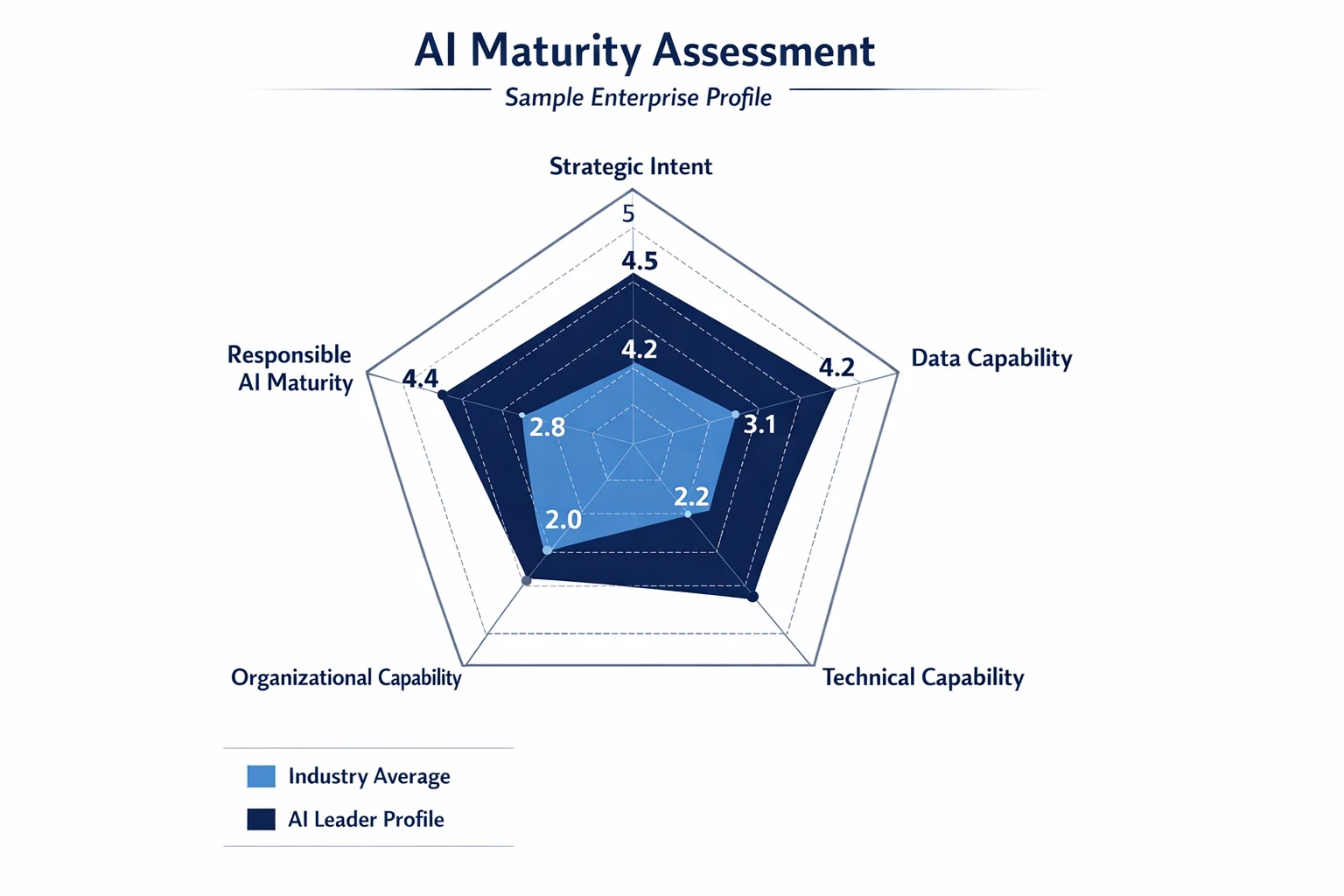
Figure 4.1. AI readiness assessment radar chart.
4.3 The AI Maturity Roadmap
Translating readiness assessment findings into a concrete maturity roadmap requires sequencing improvement initiatives in the right order. Not all gaps are equally important to address first. The roadmap should be structured around three time horizons:
Horizon 1: Foundation (0–6 months)
Establish the non-negotiable prerequisites for sustainable AI success. This includes: data governance baseline, AI ethics and governance policy framework, talent inventory and gap analysis, technology architecture baseline assessment, and identification of three to five high-value pilot opportunities aligned to strategic priorities.
Horizon 2: Scale (6–18 months)
Build systematic capability across the five maturity dimensions while delivering business value. Establish the AI Center of Excellence, deploy the first production AI solutions, begin workforce AI literacy programs, implement MLOps infrastructure, and establish measurement frameworks.
Horizon 3: Optimize (18–36 months)
Achieve AI-native operations across core business functions. This phase is characterized by continuous learning, cross-functional AI integration, advanced agentic deployments, and systematic measurement of AI's contribution to strategic objectives.
Critical Success Factor: Executive Sponsorship. Organizations with C-suite executive sponsorship of AI programs are 2.7x more likely to progress from Horizon 1 to Horizon 2 within their planned timeframe. Without executive sponsorship, AI programs consistently encounter organizational resistance, resource competition, and governance gaps that stall progress. The most effective sponsors combine visible championing of AI initiatives with the political capital to remove organizational obstacles.
5. Implementation Strategies for Maximum AI ROI
An effective enterprise AI strategy without execution is aspiration. This chapter translates the AI Potential Framework into concrete implementation strategies across the four domains that most directly determine AI ROI: portfolio management, data foundations, talent, and technology architecture.
5.1 The Strategic AI Portfolio
Not all AI investments are created equal. Organizations that maximize AI ROI treat their AI initiatives as a portfolio, deliberately balancing quick-win efficiency plays, medium-term capability builders, and long-term transformative bets. The portfolio approach ensures that the program continuously delivers visible business value while building the deeper capabilities required for sustained competitive advantage.
We recommend a portfolio allocation that reflects the organization's current AI maturity level:
| Maturity Level | Recommended Portfolio Mix | Strategic Rationale |
|---|---|---|
| Early Stage (Level 1–2) | 70% Quick Wins / 25% Capability Building / 5% Transformative Bets | Focus on building credibility and learning through proven use cases with clear, measurable ROI |
| Developing (Level 2–3) | 50% Quick Wins / 35% Capability Building / 15% Transformative Bets | Begin systematic capability development while maintaining delivery momentum |
| Advanced (Level 3–4) | 30% Quick Wins / 40% Capability Building / 30% Transformative Bets | Shift investment toward competitive differentiation and longer-horizon opportunities |
| AI-Native (Level 4–5) | 20% Quick Wins / 30% Capability Building / 50% Transformative Bets | Pursue frontier capabilities and new business model opportunities enabled by AI |
Prioritizing AI Opportunities
With potentially hundreds of AI opportunities across a large organization, prioritization is critical. We recommend evaluating opportunities across two primary dimensions: business value (revenue impact, cost reduction, risk mitigation) and implementation feasibility (data readiness, technical complexity, organizational readiness). The resulting matrix produces four quadrants:
- Quick Wins (High Value, High Feasibility): Prioritize immediately. These deliver fast ROI and build organizational confidence.
- Strategic Investments (High Value, Lower Feasibility): Plan and invest in building the capabilities required to unlock these, they represent the largest long-term value.
- Efficiency Plays (Lower Value, High Feasibility): Deploy opportunistically when resources allow, good for skill building without high strategic stakes.
- Deprioritize (Lower Value, Lower Feasibility): Explicitly remove from the active portfolio to avoid resource distraction.
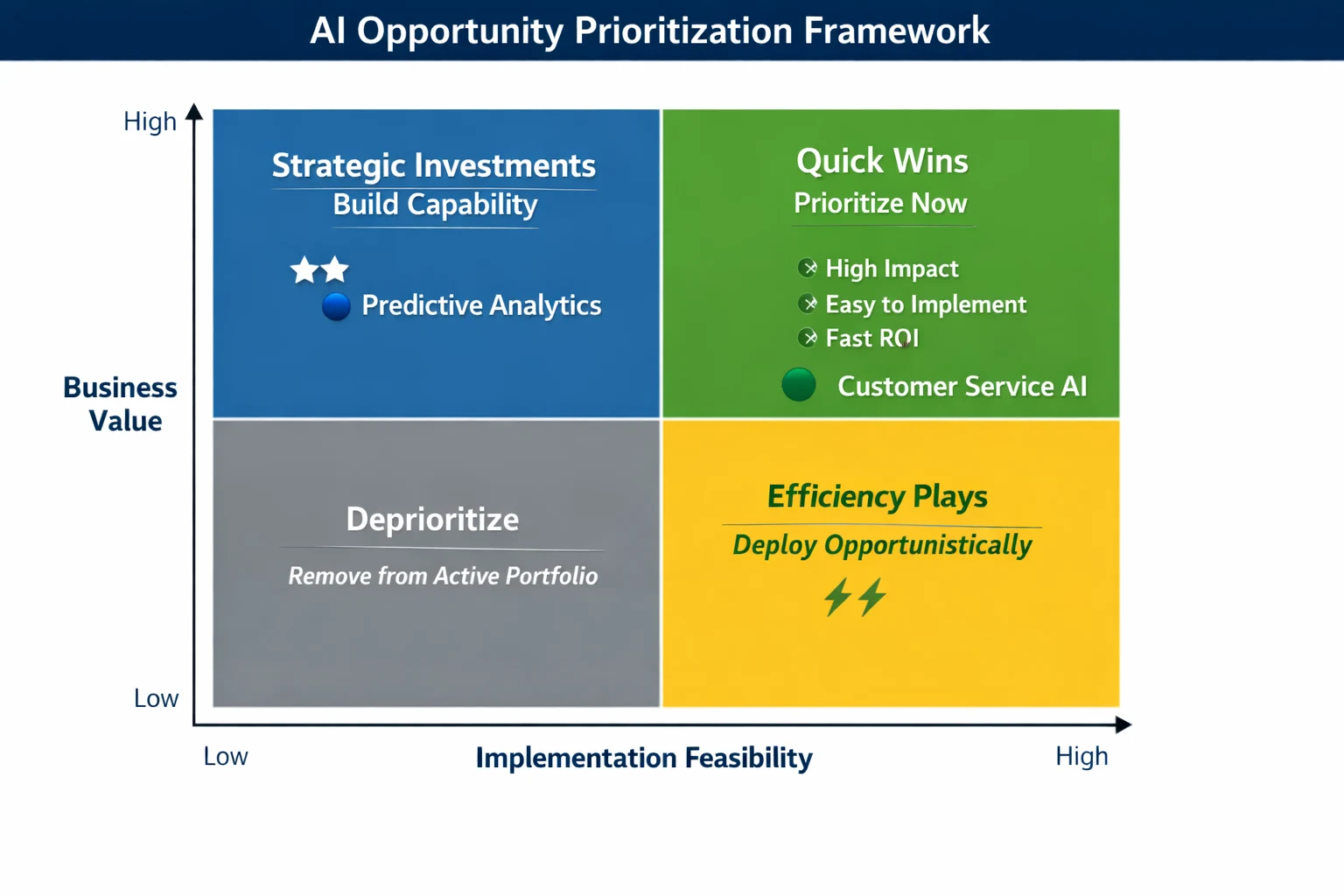
Figure 5.1. AI opportunity prioritization matrix.
5.2 Building the Data Foundation
Data governance is the substrate of AI, ensuring organizations can use data reliably and responsibly. Organizations cannot deploy AI effectively without a foundation that ensures data is accessible, reliable, governed, and AI-ready. Yet data infrastructure investment is frequently deferred because it lacks the immediate visibility of a working AI application. This is a false economy. Every dollar not invested in data foundations is a multiplier on wasted AI investment.
The data foundation for AI encompasses five layers:
- Data Architecture: The technical infrastructure for storing, processing, and accessing data at the scale AI requires. Modern AI data architectures are built on cloud data platforms (such as Snowflake, Databricks, or BigQuery) that support both structured and unstructured data with the performance characteristics AI workloads demand.
- Data Quality Management: Systematic processes for ensuring data accuracy, completeness, consistency, and timeliness. This includes data profiling, automated quality monitoring, issue remediation workflows, and quality scorecards tied to AI deployment readiness.
- Data Governance: Clear ownership, lineage, classification, and consent management for all data used in AI systems. Governance frameworks define what data can be used for what purposes, who is responsible for data quality, and how data access is controlled.
- Feature Engineering: The transformation of raw data into the features that AI models use to make predictions or decisions. Investing in a centralized feature store allows features to be shared across multiple models, reducing duplication and ensuring consistency.
- Data Security: Ensuring that data used in AI systems is appropriately protected against unauthorized access, while enabling the data sharing that AI requires. Privacy-preserving techniques such as differential privacy and federated learning allow AI to be trained on sensitive data without compromising individual privacy.
The Data Quality Dividend: A 2025 MIT CSAIL study found that improving data quality from 'fair' to 'good' increases AI model performance more than doubling model complexity. Organizations that invest in data foundations before expanding AI deployment achieve significantly better model accuracy and significantly lower rates of model failure in production. Data quality investment delivers the highest ROI of any AI-enabling activity.
5.3 Talent Strategy for the AI Era
Winning the AI talent war requires a strategy that is both realistic about the market and creative in its approach. The global shortage of AI professionals means that organizations cannot solve their talent challenges through recruitment alone. A comprehensive AI talent strategy combines four elements:
- Targeted External Hiring: Focus external recruitment on the small number of roles where specialized expertise is genuinely irreplaceable: AI research leads, MLOps architects, and AI product directors. For these roles, invest in competitive compensation and build employer brands in AI communities.
- Aggressive Internal Reskilling: The fastest route to AI capability is transforming existing employees. Engineers can learn ML engineering. Data analysts can learn data science. Business analysts can become AI product managers. Organizations with structured reskilling programs build AI capability 3x faster than those that rely primarily on hiring.
- Strategic Partnerships: AI vendors, system integrators, and consulting firms can supplement internal capability in a way that also transfers knowledge. The best partnerships are structured as capability-building engagements, not outsourcing arrangements.
- AI Literacy for All: Every employee who interacts with AI systems needs sufficient AI literacy to use those systems effectively, recognize their limitations, and provide the feedback loops that enable continuous improvement. AI literacy programs are not optional; they are the condition of effective AI deployment across the workforce.
5.4 Technology Architecture for Scalable AI
The technology architecture decisions made during AI scaling have long-lasting implications for cost, capability, and agility. Organizations that make architecture choices primarily for speed or cost in the short term frequently encounter painful and expensive limitations as their AI ambitions grow.
Five architecture principles guide sustainable AI scaling:
- Platform Coherence: Build on a coherent cloud-based AI platform rather than assembling point solutions. Platform coherence reduces integration complexity, enables shared governance, and allows capabilities to compound over time.
- API-First Design: All AI capabilities should be exposed through well-designed APIs that enable composability and reuse. An AI model built for one application should be accessible to any other authorized application through a standard interface.
- MLOps from Day One: MLOps infrastructure covering model versioning, deployment automation, monitoring, and retraining pipelines should be established before the first production deployment, not retrofitted after problems arise.
- Observability: Production AI systems require comprehensive monitoring for model performance, data drift, system health, and business outcome metrics. Without observability, organizations cannot detect when models degrade and cannot diagnose why.
- Security by Design: Security controls for AI systems, including access management, data encryption, prompt injection protection, and model output monitoring, should be designed into the architecture from the beginning.
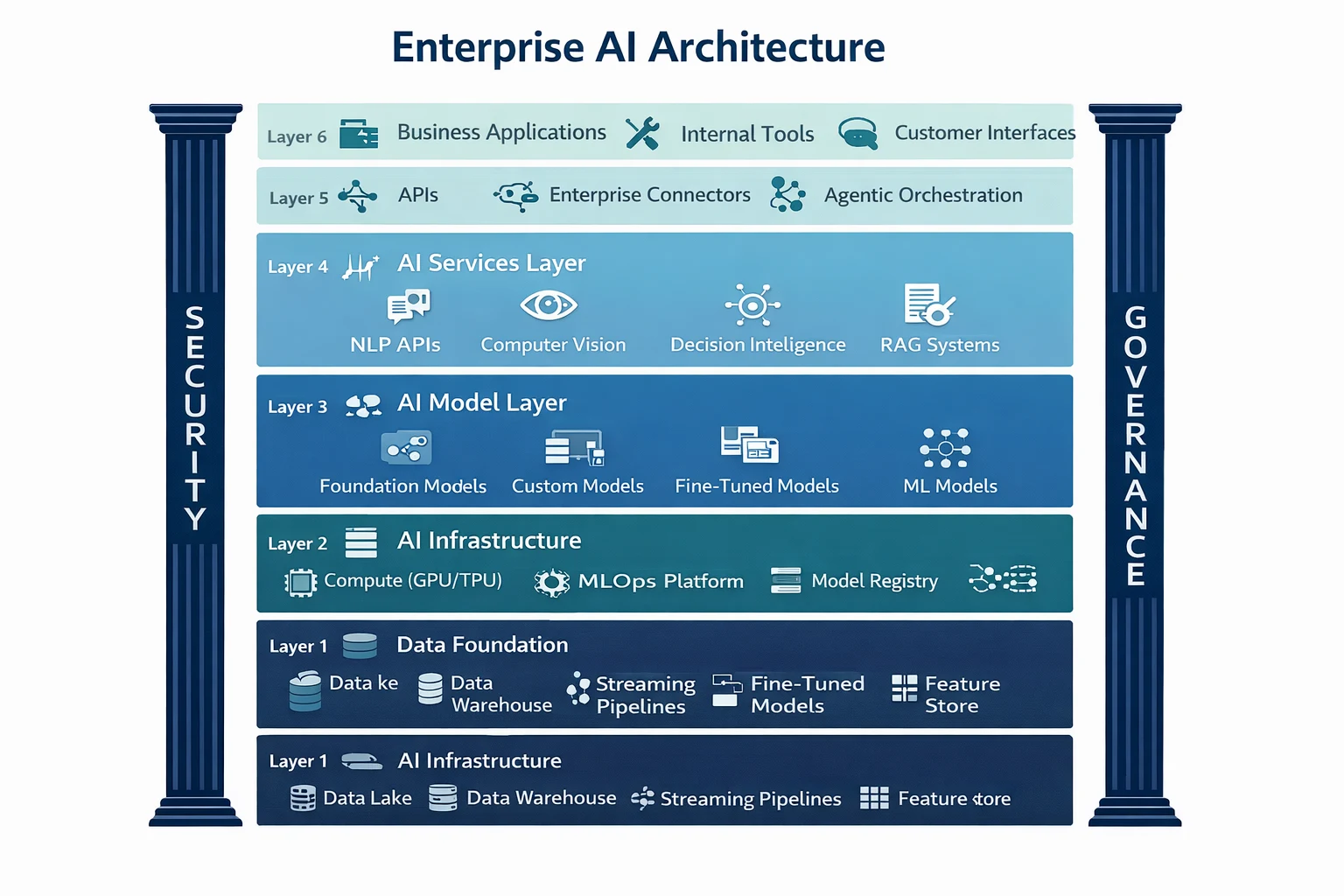
Figure 5.2. Enterprise AI technology architecture reference.
6. Industry-Specific AI Applications and Case Studies
AI potential does not manifest uniformly across industries. Each sector presents distinct opportunity profiles shaped by data availability, regulatory constraints, customer expectations, and competitive dynamics. In this chapter, we examine how leading organizations across five major industries are unlocking AI's maximum potential, and the lessons their journeys hold for organizations at earlier stages of the journey.
6.1 Financial Services
Financial services is the industry furthest advanced in AI maturity, driven by abundant structured data, intense competitive pressure, and the sector's natural affinity for quantitative analysis. AI applications in financial services span the full spectrum from efficiency automation to transformative business model innovation.
In risk management, AI models now evaluate creditworthiness across hundreds of variables simultaneously, detecting patterns in applicant behavior that human analysts cannot discern. These models achieve 15–25% lower default rates than traditional scorecard approaches while simultaneously approving more applicants by identifying creditworthy customers who scored poorly on conventional criteria. JPMorgan Chase's COiN (Contract Intelligence) platform reads and interprets commercial loan agreements in seconds, work that previously required 360,000 hours of legal review annually.
In capital markets, AI-driven algorithmic trading systems execute millions of transactions daily based on real-time analysis of market data, news sentiment, and macroeconomic indicators. Beyond trading, AI is transforming equity research, with tools that synthesize earnings calls, SEC filings, and alternative data sources to produce research reports that rival analyst output in a fraction of the time.
Customer experience in financial services has been transformed by AI-powered conversational assistants, hyper-personalized product recommendations, and proactive financial health monitoring. Bank of America's Erica virtual assistant has handled more than 1.5 billion client interactions, achieving customer satisfaction scores that exceed traditional telephone banking.
Financial Services Case Study: AI-Powered Fraud Detection. A tier-1 European bank deployed a multi-layer AI fraud detection system combining transaction pattern analysis, device fingerprinting, behavioral biometrics, and network analysis. Within six months of production deployment, fraud losses declined by 42% while false positive rates (legitimate transactions declined) fell by 67%. Annual savings exceeded €180 million. The system continuously updates its models using new fraud pattern data, maintaining effectiveness as fraudsters adapt.
6.2 Healthcare and Life Sciences
Healthcare AI sits at the intersection of enormous potential and exceptional complexity. The potential is clear: AI can accelerate drug discovery, improve diagnostic accuracy, optimize treatment protocols, reduce administrative burden, and personalize patient care in ways that materially improve health outcomes. The complexity is equally real: healthcare data is fragmented, heavily regulated, and uniquely sensitive, while the consequences of AI errors can be severe.
In clinical imaging, AI diagnostic systems now match or exceed radiologist accuracy in detecting certain cancers, diabetic retinopathy, and other conditions visible in medical images. Google's DeepMind developed an AI system that detected breast cancer in mammograms with an absolute reduction in false negatives of 9.4%, meaning fewer missed cancers. The FDA has approved more than 500 AI-enabled medical devices, and the pipeline of applications under review is growing exponentially.
Drug discovery is being transformed by AI at every stage of the pipeline. AlphaFold's protein structure prediction has accelerated one of biology's central challenges by decades, giving researchers tools to design more targeted therapies with better efficacy profiles. AI platforms now screen billions of molecular candidates for therapeutic potential in days rather than years.
Operational AI in healthcare generates some of the clearest economic returns. Hospital scheduling optimization, predictive maintenance of medical equipment, supply chain intelligence, and clinical documentation automation collectively represent billions of dollars in annual efficiency gains. Administrative tasks that occupy 30–40% of clinician time can be largely automated, allowing doctors and nurses to spend more time on direct patient care.
6.3 Manufacturing and Industrial Operations
Manufacturing represents perhaps the most compelling AI value opportunity in an industry with vast stores of operational data, clear performance metrics, and significant potential to improve quality, efficiency, and safety through AI-powered optimization.
Predictive maintenance is the flagship AI application in manufacturing. Traditional maintenance schedules are based on time intervals or manual inspection, both imprecise and expensive approaches that either result in unnecessary maintenance or unexpected failures. AI-powered predictive maintenance analyzes sensor data from equipment in real time, detecting the subtle signatures of impending failures hours or days before they occur. Siemens reports that predictive maintenance programs have reduced unplanned downtime by up to 50% and maintenance costs by 30% at industrial customers.
Computer vision quality inspection is another transformative manufacturing application. AI vision systems can inspect products at speeds and consistency levels that human inspectors cannot match, detecting defects invisible to the naked eye. BMW deploys AI vision systems at multiple production stages that examine vehicles for hundreds of potential defects simultaneously, reducing warranty claims and improving customer satisfaction.
Supply chain optimization is gaining urgency as global supply chains continue to face disruption. AI models that integrate demand signals, supplier performance data, logistics constraints, and macroeconomic indicators can recommend supply chain configurations that traditional optimization approaches cannot find. Organizations using AI-powered supply chain optimization report inventory cost reductions of 20–30% alongside improvements in service levels.
6.4 Retail and Consumer Goods
Retail was among the first industries to operationalize AI at scale, driven by e-commerce platforms that generated the behavioral data required to train sophisticated personalization and recommendation models. Amazon's product recommendation engine, which accounts for an estimated 35% of company revenue, is perhaps the most commercially successful AI application in history.
Personalization has moved beyond product recommendations to encompass pricing, promotions, communications timing, and even store layout optimization. AI models that understand individual customer preferences, purchase history, browsing behavior, and life stage signals can create experiences that feel tailored to individual needs. Retailers that deploy sophisticated personalization report 15–25% increases in conversion rates and 20–40% increases in average order value.
Inventory optimization represents a massive value opportunity in retail. Excess inventory ties up capital, while stock-outs create revenue losses and customer defection. AI demand forecasting models that integrate internal sales history with external signals (weather, events, trends, competitor actions) achieve demand forecast accuracy improvements of 20–50% over traditional statistical methods, enabling significant reductions in both excess inventory and stock-outs.
6.5 Telecommunications
Telecommunications companies sit on extraordinary AI assets: massive network infrastructure generating continuous performance data, billions of customer interactions annually, and rich behavioral data about how customers use digital services. Yet many telecoms have been slower than other sectors to systematically exploit these assets.
Network optimization is the highest-value AI application in telecommunications. AI-powered network management systems can detect and remediate performance issues in real time, optimize spectrum allocation dynamically, and predict network congestion before it impacts customers. e& UAE (formerly Etisalat) has deployed AI across its network operations center, reducing mean time to resolution for network incidents by 43% and improving overall network reliability scores significantly.
Customer experience in telecoms is being transformed by AI at scale. Intelligent virtual assistants handle tier-1 customer service at a fraction of the cost of live agents, with comparable or better satisfaction scores for straightforward issues. Predictive churn models identify at-risk customers weeks before their contracts expire, enabling targeted retention interventions. A tier-1 European telecom achieved a 23% reduction in customer churn rates through AI-powered retention programs, representing hundreds of millions of euros in annual revenue protection.
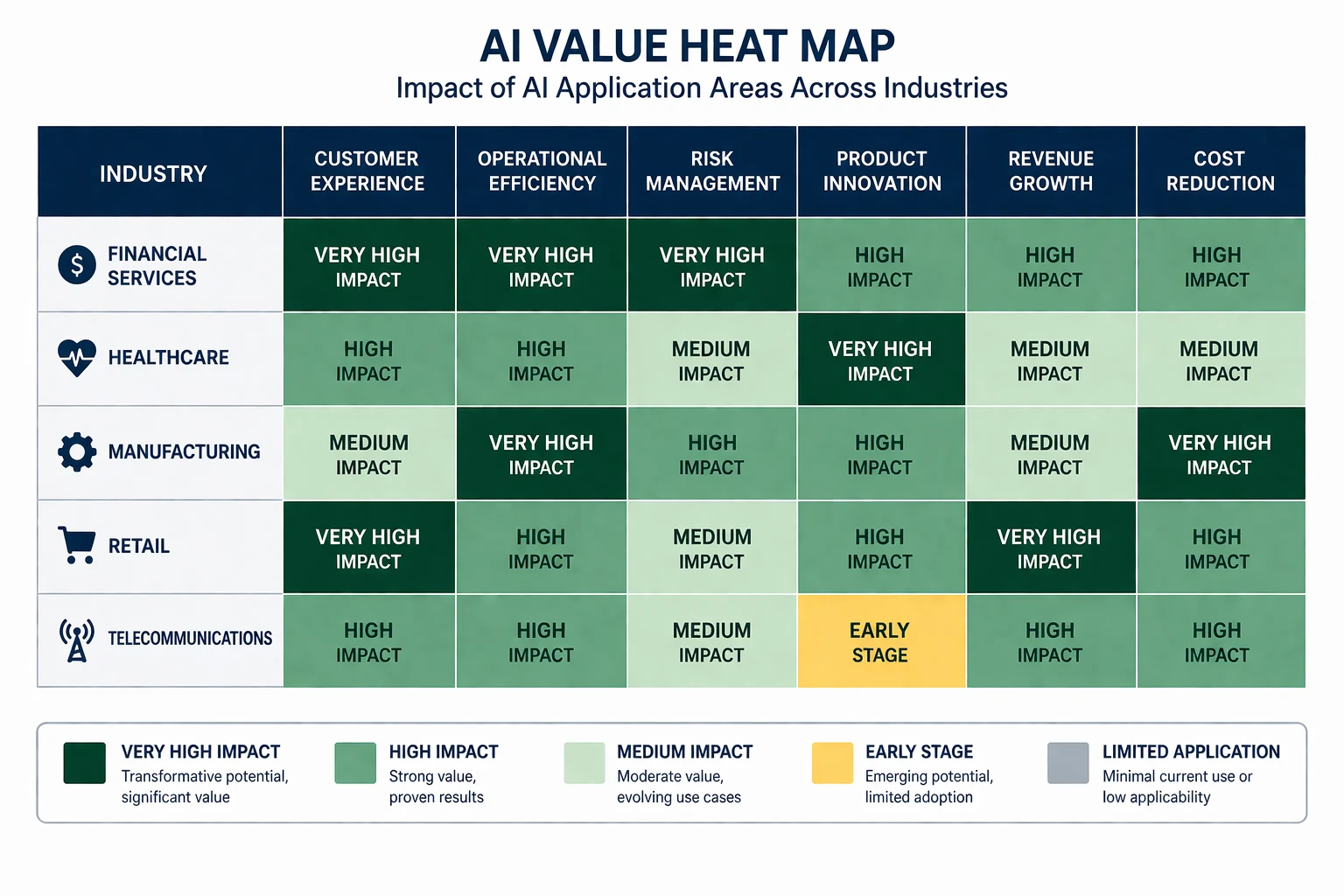
Figure 6.1. AI value map across industries.
7. AI Security, Governance, and Responsible AI
The responsible AI conversation has matured significantly. In 2020, responsible AI was primarily a reputational consideration, organizations needed to be seen to be taking ethics seriously. By 2026, responsible AI has become a business imperative with direct implications for legal liability, regulatory compliance, customer trust, and operational resilience. Organizations that view governance as a constraint on AI development are consistently outperformed by those that treat it as an enabler of faster, more sustainable scaling.
7.1 The Governance Imperative
The regulatory environment for AI has crystallized rapidly. The EU AI Act, the world's first comprehensive AI regulation, came into force in 2024 and is reshaping how organizations approach AI development and deployment globally. The Act's risk-based framework categorizes AI systems by their potential impact, imposing strictest requirements on 'high-risk' applications in areas like credit scoring, hiring, critical infrastructure, and law enforcement.
Beyond formal regulation, organizations face growing scrutiny from customers, employees, investors, and civil society on AI fairness, transparency, and accountability. A 2025 Edelman Trust Barometer study found that 61% of consumers say they would stop using a company's products or services if they discovered the company was using AI in ways they considered unfair or harmful. Trust in AI systems is a business asset that must be systematically built and protected.
The business case for proactive governance is compelling. PwC's analysis of governance-mature AI organizations finds that they deploy AI 35% faster than their peers (because they don't get stuck in post-hoc reviews), experience 58% fewer compliance incidents, and achieve higher employee trust scores that translate into better AI adoption rates. Governance is not a tax on AI, it is a multiplier.
7.2 Building a Responsible AI Framework
A responsible AI framework establishes the principles, processes, and tools that ensure AI systems behave in alignment with organizational values and regulatory requirements. The framework should address five core concerns:
Fairness and Non-Discrimination
AI systems trained on historical data can inherit and amplify historical biases, producing outcomes that discriminate against protected groups in ways that are both ethically unacceptable and legally prohibited. Fairness frameworks require systematic auditing of AI outputs for disparate impact across demographic groups, with mechanisms to detect and remediate bias throughout the model development lifecycle.
Transparency and Explainability
Consequential AI decisions that affect employment, credit, healthcare, or legal outcomes require explanations that affected individuals can understand and contest. Explainable AI (XAI) techniques such as SHAP values, LIME, and attention visualization provide the technical foundation for explanations. Governance frameworks must specify when explanations are required and what level of detail they must provide.
Privacy and Data Rights
AI systems that process personal data must comply with GDPR, CCPA, and an expanding array of data protection regulations. Privacy-by-design principles should be embedded in AI development processes: data minimization, purpose limitation, consent management, right-to-erasure compliance, and privacy impact assessments for new AI deployments.
Reliability and Safety
AI systems in production must perform reliably across the full distribution of real-world inputs, including adversarial inputs deliberately designed to cause failures. Reliability frameworks include systematic testing against edge cases, ongoing performance monitoring, anomaly detection, and rollback procedures. Safety-critical AI applications require additional layers of human oversight and formal verification.
Accountability
Clear accountability structures ensure that when AI systems cause harm or make errors, there are defined processes for investigation, remediation, and learning. Accountability frameworks specify roles and responsibilities for AI development, deployment, monitoring, and incident response across the organization.
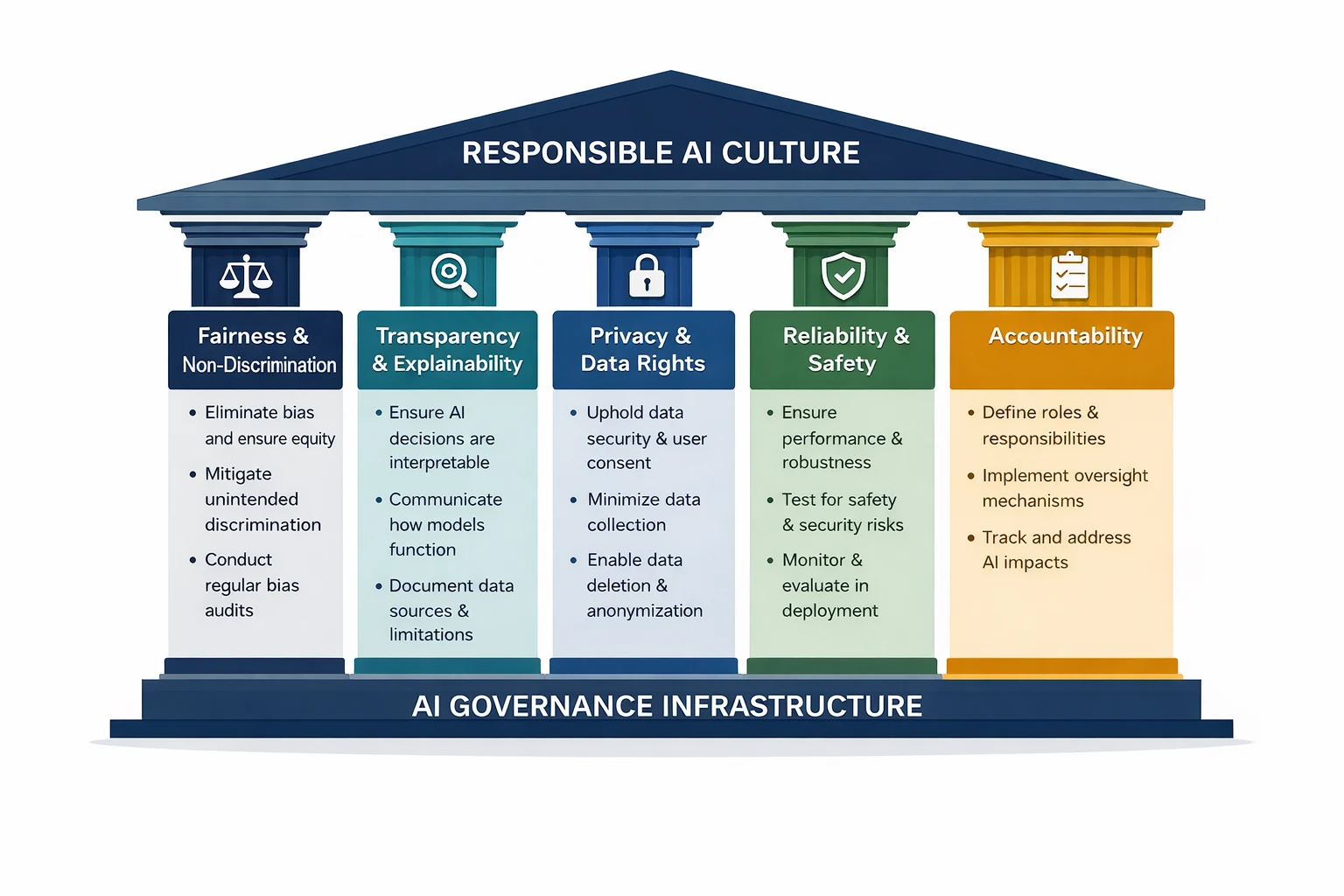
Figure 7.1. Responsible AI framework architecture.
7.3 Security Considerations for AI Systems
AI systems introduce security risks that are distinct from traditional software security concerns. Organizations deploying AI at scale must understand and address these risks systematically.
Prompt injection attacks are among the most significant security risks for LLM-based applications. In a prompt injection attack, malicious content embedded in user inputs or external data sources attempts to override the AI system's instructions, causing it to take unauthorized actions or reveal sensitive information. Mitigating prompt injection requires input sanitization, output monitoring, privilege minimization, and human review for high-stakes actions.
Model inversion and extraction attacks can compromise the intellectual property and privacy protections embedded in AI models. Model inversion attacks attempt to reconstruct training data from model outputs, a serious risk for models trained on sensitive personal data. Model extraction attacks attempt to replicate a model's behavior through systematic querying, stealing intellectual property. Defenses include output perturbation, query rate limiting, and watermarking.
Data poisoning attacks target the training pipeline, attempting to corrupt model behavior by injecting malicious examples into training data. As AI systems increasingly learn from data streams that include user inputs (through reinforcement learning from human feedback, for example), data poisoning becomes an increasingly important attack surface to protect.
Supply chain security for AI encompasses the models, datasets, and libraries that organizations build their AI systems on. The rapid adoption of open-source AI components means that AI supply chains are extensive and often opaque. Organizations must implement AI bill-of-materials practices, systematic vulnerability scanning of AI dependencies, and controlled evaluation processes for new AI components.
7.4 Regulatory Landscape and Compliance
The regulatory landscape for AI is evolving rapidly, with significant variation across jurisdictions. Organizations operating globally must navigate a patchwork of requirements that is growing in both breadth and specificity.
| Regulatory Framework | Key Requirements |
|---|---|
| EU AI Act (2024) | Comprehensive risk-based regulation classifying AI into unacceptable risk (prohibited), high risk (strict requirements), limited risk (transparency obligations), and minimal risk (no specific obligations) |
| GDPR / Data Protection Laws | Apply to AI systems processing personal data across the EU and many other jurisdictions. Key implications: right to explanation, data minimization, purpose limitation |
| US Executive Order on AI (2023) | Federal requirements for safety testing of frontier AI models, reporting obligations, and sector-specific standards for AI in critical infrastructure |
| China AI Regulations | Comprehensive regulations on generative AI, algorithmic recommendations, and deep synthesis technology with specific content and transparency requirements |
| Sector-Specific Regulations | Financial services, healthcare, and other regulated sectors face additional AI requirements from sectoral regulators (FCA, FDA, EBA, etc.) layered on top of general AI laws |
8. Building an AI-Ready Organization
Technology is never the limiting factor in AI transformation. The most powerful AI tools in the world cannot compensate for misaligned organizational structures, absent change management, and an unprepared workforce. Building an AI-ready organization requires deliberate investment in three areas: governance structures (particularly the AI Center of Excellence), change management, and workforce capability.
8.1 The AI Center of Excellence
The AI Center of Excellence (AI CoE) is the organizational hub that drives systematic AI capability building across the enterprise. While the specific design varies by organization size and structure, effective AI CoEs consistently perform five functions:
- Strategy and Governance: Maintaining the AI strategy, prioritizing the AI portfolio, and managing AI governance standards and policies.
- Methodology and Tooling: Developing and maintaining the standard methodologies, tools, and platforms that AI teams across the organization use.
- Talent Development: Building AI capability through training programs, communities of practice, and career development pathways for AI practitioners.
- Delivery Enablement: Supporting business units in their AI initiatives through embedded specialists, project oversight, and quality assurance.
- Knowledge Management: Capturing, curating, and disseminating learnings from AI deployments across the organization.
Organizations with a well-functioning AI CoE achieve 47% faster time-to-production for AI models, 63% higher AI project success rates, and 2.2x greater AI ROI compared to organizations without a CoE. The investment in centralized AI capability pays for itself many times over in accelerated business value delivery.
The most effective AI CoEs operate as business accelerators rather than technology gatekeepers. They are measured by the business outcomes their portfolio delivers, not by the technical sophistication of the models they build. They are staffed with a blend of technical AI expertise, business domain knowledge, and organizational effectiveness skills. And they are structured to work with business units as partners, not to control AI activity from a central tower.
8.2 Change Management for AI Transformation
Every successful large-scale AI deployment is also a significant organizational change program. AI transforms how work is done, what skills are valued, and how decisions are made. Organizations that manage this change proactively achieve dramatically better outcomes than those that treat AI as purely a technology initiative.
Effective AI change management follows the same principles that govern any major organizational transformation, with a few AI-specific additions:
Create a compelling narrative: Employees need to understand why AI is being adopted, how it will change their work, and what the organization's commitment is to managing that change responsibly. The narrative should be honest about disruption while being clear about the organization's obligations to the workforce.
Engage early and often: The people whose work will change most are the best sources of insight about where AI can help and what concerns need to be addressed. Involving frontline workers in AI design produces better systems and dramatically reduces resistance.
Make the benefits visible: People adopt AI when they see it making their work easier, more interesting, or more impactful. Early AI deployments should be designed to deliver visible user benefits, not just organizational efficiency.
Address the fear directly: Fear of job displacement is the elephant in the room of every AI deployment. Organizations that acknowledge this fear honestly, communicate their workforce commitments clearly, and actively support skill development achieve higher AI adoption rates and better employee trust scores.
Measure adoption, not just deployment: Many AI programs measure success by whether the system was deployed, not whether people are actually using it effectively. User adoption metrics, user satisfaction scores, and user feedback loops should be integral to every AI deployment's success criteria.
8.3 Workforce Reskilling and AI Literacy
The skill requirements of the AI era are different from what most organizations have historically developed in their workforce. Rather than requiring everyone to become an AI engineer, successful organizations develop layered AI capability across three workforce segments:
| Workforce Segment | AI Capability Requirements |
|---|---|
| AI Practitioners (5–10% of workforce) | Machine learning engineers, data scientists, AI product managers, MLOps engineers. Build and maintain AI systems. Require specialized technical education and practical experience. |
| AI Augmented Professionals (40–60% of workforce) | Knowledge workers who use AI tools to augment their professional capabilities. Need sufficient AI literacy to use tools effectively, prompt AI systems accurately, and recognize limitations. |
| AI-Informed Leaders (all managers and executives) | Leaders who make decisions about AI investment, governance, and strategy. Need conceptual AI literacy, understanding of AI capabilities and limitations, and governance frameworks. |
PwC's global AI workforce survey found that 77% of employees want to learn new skills to remain competitive in an AI-transformed workplace. The vast majority of employees are not resistant to AI; they are concerned about whether their organizations will invest in preparing them for it. Organizations that make credible, sustained investments in AI literacy and reskilling programs consistently achieve higher AI adoption rates, better AI outcomes, and stronger employee engagement.
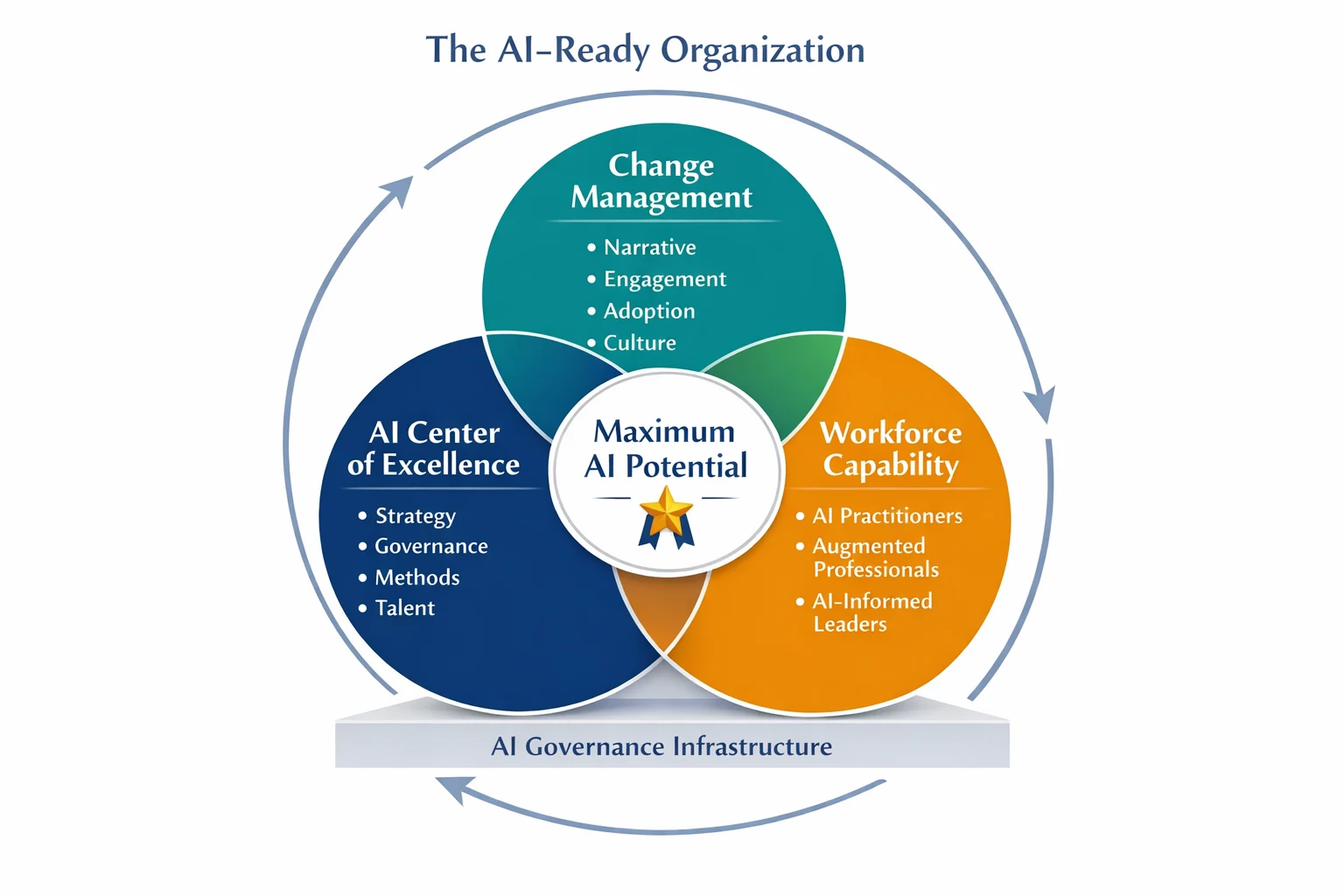
Figure 8.1. The AI-ready organization.
9. Measuring AI Success: KPIs, Metrics, and ROI
One of the most consistent observations from AI programs that underperform is the absence of rigorous measurement. Organizations that cannot demonstrate AI's business value clearly find it difficult to sustain investment, scale successful programs, or defend AI budgets in competitive capital allocation processes. AI ROI measurement is not just a reporting exercise; it is the feedback mechanism that enables continuous improvement.
9.1 The AI ROI Measurement Framework
AI ROI measurement must operate at three levels simultaneously: the individual use case level (is this specific AI application delivering value?), the portfolio level (is our AI investment program delivering aggregate value?), and the organizational capability level (are we building the capabilities that will drive long-term competitive advantage?).
At each level, the measurement framework should distinguish between:
- Input Metrics: What resources are we investing? (Costs, headcount, time)
- Activity Metrics: What are we building and deploying? (Models developed, applications deployed, users trained)
- Output Metrics: What is the AI producing? (Predictions made, documents processed, responses generated)
- Outcome Metrics: What business results is the AI driving? (Revenue growth, cost reduction, quality improvement, time savings)
- Impact Metrics: What is the strategic impact? (Market share, competitive position, innovation capability, customer trust)
The most common measurement failure in AI programs is focusing exclusively on output metrics (the AI made X predictions) without connecting to outcome metrics (those predictions saved Y hours or generated Z revenue). Output metrics measure the AI system's activity, not its value. Only outcome and impact metrics demonstrate the business case for AI investment.
9.2 Leading and Lagging Indicators
Effective AI measurement programs balance leading indicators (which predict future value but are visible quickly) with lagging indicators (which confirm value but take longer to materialize).
| Metric | Business Relevance |
|---|---|
| Leading Indicators (predict future value) | |
| AI adoption rate (% of target users actively using AI tools) | Predicts whether AI will deliver its potential business impact |
| Model performance metrics (accuracy, precision, recall) | Predicts quality of downstream business outcomes |
| Data quality scores | Predicts reliability and scalability of AI systems |
| AI literacy assessment scores | Predicts user effectiveness with AI tools |
| Time from idea to production deployment | Predicts organizational AI velocity |
| Lagging Indicators (confirm delivered value) | |
| Revenue impact attributed to AI (incremental revenue, protection) | Confirms top-line business value delivered |
| Cost reduction achieved through AI automation and optimization | Confirms bottom-line efficiency gains |
| Customer satisfaction improvements in AI-assisted interactions | Confirms customer experience value |
| Risk incidents prevented or detected by AI systems | Confirms risk management value |
| Employee productivity improvements (time saved per employee) | Confirms workforce augmentation value |
9.3 Communicating AI Value to the Board
Securing and maintaining board-level commitment to AI investment requires a communication approach that translates AI's complex technical achievements into clear business language. Board members are not interested in model accuracy statistics; they want to understand how AI is contributing to the organization's strategic objectives and whether the investment is generating appropriate returns.
Effective board-level AI reporting combines four elements:
- Strategic Alignment Scorecard: Shows how the AI portfolio maps to the top strategic priorities and the contribution each initiative is making to those priorities.
- Financial Dashboard: Presents AI costs, attributed revenues, cost savings, and ROI in aggregate and by major initiative. Includes trend analysis and comparison to plan.
- Capability Progress Report: Tracks progress on the five AI maturity dimensions, demonstrating that the organization is systematically building sustainable AI capability.
- Risk and Governance Report: Summarizes the AI risk landscape, governance framework status, and any incidents or near-misses that required remediation.
The ROI Reality Check: A comprehensive analysis of 500 enterprise AI programs by Google Cloud found that organizations with formal AI ROI measurement frameworks achieve 2.8x higher financial returns from their AI investments than those without formal measurement. The mechanism is straightforward: measurement enables organizations to identify what is working, accelerate successful programs, terminate unsuccessful ones, and continuously improve their approach. Without measurement, AI investment is essentially undirected spending.
10. The Future of AI Tools: What's Coming Next
The AI landscape of 2030 will look as different from today as today's landscape looks from 2020. The pace of technical advancement, commercial adoption, and regulatory development continues to accelerate. Organizations that track emerging trends and position themselves to leverage them early will find themselves consistently ahead of competitors who wait for full market maturity before acting.
10.1 Multimodal and Foundation Models at Scale
The next generation of foundation models is multimodal by default, equally capable of processing text, images, audio, video, code, and structured data within unified architectures. The practical implication is AI systems that can work with the full richness of information that businesses generate, not just text.
A multimodal AI agent could be assigned to 'review the quality inspection reports from last month's production run, analyze the associated camera footage, identify the root cause of the spike in defects in Week 3, and prepare a corrective action proposal with supporting evidence.' This kind of task currently requires coordinating multiple specialized systems and significant human synthesis work. Tomorrow's multimodal agents will handle it in hours.
Foundation model scale continues to grow, but the significant trend is toward more efficient models that achieve greater capability with fewer parameters through architectural innovations and better training procedures. This efficiency trajectory is critical for enterprise economics: it is making frontier AI capabilities accessible to a much broader range of organizations and use cases.
10.2 Autonomous AI Agents in the Enterprise
Agentic AI is graduating from impressive demonstrations to production deployment in leading organizations. The next two to three years will see a dramatic expansion in the scope and sophistication of agentic AI in enterprise settings, driven by better planning capabilities, more reliable tool use, improved error recovery, and growing enterprise tooling ecosystems.
Multi-agent systems, networks of specialized AI agents that collaborate on complex objectives, are emerging as particularly promising. A multi-agent system for financial analysis might comprise agents specialized in quantitative modeling, natural language understanding of analyst reports, regulatory compliance checking, and narrative synthesis. Each agent performs its specialized function; the system as a whole produces analysis that exceeds what any single agent (or human team) could produce alone.
The organizational implications of scaled agentic AI are profound. Knowledge work that currently requires teams of analysts, researchers, and specialists will be increasingly automatable. This will create both extraordinary efficiency opportunities and significant workforce disruption. Organizations that begin planning for this transition now, developing the governance frameworks, human-AI collaboration models, and workforce development programs required, will navigate it far more successfully than those that wait.
10.3 AI and the Reinvention of Work
The ultimate question surrounding AI in enterprise settings is not about technology, it is about people. How will the widespread deployment of increasingly capable AI systems change the nature of work, the skills that are valued, and the organizational structures that create value?
The historical evidence on transformative technologies is broadly encouraging: they tend to destroy jobs that consist primarily of routine tasks while creating larger numbers of new jobs that require human judgment, creativity, social interaction, and contextual reasoning. But this pattern operates at the aggregate economic level over decades; it provides little comfort to individuals displaced in the near term.
The organizations that will thrive in the AI era are those that approach the human-AI collaboration question with intentionality. Rather than deploying AI to replace human capabilities wherever technically feasible, they ask: where does AI augmentation produce the best outcomes for customers, employees, and the organization? They design human-AI workflows that give humans leverage over AI capabilities while preserving the human judgment, empathy, and accountability that AI cannot replicate.
The reinvention of work is ultimately an opportunity. Work that is augmented by powerful AI should be more fulfilling, more impactful, and more productive than work without it. Getting there requires conscious design of technology, of workflows, of organizations, and of the social contracts that bind them together.

Figure 10.1. The AI-augmented workforce of 2030.
Conclusion
The question is no longer whether AI will transform your industry. It already is. The question is whether your organization will be among those that shape the transformation or among those that are shaped by it.
Unlocking maximum AI tools potential is a multidimensional challenge. Technology alone is insufficient. Strategy without execution capability is aspiration. Talent without governance is a risk. Data without direction is noise. Each element of the AI potential framework reinforces the others, and the absence of any element limits the whole.
The organizations leading in AI maturity have internalized a crucial insight: AI is not a technology initiative. It is a business transformation program that uses technology. The best AI program in the world, poorly aligned with business strategy and poorly managed as an organizational change, will underperform. A more modest AI program, superbly aligned and meticulously managed, will consistently outperform.
The good news is that the path is clear. The barriers are known. The solutions are proven. The organizations that have unlocked AI's maximum potential have done so by following recognizable patterns: starting with strategy, investing in data, building systematic governance, developing talent holistically, measuring rigorously, and treating AI adoption as an ongoing capability-building program rather than a series of discrete projects.
Where you start matters less than that you start, and that you start with clarity about where you are going. The organizations that begin their AI journey with a systematic readiness assessment, a clear portfolio strategy, and executive-level commitment to AI-powered automation across all five maturity dimensions will find their investments compounding in value over time. Those that continue to approach AI as a series of ad hoc experiments will continue to find that the technology's promise exceeds its delivered results.
The era of AI potential is now. The organizations that unlock it will define the competitive landscape of the next decade. The tools, the frameworks, and the evidence are all available. The only question is whether your organization will choose to use them with the discipline, investment, and organizational commitment that maximum AI potential demands.
The Five Actions to Take This Quarter:
- Conduct a formal AI readiness assessment across all five maturity dimensions.
- Identify and prioritize five AI opportunities using the value vs. feasibility matrix.
- Establish or strengthen your AI governance framework before scaling deployment.
- Launch an AI literacy program for your leadership team and key business units.
- Commit to formal AI ROI measurement for every active AI initiative.
About Citrusbug
Citrusbug is an award-winning AI development agency specializing in custom AI models, agentic systems, workflow automation, and enterprise AI strategy. We help organizations move from AI potential to AI performance with deep expertise across the full AI tools landscape.
Visit citrusbug.com, email hello@citrusbug.com, or call +1 510 561 8188 to discuss how we can help your organization unlock maximum AI potential.
References and Further Reading
Industry Research and Reports
- McKinsey Global Institute. (2025). The State of AI in 2025: Enterprise Adoption and Value Creation. McKinsey & Company.
- Deloitte. (2025). State of AI in the Enterprise. Deloitte Insights.
- Gartner. (2025). AI Deployment and Governance Survey: Enterprise Technology Leaders. Gartner Research.
- Boston Consulting Group. (2025). AI Strategy Alignment in Fortune 500 Organizations. BCG Henderson Institute.
- PwC. (2024). Unlocking the Power of AI: Enterprise Transformation Through Data and Artificial Intelligence. PwC Global.
- Cognizant. (2025). The Enterprise Guide to Agentic AI. Cognizant Technology Solutions.
- Fujitsu. (2025). Unlocking AI's Full Potential: The Key to Business Transformation. Fujitsu Uvance Wayfinders.
- Google Cloud. (2025). The ROI of Generative AI: Enterprise Value Creation Analysis. Google Cloud.
- Eraneos. (2025). Maximizing the Potential and Security of AI Tools. Eraneos Group.
- e& UAE / Etisalat. (2024). Unleashing the Power of AI: How e& UAE is Shaping the Future of AI in Telecommunications and Beyond. e& Group.
- Stanford Human-Centered AI Institute. (2025). AI Index Report 2025. Stanford University.
- World Economic Forum. (2025). Future of Jobs Report 2025: Skills and Workforce Transformation in the AI Era. WEF.
- MIT Computer Science and Artificial Intelligence Laboratory. (2025). Data Quality and AI Performance: A Comprehensive Analysis. MIT CSAIL.
Technology and Regulatory Frameworks
- European Commission. (2024). Artificial Intelligence Act (EU AI Act). Official Journal of the European Union.
- National Institute of Standards and Technology. (2023). Artificial Intelligence Risk Management Framework (AI RMF 1.0). NIST.
- OECD. (2024). Recommendation of the Council on Artificial Intelligence. OECD Publishing.
Online Resources
- Citrusbug Technology Solutions: citrusbug.com – AI strategy, development, and implementation services for enterprises.
- Anthropic Research: anthropic.com – Research on responsible AI development and deployment.
- Google AI Research: ai.google – Latest AI research, tools, and enterprise deployment guidance.
- OpenAI Enterprise: openai.com/enterprise – Enterprise AI deployment frameworks and best practices.