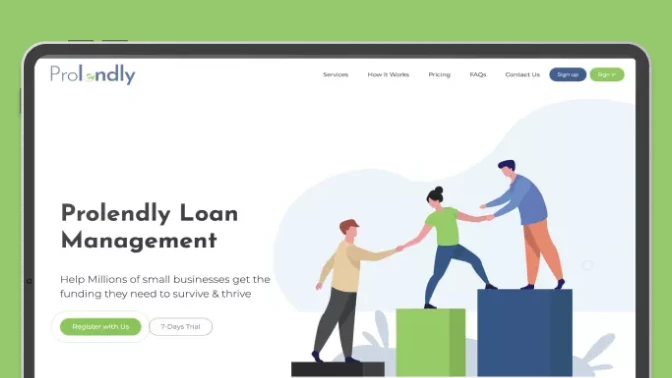
Prolendly
We built an extensive SaaS architecture that helps businesses connect the dots between conceptualization and funding.
Trusted Data Integration Service Providers By
From legacy database connectors to real-time streaming and cloud-native pipelines, Citrusbug covers the full spectrum of enterprise data integration without gaps between where one team's tooling ends and another's begins.
We design automated extract, transform, load pipelines for structured batch workloads, and extract, load, transform pipelines when raw data needs to land fast and get shaped downstream. Incremental extraction and schema mapping keep pipelines fast without re-processing full datasets on every run.
REST and GraphQL endpoints connect applications that were never built to talk to each other. Webhook-driven and event-bus patterns move data the moment something changes instead of waiting on a nightly job, with versioned contracts so a downstream change doesn’t silently break the pipeline.
Kafka-based streaming and log-based CDC push changes to operational dashboards, fraud models, and AI agents within seconds of the source system updating. This matters most where a stale read causes a bad decision, not just a slow report.
Multi-cloud sync, on-premises connectors, and adapters for SFTP, EDI, and mainframe feeds keep the systems your zero-ETL shortcuts can’t reach still flowing into the same governed layer. The deployment model follows what your infrastructure actually looks like, not a preferred vendor stack.
Talk to an engineer about your current systems and where the gaps are costing you time.
Book a 30-min CallMost companies do not set out to build a tangled integration layer. A sales tool gets connected to the CRM with a quick script. A finance report pulls from three systems through a scheduled export nobody remembers writing. Two years in, nobody can say with confidence which system is the source of truth for customer records, and every new hire has to be walked through the exceptions by hand.
That is integration debt, and it does not show up on a balance sheet. It shows up as a data engineer manually re-running a failed export every week instead of building anything new, and as custom ETL integration pipelines getting patched instead of replaced because nobody has time to do it properly. Not another point tool. What actually fixes it is a layer built to be understood by whoever inherits it.
Every pipeline run checks incoming data against the expected schema before it lands, catching a renamed field or a dropped column the moment it happens instead of three reports downstream when someone notices the numbers look wrong.
Every transformation is logged so a number in a dashboard can be traced back to the exact source record and the exact rule that changed it, which matters the first time an auditor or a finance lead asks where a figure came from.
Pipelines are built to fail safely. A dropped connection or a timed-out API call triggers a retry instead of a duplicate record, and writes are designed so running the same batch twice never doubles the data.
Source APIs change without warning. Connectors are versioned so a vendor’s breaking API update gets caught in a lower environment first, not discovered live when a pipeline silently starts dropping records.
Reverse ETL pushes cleaned, governed data back into the operational tools your team already uses, and increasingly into the AI agents that need current data to act on rather than a stale nightly snapshot.
Before any pipeline gets built, we map every source and destination system, the data volume moving through each one, and where the current process breaks down. This includes reviewing existing scripts, export jobs, and any undocumented connections nobody remembers setting up, so the plan is based on what is actually there, not what the org chart says is there.
Based on the audit, we choose the integration pattern for each connection. Some systems need real-time streaming, others are fine on a nightly batch, and a few legacy systems only support flat file exports over SFTP. The architecture is documented before a single connector is built, so the team building it and the team maintaining it later are working from the same map.
Pipelines and connectors are built in a lower environment first, against realistic data volumes, not sample datasets. Schema validation, retry logic, and logging are built in from the start rather than added after something breaks in production, since retrofitting error handling into a pipeline that already looks like it works is where most integration projects lose time.
Every pipeline is tested against edge cases before go-live, including partial failures, duplicate records, and what happens when a source system sends a field it has never sent before. Data is validated against the source at the record level, not just checked for a matching row count, since matching counts can hide mismatched values.
Once a pipeline is live, monitoring and alerting flag failures before a downstream report goes stale, and full documentation is handed over so your team can maintain the integration without calling us for every schema change. We stay involved for tuning and scaling as data volume grows, on the terms that make sense for your team.
Cost depends far more on integration pattern and system count than on industry. The breakdown below reflects what feeds into business intelligence solutions and operational reporting most often costs in practice.
| Integration Type | Systems Involved | Typical Timeline | Estimated Cost | Complexity |
|---|---|---|---|---|
|
Point-to-Point Integration |
2-3 systems |
3-5 weeks |
$8,000-$25,000 |
Low |
|
Departmental Integration |
4-6 systems, single team |
5-9 weeks |
$25,000-$70,000 |
Medium |
|
Real-Time Streaming Layer |
Event-driven, multiple consumers |
8-12 weeks |
$70,000-$150,000 |
High |
|
Enterprise-Wide Integration Program |
10+ systems, legacy plus cloud |
14-24+ weeks |
$150,000-$250,000+ |
Very High |
Every integration we build carries the same governance layer regardless of pattern, covering how data is validated, encrypted, and tracked from source to destination. For clients whose data flows touch regulated systems, this pairs with dedicated enterprise system integration planning before a single connector goes live.
The right pattern depends on how fresh the data needs to be, how many systems are involved, and what your current infrastructure can actually support. Here is how the common patterns compare when you are deciding between them.
Best for nightly reporting jobs
Predictable, scheduled data volume
Complex transformations before loading
Works well with legacy databases
Load first, transform after
Handles structured and unstructured data
Scales with cloud warehouse compute
Faster time to available data
No physical data movement
Unified view across systems
Best when data can’t be copied
Adds query-time latency
Sub-second data propagation
Powers dashboards and fraud checks
Requires message queue infrastructure
Higher operational complexity
Pushes warehouse data to tools
Feeds CRM, support, ad platforms
Increasingly feeds AI agents
Runs on a schedule or trigger
Combines batch and streaming
Common in cloud migrations
Bridges legacy and modern systems
Most enterprise environments end up here
Costs typically run from $8,000 for a simple point-to-point integration to $250,000 or more for an enterprise-wide program spanning legacy and cloud systems.
Share your current setup and we will scope a realistic range within two business days.
Healthcare, financial, and insurance data carries compliance obligations that do not pause during an integration project. Our security and compliance services are built into the pipeline architecture itself, not bolted on after testing.
GDPR-compliant data residency and access controls
SOC 2 Type II audit trail on every pipeline
HIPAA-aware handling for healthcare-adjacent data flows
Role-based access enforced at the integration layer
We design around the systems you already run, not around which integration platform we have a reseller deal with. The stack fits your infrastructure, not the other way around.
Schema validation, lineage tracking, and access controls are part of the pipeline design from the first connector, not a compliance pass added right before launch.
SFTP drops, EDI feeds, and mainframe exports get the same engineering attention as a modern REST API, since most enterprise environments still run on at least one of them.
We map your actual systems and data dependencies before a connector gets written, so the architecture is based on what exists, not what the diagram claims exists.
We built an extensive SaaS architecture that helps businesses connect the dots between conceptualization and funding.
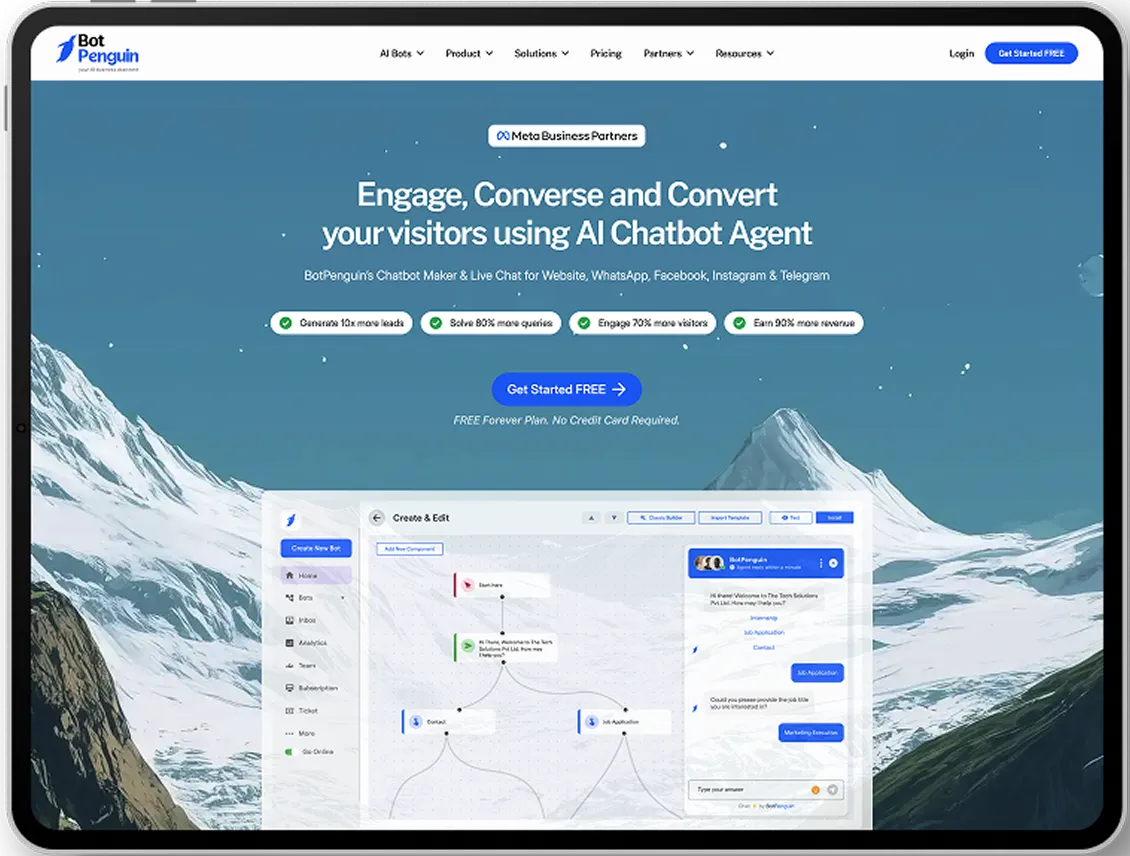
AI course recommendation bot is a virtual academic advisor that can help students select the most suitable courses based on their academic history, interests, career goals, and past performance without any information bias.
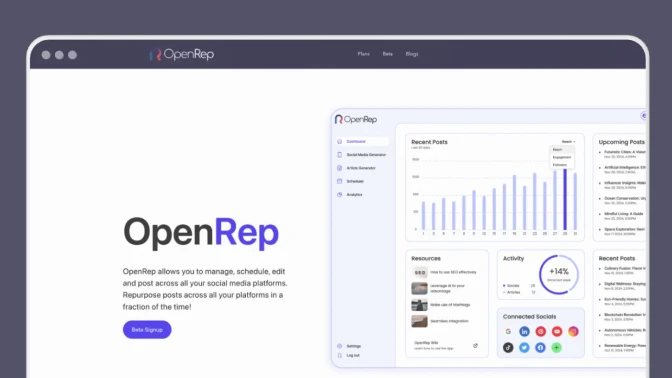
OpenRep.AI is an AI-driven social media management platform that streamlines content creation, post scheduling, performance analytics, and monetization across multiple social media platforms.
Introduction AI is transforming ecommerce into data-to-decision, in real time. Online shopping is quicker and more efficient as retailers are now using machine learning to recommend products, chat support, and…
Read Article →
Introduction In today’s business world, several buzzwords have become increasingly popular, and one of the most prominent is digital transformation. However, the term is often used superficially without a clear…
Read Article →
With the rapid increase in the popularization of mobile applications, the focus is now on understanding the process to build amazing apps and not just a common one. An efficient…
Read Article →Most data integration services engagements run 3 to 24 weeks depending on scope. A point-to-point integration can ship in a few weeks, while an enterprise-wide streaming program with legacy systems typically takes several months.
Yes. We build connectors for SFTP, EDI, and mainframe exports alongside modern REST and GraphQL APIs, so legacy systems without native APIs still feed into the same governed pipeline.
Yes. We build reverse ETL pipelines that push governed warehouse data back into operational tools and AI agents that need current data to act on, not a stale snapshot.
Schema validation catches the change on the next pipeline run and triggers an alert before it reaches your reporting layer, rather than surfacing as a silent data quality issue weeks later.
You do. Full source code, architecture documentation, and lineage records are handed over at delivery, so your team can maintain the integration without depending on us for every change.
Encryption in transit and at rest, role-based access controls, and audit logging are built into the pipeline architecture from the start, aligned to GDPR, SOC 2, and HIPAA where relevant.
Yes. Most engagements start with batch or scheduled integration and add event-driven streaming for specific high-value use cases once the foundational pipelines and governance layer are stable.
An iPaaS platform is a tool you still have to configure and maintain. We design the architecture, build the connectors, and hand over documentation your team can actually run.