















Explore our Healthcare Technology Offerings Citrusbug Healthcare → Citrusbug Healthcare →
Let’s Talk

Commercial Real Estate Software Built for How You Actually Operate

Most commercial real estate platforms are built on a schema designed for a single owner with one property. Your portfolio probably isn't that simple. It runs through multiple entities, joint ventures, and reporting lines that off-the-shelf tools were never designed to reflect. We build software around the way your portfolio is actually structured, not a repurposed template.

Commercial Real Estate Software Built for
500+
Projects Delivered
98%
Client Retention Rate
12+
Years of Industry Experience

Certified By

SOC 2 SOC 2
GDPR GDPR
CCPA CCPA

Trusted by industry leaders

Bosch
Deloitte
eClinicalWorks
Epic Systems
Flipkart
McKinsey
HSBC
Softbank
Allianz
Airbnb
United Health
Phelic
Sun Pharma
Target
US Foods
Advinow

Certifications and Accreditations

What We Build for Commercial Real Estate Teams

Multi-Property Portfolio Dashboards

Real-time occupancy, vacancy, and asset performance rolled up across every property in the portfolio, filterable by asset class, market, or ownership entity, so a portfolio manager sees the full picture without pulling three spreadsheets together first.

Lease Lifecycle and CAM Automation

Digital lease creation, e-signature workflows, automated rent escalation triggers, and CAM reconciliation logic built into the platform, so renewal deadlines and cost pass-throughs stop depending on someone remembering to check a calendar.

Investment and Cap Rate Analysis Tools

ROI modeling, cap rate calculation engines, and cash flow scenario forecasting that account for how the asset is actually financed, giving investment teams a live view instead of a static spreadsheet that’s outdated the moment a lease changes.

Commercial Real Estate CRM and Deal Pipelines

Lead and deal tracking built for brokerage workflows, with commission calculation, activity history, and pipeline stages that match how commercial deals actually move, not a residential CRM with different field labels.

Still Reconciling Portfolio Data by Hand?

Tell us how your entities, leases, and reporting lines connect, and we'll show you what a platform built around that structure looks like.

Book a Discovery Call

Off-the-Shelf Tools Weren't Built for How You Operate

Most commercial real estate teams run on a patchwork of a generic CRM, a separate document repository, and a rent roll that lives in Excel because nothing else captures it correctly. Each system has its own version of the truth, and reconciling them before a board meeting or an investor call eats hours that should go toward the deal itself.

That works until the portfolio grows past a size where manual reconciliation is sustainable, or an investor asks for reporting the spreadsheet was never built to produce. At that point, the constraint isn’t headcount. It’s the software.

The Data Model Most CRE Software Gets Wrong

Most commercial real estate software, whether it's a customized CRM or a property management platform, adapts a generic schema built for single-owner assets. That's the wrong starting point for a lot of commercial portfolios. Not a starting point. A structural mismatch. Commercial real estate is rarely owned by one entity in a straight line. It runs through multi-entity holding structures, joint venture partnerships with waterfall distributions, and cross-entity reporting obligations that a generic property or CRM schema simply doesn't model.
Multi-Entity Ownership as a First-Class Object

We model ownership structure into the data layer itself, not as a tag on a property record, so reporting and access control follow the actual legal and financial structure of the portfolio.

Waterfall Distributions Built Into Reporting

JV and fund-level waterfall logic runs natively in the platform’s financial layer, so distribution reporting doesn’t require a separate model maintained outside the system of record.

Cross-Entity Rollups Without Manual Reconciliation

Portfolio-level dashboards pull from entity-level data automatically, giving asset managers a consolidated view without a spreadsheet stitching separate exports together.

Built to Connect With the Systems You Already Run

A platform that can't talk to your existing accounting, CRM, and listing systems just becomes one more silo. We build integration-ready architecture from day one, with direct API connections into the tools that already hold your financial and deal data, so the new platform becomes the system of record instead of another disconnected point solution.

  • Direct API integration with Yardi and MRI Software
  • Salesforce and MLS/IDX data synced automatically
  • AI lease abstraction pulling terms straight from PDFs
  • Role-based access mapped to entity ownership structure

How a Commercial Real Estate Platform Gets Built

1

Discovery and Portfolio Mapping

We start by mapping how your portfolio is actually structured, ownership entities, JV agreements, reporting obligations, and the systems currently holding that data. This becomes the technical brief the rest of the build works from, not a generic requirements doc.

2

Data Model and Architecture Design

Before any interface gets designed, we define how ownership, leases, and financials relate to each other in the data layer. Getting this wrong is the single most common reason CRE platforms need a costly rebuild eighteen months in.

3

Legacy Data Migration Planning

If you're moving off Yardi, MRI, or a legacy point solution, we map every field that needs to migrate and flag data quality issues before migration starts, not after records show up broken in the new system.

4

Build and Integration

Engineers build the platform in sprints against the architecture from step two, with API integrations to your accounting, CRM, and listing systems developed in parallel rather than bolted on at the end.

5

Testing Against Real Portfolio Scenarios

QA runs against actual edge cases from your portfolio, multi-entity rollups, mid-lease escalations, JV distribution splits, instead of generic test data that never surfaces the bugs that matter.

6

Launch, Training, and Handover

We deploy with full documentation and hands-on onboarding for your team, so day one on the new platform doesn't mean relearning your own workflows from scratch.

Software for Every Segment of Commercial Real Estate

Commercial Property Management Companies

Commercial Property Management Companies

Multi-property operations software covering occupancy tracking, maintenance workflows, and tenant communication across a growing asset base.

Real Estate Investment Firms and REITs

Real Estate Investment Firms and REITs

Investor reporting, fund distribution tracking, and portfolio-level financial modeling built for how institutional capital gets managed. 

Commercial Real Estate Brokerages

Commercial Real Estate Brokerages

Deal pipeline, commission tracking, and client relationship tools shaped around how commercial transactions actually move from lead to close.

Retail and Office Space Operators

Retail and Office Space Operators

Lease administration and CAM reconciliation software for operators managing tenant mix, renewal cycles, and space utilization across a property.

What Different Builds Actually Cost

Cost depends on how complex your reporting structure is and how many systems the platform needs to talk to. Here's how most commercial real estate builds break down.

$25,000 to $50,000

Best for a single dashboard or module. 8 to 12 weeks.

  • Portfolio or occupancy dashboard
  • One or two system integrations
  • Standard reporting views
  • No multi-entity logic required

$50,000 to $90,000

Best for a lease and CRM platform. 4 to 6 months.

  • Lease lifecycle automation with CAM reconciliation
  • CRM and deal pipeline tools
  • Yardi, MRI, or Salesforce integration
  • Role-based access controls

$90,000 to $150,000+

Best for a full platform with AI and legacy migration. 6 to 12 months.

  • Multi-entity and JV waterfall reporting
  • AI-driven lease abstraction
  • Legacy system data migration
  • ESG and compliance reporting pipelines

Compliance and ESG Reporting, Built In From the Start

Regulatory pressure on commercial real estate has shifted. ADA and zoning documentation still matter, but the sharper edge right now is emissions and sustainability reporting, with frameworks like NYC Local Law 97, CSRD, and GRESB requiring auditable data trails that most legacy systems were never built to produce.

Centralized document repository with version control for ADA, zoning, and fire safety records Emissions and energy data pipelines structured for Local Law 97, CSRD, and GRESB-aligned reporting Audit-ready approval workflows with a full change history attached to every record SOC 2 and GDPR-aligned data handling across the platform by default
Talk to Us About Compliance

Client Testimonials (We're Rated 4.7 on Clutch)

Real Estate Platforms We've Already Delivered

View All Case Studies →
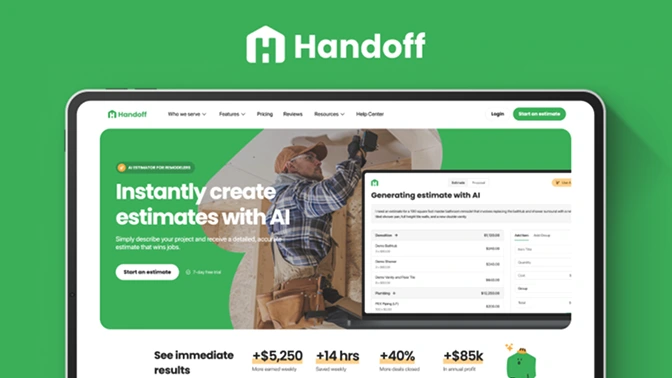
Real Estate Handoff

Handoff

Manual renovation cost estimation created costly delays and inconsistent pricing for real estate professionals. We built an intelligent estimation platform that automated the process and cut quote turnaround time significantly.

View More
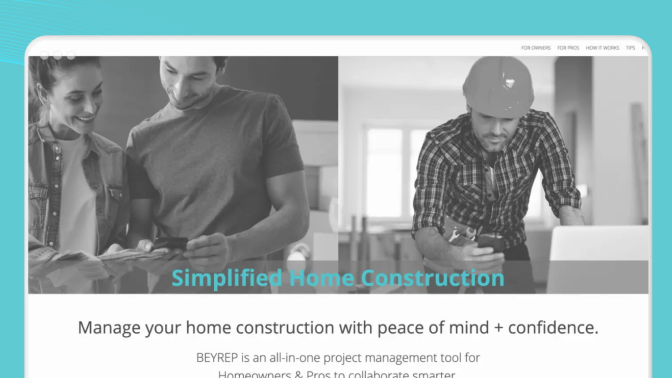
Real Estate Beyrep

Beyrep

Homeowners and real estate professionals struggled to coordinate construction and renovation projects without a centralized system. We delivered a digital project management platform that streamlined communication, documentation, and progress tracking in one place.

View More
Real Estate Jenga Nasisi

Jenga Nasisi

Real estate developers lacked a reliable single-source marketplace for building materials and hardware procurement. We built an end-to-end online marketplace that simplified supplier discovery, ordering, and delivery management.

View More

How Much Does Commercial Real Estate Software Development Cost?

Cost depends on portfolio complexity, the number of system integrations, and whether legacy data migration is involved. Most CRE platforms fall between $30,000 and $150,000. Book a free discovery call for a real estimate based on your portfolio.


    Your data and info stays secure. Read our Privacy Policy.


    Why Commercial Real Estate Teams Choose Citrusbug

    Portfolio-First Architecture

    We design the data model around how your portfolio is actually owned and financed before a single screen gets built, so reporting reflects your real structure instead of a generic property schema stretched to fit.

    We’ve mapped and migrated data out of Yardi, MRI, and homegrown spreadsheet systems without losing lease history or breaking reconciliation, which is where most CRE migrations quietly go wrong.

    Requirements, workflow mapping, and architecture decisions happen before development starts, so the build matches how your team actually works instead of how a generic template assumes they do.

    Cost-Optimized Cloud Deployment

    Infrastructure sized and configured for your actual portfolio scale, not over-provisioned for hypothetical growth you’re not paying to support yet.

    Full Source Code Ownership

    You own the complete codebase and data at delivery, with an NDA in place from day one and no vendor lock-in built into the architecture.

    Post-Launch Support

    L1 through L3 support options after launch, so the platform keeps working the way it was designed to as your portfolio and reporting needs change.

    We Stay Past Launch

    A commercial real estate platform isn’t finished the day it ships. Portfolios grow, ownership structures change, and reporting requirements shift as ESG frameworks get stricter. We provide ongoing performance monitoring, feature updates, and technical support so the platform keeps pace with your business instead of becoming next year’s legacy system.

    Popular Post on Real Estate & AI

    7 Top Real Estate Apps for 2026
    7 Top Real Estate Apps for 2026 Application Development

    7 Top Real Estate Apps for 2026

    Searching for a top real estate app to either buy or sell properties effortlessly? We live in an information age, and technology is vital to linking buyers to sellers and…

    Read Article →
    AI Chatbots in Real Estate: How to Qualify Leads Without Lifting a Finger
    AI Chatbots in Real Estate: How to Qualify Leads Without Lifting a Finger Artificial Intelligence

    AI Chatbots in Real Estate: How to Qualify Leads Without Lifting a Finger

    In today’s competitive real estate market, staying ahead means more than just closing deals. In real estate today, you need to stay connected with clients, respond faster, and create a…

    Read Article →
    Real Estate CRM Statistics: Market Size, Adoption, and AI Trends
    Real Estate CRM Statistics: Market Size, Adoption, and AI Trends Custom Software Development

    Real Estate CRM Statistics: Market Size, Adoption, and AI Trends

    The real estate industry has always run on relationships, but real estate CRM statistics now reveal just how fundamentally software has changed the way those relationships are managed at scale.…

    Read Article →

    Commercial Real Estate Software Development FAQs

    What happens to our data when we migrate off Yardi or MRI?

    We map every field before migration starts and flag data quality issues in advance, so lease history and reconciliation records transfer intact instead of showing up broken in the new system.

    Can the platform handle multi-entity or joint venture ownership structures?

    Yes. We model ownership structure directly into the data layer, including JV waterfall distributions, so reporting reflects how the portfolio is actually owned rather than a flattened generic structure.

    What's included in the discovery phase before you start building?

    Portfolio and workflow mapping, systems audit, and a data model design session. You get a clear architecture plan and cost estimate before any development begins.

    Can your software integrate with Yardi, MRI, or Salesforce?

    Yes. We build direct API integrations with leading real estate and accounting platforms, including Yardi, MRI Software, Salesforce, and MLS/IDX feeds.

    Do you build AI lease abstraction into custom platforms?

    Yes, when it fits the workflow. We integrate AI-driven document automation for lease term extraction, though complex leases still get a human review pass before terms go live.

    Does the platform support ESG and emissions reporting requirements?

    Yes. We structure energy and emissions data pipelines to support Local Law 97, CSRD, and GRESB-aligned reporting with an auditable data trail.

    Who owns the source code and data after launch?

    You do, in full, at delivery. There's no vendor lock-in built into the architecture and an NDA is in place from the start of the engagement.

    Do you offer post-launch support and maintenance?

    Yes, with L1 through L3 support options, so the platform keeps working correctly as your portfolio and reporting needs evolve.

    Let's Build Your Commercial Real Estate Platform

    Replace the spreadsheets and disconnected point solutions with a platform engineered around how your portfolio actually works.