











Explore our Healthcare Technology Offerings Citrusbug Healthcare → Citrusbug Healthcare →
Let’s Talk

Data Governance Services Built Into Your Systems

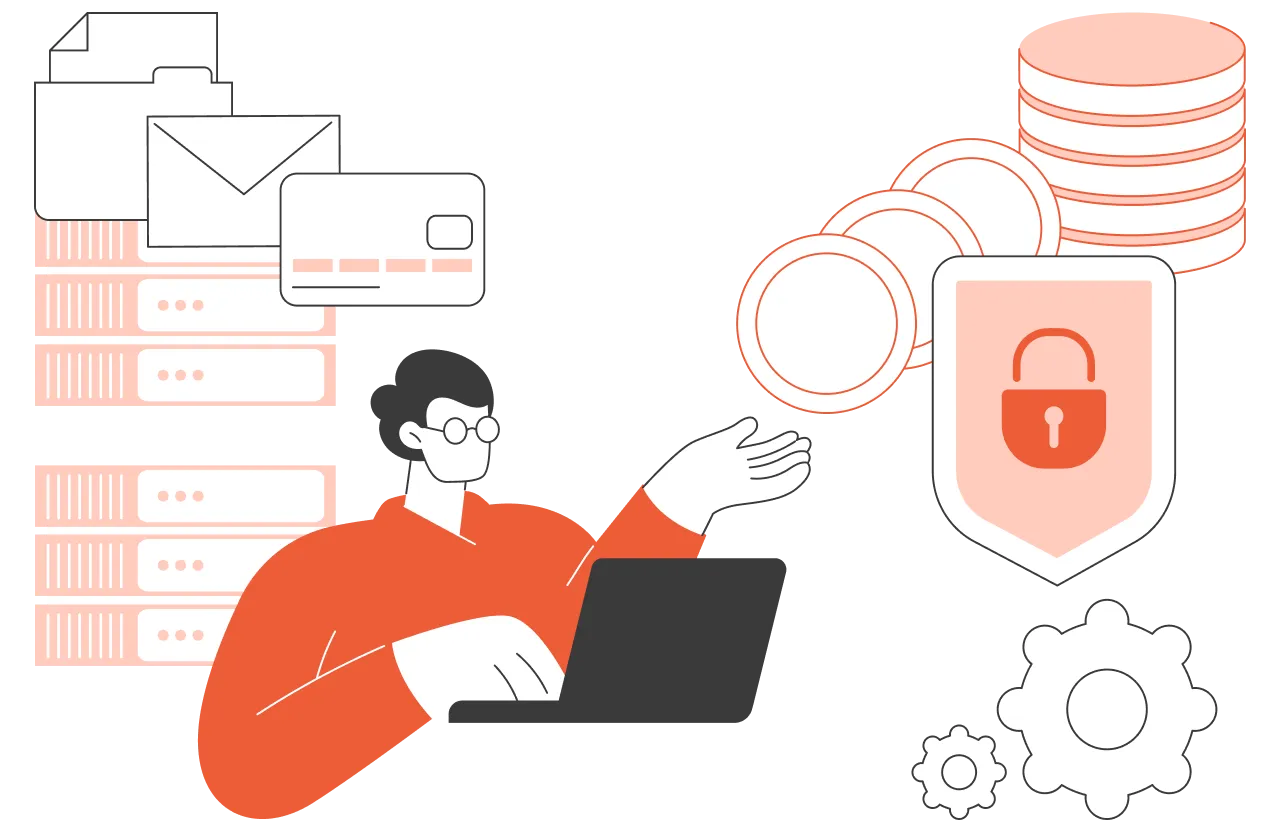
Most data governance engagements hand you a framework and a stack of policy documents, then leave the catalog, lineage tracking, and access controls for your team to build. As an experienced data governance services provider, Citrusbug builds the working infrastructure itself, so ungoverned data stops blocking your analytics, compliance, and AI initiatives.

Data Governance Services Built Into Your Systems
500+
Projects Delivered
98%
Client Retention

Certified Excellance

PCI DSS PCI DSS
GDPR GDPR
SOC 2 SOC 2
HIPAA HIPAA

Trusted Data Governance Service Providers By

Bosch
Deloitte
eClinicalWorks
Epic Systems
Flipkart
McKinsey
HSBC
Softbank
Allianz
Airbnb
United Health
Phelic
Sun Pharma
Target
US Foods
Advinow

Certifications and Accreditations

What a Complete Data Governance Framework Covers

Data teams typically spend more time preparing and cleaning data than analyzing it. That is rarely a tooling gap. It is the absence of enforced ownership, quality rules, and lineage between the systems that create data and the systems that depend on it. A real data governance framework closes that gap with structure that holds under daily use, not a binder that gets referenced once.

Data Policy and Classification Standards

Enterprise-wide policies, PII classification, naming conventions, and quality thresholds that turn “handle data carefully” into rules a system can actually enforce.

Metadata Catalog and Lineage Tracking

A centralized catalog showing what data exists, who owns it, and how it moved, so no team is reverse-engineering a dashboard’s source of truth from Slack threads.

Automated Data Quality Controls

Validation rules and anomaly detection that catch bad data before it reaches a report, a model, or a compliance filing, not after.

Regulatory Compliance and Access Governance

Access controls, audit trails, and lineage aligned to GDPR, CCPA, SOC 2, and HIPAA, built so an auditor’s request takes minutes instead of a week.

Is Ungoverned Data Quietly Becoming Your Biggest AI Risk

Every AI initiative your team ships is only as trustworthy as the data feeding it. When ownership is unclear and lineage stops at the warehouse door, model outputs inherit every unresolved data quality issue upstream, and nobody can trace why it happened.

That risk used to be a reporting accuracy problem. Now it’s a model risk problem, and regulators are starting to ask for the paper trail behind it. A data engineering foundation without governance on top is a liability wearing an analytics dashboard, and it only gets more expensive to unwind the longer AI initiatives run on top of it.

See Where Your Governance Actually Stands

A short assessment shows exactly which data domains, systems, and AI initiatives are exposed today.

Talk to a Data Governance Expert

How Data Governance Connects Across Your Enterprise Stack

Governance policies that live in a separate document from your actual data infrastructure decay fast. A rule that isn't enforced at the warehouse, the pipeline, and the catalog layer gets ignored the first time it slows someone down. That's why the integration layer matters as much as the policy itself.

Most enterprises we work with are running a mix of cloud warehouses, a partially adopted catalog tool, source systems that predate the governance conversation entirely, and a BI layer nobody fully trusts. Governance has to sit across all of it, not bolted onto whichever system was easiest to reach first.
Data Warehouses and Lakehouses

Governance enforced directly inside Snowflake, Databricks, and BigQuery environments, using their native lineage and access primitives rather than a shadow system next to them.

Existing Catalog and Governance Tools

Integration with Collibra, Alation, or Microsoft Purview where one is already in place, so prior investment gets extended instead of replaced.

Source Systems and Core Platforms

ERP, CRM, and core operational systems connected into the governance layer at the point where data actually originates.

BI and Reporting Layers

Downstream dashboards and reports tied back to governed source data, so “which number is correct” stops being a weekly argument.

From Governance Frameworks to Working Data Controls

Most data governance vendors are advisory firms. They hand over a framework, a maturity roadmap, and policy documents, leaving your engineering team to build the catalog, wire up lineage tracking, and implement the access controls those plans only describe. Our data governance services turn that strategy into working infrastructure, with governance controls built directly into your existing data stack.

Metadata Catalog Build

We implement the actual catalog, whether that means extending Unity Catalog, Purview, or a tool you already own, with real data domain ownership assigned, not placeholder fields.

Lineage Engineering

Column-level and pipeline-level lineage wired into your existing infrastructure, so tracing a number back to its source is a query, not a meeting.

Access Governance Implementation

Role-based access controls and audit trails built directly into your data platform, mapped to the regulations that actually apply to each data domain.

Quality Rule Automation

Validation and anomaly detection deployed as running code in your pipelines, catching bad data before it reaches a report or a model.

Data Governance Services Built Into the Architecture

Governance can no longer stop at the data warehouse. Unified control planes are increasingly governing data assets, AI models, vector embeddings, and autonomous agents from a single layer, and regulators now treat that scope as the baseline expectation, not an advanced capability. Our data governance services are architected around that reality from the start, so your compliance posture holds up as tools and platforms underneath it change.

  • GDPR and CCPA data mapping built in
  • SOC 2 Type II aligned access controls
  • HIPAA-ready PHI classification and audit trails
  • EU AI Act model risk documentation
  • Unified governance across catalogs and AI agents

Our Data Governance Implementation Process

1

Governance Maturity Assessment

Current data ownership, quality practices, policy gaps, and tooling get audited across your priority data domains, then benchmarked against GDPR, CCPA, SOC 2, and HIPAA where each applies. The output is a governance baseline and a prioritized roadmap your team can act on immediately.

2

Framework and Policy Design

This stage turns findings into rules. Data domains get defined, ownership assigned by name, and classification and quality standards built into the governance operating model, so the framework describes exactly what the technical build will enforce.

3

Catalog and Lineage Implementation

Your metadata catalog gets deployed or extended here, with pipeline and column level lineage wired in and access governance implemented directly inside existing infrastructure, integrating with the warehouses, ERP, and BI tools already in use.

4

AI and Agent Governance Extension

The same governance layer now extends to AI models, vector embeddings, and autonomous agents, including controls on what an agent can query and which tools it can invoke. AI governance and data governance start running as one system instead of two.

5

Operationalization and Continuous Improvement

Governance councils and stewardship programs get stood up, along with quality metrics, before handover. What you're left with is a monitoring setup that tracks data quality, policy adherence, and compliance posture as data volumes and regulations evolve.

Related Projects

View All Case Studies →
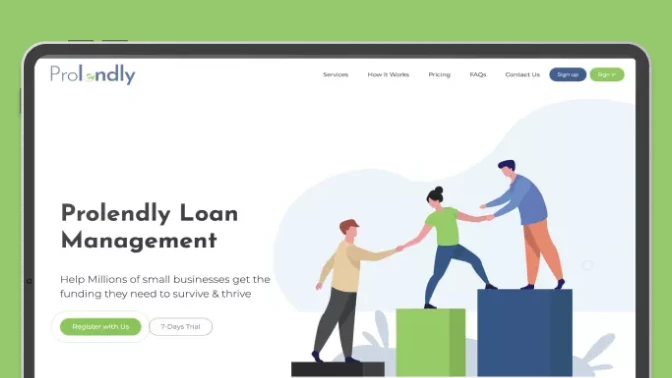
Fintech Prolendly

Prolendly

We built an extensive SaaS architecture that helps businesses connect the dots between conceptualization and funding.
Read More
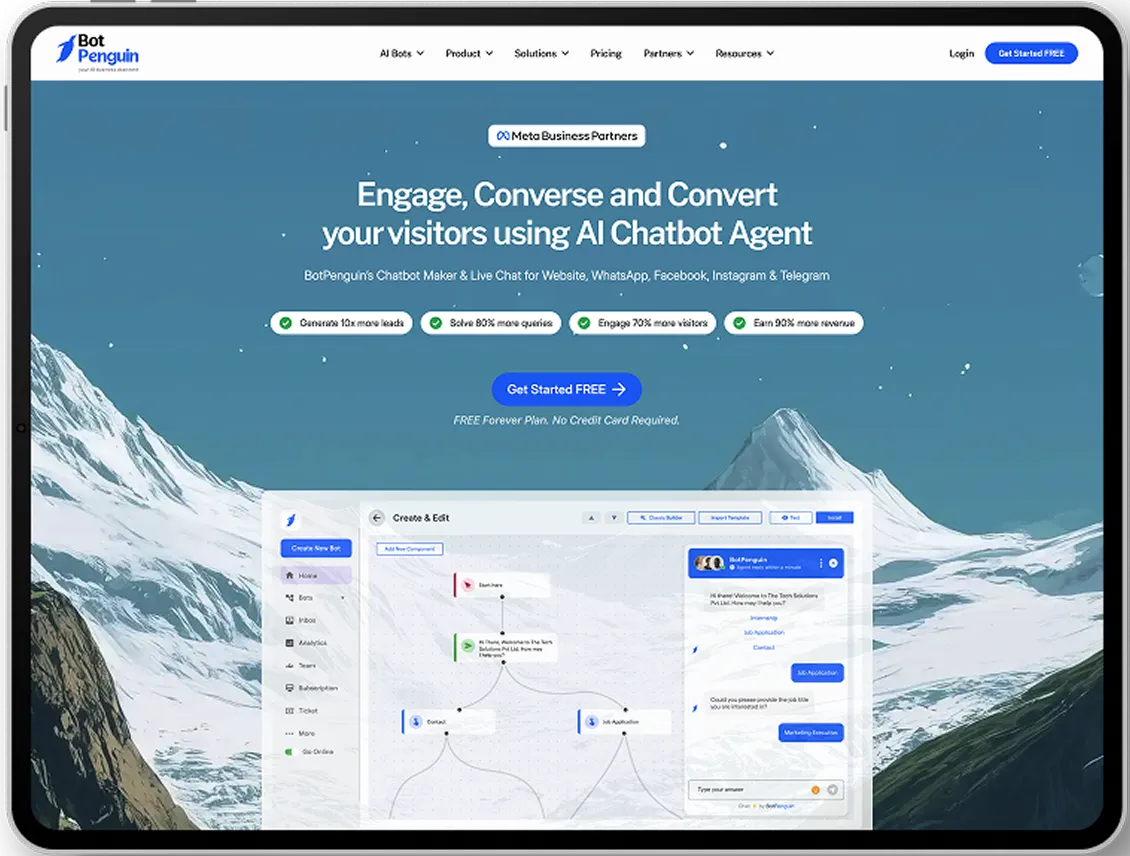
Education Botpenguin

Botpenguin

AI course recommendation bot is a virtual academic advisor that can help students select the most suitable courses based on their academic history, interests, career goals, and past performance without any information bias.

Read More
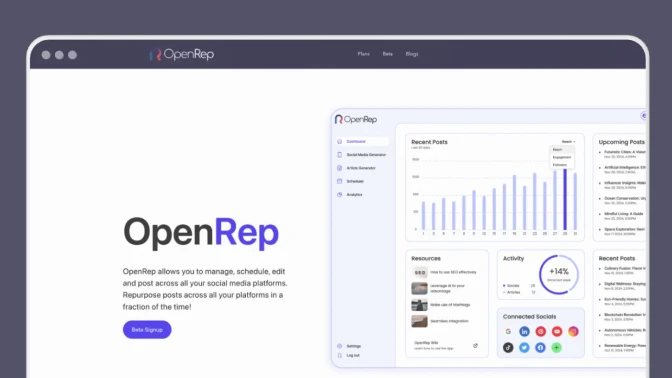
AI-ML OpenRep

OpenRep

OpenRep.AI is an AI-driven social media management platform that streamlines content creation, post scheduling, performance analytics, and monetization across multiple social media platforms.

Read More

Data Governance Services Across the Industries We Serve

Healthcare and Life Sciences

  • PHI classification and lineage

  • HIPAA audit trail automation

  • Clinical data stewardship models

Banking and Fintech

  • PCI DSS and SOC 2 alignment

  • Transaction-level lineage tracking

  • AML data quality controls

Logistics, Real Estate and Retail

  • Operational data quality rules

  • Multi-source catalog consolidation

  • Vendor and partner data governance

Client Testimonials (We're Rated 4.7 on Clutch)

How We Structure a Data Governance Engagement

Governance Assessment

Governance Assessment

A focused audit of ownership, quality, and tooling gaps.

  • Maturity audit across ownership, quality, and tooling
  • Prioritized roadmap with quick wins identified
Framework and Tooling Build

Framework and Tooling Build

Catalog, lineage, and access controls, actually implemented.

  • Catalog, lineage, and access controls implemented
  • Policies and stewardship model documented and enforced
Managed Governance Program

Managed Governance Program

Ongoing operation once the framework is live.

  • Continuous monitoring and policy enforcement
  • Governance council support and quarterly reporting

What Do Data Governance Services Actually Cost?

Costs typically range from around $15,000 for a focused governance assessment to $150,000 or more for full catalog, lineage, and access control implementation, depending on data domains and compliance scope.


    Your data and info stays secure. Read our Privacy Policy.


    Why Enterprises Choose Citrusbug for Data Governance Services?

    Rated 4.7/5 on Clutch and backed by 13+ years of software development expertise, Citrusbug provides data governance services designed around your data environment, regulatory requirements, and operational needs. Our team helps establish governance structures that connect policies, ownership, quality, lineage, and access controls.

    Built, Not Just Written

    We deliver the working catalog, lineage, and access controls a framework describes, not a policy document your team has to implement alone afterward.

    Discovery Before Rollout

    Every engagement starts with requirements, data domain mapping, and stakeholder input before any tooling decision gets made, so the framework fits how your teams actually work.

    Cost-Optimised Deployment

    Governance tooling and cloud infrastructure are architected to avoid unnecessary spend, so the program scales with your data volume instead of your budget.

    Full Source Ownership

    Every policy document, catalog configuration, and pipeline we build ships to you under NDA with complete ownership at delivery, no vendor lock-in.

    FAQs About Data Governance Services

    How is data governance different from data management?

    Data management is the day-to-day handling of data. Data governance is the policy, ownership, and enforcement layer sitting on top of it, deciding who owns what and how quality gets enforced.

    What do we actually get at the end of a data governance engagement?

    A working metadata catalog, lineage tracking, access controls, documented policies, and a stewardship model your team can run, not just a strategy document.

    Do you build governance into our existing data stack, or bring in new tools?

    We extend what you already have wherever possible, including Collibra, Alation, or Purview, and only introduce new tooling when a genuine gap exists.

    How does data governance extend to AI models and agents?

    The same catalog and access layer governs what an agent can query and which tools it can call, so AI governance and data governance run as one system.

    How long does a data governance program take to show results?

    A governance assessment typically takes 2 to 4 weeks. Full framework and tooling implementation usually runs 8 to 16 weeks depending on data domain scope.

    Will governance slow down how fast our teams can access data?

    No. A properly designed access model speeds up legitimate access by removing ambiguity about who owns what, while tightening controls where they're actually needed.

    What happens if we already have partial governance in place?

    We assess what's already working, keep it, and build the missing pieces around it rather than replacing an investment that's still delivering value.

    Can this work alongside a compliance program we already run?

    Yes. We map governance controls directly to your existing GDPR, HIPAA, or SOC 2 compliance program instead of running a parallel, disconnected process.

    Turn Your Governance Plan Into Running Infrastructure

    Get a data governance program built into your systems, with the catalog, lineage, and access controls already working.