Explore our Healthcare Technology Offerings Citrusbug Healthcare → Citrusbug Healthcare →
Let’s Talk

NFT Token Development Company for Web3 Builders

We build audit-ready NFT smart contracts, marketplaces, and metadata systems on Ethereum, Polygon, Solana, and BNB Chain. Standards chosen for what your project actually needs, not whichever one we used last.

NFT Token Development Company for
500+
Projects Delivered
98%
Client Retention

Certified NFT Token Developers By

PCI DSS PCI DSS
GAAP GAAP
GDPR GDPR
KYC KYC

Trusted Software Development Company By

Bosch
Deloitte
eClinicalWorks
Epic Systems
Flipkart
McKinsey
HSBC
Softbank
Allianz
Airbnb
United Health
Phelic
Sun Pharma
Target
US Foods
Advinow

Certifications and Accreditations

Our Non-Fungible Token Development Services

We build NFT systems for startups, gaming studios, and enterprises tokenizing real assets, not just collectibles. Every build starts with the token standard and metadata model that fits your actual use case.

Custom NFT Token Development

We architect NFTs around what they need to do, not a template. Attributes, metadata, royalty logic, and utility functions are scoped to your specific asset class before a line of Solidity is written.

NFT Smart Contract Development & Audit

Contracts go through internal security review and gas efficiency passes before deployment, reducing the exposure window for reentrancy, overflow, and minting exploits that have drained real projects.

NFT Marketplace Development

Listing, bidding, auctions, and secondary sales, built with wallet authentication and multi-chain support baked in from the first sprint, not bolted on after the marketplace is live.

Metadata & Digital Asset Management

On-chain, off-chain, and hybrid metadata structures with Arweave or pinned IPFS storage, so your NFTs stay verifiable and accessible even if a single gateway goes down.

Ready to Scope Your NFT Build?

Tell us what you're tokenizing and we'll map the standard, chain, and architecture that fits.

Get Your Cost Estimate

Critical NFT Decisions Most Teams Miss

Most NFT development pitches jump straight to “which blockchain” and treat everything else as an implementation detail. That leaves two decisions buried that actually shape your revenue and your legal exposure: which token standard fits your asset, and how royalties get enforced once your NFTs hit the secondary market.

EIP-2981 makes royalty information queryable on-chain, but whether a marketplace actually pays it out is a policy choice the marketplace makes, not something the standard guarantees. If your business model depends on resale royalties, that’s not a technical footnote. We map your royalty strategy, including which marketplaces will honor it and where you may need a custom enforcement layer, before we touch contract code.

The same applies to standard selection. ERC-721 fits one-of-one assets. ERC-1155 fits gaming inventories and edition-based drops. ERC-6551 gives an NFT its own on-chain wallet, useful when a token needs to hold other assets, such as a game character owning its own items, or a phygital product accumulating a provenance trail over time.

Standard Fit Assessment

We walk through your asset type, mint volume, and post-mint behavior to confirm which standard actually fits before scoping the contract.

Royalty Enforcement Strategy

We identify which target marketplaces enforce EIP-2981 royalties and design a fallback mechanism, such as transfer-restricted logic, where they don’t.

Metadata Permanence Plan

We decide upfront whether metadata needs to be fully on-chain, hybrid, or off-chain with cryptographic hashing, based on how legally load-bearing the metadata is.

Chain and Gas Model

We select L2s like Zora, Base, or Polygon for high-volume mints, and reserve L1 Ethereum for high-value assets where settlement finality matters more than gas cost.


Inside Our NFT Token Development Solutions

Gas-Optimized Minting

  • Lightweight contract logic keeps minting costs predictable at scale, whether you’re launching 500 pieces or 50,000 across a batch drop.

Token-Bound Account Support

  • We implement ERC-6551 where it fits, letting an NFT hold its own assets and interact with dApps directly, useful for gaming inventories and composable membership tokens.

Dynamic Metadata via Oracles

  • For NFTs that need to change state, loyalty tiers, game stats, and insurance triggers, we wire in Chainlink oracle feeds so metadata updates reflect real-world or on-chain events accurately.

Flexible Access Control

  • Programmable access rights turn NFTs into token-gated keys for private communities, premium content, or physical venue entry, not just proof of ownership.

Marketplace and Wallet Integration

  • Contracts are built to plug into major marketplaces or a custom-built one, with wallet authentication that doesn’t force users through a separate onboarding flow.

Fractional Ownership Structures

  • Where the use case calls for it, we pair an NFT with fractional ERC-20 tranches, splitting a collectible or real-world asset into shares while keeping the underlying deed on-chain.

Choosing the Right NFT Token Standard

The standard you pick early determines what your NFT can do later. Retrofitting a token-bound account onto a badly scoped ERC-721 collection is possible, but it's more expensive than choosing correctly at the start.

Standard Best For Gas Efficiency Key Limitation

ERC-721

One-of-one assets, art, deeds

Medium

Each transfer is a separate transaction

ERC-1155

Gaming inventories, edition drops, tickets

High

Shared contract means one vulnerability can affect multiple token types

ERC-6551

Composable assets, token-bound wallets, phygital provenance

Medium (adds registry overhead)

Higher implementation complexity, newer standard with less battle-testing

Client Testimonials (We're Rated 4.7 on Clutch)

Where NFT Tokens Are Actually Being Used in 2026

Gaming Assets

In-game items, characters, and inventory represented as ERC-1155 or ERC-6551 tokens that players genuinely own and can trade across compatible titles.

  • Cross-title interoperability where the game ecosystem supports it
  • Token-bound accounts for characters holding their own items
  • Gas-efficient batch minting for large item catalogs
  • Marketplace integration for player-to-player trading
Outcome:
Players hold assets that outlive any single game's servers.

Real-World Asset Tokenization

Property deeds, luxury goods, and collectibles represented on-chain with legal-grade metadata and, where needed, fractional ERC-20 tranches for shared ownership.


  • Legal metadata stored with cryptographic hashes for auditability
  • Fractional ownership structures for high-value assets
  • Oracle-backed price feeds for near-instant settlement
  • KYC-ready transfer logic for compliance-sensitive assets
Outcome:
illiquid assets gain a tradable, verifiable ownership record.

Event Ticketing and Access

NFT tickets that unlock venue entry, content, or scheduled access, with logic that can expire, transfer, or renew automatically.


  • Token-gated entry systems tied to wallet verification
  • Anti-scalping logic built into transfer rules
  • Time-bound or event-based expiration
  • Post-event collectible retention for attendees
Outcome:
fraud-resistant ticketing with a built-in collectible layer.

Brand Loyalty and Membership

Membership NFTs that stream benefits over time instead of granting a one-time perk, useful for subscription-style brand programs.


  • Tiered access unlocked by token attributes
  • Streaming or scheduled reward distribution
  • Renewal and cancellation logic handled on-chain
  • Integration with existing CRM or loyalty stacks
Outcome:
membership that's portable, resellable, and verifiable outside your own database.

How We Take an NFT Project From Idea to Mainnet

1

Discovery and Standard Selection

We review your asset type, expected mint volume, and post-mint behavior to confirm whether ERC-721, ERC-1155, or ERC-6551 actually fits, rather than defaulting to whichever standard is fastest to ship.

2

Tokenomics and Royalty Mapping

Before any contract code, we map how royalties will actually be enforced across your target marketplaces and where a custom enforcement layer is needed to protect resale revenue.

3

Smart Contract Architecture

We design the contract structure, access control, and gas model together, so features like token-bound accounts or dynamic metadata don't need to be retrofitted after launch.

4

Development and Internal Security Review

Contracts are built against OpenZeppelin-audited base libraries and pass internal review for reentrancy, overflow, and access-control gaps before external audit or testnet deployment.

5

Metadata and Marketplace Integration

On-chain, off-chain, or hybrid metadata is wired to your storage layer of choice, and the contract is connected to your target marketplaces or custom front end.

6

Mainnet Deployment and Post-Launch Support

We deploy to your chosen L1 or L2, monitor early mint activity, and stay available for the patches and marketplace policy changes that come up in the first weeks after launch.

Where NFTs Cross Into Compliance Territory

Collectible and gaming NFTs generally sit outside securities regulation, but that changes fast once a token carries investment characteristics, revenue-share promises, or fractional real-world asset ownership. We flag that boundary before you build, not after a regulator does.

  • KYC/AML workflows for high-value or investment-flavored NFT sales
  • Permissioned transfer logic when a token resembles a security
  • Legal-grade metadata storage with on-chain hashes for auditability
  • Jurisdiction-aware compliance review before RWA-backed launches

How Much Does It Cost to Develop an NFT Token?

NFT token development typically runs from $10,000 for a straightforward single-standard launch to $150,000 or more for a custom marketplace with token-bound accounts and multi-chain support.

Share your requirements for an exact estimate.


    Your data and info stays secure. Read our Privacy Policy.


    Why Founders Building Serious NFT Projects Choose Us

    Architecture Decided First

    Architecture Decided First

    We confirm token standard, chain, and royalty model against your actual use case before writing contract code, so you're not migrating a collection six months in because ERC-721 couldn't do what you needed.

    Discovery Before Build

    Discovery Before Build

    Tokenomics, metadata strategy, and royalty enforcement get mapped in a discovery phase, not discovered mid-build when changing course costs real money and real time.

    Post-Launch SLA Support

    Post-Launch SLA Support

    L1, L2, and L3 support options mean mainnet security patches and marketplace policy changes don't become your problem to solve alone at 2 am.

    What's Actually Changing in FinTech Development

    VIEW ALL
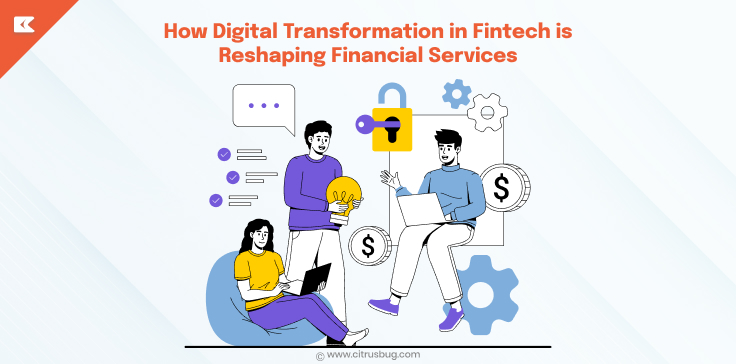
    How Digital Transformation in Fintech is Reshaping Financial Services
    How Digital Transformation in Fintech is Reshaping Financial Services Artificial Intelligence

    How Digital Transformation in Fintech is Reshaping Financial Services

    Financial services are changing faster than ever. Tasks that used to take days or weeks before, like loan approval, payment or customer service, can be carried out within minutes with…

    Read Article →
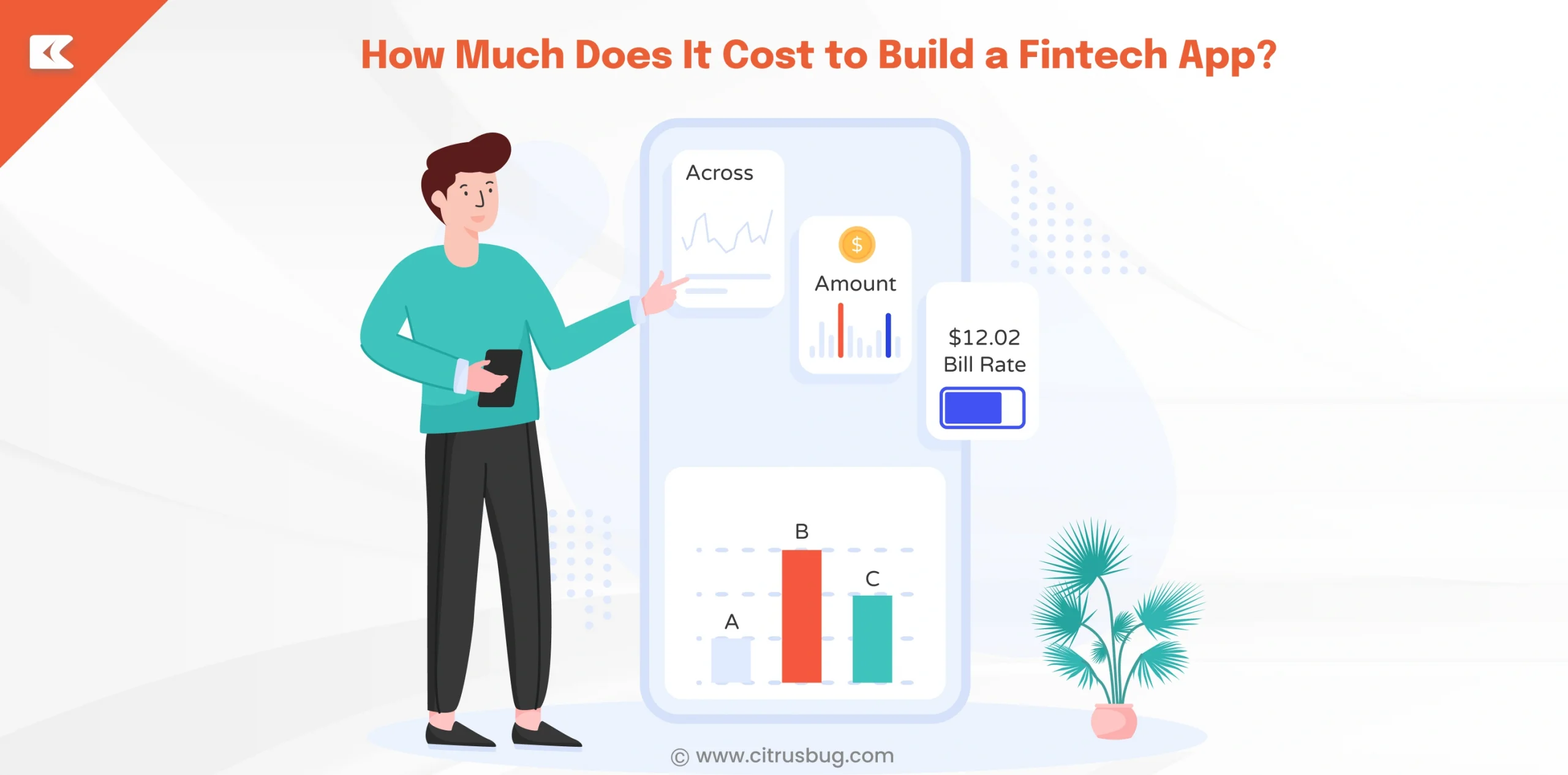
    How Much Does It Cost to Build a Fintech App? A 2026 Guide
    How Much Does It Cost to Build a Fintech App? A 2026 Guide Custom Software Development

    How Much Does It Cost to Build a Fintech App? A 2026 Guide

    The financial technology sector is growing faster than ever. From AI-powered robo-advisors and digital wallets to blockchain-based lending platforms, fintech is changing how people save, invest, and make payments. Users…

    Read Article →
    How AI Is Transforming Fraud Detection in Fintech in 2026: Capabilities, Use Cases, and Real-World Examples
    How AI Is Transforming Fraud Detection in Fintech in 2026: Capabilities, Use Cases, and Real-World Examples Custom Software Development

    How AI Is Transforming Fraud Detection in Fintech in 2026: Capabilities, Use Cases, and Real-World Examples

    Digital fraud is on the rise, particularly in the fintech industry. Studies show that 35% of banks and fintechs experienced over 1000 fraud attempts last year. These fraudulent activities led…

    Read Article →

    Case Studies

    View All Case Studies →
    Fintech Prolendly

    Prolendly

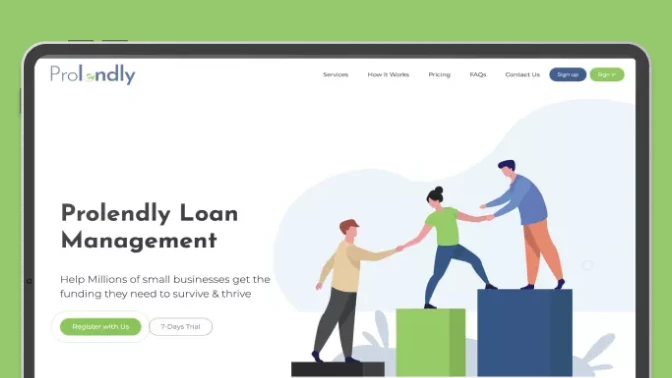
    Prolendly is a FinTech SaaS platform that connects startups and small businesses with funding opportunities, lenders, and capital consulting resources.

    Read Case Study
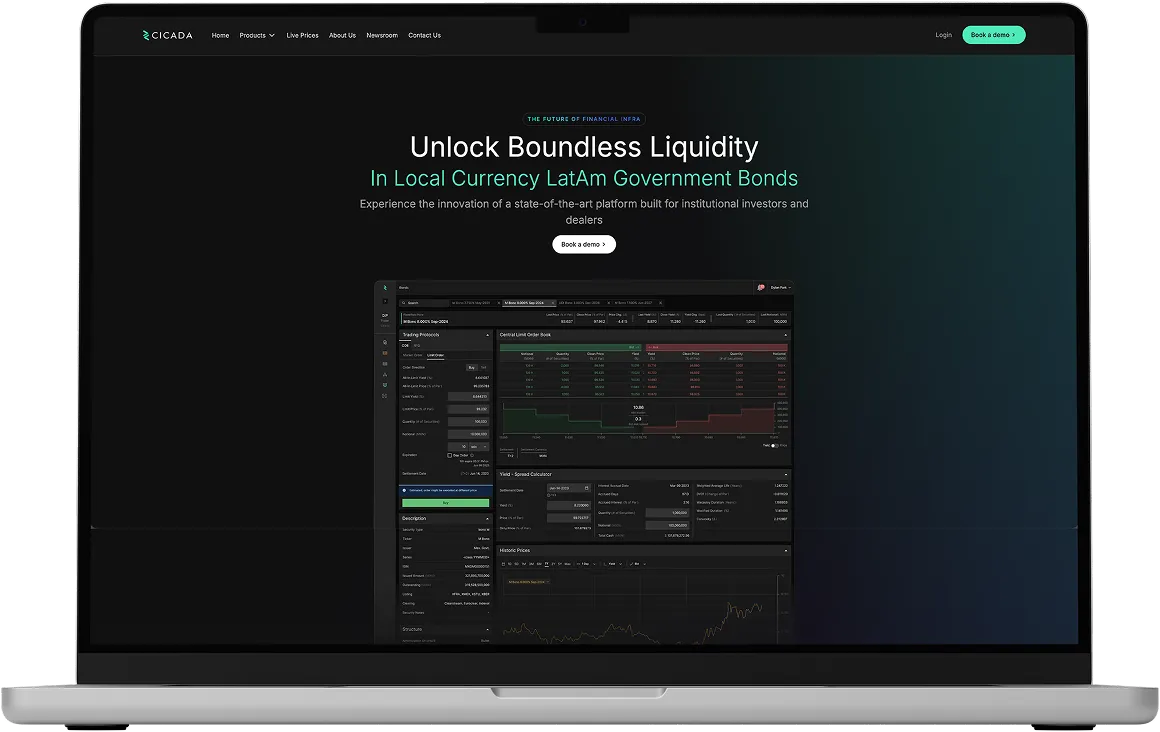
    Fintech Cicada

    Cicada

    Cicada is a comprehensive trading platform designed for accessible and powerful financial market interaction.

    Read Case Study
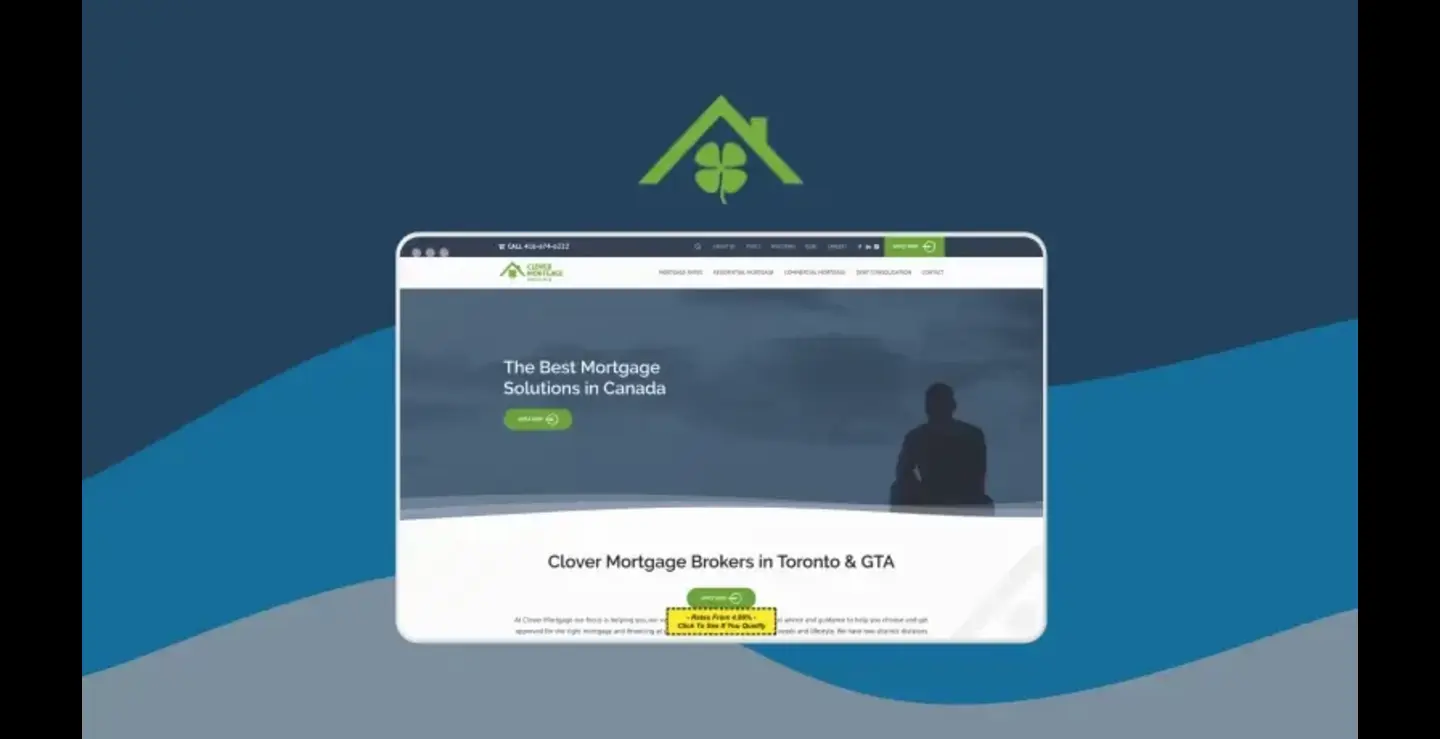
    Fintech Clover Mortgage

    Clover Mortgage

    Clover Mortgage Brokers provides tailored mortgage solutions for home buyers across Toronto

    Read Case Study

    FAQs on NFT Token Development

    What token standard should I use, ERC-721, ERC-1155, or ERC-6551?

    It depends on your asset type. One-of-one assets fit ERC-721, gaming inventories fit ERC-1155, and tokens that need to hold other assets fit ERC-6551. We assess this in discovery.

    How much does NFT token development cost in 2026?

    Costs range from $10,000 for a single-standard launch to $150,000+ for a custom marketplace with token-bound accounts and multi-chain support, depending on complexity.

    Are royalties automatically enforced when my NFTs resell?

    Not guaranteed. EIP-2981 makes royalty terms queryable, but enforcement depends on marketplace policy. We map which marketplaces honor it and build fallback logic where they don't.

    Which blockchains and standards do you support?

    Ethereum (ERC-721, ERC-1155, ERC-6551), Polygon, Solana (via Metaplex), and BNB Chain. Chain choice depends on your gas budget and settlement needs.

    How long does it take to build an NFT token project?

    A single-standard collection can ship in 2-4 weeks. Custom marketplaces with token-bound accounts or dynamic metadata typically take 8-12 weeks.

    Do you audit smart contracts before mainnet deployment?

    Yes. Every contract goes through internal security review against OpenZeppelin-audited base libraries before testnet and mainnet deployment.

    Can NFTs you build integrate with an existing game or app?

    Yes. We build contracts and metadata structures to plug into an existing product, game engine, or wallet stack rather than requiring a standalone platform.

    Is tokenizing a real-world asset different from a standard NFT build?

    Yes. RWA tokenization needs legal-grade metadata, often KYC-ready transfer logic, and closer attention to securities regulation, which a standard collectible launch doesn't require.

    Have an NFT Project That Needs the Right Foundation?

    Talk to our blockchain engineers about your token standard, chain, and launch timeline.