

B2B SAAS DEVELOPMENT
SaaS Development Company for Multi-Tenant Products
500+
Projects Delivered
98%
Client Retention
Certified
Trusted by industry leaders













Certifications and Accreditations


What Our SaaS Development Services Cover
SaaS App Design & Development
End-to-end product design and build, from wireframes to production release. Most engagements ship a focused MVP before committing to the full build, so you validate demand before spending the full budget.
Multi-Tenant Architecture & Tenant Isolation
We design tenancy models that isolate customer data without duplicating infrastructure per client, so you can keep cloud spend predictable as tenant count grows.
Third-Party & Payment Integrations
Stripe, PayPal, Salesforce, HubSpot, and analytics platforms connected with proper error handling and retry logic, not brittle one-off scripts.
AI-Native Feature Development
Agentic workflows, embedded copilots, and model orchestration built into the product architecture, not added as a chatbot widget after launch.
Legacy SaaS Migration & Re-Engineering
Moving a single-tenant product to multi-tenant, or an on-prem tool to the cloud, without breaking existing customer accounts during the switch.
SaaS Product & Pricing Consulting
Feature prioritization, pricing model selection, and go-to-market sequencing for teams deciding what to build first and how to charge for it.
Have a SaaS Product to Build or Rework?
Bring your product requirements, existing stack, or stalled build. We'll map the architecture, key integrations, and development scope needed to move it forward.
Talk to a SaaS EngineerWhy Most B2B SaaS Builds Stall Before Launch
The demo works. The first customer signs up. Then the second and third tenants arrive, and problems that weren't visible in the MVP start surfacing: data isolation gaps, billing logic that can't handle plan changes, AI usage that isn't being tracked, and security requirements that weren't considered early enough.
As a SaaS development company, Citrusbug builds platforms with tenant isolation, usage-based billing, AI workflows, and audit-ready security controls designed into the architecture from the start. That means your platform is built around how customers actually access, use, and pay for it, rather than retrofitting critical infrastructure after launch.
As a SaaS development company, Citrusbug builds platforms with tenant isolation, usage-based billing, AI workflows, and audit-ready security controls designed into the architecture from the start. That means your platform is built around how customers actually access, use, and pay for it, rather than retrofitting critical infrastructure after launch.
Tenant Data Isolation Gets Complicated
A SaaS platform has to keep every customer’s users, records, permissions, and transactions separated. We design logical tenant isolation at the data and application layers so tenant boundaries are part of the architecture, not something added later.
Billing Breaks When Pricing Gets More Complex
SaaS pricing rarely stays as simple as a fixed fee per user. Customers upgrade mid-cycle, change plans, add seats, or pay based on usage. We design subscription, proration, and usage-metering logic around your actual pricing model.
AI Usage Becomes Expensive to Track
AI features introduce variable costs based on tokens, API calls, model usage, or task volume. We wire usage tracking into the platform so you can monitor consumption and support pricing models that account for AI-related costs.
Security Requirements Arrive During Procurement
Enterprise customers may ask about access controls, audit logs, data handling, and compliance during procurement. We account for these requirements during development, with controls aligned to frameworks such as SOC 2, HIPAA, and GDPR, rather than treating security as a final-stage exercise.
The Types of SaaS Products We Build
Different SaaS categories carry different data models, integration needs, and compliance loads. We build across all of these, not just one narrow niche.
CRM SaaS
• Lead and pipeline tracking per tenant
• Sales automation and follow-up sequencing
• Integration with email and calendar tools
• Custom fields per customer’s sales process
HRM SaaS
• Applicant tracking and onboarding workflows
• Performance review and goal tracking
• Payroll and benefits integration
• Role-based access per department
ERP SaaS
• Finance, inventory, and procurement in one system
• Multi-entity support for growing companies
• Real-time reporting across departments
• Workflow approvals built into the process
Project & Collaboration SaaS
• Task and sprint tracking per team
• Real-time collaboration and file sharing
• Time tracking tied directly to billing
• Cross-team visibility without added reporting overhead
Analytics & BI SaaS
• Custom dashboards per tenant
• Data pipeline and warehouse integration
• Role-based report access controls
• Scheduled exports and threshold alerts
Marketplace & Ecommerce SaaS
• Two-sided buyer and seller accounts
• Built-in payments and commission splits
• Inventory and order management
• Review and trust systems
Where AI Fits Into Your SaaS Platform Development
Most "AI-powered" SaaS products bolt a chatbot onto an existing app after the fact. We design the AI-native features like embedded copilots and usage-metered workflows into the product architecture before the first sprint starts, because retrofitting AI into a platform that wasn't built for it usually means rebuilding the data layer anyway.
Embedded Copilots
Assistants that read and act on your product's actual data model, not a generic wrapper around a chat API sitting on top of your UI.
Agentic Workflows for Repetitive Tasks
Multi-step automation that completes a task end to end (triaging a ticket, generating a report) instead of just answering a question about it.
Usage-Metered AI Features Tied to Billing
Every AI call gets tracked against tenant usage from day one, so you can price the feature accurately instead of guessing at margin after launch.
Model Flexibility Without Lock-In
Architecture that lets you swap or combine model providers as pricing and capability shift, instead of hardcoding your product to one vendor's API.
The Architecture Decisions That Decide Whether Your SaaS Platform Scales
Every SaaS platform makes a handful of architecture calls early that are expensive to reverse later: how tenants are isolated, how the system scales as usage grows, and how billing and AI workloads get metered. As a SaaS development company, we make those calls deliberately at the start of the engagement instead of letting them get decided by whatever's fastest to ship.
- Logical tenant isolation from day one
- Horizontal scaling without re-architecture later
- Usage metering wired into billing
- Event-driven design for AI workloads
Process We Follow for SaaS Development
1
Discovery & Requirements
We map the business model, target tenants, and compliance requirements before any architecture gets decided. This is where we catch the "will this need HIPAA later" question before it becomes a rebuild.
2
Architecture & Tenancy Design
We choose the tenancy model (single, multi, or hybrid), define data isolation boundaries, and design the billing and metering approach, so the foundation supports where the product is going, not just where it is now.
3
UX/UI Design
Wireframes and clickable prototypes get validated with real users or stakeholders before development starts, so the build phase isn't spent guessing at what the interface should look like.
4
Build in Agile Sprints
Front-end and back-end development run in parallel sprints with daily updates and regular demos, so you see working software incrementally instead of waiting months for a single reveal.
5
QA & Security Hardening
Automated and manual testing runs alongside development, not just before launch, with a dedicated security pass against the compliance requirements defined in discovery.
6
Launch & Post-Launch Support
We deploy with monitoring and rollback plans in place, then stay engaged for bug fixes, performance tuning, and feature iteration based on real usage data.
SaaS Products We've Built
Ecommerce

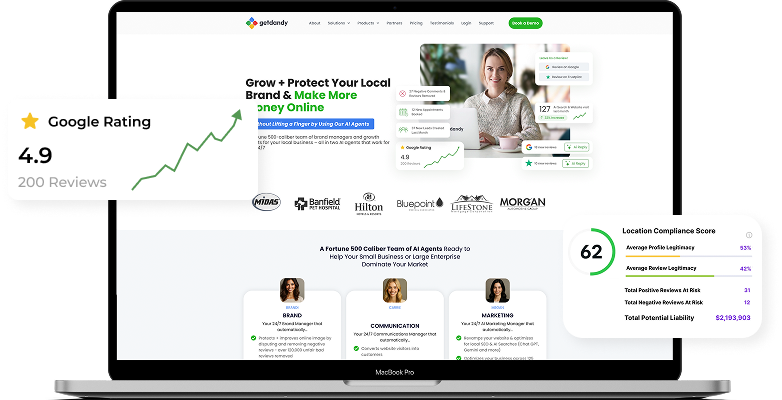
BUSINESS UTILITY

Client Testimonials (We're Rated 4.7 on Clutch)
THE PROJECT
Web & AI Development for Education Company
AI Development, Custom Software Development
Nov. 2024 - Ongoing
THE REVIEW
Their agile way of working, competence, and friendliness are impressive.December 7, 2024
PROJECT SUMMARY:
Citrusbug Technolabs handles a data extraction project for an education company. They're also responsible for managing an AI generation project for the client.
FEEDBACK SUMMARY:
Citrusbug Technolabs has laid out and followed a clear project outline and consistently met deadlines. The team communicates well and demonstrates a strong understanding of the client's vision and goals. Their agile approach, high level of competence, and personable approach stand out.
THE REVIEWER
 Read More
 Read More
THE PROJECT
Custom Automated System Dev for Veteran Medical Co
Generative AI, Application Testing, Custom Software Development
Aug. - Oct. 2024
THE REVIEW
Their communication and ability to capture exactly what I was asking for were impressive.November 14, 2024
PROJECT SUMMARY:
Citrusbug Technolabs built an automated system for a veteran medical company. The system needed to collect and store user data, generate customized letters based on surveys, and use AI to summarize reviews.
FEEDBACK SUMMARY:
Citrusbug Technolabs delivered a functional automated system that successfully organized the client's records and auto-generated statements. The team was quick to respond, addressed all roadblocks, and communicated effectively. Overall, their ability to understand the client's needs stood out.
THE REVIEWER
Read More
Read More
THE PROJECT
MVP Development for Freight & Capacity Marketplace
Custom Software Development
$10,000 to $49,999
Jan. 2024 - Feb. 2025
THE REVIEW
They were very calm and talented, and they did bring some of their own ideas.January 28, 2025
PROJECT SUMMARY:
Citrusbug Technolabs has developed an MVP for a freight and capacity marketplace. The team has created three different interfaces for three market segments.
FEEDBACK SUMMARY:
Citrusbug Technolabs has successfully developed an effective MVP. The team has delivered the project on time and almost within budget. Moreover, their responses have been timely. Overall, the team has been calm, talented, and innovative. This has led to the client's satisfaction.
THE REVIEWER
Read More
Read More
THE PROJECT
Web & Mobile App Development for Education Company
Custom Software Development, DevOps Managed Services
$10,000 to $49,999
THE REVIEW
What stood out most about them was their personalized approach and sense of ownership in every aspect of the project."February 27, 2024
PROJECT SUMMARY:
Citrusbug Technolabs built a Flutter cross-platform mobile app for an education company. They also developed two web apps and an admin panel and provided DevOps support for the client's infrastructure.
FEEDBACK SUMMARY:
Citrusbug Technolabs' support successfully boosted the client's user engagement by 8x, resulting in an 85% retention rate. The reliable team demonstrated a dedication to delivering on time and promptly responding to concerns and adjustments. Their personalized, client-centric approach stood out.
THE REVIEWER
Read More
Read More
THE PROJECT
Mobile App Development for Healthcare Company
Custom Software Development Mobile App Development UX/UI Design
$10,000 to $49,999
June 2023 - Jan. 2024
THE REVIEW
They didn't like the phrase "impossible to do", which made them very solution-oriented.February 19, 2024
PROJECT SUMMARY:
A healthcare company hired Citrusbug Technolabs to design and develop a user-friendly application. The team provided tailored assistance to meet the client's requirements.
FEEDBACK SUMMARY:
Citrusbug Technolabs successfully delivered an application that was ready for market. The team was highly professional and well-organized; they stayed focused throughout the engagement and were receptive to changes. Overall, they stood out for their trustworthiness and commitment to excellence.
THE REVIEWER
Read More
Read More
THE PROJECT
Custom Web App Dev & Design for Financial Technology Firm
Mobile App Development UX/UI Design Web Design
Sep. 2023 - Ongoing
THE REVIEW
They're 100% on time and transparent throughout each stage of the project.February 24, 2024
PROJECT SUMMARY:
A financial technology company has hired Citrusbug Technolabs to build a custom web application. The team handles the development and design of the app.
FEEDBACK SUMMARY:
The project is ongoing, but the client has been satisfied with Citrusbug Technolabs' services. The team is very professional — they always respect timelines and provide regular updates to ensure everyone's on the same page. Also, their transparent approach makes them a trustworthy partner.
THE REVIEWER
Read More
Read More
THE PROJECT
Staff Augmentation for Singaporean Development Company
Mobile App Development
$10,000 to $49,999
THE REVIEW
"I do believe they are exceptional at where they stand."
PROJECT SUMMARY:
Citrusbug Technolabs took on a mobile app development project for a Singapore-based development house. They were provided with UX designs to execute. Currently, they're finalizing and fine-tuning the product.
FEEDBACK SUMMARY:
Citrusbug Technolabs contributed to the successful launch of the product, which has garnered over 10,000 users in just three months. The product has also received support from investors. They consistently followed-up with their progress and delivered at a speedy rate. The team is truly stellar.
THE REVIEWER
Read More
Read More
What SaaS Development Product Actually Costs by Product Stage
Costs vary by tenancy model, feature scope, and compliance requirements. These are ballpark ranges to plan against, not fixed quotes; every project gets scoped individually.
| Product Stage | Complexity | Estimated Cost | Typical Timeline |
|---|---|---|---|
|
MVP (single-tenant or basic multi-tenant) |
Low to Medium |
$15,000 to $40,000 |
2 to 4 months |
|
Growth-Stage Platform (full multi-tenant, integrations) |
Medium |
$40,000 to $100,000 |
4 to 6 months |
|
Enterprise-Grade Multi-Tenant Platform |
High |
$100,000+ |
6 to 9+ months |
The Integrations Behind a Connected SaaS Platform
Payments & Billing
Stripe and PayPal integrated with support for usage-based and tiered pricing models.
- Metered billing tied to feature usage
- Plan upgrades and downgrades mid-cycle
- Failed payment retry and dunning logic
Outcome:
Billing that supports whatever pricing model you land on, not just flat monthly seats.
CRM & Marketing
Salesforce and HubSpot connected so customer data flows both directions without manual exports.
- Lead and account sync
- Usage data pushed to CRM for sales visibility
- Marketing automation triggers on product events
Outcome:
Sales and product teams working from the same customer picture.
AI & LLM Providers
Multi-provider model integration so you're not locked to a single vendor's pricing or roadmap.
- OpenAI, Anthropic, and open-source model support
- Fallback routing if one provider has an outage
- Cost tracking per model call
Outcome:
AI features that keep working, and stay priced correctly, as the model market shifts.
Analytics & Reporting
Mixpanel, Segment, or a custom data warehouse, connected to the payment, CRM, and analytics tools your customers already run on rather than a walled-off dashboard.
- Product usage event tracking
- Cohort and churn analysis
- Exportable reporting for enterprise customers
Outcome:
The data your customers need to justify renewing, not just data you need internally.
How Much Does It Cost to Build a B2B SaaS Product?
Most SaaS builds land between $20,000 for a focused MVP and $500,000+ for an enterprise-grade multi-tenant platform. Fill out the form for a scoped estimate based on your actual requirements.
How We Engage
Choose the Right Model for SaaS Development Services
Fixed-Price
Best for a scoped MVP or a well-defined feature set with clear requirements upfront.
- Set budget and timeline agreed before work starts
- Ideal for first-time SaaS builds
Time & Material
Best for products still evolving requirements as you learn from real users.
- Pay for actual hours worked, adjust scope as you go
- Ideal for growth-stage platforms iterating fast
Dedicated Team
Best for ongoing development where you need a consistent team embedded long-term.
- Same engineers across sprints, no ramp-up cost per feature
- Ideal for enterprise-grade platforms in continuous development
Why Choose Citrusbug as Your SaaS Development Company?
AI-Native by Design
We decide how AI fits into your architecture during discovery, not after launch, so agentic features and usage metering are structural, not bolted on.
Full Source Code Ownership
You own everything we build, unconditionally, at delivery. No vendor lock-in negotiation, no "upon request" clause buried in a contract.
Discovery Before Any Code
Requirements, user stories, and architecture decisions get documented and agreed before a single line of code gets written.
Secure ADLC Delivery
Security gets embedded into every sprint through our agentic delivery methodology, reducing both risk and rework cost later.
SAAS DEVELOPMENT INSIGHTS
Related Readings on SaaS Development
View All Articles →![10 Popular Examples Of SaaS Applications [Proven Strategies]](https://citrusbug.com/wp-content/uploads/popular-saas-application-examples.webp)
![10 Popular Examples Of SaaS Applications [Proven Strategies]](https://citrusbug.com/wp-content/themes/citrusbug/assets/images/File-Icon.png) Custom Software Development
Custom Software Development
10 Popular Examples Of SaaS Applications [Proven Strategies]
Software as a service is one of the most admired and adopted business models that leverage increased ROI for providing company as well as for its users, making it a…
Read Article → Application Development
7 Steps to Ensure SaaS Application Security with DevOps
Image source: Freepik In the age of digitization, SaaS apps have caused a fundamental change in the operational environment of enterprises. These cloud-based apps provide hitherto unrivaled scalability, accessibility, and…
Read Article → Artificial Intelligence
AI-Powered SaaS Development: How AI Transforms SaaS Products
The AI industry reached $184 billion in 2024 and is predicted to increase to $ 826 billion by 2030. Does this sound ridiculously high? It is not surprising at all.…
Read Article →FAQs on SaaS Development
How is B2B SaaS development different from a typical web app?

A B2B SaaS platform serves multiple paying tenants on one codebase, each needing isolated data and its own billing. A typical web app usually serves one owner, so it skips that architecture entirely
Do you build single-tenant or multi-tenant architecture?
Both, depending on your compliance requirements and growth plans. Multi-tenant is more cost-efficient at scale; single-tenant suits strict data-isolation mandates like some healthcare and government contracts.
Who owns the source code once the project ships?
You do, fully, at delivery. There's no vendor lock-in clause or separate licensing fee for the code we write for you.
Can you take over a SaaS product another vendor left unfinished?
Yes. We audit the existing codebase first, flag what's salvageable versus what needs rework, then quote a realistic path to completion.
Is SaaS development priced fixed or hourly?
Both are available. Fixed-price suits a scoped MVP; Time & Material fits products with evolving requirements; Dedicated Team fits ongoing, long-term development.
How long does it take to launch an MVP?
A focused MVP typically takes 2 to 3 months, depending on integration complexity and whether multi-tenant architecture is required from the start.
Can you migrate an existing SaaS product to a different cloud provider?
Yes. We assess the current architecture, plan the migration to minimize downtime, and validate data integrity before cutting over production traffic.
What support do you offer after launch?
Ongoing bug fixes, performance monitoring, feature iteration, and L1 to L3 support options depending on how hands-on you want us post-launch.