


Hr Tech

 Citrusbug Healthcare →
You're expected to modernize infrastructure, cut technical debt, and support new AI initiatives, often on systems no one has fully mapped in years. Our enterprise architecture consulting services give you a current-state assessment, a target-state blueprint, and a governance model your teams can run, backed by engineers who help build what the roadmap calls for.
 SOC 2
SOC 2
 ISO 27001
 HIPAA
HIPAA
 PCI DSS
Trusted by industry leaders















Certifications and Accreditations

Enterprise architecture consulting services only earn their cost if they change what your teams actually build next. These four areas are where the work concentrates, from mapping what exists today to defining who signs off on what changes tomorrow.
Your strategy documents rarely mention the twelve systems that actually run the business. We trace business capabilities down to the applications, data stores, and vendor contracts that support them, so alignment gaps show up as named systems, not vague statements.
Most enterprises carry three or four platforms doing the same job because no one owned the decision to retire one. We inventory the overlap, score each system against cost and business value, and recommend what to consolidate, replace, or leave alone.
Once the current state is mapped, we define what the architecture should look like in 18 to 36 months, including how data flows between core systems and where AI workloads plug into the stack without becoming another silo.
A blueprint without a decision structure gets overridden by the next urgent project. We define who approves architecture exceptions, how change requests get reviewed, and what triggers a re-architecture conversation before it becomes a crisis.
A focused architecture review identifies system gaps, modernization risks, and priorities, giving your team a clearer path before committing to a larger engagement.
Consult With Our ArchitectsTwo organizations, two ERPs, two definitions of “customer.” Someone has to decide which system of record wins and how the losing platform gets retired without breaking reporting.
A 15-year-old core system still runs the business but can’t support the integrations the roadmap needs. Replacing it without a target-state design usually just moves the technical debt somewhere new.
Teams have shipped two or three AI pilots, and now there’s no consistent answer for data lineage, model risk classification, or who approves a model touching customer data.
Different business units built their own data platforms independently. Nobody can produce a single trustworthy number for the same metric.
Enterprise architecture only holds up if the methodology behind it is one that other architects, auditors, and new hires can pick up without a translation layer. We work from the TOGAF Standard, 10th Edition, using its Architecture Development Method to structure engagements, and model the results in ArchiMate so business, application, and technology layers stay legible to non-architects on the same page. Where AI systems are part of the estate, we build risk classification into the architecture documentation now, ahead of the EU AI Act's high-risk obligations.
We inventory the applications, integrations, data flows, and vendor dependencies that actually exist today, not what the last org chart says should exist. This usually surfaces systems nobody remembered still had customer data flowing through them, which becomes the baseline for every decision after.
Every capability gets mapped to the systems that support it, then scored against cost, risk, and business value. Overlapping platforms, unsupported vendors, and single points of failure get flagged here, before anyone commits to a modernization roadmap built on incomplete information.
We define the future-state model, including where cloud migration, API strategy, and cloud architecture consulting intersect with the legacy estate. The design accounts for what the business needs in three years, not just what's technically possible to build this quarter.
We deliver a phased roadmap sequenced by dependency and risk, paired with a governance charter defining who approves exceptions and how architecture decisions get reviewed going forward, so the framework survives past the engagement.
This is where most enterprise architecture consulting stops. We don't hand off a deck and disappear. Our engineering teams can build against the target-state architecture directly, so the roadmap becomes shipped infrastructure instead of a document that gets reopened once a year before the next audit.
Their agile way of working, competence, and friendliness are impressive.December 7, 2024
Citrusbug Technolabs handles a data extraction project for an education company. They're also responsible for managing an AI generation project for the client.
Citrusbug Technolabs has laid out and followed a clear project outline and consistently met deadlines. The team communicates well and demonstrates a strong understanding of the client's vision and goals. Their agile approach, high level of competence, and personable approach stand out.
 Read More
Their communication and ability to capture exactly what I was asking for were impressive.November 14, 2024
Citrusbug Technolabs built an automated system for a veteran medical company. The system needed to collect and store user data, generate customized letters based on surveys, and use AI to summarize reviews.
Citrusbug Technolabs delivered a functional automated system that successfully organized the client's records and auto-generated statements. The team was quick to respond, addressed all roadblocks, and communicated effectively. Overall, their ability to understand the client's needs stood out.
Read More
They were very calm and talented, and they did bring some of their own ideas.January 28, 2025
Citrusbug Technolabs has developed an MVP for a freight and capacity marketplace. The team has created three different interfaces for three market segments.
Citrusbug Technolabs has successfully developed an effective MVP. The team has delivered the project on time and almost within budget. Moreover, their responses have been timely. Overall, the team has been calm, talented, and innovative. This has led to the client's satisfaction.
Read More
What stood out most about them was their personalized approach and sense of ownership in every aspect of the project."February 27, 2024
Citrusbug Technolabs built a Flutter cross-platform mobile app for an education company. They also developed two web apps and an admin panel and provided DevOps support for the client's infrastructure.
Citrusbug Technolabs' support successfully boosted the client's user engagement by 8x, resulting in an 85% retention rate. The reliable team demonstrated a dedication to delivering on time and promptly responding to concerns and adjustments. Their personalized, client-centric approach stood out.
Read More
They didn't like the phrase "impossible to do", which made them very solution-oriented.February 19, 2024
A healthcare company hired Citrusbug Technolabs to design and develop a user-friendly application. The team provided tailored assistance to meet the client's requirements.
Citrusbug Technolabs successfully delivered an application that was ready for market. The team was highly professional and well-organized; they stayed focused throughout the engagement and were receptive to changes. Overall, they stood out for their trustworthiness and commitment to excellence.
Read More
They're 100% on time and transparent throughout each stage of the project.February 24, 2024
A financial technology company has hired Citrusbug Technolabs to build a custom web application. The team handles the development and design of the app.
The project is ongoing, but the client has been satisfied with Citrusbug Technolabs' services. The team is very professional — they always respect timelines and provide regular updates to ensure everyone's on the same page. Also, their transparent approach makes them a trustworthy partner.
Read More
"I do believe they are exceptional at where they stand."
Citrusbug Technolabs took on a mobile app development project for a Singapore-based development house. They were provided with UX designs to execute. Currently, they're finalizing and fine-tuning the product.
Citrusbug Technolabs contributed to the successful launch of the product, which has garnered over 10,000 users in just three months. The product has also received support from investors. They consistently followed-up with their progress and delivered at a speedy rate. The team is truly stellar.
Read More
A documented inventory of existing systems, integrations, and capability gaps, scored against cost and business risk rather than presented as a raw list.
The future-state design, including data flow diagrams and where new platforms or digital transformation consulting initiatives plug into the existing estate.
Visual maps tying business capabilities to the specific systems supporting them, built to survive staff turnover and actually get reused.
A phased, dependency-sequenced roadmap paired with a decision framework for who approves what, so the architecture doesn't drift the moment the engagement ends.
A focused current-state review and gap analysis, typically wrapped in a few weeks. Best when you need an independent read before deciding whether a bigger engagement is warranted.
Adds target-state design and a phased roadmap on top of the assessment. This is the most common starting point for organizations planning a multi-year modernization effort.
Our architects and engineers work alongside your team through design and into build, closing the gap between the roadmap and what actually ships.
Ongoing architecture review as new projects and vendors get proposed, which tends to prevent the kind of platform sprawl that drives up IT cost optimization work down the line.


Most firms hand you a roadmap and step back. Our architects stay through build, so target-state decisions get tested against real code instead of staying theoretical.

You know who is mapping your systems and designing your target state before the engagement starts, not after the statement of work is signed.

We document requirements, current-state systems, and stakeholder priorities before drafting any target-state design, so the blueprint reflects your business, not a template.

Target-state designs balance modernization goals with cloud, licensing, infrastructure, and long-term operating costs, helping you avoid architecture decisions that create unnecessary spend later.

We regularly take over architecture or transformation programs that stalled under a previous consultant and get them moving again with the original documentation intact.

We’re not tied to selling you a specific EA tooling platform. TOGAF and ArchiMate structure the method; the tooling gets chosen based on what your team will actually use.
 Artificial Intelligence
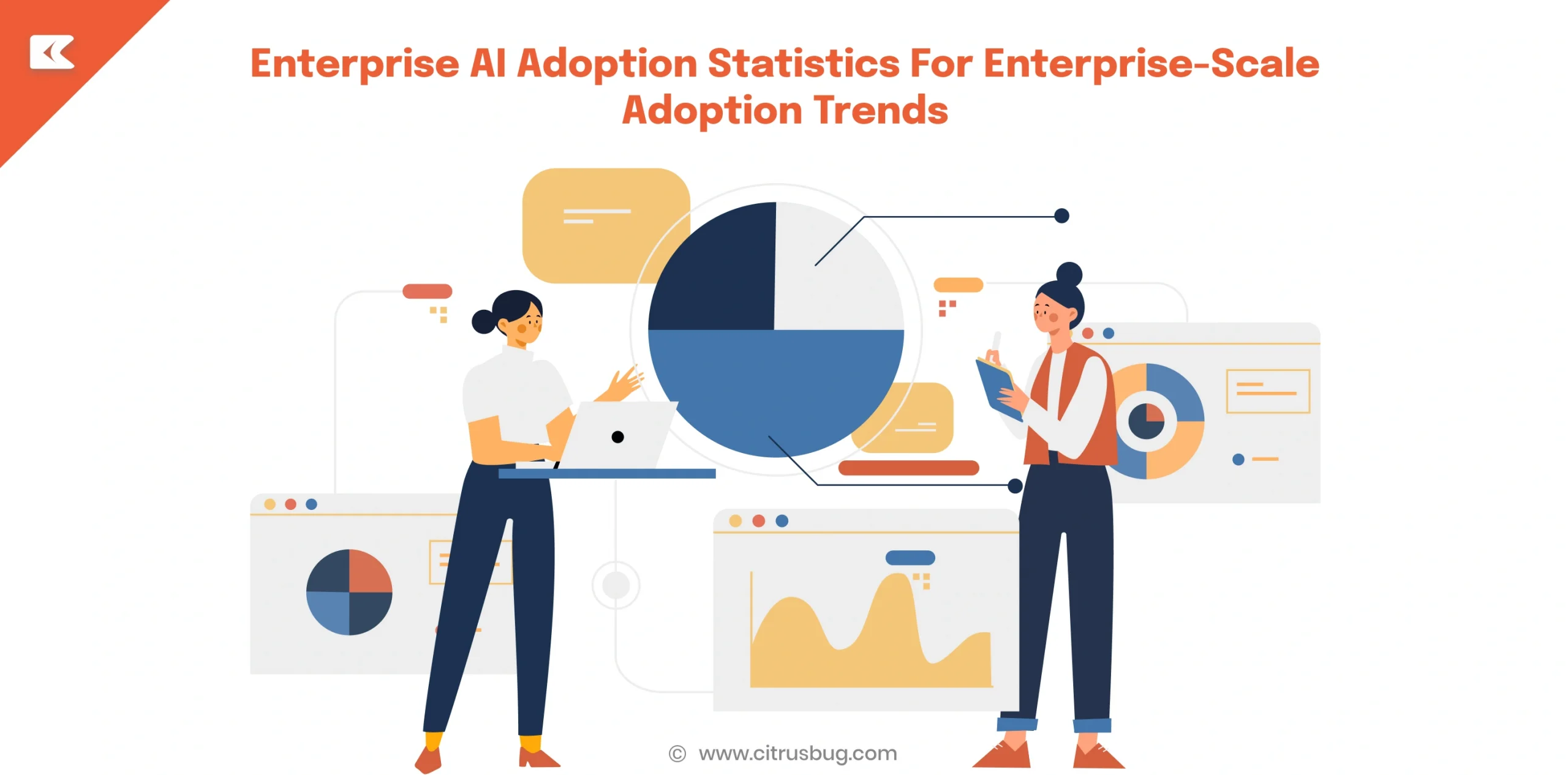
Enterprise AI adoption has shifted from experimentation to operational reality across major functions. As models become more accessible through cloud platforms and packaged tools, enterprises are funding production use cases…
Read Article → Custom Software Development
In today’s faced-paced and media-driven life, businesses need to constantly evolve to survive the digital transformation wave. Businesses are spending a lot on enterprise software development to enhance their productivity.…
Read Article → Application Development
AI healthcare app development is moving faster than ever, but faster isn’t the same as deployable, especially in a regulated industry. Every week, you may read a new post claiming…
Read Article →An assessment alone usually runs a few weeks. Assessment plus a full target-state roadmap typically extends into months, depending on how many systems and business units are in scope.
No. We bring the TOGAF Standard, 10th Edition, and ArchiMate modeling as our working method regardless of what framework, if any, your team currently uses.
Yes, if you choose the embedded partner model. Our engineers can build against the target-state design directly instead of handing it to a separate team to interpret.
Yes. Most engagements pair our architects with your internal team, since they hold context we need and we bring outside perspective they're too close to have.
A current-state assessment, a target-state blueprint, capability and application maps, and a governance charter with a phased roadmap.
It's most common at that scale, but mid-size organizations with multiple platforms or an upcoming merger benefit from the same structured approach.
The governance framework we design includes a decision structure specifically for resolving these conflicts, rather than leaving them to whoever escalates loudest.
We model in ArchiMate and can work inside whatever platform your team already has, including LeanIX or Ardoq, rather than requiring a specific tool.
Through milestone reviews tied to the phased roadmap, plus governance charter sign-off at each stage rather than a single deliverable at the very end.
Yes. We assess how existing AI pilots fit the target-state architecture and build risk classification into governance ahead of upcoming regulatory obligations.
