


Custom Software, AI, and Cloud Engineering
Software Development Company in Chicago for AI and Custom Builds
500+
Projects Delivered
98%
Client Retention
4.7
Rated on Clutch
Certified
 ISO 27001
 SOC 2
 HIPAA
Trusted by industry leaders










Certifications and Accreditations

When Custom Software Development Becomes the Right Investment
Businesses often consider a software development company in Chicago when existing tools can no longer keep pace with their operations. Manual workarounds, disconnected systems, and growing maintenance demands can make routine processes harder to manage and new features more expensive to deliver.
The right approach starts with the systems you already use. We extend existing applications through APIs, modernize outdated software through legacy application modernization, and build custom functionality where existing tools fall short. This keeps development focused on real business needs while giving your team software it can maintain and extend after launch.
Off-the-Shelf Tools No Longer Match Your Workflows
As business requirements change, standard software may leave gaps in your workflows. Rising per-user costs, spreadsheet-based workarounds, and manual data entry add operational overhead and increase the risk of errors. Custom development can address those gaps without forcing your team to replace every tool it already uses.
Disconnected Systems Complicate Reporting and Operations
Your CRM, ERP, and billing platform may store related information without sharing updates reliably. Teams then spend time reconciling records, resolving discrepancies, and preparing reports manually. Integrating these systems helps keep data consistent and gives operations and finance teams a more dependable view of business performance.
AI Prototypes Need a Path to Production
An AI proof of concept may demonstrate value without being ready for everyday business use. Production deployment requires appropriate access controls, monitoring, cost management, and evaluation against real-world data and performance requirements. A clear path from prototype to production helps teams assess reliability before putting AI into operational workflows.
Technical Debt Slows Product Development
Outdated dependencies, tightly coupled components, and fragile deployment processes can turn routine changes into lengthy engineering tasks. As maintenance consumes more development time, planned features and modernization work fall behind. Targeted refactoring and legacy application modernization can reduce these bottlenecks while preserving business-critical functionality.
Custom Software Development Services We Deliver
Engagements can cover one service or combine several, depending on your existing systems, product requirements, and priorities for the next release.

Custom Web Application Development
Internal portals, customer dashboards, and business applications built with React, Next.js, Node.js, Python, or .NET. Each application supports your specific user roles, business rules, and workflows without the limitations of off-the-shelf software.

AI Agent and LLM Development
AI agents that retrieve information from business documents, answer staff questions, and execute tasks using approved tools. Our AI agent development work includes retrieval pipelines, MCP-based tool access, guardrails, and evaluation frameworks for testing reliability.

SaaS Product Engineering
Multi-tenant architecture, subscription billing through Stripe, role-based access, and usage analytics for businesses developing software products for multiple customers. We help establish the foundations for tenant isolation, product growth, and ongoing feature development.
Legacy Application Modernization
Incremental upgrades to aging .NET Framework, Java EE, or PHP applications, including framework migrations, code refactoring, and architectural improvements. Existing systems remain operational while replacement modules are developed, tested, and introduced in stages.
Cloud Application Development
Cloud-native applications and infrastructure deployments on AWS, Azure, or Google Cloud. Terraform-managed infrastructure, containerized workloads on Kubernetes or Amazon ECS, and monitoring through CloudWatch or Datadog help support deployment consistency, scalability, and operational visibility.
System Integration and APIs
Connections between platforms such as Salesforce, NetSuite, QuickBooks, Epic, and carrier systems using REST APIs, GraphQL, webhooks, and event-driven pipelines. Retry mechanisms, error handling, and synchronization alerts help maintain reliable data exchange across applications.
Mobile App Development
iOS and Android applications built with React Native, Swift, or Kotlin for customers and field teams. Mobile-specific capabilities can include push notifications, device integrations, and offline workflows that let drivers, technicians, and clinicians continue working when connectivity is limited.
Data Engineering and Reporting
Data pipelines that consolidate operational information into Snowflake, BigQuery, or PostgreSQL, with dbt models and Power BI or Looker dashboards. Structured data transformations and reporting workflows help finance and operations teams analyze performance using consistent, decision-ready information.
Need Help Defining Your Software Requirements?
Discuss your current systems, technical priorities, and what your next software release needs to accomplish with an engineer.
Discuss Your ProjectWhat Discovery Delivers Before Development Starts
Every Citrusbug project begins with discovery. As a software development company in Chicago, we assess your workflows, data, integrations, and technical constraints with a business analyst, solution architect, and designer before defining the scope and delivery plan.
Requirements and User Stories
Business analysts document workflows, user roles, permissions, and acceptance criteria. Your product owner reviews the requirements so the development team has a clear, agreed-upon basis for implementation.
Clickable Wireframes in Figma
Interactive wireframes let your team review key screens and user journeys before development. Early feedback helps resolve usability issues while changes are still relatively straightforward.
Architecture and Integration Plan
The solution architect defines the proposed technology stack, hosting model, data architecture, and integration requirements. This includes mapping dependencies across existing business systems and third-party APIs.
Delivery Roadmap and Estimates
Requirements are organized into phases, with estimated effort, timelines, and costs for each release. The roadmap identifies priorities for the initial release while accounting for dependencies and future development needs.
Proof of Concept for Technical Risks
When a project depends on an uncertain technical requirement, such as LLM performance on business documents or a third-party API’s capacity, a focused proof of concept can validate feasibility before broader implementation.
Industries
Industry-Focused Software Development Services
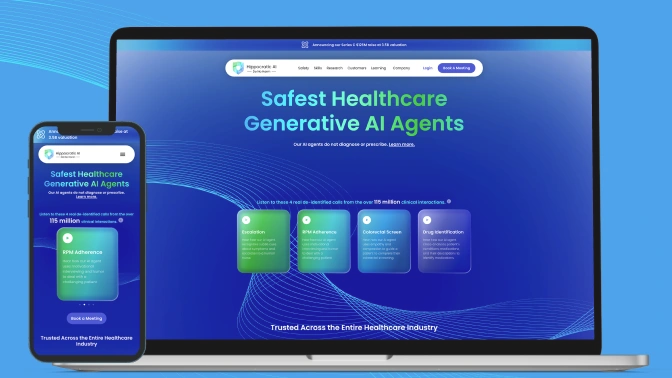
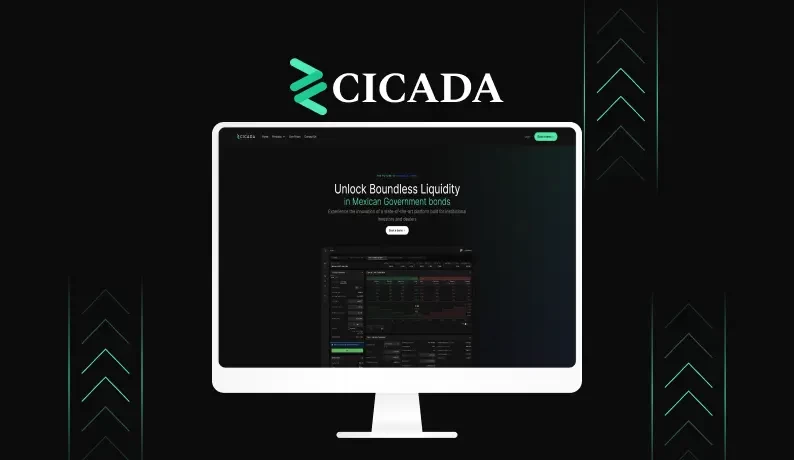
View All Industries →Software Projects We Have Delivered
Delivery Process
How We Deliver Software From Development to Launch
After discovery and scope approval, development moves through structured sprints, testing, and staged releases. Your product owner reviews working software at key checkpoints, helping the team address feedback and keep delivery aligned with business priorities.
01
Development Environment and Sprint Setup
The team configures code repositories, development and staging environments, CI/CD pipelines, and access permissions based on project requirements. Automated build and testing workflows help maintain consistency as development progresses.
02
Iterative Development and Sprint Reviews
Features are developed in short sprints, with working software demonstrated at regular reviews. Your product owner provides feedback, confirms priorities, and helps the team adjust the backlog as requirements evolve.
03
Quality Assurance and Security Testing
Automated unit, integration, and end-to-end tests help verify functionality throughout development. Dependency scanning and additional security testing are incorporated according to the application's risk profile and technical requirements.
04
Production Release and Handover
The team prepares a release plan covering deployment, data migration where needed, rollback procedures, and user training. Release timing and cutover activities are coordinated with your business operations to reduce disruption.
05
Monitoring and Ongoing Improvements
After launch, application monitoring, error tracking, and performance metrics help identify issues and guide future improvements. Usage data and stakeholder feedback inform subsequent development priorities.
Client Testimonials (We're Rated 4.7 on Clutch)
THE PROJECT
Web & AI Development for Education Company
AI Development, Custom Software Development
Nov. 2024 - Ongoing
THE REVIEW
Their agile way of working, competence, and friendliness are impressive.December 7, 2024
PROJECT SUMMARY:
Citrusbug Technolabs handles a data extraction project for an education company. They're also responsible for managing an AI generation project for the client.
FEEDBACK SUMMARY:
Citrusbug Technolabs has laid out and followed a clear project outline and consistently met deadlines. The team communicates well and demonstrates a strong understanding of the client's vision and goals. Their agile approach, high level of competence, and personable approach stand out.
THE REVIEWER
 Read More
 Read More
THE PROJECT
Custom Automated System Dev for Veteran Medical Co
Generative AI, Application Testing, Custom Software Development
Aug. - Oct. 2024
THE REVIEW
Their communication and ability to capture exactly what I was asking for were impressive.November 14, 2024
PROJECT SUMMARY:
Citrusbug Technolabs built an automated system for a veteran medical company. The system needed to collect and store user data, generate customized letters based on surveys, and use AI to summarize reviews.
FEEDBACK SUMMARY:
Citrusbug Technolabs delivered a functional automated system that successfully organized the client's records and auto-generated statements. The team was quick to respond, addressed all roadblocks, and communicated effectively. Overall, their ability to understand the client's needs stood out.
THE REVIEWER
Read More
Read More
THE PROJECT
MVP Development for Freight & Capacity Marketplace
Custom Software Development
$10,000 to $49,999
Jan. 2024 - Feb. 2025
THE REVIEW
They were very calm and talented, and they did bring some of their own ideas.January 28, 2025
PROJECT SUMMARY:
Citrusbug Technolabs has developed an MVP for a freight and capacity marketplace. The team has created three different interfaces for three market segments.
FEEDBACK SUMMARY:
Citrusbug Technolabs has successfully developed an effective MVP. The team has delivered the project on time and almost within budget. Moreover, their responses have been timely. Overall, the team has been calm, talented, and innovative. This has led to the client's satisfaction.
THE REVIEWER
Read More
Read More
THE PROJECT
Web & Mobile App Development for Education Company
Custom Software Development, DevOps Managed Services
$10,000 to $49,999
THE REVIEW
What stood out most about them was their personalized approach and sense of ownership in every aspect of the project."February 27, 2024
PROJECT SUMMARY:
Citrusbug Technolabs built a Flutter cross-platform mobile app for an education company. They also developed two web apps and an admin panel and provided DevOps support for the client's infrastructure.
FEEDBACK SUMMARY:
Citrusbug Technolabs' support successfully boosted the client's user engagement by 8x, resulting in an 85% retention rate. The reliable team demonstrated a dedication to delivering on time and promptly responding to concerns and adjustments. Their personalized, client-centric approach stood out.
THE REVIEWER
Read More
Read More
THE PROJECT
Mobile App Development for Healthcare Company
Custom Software Development Mobile App Development UX/UI Design
$10,000 to $49,999
June 2023 - Jan. 2024
THE REVIEW
They didn't like the phrase "impossible to do", which made them very solution-oriented.February 19, 2024
PROJECT SUMMARY:
A healthcare company hired Citrusbug Technolabs to design and develop a user-friendly application. The team provided tailored assistance to meet the client's requirements.
FEEDBACK SUMMARY:
Citrusbug Technolabs successfully delivered an application that was ready for market. The team was highly professional and well-organized; they stayed focused throughout the engagement and were receptive to changes. Overall, they stood out for their trustworthiness and commitment to excellence.
THE REVIEWER
Read More
Read More
THE PROJECT
Custom Web App Dev & Design for Financial Technology Firm
Mobile App Development UX/UI Design Web Design
Sep. 2023 - Ongoing
THE REVIEW
They're 100% on time and transparent throughout each stage of the project.February 24, 2024
PROJECT SUMMARY:
A financial technology company has hired Citrusbug Technolabs to build a custom web application. The team handles the development and design of the app.
FEEDBACK SUMMARY:
The project is ongoing, but the client has been satisfied with Citrusbug Technolabs' services. The team is very professional — they always respect timelines and provide regular updates to ensure everyone's on the same page. Also, their transparent approach makes them a trustworthy partner.
THE REVIEWER
Read More
Read More
THE PROJECT
Staff Augmentation for Singaporean Development Company
Mobile App Development
$10,000 to $49,999
THE REVIEW
"I do believe they are exceptional at where they stand."
PROJECT SUMMARY:
Citrusbug Technolabs took on a mobile app development project for a Singapore-based development house. They were provided with UX designs to execute. Currently, they're finalizing and fine-tuning the product.
FEEDBACK SUMMARY:
Citrusbug Technolabs contributed to the successful launch of the product, which has garnered over 10,000 users in just three months. The product has also received support from investors. They consistently followed-up with their progress and delivered at a speedy rate. The team is truly stellar.
THE REVIEWER
Read More
Read More
Engagement Models for Custom Software Projects
Fixed-Price
DEFINED SCOPE, SET BUDGET
- Scope locked after discovery
- Milestone-based payments
- Change requests priced separately
- Suited to MVPs and defined releases
- Acceptance criteria per milestone
Time and Material
EVOLVING SCOPE, FLEXIBLE BUDGET
- Billed on hours actually worked
- Backlog reprioritized every sprint
- Suited to AI and R&D work
- Effort scaled up or down
- Transparent time and spend reporting
Dedicated Team
ONGOING PRODUCT, EMBEDDED ENGINEERS
- Engineers assigned to your product
- Works inside your Jira and Slack
- Roles added as the roadmap grows
- Product knowledge retained long term
- Monthly billing per team member
What Drives Custom Software Development Cost and Timeline
Scope and Complexity
Number of user roles
Workflow and approval logic
Admin and reporting needs
Web, mobile, or both
AI or machine learning components
Integrations and Data
Systems connected through APIs
Legacy data migration volume
Real-time or batch synchronization
Third-party API limits and fees
Data cleanup before migration
Compliance and Operations
HIPAA, SOC 2, or BIPA scope
Audit logging and retention rules
Hosting and uptime targets
Post-launch support level
Accessibility to WCAG 2.2 AA
How Much Does It Cost to Develop Custom Software in Chicago?
Custom software projects typically range from about $20,000 for a focused application to $150,000 or more for an enterprise platform with complex integrations. Share your requirements and we will send a scoped estimate.
Why Citrusbug
What Sets Citrusbug Apart as a Software Development Company in Chicago
Full Code and IP Ownership
Your engagement terms define ownership of the source code and project deliverables, with access to repositories, infrastructure scripts, and technical documentation. This gives your team the ability to maintain, extend, or transition the software without unnecessary vendor dependency.
Daily Updates and Shared Project Visibility
Your product owner receives written daily updates and access to the shared Jira board, making progress, blockers, and upcoming priorities visible throughout development. Sprint reviews provide regular opportunities to assess working software and adjust priorities.
Cloud Infrastructure Aligned With Your Needs
We configure cloud infrastructure around application requirements, expected traffic, availability targets, and budget. Monitoring and capacity reviews help identify opportunities to control costs as usage changes.
Experience Across Complex Software Projects
Citrusbug brings 13+ years of software development experience, with a 4.7/5 Clutch rating reflecting client feedback. Our work spans healthcare, fintech, logistics, and real estate, supporting projects from initial development through continued product improvements.
From Our Blog
Insights on Custom Software Build
View All Articles →
 Custom Software Development
How Much Does Custom Software Development Cost?
Custom software development is the process of developing software for specific users. In today’s era of technological transformation, one software solution is not fit for everyone. Due to this Custom…
Read Article → Custom Software Development
Why Invest in Custom Logistics Software Development for Your Business
In today’s fast-paced digital age, logistics companies face unprecedented demands. Consumers require quick, prompt, and hassle-free deliveries, and logistics organizations must align their operations and control their expenses while keeping…
Read Article → Custom Software Development
A Comprehensive Guide To Software Development In 2026: From Novice To Pro
Introduction As you embark on the software development journey in the year 2024, the landscape is or seems to be filled with challenges and opportunities, and this revolutionary IT period…
Read Article →Custom Software Development FAQs
How much does custom software development cost in Chicago?

Projects typically run from about $20,000 for a focused application to $150,000 or more for enterprise platforms. Integrations, compliance scope, and the number of user roles account for most of the difference.
How long does it take to build custom software?
A focused MVP typically takes 10–16 weeks after discovery, while larger platforms with multiple integrations can take 5–8 months. Discovery establishes a release-by-release timeline based on your requirements, technical complexity, and delivery priorities.
Does my app need to comply with Illinois BIPA?
It likely does if the software collects or stores biometric identifiers such as face geometry, fingerprints, or voiceprints. Your counsel should confirm applicability, and we build the consent, retention, and deletion controls.
Can you build AI agents that work with our existing systems?
Yes. Agents connect to CRMs, ERPs, and document stores through APIs or MCP servers. They run with role-based permissions, human approval for sensitive actions, and accuracy testing on your own data before rollout.
Can a startup begin with an MVP before a full build?
Yes. Startups can begin with discovery and a scoped MVP covering the core workflow, then add features once real users validate demand. Fixed-price usually fits this stage because the scope is defined.
What support do you provide after launch?
Every project includes a free maintenance period after launch. After that, optional L1, L2, and L3 support plans cover monitoring, security patches, bug fixes, and feature releases under an agreed SLA.
Is Citrusbug SOC 2 compliant?
Yes. Citrusbug is SOC 2 compliant and ISO 27001 certified, and applies those controls to project environments, source code access, and the handling of client data throughout each engagement.