
 Back
Back







Key Takeaways
- Fitness apps, wearables, and virtual coaching now deliver structured workouts at home, replacing costly gyms and in-person trainers for most routines.
- Compact gear like kettlebells and rebounders pairs with digital instruction, making strength and cardio training accessible in small living spaces.
- Online shopping now favors detailed research and reviews, pushing high-consideration purchases like jewelry toward informed, confident buying decisions.
- AI and machine learning personalize fitness targets, product recommendations, and customer support, but only build trust when they reduce noise rather than add it.
- Clean UX design increasingly decides whether people keep an app or delete it, since users abandon anything that feels clunky or frustrating.
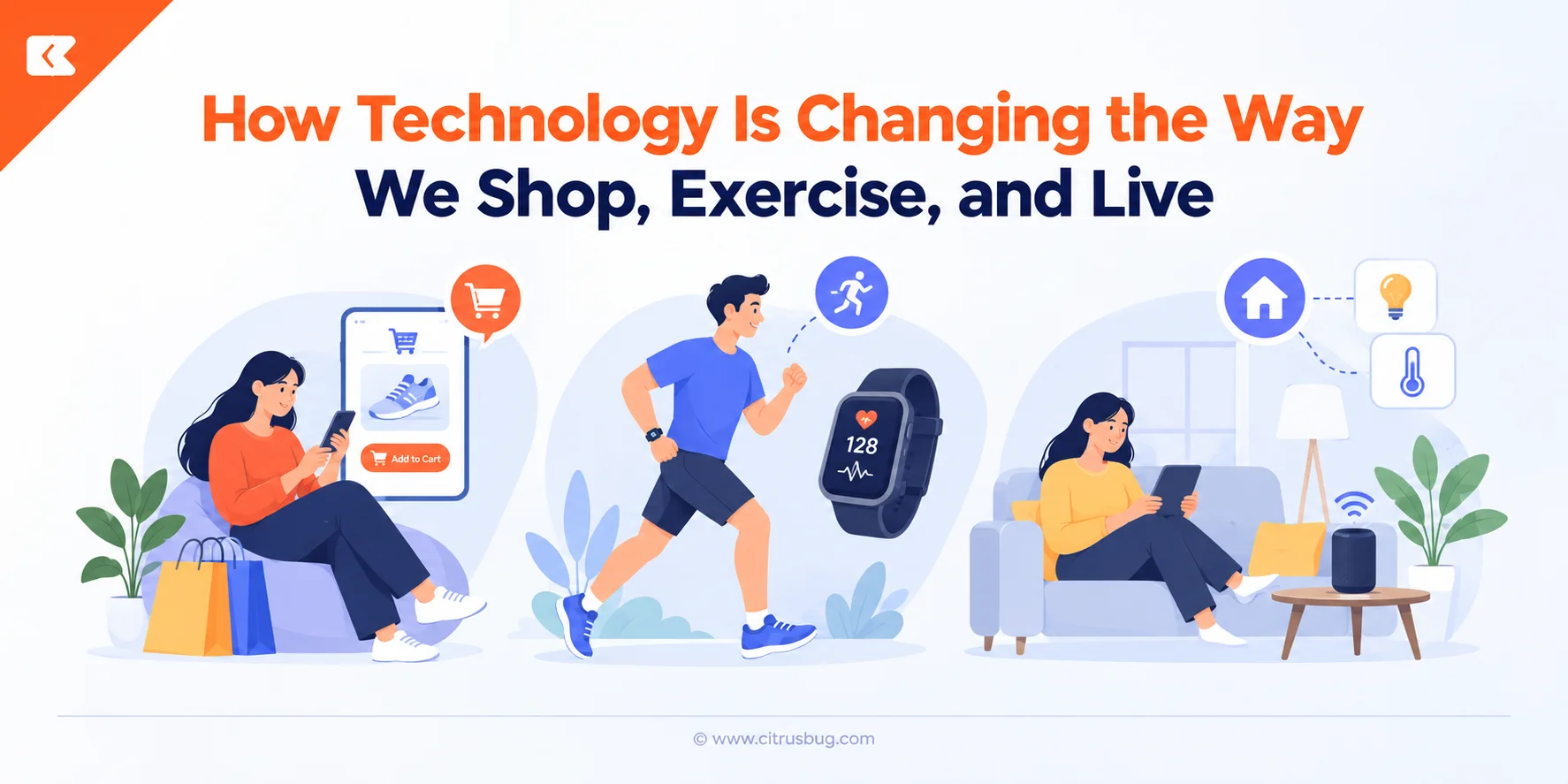
Understanding how technology is changing our daily lives starts with small habits. Smartphones, wearable devices, and AI-powered apps now shape how we exercise, shop, and manage our time.
Tasks that once consumed a Saturday afternoon, like driving between stores or booking a trainer, now take seconds.
This guide explains how fitness technology, online shopping, and personalization are reshaping everyday routines for modern consumers.
The Rise of Technology-Driven Home Fitness
Home workouts once meant static routines and a shelf of old DVDs. Today, fitness apps, live-streamed classes, and virtual coaching deliver structured programs straight to your living room. You no longer need a costly gym membership or an in-person trainer to train effectively, which makes regular exercise far more accessible for busy people.
Progress tracking has improved just as fast. Smartwatches and fitness trackers display heart rate trends, step counts, and active minutes at a glance, replacing guesswork with data. Brands investing in wearable app development can turn these raw signals into clear insights that show whether users are getting stronger, faster, or more consistent.
That convenience is pushing more people to build dedicated workout spaces at home. You don’t need a basement or a spare room, because compact gear that serves multiple purposes works well in small apartments. For example, a rebounder can provide a compact option for incorporating low-impact bouncing and cardio-oriented movement into a home routine.
Making Home Workouts More Engaging
Consistency is the hardest part of any fitness plan. Buying equipment is easy, but using it three times a week after a draining workday is where most people quit. Technology closes that gap by making exercise feel less like an obligation and more like a rewarding habit that fits naturally into a routine.
Interactive classes, reminders, virtual coaches, and streak badges give users a small psychological push. Gamification turns progress into a game, and it works, since people will finish a set of squats at 8:00 PM to protect a streak. Businesses exploring fitness app development services can use these mechanics to improve retention.
Equipment matters too, because traditional cardio gets repetitive quickly. A workout trampoline can be incorporated into certain home exercise routines when users want an activity that combines movement with an element of variety. Modern fitness is ultimately about flexibility, blending apps and gear around your available space, budget, and energy.
Combining Strength Training With Modern Fitness Routines
Cardio gets most of the attention in fitness apps, but resistance training remains essential for long-term health. The good news is that you don’t need a full rack or hundreds of pounds of plates to build real strength. Simple, compact tools deliver strong results when they are paired with clear guidance.
One example is the kettlebell, which can be used for various strength and conditioning exercises depending on a person’s training goals and experience level. Swings, squats, and presses all fit into a small footprint, which suits apartments and shared spaces where large machines won’t fit. Its versatility also keeps workouts varied without extra equipment.
Digital instruction makes this style of training far less intimidating. Beginners can watch a short clip to learn a safe swing, while experienced lifters can follow new programs to escape plateaus. Our roundup of the best fitness apps compares tools that pair coaching, tracking, and progress reports with everyday gear.
How Technology Is Changing Online Shopping
The shift isn’t limited to fitness. Online stores, search engines, customer reviews, and price comparison tools have transformed how people buy. Shoppers once drove to three stores and relied on a salesperson’s pitch. Now they research products thoroughly, compare specifications, view photos, and find the best price from their couch before spending anything.
This matters most for high-consideration purchases. Jewelry is a classic case, because someone looking for Diamond rings can explore different styles, designs, sizes, and product information online before deciding which options deserve closer attention. Detailed listings, honest reviews, and clear return policies help buyers feel confident before they commit to a purchase.
Consumers now hold most of the power, gathering data, weighing options, and buying only when they are ready. For retailers, this raises the bar on speed, mobile checkout, and trust. Working with an experienced e-commerce software development partner helps brands build fast, secure storefronts that turn browsing into completed orders.
How AI-Driven Personalization Shapes Everyday Experiences
People now expect software to understand their preferences. Websites and apps use past clicks, previous orders, and search history to tailor what appears on screen. Online stores highlight items that match your taste, fitness apps adjust targets based on sleep quality, and streaming platforms recommend shows you will actually finish.
Artificial intelligence and machine learning power most of this work behind the scenes. Algorithms process enormous volumes of data in seconds and spot behavioral patterns that humans would miss. Companies use those insights to make recommendations more accurate, support chats more responsive, and site layouts less chaotic for everyday users.
In fitness, AI adapts workout plans to how tired you feel. In retail, it sharpens search bars, improves product suggestions, and keeps customer support moving. Businesses that pair these tools with a strategy for personalizing customer experiences with CRM can deliver relevant offers at the right moment and strengthen loyalty.
Personalization has a catch, though. It only works when it genuinely helps the user. Intrusive ads, invasive tracking, and irrelevant suggestions backfire quickly and erode trust. The best systems reduce noise instead of adding it, and they hide complex machinery behind clean, simple interfaces that anyone can use without effort.
Why User Experience (UX) Design Matters in Modern Apps and Online Stores
Nobody tolerates broken software anymore. Users expect pages to load instantly, work smoothly on mobile, and show what they need without pop-ups. When a site feels clunky, people leave regardless of how good the product is. Smart design, by contrast, makes complicated processes feel effortless and keeps customers coming back.
This is why development and design now work hand in hand. Developers build the engine, while designers build the steering wheel. Partnering with UX/UI design services ensures the interface is intuitive, accessible, and consistent across devices, so the technology fades into the background and users simply get things done quickly.
Design is decisive in crowded markets. If an app annoys someone, they will delete it and download a competitor’s within seconds. People adopt technology because it solves an irritating problem, not because it is new. A fitness app should simplify planning, a store should avoid hidden fees, and recommendations should help rather than spam.
The Future of Technology in Everyday Life
Software and daily life will keep converging as AI, connected devices, and smart apps improve. Workout gear will sync with your phone automatically, shopping will feel even more tailored, and apps will predict needs before you type them. Data will flow between devices, making routines smoother without extra effort from users.
Retail will change the most as machine learning matures. Visual search, conversational assistants, and dynamic pricing are already expanding, and the latest AI use cases in e-commerce show how brands can predict demand and personalize every session. Accuracy, privacy, and transparency will separate trusted tools from those that users quietly abandon.
The story of how technology is changing our daily lives is ultimately about convenience with purpose. Whether you are following a home workout, reading product reviews, or comparing options across tabs, the best tools solve real problems, provide accurate information, and save time. The winning technologies will keep working quietly in the background, helping people live, train, and shop better every day.
Frequently Asked Questions
Do I really need smart technology to build an effective home workout routine?
⇒ Not at all. Bodyweight movements or a basic pair of dumbbells work perfectly well. Smart technology and fitness apps simply add structure by organizing routines, logging performance numbers, and providing motivation on days you would rather stay on the couch. Treat them as helpful support tools rather than requirements for getting fit, especially when you are just starting out.
Is it safe to make major purchases like high-end jewelry online?
⇒ Yes, provided you check a few basics first. Choose established sellers that publish third-party grading certifications, accurate sizing guides, and clear return terms. Look for encrypted checkout, secure payment options, and verified customer reviews so you know exactly what you are paying for before you complete the order. Keep receipts and certificates safely stored.
Why do shopping websites keep recommending items I recently viewed?
⇒ Stores combine browser cookies with recommendation algorithms to remember what caught your attention. Showing those items again makes it easy to return to a product page, recheck specifications, or finish checkout when you are ready. You can usually limit this tracking through your browser privacy settings or the site’s cookie preferences on most platforms.
How can I tell if an app’s personalized features are actually useful?
⇒ A useful feature saves effort without creating frustration. If an app adjusts targets based on your real energy levels or surfaces products you genuinely care about, it is working well. Constant notifications, irrelevant suggestions, and pushy prompts are warning signs that personalization is serving the platform more than serving you, so consider turning it off.