Explore our Healthcare Technology Offerings Citrusbug Healthcare → Citrusbug Healthcare →
Let’s Talk
AUTOMATION & ENTERPRISE SYSTEMS

Workflow Automation Solutions Built Around Your Stack

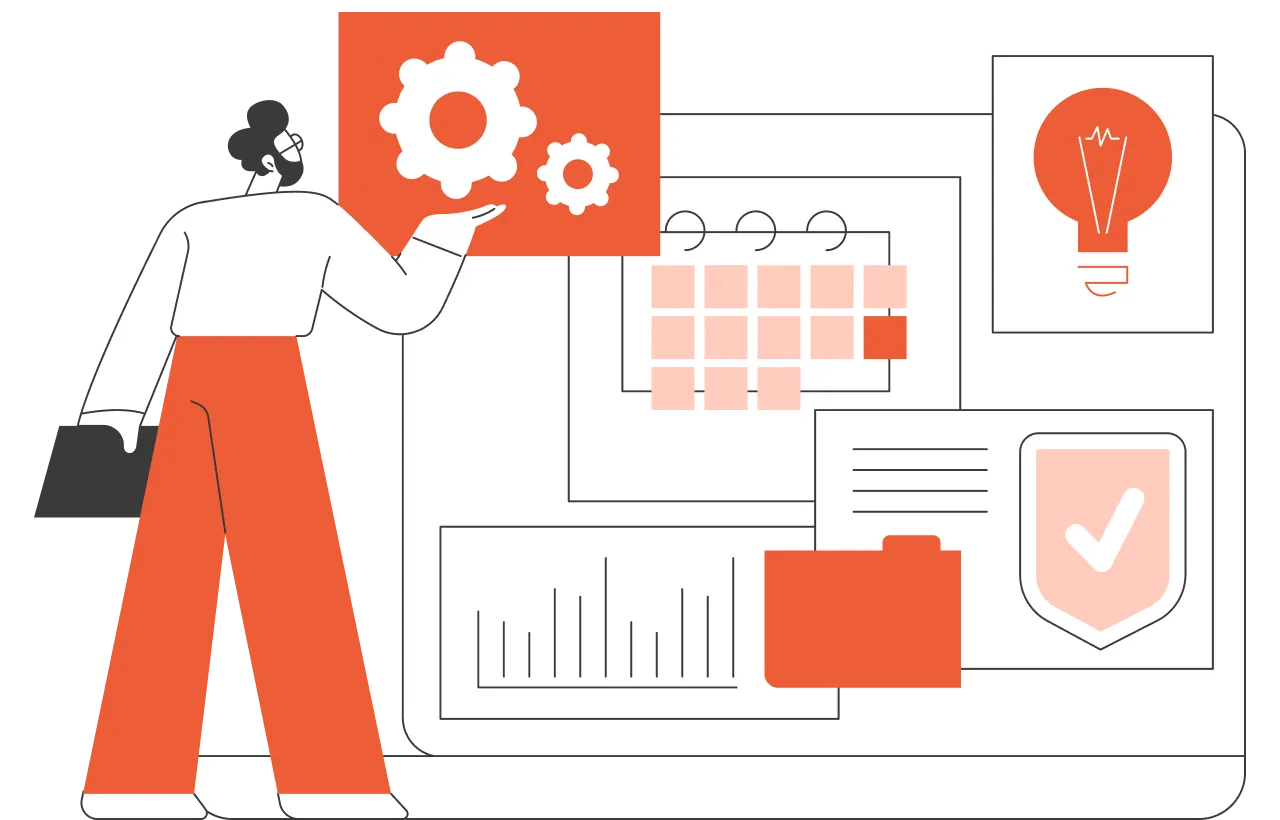
Roughly 88% of enterprises now use AI in at least one business function, but most are still running it beside their real workflows instead of inside them. We build workflow automation solutions that sit inside your ERP, CRM, and approval chains, combining rule-based automation with an agentic reasoning layer where it actually earns its place.

Hero Image
500+
Projects Delivered
98%
Client Retention

ISO 27001 ISO 27001
SOC 2 Type II SOC 2 Type II

Trusted by industry leaders

Bosch
Deloitte
eClinicalWorks
Epic Systems
Flipkart
McKinsey
HSBC
Softbank
Allianz
Airbnb
United Health
Phelic
Sun Pharma
Target
US Foods
Advinow

Certifications and Accreditations

What Workflow Automation Solutions Actually Include

Process Discovery and Redesign

Before anything gets automated, we map the current workflow end-to-end, including the handoffs nobody documented. We flag where exception handling breaks down and where approval cycle time is inflated by routing that made sense five reorgs ago.

Rule-Based & Agentic Automation Engineering

Deterministic logic still runs the backbone. We layer agentic reasoning on top only where a workflow genuinely needs judgment calls, like routing an ambiguous exception, not as a blanket upgrade to every step in the chain.

Enterprise System Integration

We connect ERP, CRM, and legacy systems through API-based middleware built for your actual data model, not a generic connector. Systems of record stay authoritative, automation reads and writes through governed channels.

Governance and Audit Controls

Every automated decision, human or agent, leaves a traceable record. Role-based access, approval gates, and escalation paths are designed in from day one, not bolted on after an audit finding.

Where Automation Delivers the Most Operational Value

Manual workflows rarely fail all at once. They fail in the handoff between finance and procurement, in the CRM update that never syncs back to billing, in the approval that sits in someone's inbox for three days because there's no escalation path. Straight-through processing breaks at exactly these seams, and that's where automation should start, not with the flashiest use case on a vendor's homepage.

Finance & Procurement
HR & People Ops
Customer Operations
Supply Chain & Fulfillment

Not Sure Where Your Automation Opportunity Actually Is?

Most teams can name the symptom before they can name the fix.

Discuss Your Use Case

Integrating Workflow Automation With Your Existing Systems

Workflow automation only holds up if it respects the systems already running your business. We build integration layers that treat your ERP and CRM as the systems of record they are, not as data sources to route around. That means fewer sync conflicts and no shadow database quietly becoming the "real" one.

ERP Integration

  • Two-way sync with your existing ERP so financial and operational data stays authoritative in one place, not duplicated across five spreadsheets.

CRM Integration

  • Automated lead, deal, and case updates flow into your CRM automation layer without manual re-entry or delayed status changes.

Legacy System Connectors

  • Middleware built for systems without modern APIs, so you don’t have to rip out infrastructure to get the automation benefit.

Data Synchronization and Sync Health

  • Ongoing monitoring for data pipeline drift, so a broken sync gets caught before it becomes a reporting problem three weeks later.

Explore Our Portfolio

View All Case Studies →
E-Commerce Exii

Exii

Exii.co recommendation engine personalizes online shopping experiences, enhancing customer engagement and increasing sales.

Explore More
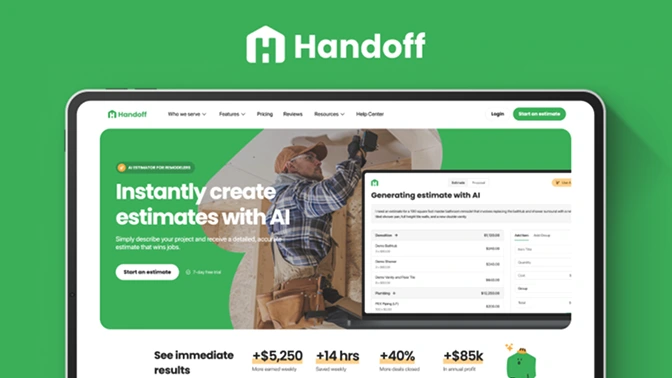
Fintech Handoff

Handoff

This AI tool provides real-time, accurate renovation cost estimates for homeowners, contractors, investors, and insurance companies.

Explore More
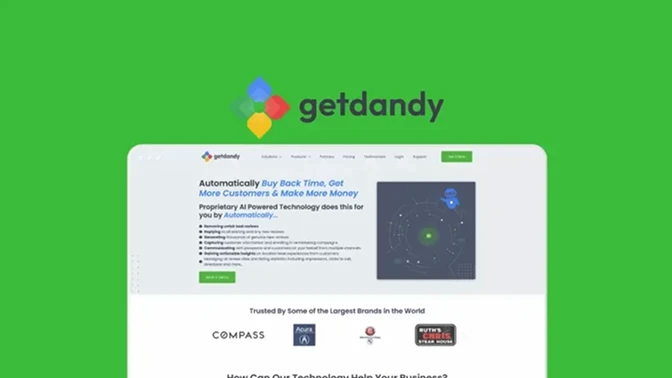
AI-ML Getdandy

Getdandy

It’s an AI-driven reputation management platform that automates online review collection, sentiment analysis, and response strategies to help businesses enhance their digital credibility.

Explore More

Why Complex Business Processes Need Intelligent Automation

Most workflow automation solutions treat "AI-powered" as a feature checkbox rather than an architecture decision. That works until a workflow needs a judgment call the rules can't cover, and the whole system either breaks or silently does the wrong thing.

We build automation as three distinct layers instead of one flat claim. Rule-based logic still handles the deterministic backbone, LangGraph-style agent reasoning handles the branching decisions that need judgment, and Temporal-style durable execution keeps long-running processes, including ones waiting days for human approval, alive through restarts and failures. MCP has become the default way these pieces talk to your tools and data, so the layers stay interoperable instead of locked to one vendor's ecosystem. Not a nice-to-have anymore.
Rule-Based Automation Layer

Handles the deterministic 80%. Fast, predictable, cheap to run, and it’s where most of the workflow should live.

Agentic Reasoning Layer

Handles genuine judgment calls, like classifying an ambiguous exception or deciding which approver a case actually needs.

Durable Execution Layer

Keeps long-running, multi-day processes alive across restarts, crashes, and human approval waits without losing state.

Governance and Human Oversight

Every agent decision is logged, reversible, and gated by the approval structure your compliance team actually signed off on.

The Real Business Impact Of Automating Workflow

Faster Approval Cycles

Approval chains that used to sit in someone’s inbox now route automatically based on amount, risk, or exception type, cutting the wait out of the process.

Fewer Manual Touchpoints

Every manual handoff is a chance for delay or error. Automating the routine ones frees your team to focus on the exceptions that actually need judgment.

Real-Time Process Visibility

Managers see where every case sits in the workflow instead of asking three people and checking two systems to find out.

Headcount Reallocated to Higher-Value Work

The hours spent on data entry and status chasing move to work that actually needs a person’s judgment.

Consistent Audit Trail

Every automated action leaves a record, which turns compliance reporting from a scramble into a query.

Scales Without Adding Headcount

Volume increases don’t require proportional staffing increases once the workflow is running on governed automation.

How We Actually Deliver Workflow Automation Solutions

1

Discovery and Process Audit

We run structured sessions with the people who actually run the workflow, not just the people who approved the budget. We document task volumes, handoffs, exception rates, and where straight-through processing currently breaks, then score automation opportunities by effort versus impact before anything gets built.

2

Architecture and Tool Selection

We map which parts of the workflow need deterministic rules, which need agentic reasoning, and which need durable execution across long waits. Tool selection follows the architecture, not the other way around, so you're not locked into a platform that only solves part of the problem.

3

Agentic and Rule-Based Build

Development happens in short iterations with working demos, not a black box that reappears at the end. Rule-based logic ships first since it's the backbone; agentic components layer in once the deterministic path is proven.

4

Integration and Three-Stage Testing

We connect the automation to your live systems and run unit, integration, and user-acceptance testing before anything touches production data. You get a documented sign-off report, not just a verbal "it works."

5

Deployment, Training, and Governed Rollout

We deploy in phases rather than all at once, train the team that will actually run it day to day, and hand over documentation your IT team can maintain without calling us for every small change.

How Workflow Automation Solutions Keep Driving Impact After Implementation

Phased rollout means one team adapts before the next one inherits the change

Hands-on training and documentation go to the people who'll actually run it

Monitoring catches sync drift and exception spikes before they become downtime

Iteration continues after launch, not just at signoff

How Much Does It Cost to Automate a Workflow?

Cost depends on integration count and decisioning complexity. Single-process automation runs $5,000 to $15,000, cross-department integrations run $20,000 to $60,000, and enterprise-wide programs with agentic components start at $75,000.

Share your details to get an accurate estimate.


    Your data and info stays secure. Read our Privacy Policy.


    Why Citrusbug for Workflow Automation Solutions

    Discovery Before Automation

    We map and score the actual workflow before writing a single rule, so the build targets the friction that's really there, not the friction that's assumed.

    Secure ADLC Build Methodology

    Security gets embedded into the automation lifecycle from architecture through deployment, not added as a review step after the build is already done.

    Full Source Code Ownership

    Everything we build is yours at delivery, including full source code and documentation, with no vendor lock-in on the automation logic itself.

    Post-Launch Support Options

    L1 through L3 support tiers are available once the automation is live, so monitoring and fixes don't fall entirely on your internal team.

    FAQs About Workflow Automation Solutions

    What's the difference between RPA and workflow automation?

    RPA automates individual rule-based tasks. Workflow automation orchestrates the entire process end-to-end, often including RPA as one component alongside integrations and, increasingly, agentic decisioning.

    How long does implementation actually take?

    Simple, single-process automations can go live in 2 to 4 weeks. Cross-department programs with agentic components typically run 8 to 16 weeks depending on integration count.

    Can this integrate with our legacy ERP without replacing it?

    Yes. We build middleware and API connectors around your existing ERP and CRM rather than requiring a rip-and-replace, keeping your systems of record intact.

    Who owns the automation logic once it's built?

    You do. Full source code ownership transfers at delivery, and documentation is written so your internal team can maintain it without us.

    What happens if we already have some automation in place?

    We audit what's there first. Working automation gets extended, not rebuilt from scratch, and only genuinely broken pieces get replaced.

    How do you handle governance for AI-driven decisions?

    Every agentic decision is logged, gated by approval rules your compliance team defines, and reversible. Human oversight is designed in, not retrofitted.

    Do you support the automation after launch?

    Yes, through optional L1 to L3 support tiers, so monitoring and fixes are available without you needing to staff it entirely in-house.

    What if our process changes after the automation ships?

    Workflows are built to be adjusted, not hardcoded. Most rule and routing changes don't require a full redevelopment cycle.

    Turn Manual Workflows Into a Competitive Advantage

    Your competitors are still asking whether AI belongs in their workflows. That question is behind you if you're already reading this.