












Explore our Healthcare Technology Offerings Citrusbug Healthcare → Citrusbug Healthcare →
Let’s Talk
ENTERPRISE IOT ENGINEERING

IoT Platform Development Services Built for Enterprise Scale

Most IoT projects start as a handful of connected pilots and stall before they become a platform. We architect and build the connectivity, edge AI, and cloud layers your device fleet actually needs, so growth doesn't mean rebuilding every time you add a protocol, a region, or a thousand more devices.

Hero Image

Impact in Numbers

12+ Years

Industry Expertise

80+ Engineers

Operational Excellence

98% Client Retention

Tech Expertise

4.7 / 5 Clutch Reviews

Based on 43 Reviews

Trusted by industry leaders

Bosch
Deloitte
eClinicalWorks
Epic Systems
Flipkart
McKinsey
HSBC
Softbank
Allianz
Airbnb
United Health
Phelic
Sun Pharma
Target
US Foods
Advinow

Certifications and Accreditations

Why Most Connected-Device Pilots Never Become a Platform

A pilot usually starts small. One product line gets sensors, one team builds a dashboard, and a single cloud account handles the data. It works, so the business adds another product line, another region, another integration. Nobody planned for that second phase, so each addition gets bolted on with whatever got the last one shipped. Eighteen months later, there are three device protocols, two clouds, and a dashboard nobody outside the original team trusts. The company still calls it an IoT platform, but it's a pile of point solutions wearing one name, and every new device type means another one-off integration instead of a feature toggle.
Protocol Sprawl

MQTT here, a proprietary binary format there, HTTP polling wherever someone ran out of time. Every new device type means writing a new translator instead of onboarding it.

No Device Identity Model

Devices share credentials or use static API keys because nobody designed a per-device identity scheme early. Revoking one compromised sensor means touching the whole fleet.

Dashboards Without a Data Layer

Charts pull straight from whatever database the first prototype used. Add a second data source and someone has to rebuild the dashboard from scratch.

Locked Into One Vendor's Roadmap

The pilot rode on a SaaS IoT platform’s free tier. Now pricing scales with device count and the exit cost keeps climbing every quarter.

Core Capabilities Behind Every IoT Platform We Build

Multi-Tenant Platform Architecture

  • Cloud-native services, isolated by tenant

  • Horizontal scaling without re-architecture

  • Resilient microservices, no single point of failure

Device & Protocol Integration

  • MQTT, CoAP, Modbus, OPC-UA support

  • Sensor and gateway onboarding pipeline

  • Custom protocol translation where needed

Edge AI & On-Device Inference

  • Models running on gateways, not just cloud

  • Sub-second anomaly detection at the source

  • Lower bandwidth and cloud compute costs

Cloud Data Pipeline & Storage

  • Real-time ingestion and stream processing

  • Time-series storage built for scale

  • Structured feeds for BI and reporting

Device Identity & Security

  • Per-device certificates, not shared keys

  • Role-based access across the fleet

  • Encrypted transport end to end

Enterprise System Integration

  • ERP, CRM, and legacy system links

  • API contracts your team actually owns

  • Digital twin and simulation support

Ready to See What Your Platform Should Look Like?

Get an architecture review that maps your device fleet to a platform that scales instead of another one-off integration.

Book an Architecture Review

What Goes Into a Production-Ready IoT Platform

A platform is five layers working end to end, not five separate projects handed to five vendors. Getting the device connectivity and integration layer right early is what determines whether adding a sixth device type takes a sprint or a quarter.

  • Device Layer — Sensors, gateways, and edge hardware, connected through sensor and device integration built for whatever protocol the fleet already runs.

  • Ingestion & Streaming Layer — Real-time message brokering that survives a burst of ten thousand devices reporting at once without dropping data.

  • Edge Inference Layer — TensorFlow Lite or ONNX models running on the gateway, catching anomalies before they ever reach the cloud.

  • Cloud Platform Layer — AWS IoT Core or Azure IoT Hub handling device registry, command routing, and fleet-wide OTA updates.

  • Application Layer — Dashboards, alerts, and APIs your team can extend without waiting on us for every new report.

Three things change once the platform decision gets made before the first line of code, not after the second pilot stalls.

We Take Over Stalled Pilots

We Take Over Stalled Pilots

Half a proof of concept already exists somewhere, usually three of them, none talking to each other. We audit what's there, decide what survives, and turn it into one platform instead of starting a fourth pilot from zero.

Named Senior Engineers on Your Protocol Stack

Named Senior Engineers on Your Protocol Stack

You see the actual engineers who've shipped MQTT and OPC-UA integrations before you sign, not a bench that gets assigned after the contract closes and swapped out mid-project.

Discovery Decides the Architecture, Not the Sales Call

Discovery Decides the Architecture, Not the Sales Call

Multi-tenancy, protocol choice, and cloud selection get decided during a paid discovery phase against your data, not assumed from a template built for someone else's device fleet.

Client Testimonials (We're Rated 4.7 on Clutch)

IoT Use Cases That Deliver the Most Value

The pattern repeats across industries. Whatever the sensor is measuring, the platform question is the same: can it handle the fifth product line as easily as the first.

Industrial Asset & Predictive Maintenance

Vibration, temperature, and runtime sensors feed edge models that flag failure patterns before a machine goes down, instead of a maintenance schedule based on the calendar instead of the equipment.

Connected Healthcare Monitoring

Wearables and bedside devices stream vitals into a real-time monitoring layer that flags deterioration early, built to hold HIPAA-grade access controls from the first device onboarded.

Smart Energy & Utility Optimization

Meters and grid sensors feed consumption models that catch waste and forecast demand, replacing manual meter reads with data nobody has to drive out to collect.

Logistics & Fleet Visibility

Location, temperature, and condition sensors on a moving fleet, reporting through a network that can’t assume the constant connectivity a factory floor gets.

How We Build Your IoT Platform

1

Discovery & Protocol Selection

We audit any existing pilots, hardware, and data flows, then decide which protocols the fleet actually needs. This is where multi-tenancy, device identity, and cloud platform choice get locked in, based on what your devices and team can support.

2

Architecture & Reference Design

We document the platform architecture end to end, physical layer through application layer, before writing production code. You get a design your internal team can review, challenge, and eventually maintain, not a black box.

3

Device & Edge Integration

Sensors, gateways, and edge hardware get connected and tested against the chosen protocols. Edge inference models, where needed, get deployed and validated on real hardware, not just in a simulator.

4

Cloud Platform & Data Pipeline

The ingestion, streaming, and storage layers get built on AWS IoT Core or Azure IoT Hub, sized for your actual device count rather than an arbitrary starting tier that gets rebuilt at the first growth milestone.

5

Security Hardening & Testing

Per-device identity, encrypted transport, and role-based access get implemented and tested under load, alongside functional QA across every connected component before anything reaches production traffic.

6

Deployment & Fleet Rollout

Devices roll out in phases with OTA update infrastructure in place from day one, so the next firmware push doesn't require a truck roll to every site.

Where the Platform Actually Pays for Itself

Fewer Truck Rolls, Faster Fixes

Predictive alerts replace scheduled site visits for equipment that isn't actually failing.


  • Remote diagnostics before dispatch
  • Failure patterns flagged days ahead
  • Maintenance windows planned, not reactive
  • Fewer emergency callouts
Outcome:
Field teams spend time on equipment that needs them, not equipment that's fine.

One Platform Instead of Five Integrations

A shared device layer means the sixth product line reuses infrastructure instead of rebuilding it.


  • New device types onboard in weeks
  • One data model across product lines
  • Shared dashboards, not five separate ones
  • Lower per-device operating cost at scale
Outcome:
Growth adds devices to an existing platform instead of starting a new project.

Built for the Security Rules Connected Products Now Face

The EU Cyber Resilience Act requires vulnerability reporting for connected products starting September 2026, full enforcement by December 2027. Our security and compliance approach starts at the device layer.

  • Check Icon

    Per-device X.509 identity and secure boot

  • Check Icon

    SBOM-ready documentation and vulnerability tracking

  • Check Icon

    Role-based access control and audit logging

  • Check Icon

    HIPAA and GDPR-aligned data handling where applicable

What Your IoT Platform Needs to Connect To

A platform is only as useful as what it talks to. These are the systems that most often turn a working device fleet into an isolated island if nobody plans for them.

Enterprise Systems

ERP and CRM data has to move both directions, not just feed a dashboard nobody in operations actually opens.

  • SAP, Dynamics, Salesforce connectors
  • Bi-directional sync, not one-way export

Legacy & Vendor IoT Platforms

Fleets that started on ThingsBoard or a proprietary vendor stack need a migration path that doesn’t mean re-onboarding every device by hand.

  • Device credential migration
  • Historical data preserved

Analytics & BI Tools

Raw telemetry means nothing until it reaches the tools your analysts already trust.

  • Power BI, Grafana, Tableau feeds
  • Structured exports, not raw dumps

Digital Twin & Simulation

Testing a firmware change against a virtual fleet before it reaches physical devices catches problems before they cost a truck roll.

  • Twin models per device type
  • Simulation before OTA push

How We Engage on IoT Platform Projects

Fixed-Price

Defined Scope, Set Budget

  • Best for a scoped MVP or pilot-to-platform migration
  • Requirements locked before work starts

Dedicated Team

Your Platform, Ongoing Ownership

  • Best for teams that want a standing engineering team
  • Embedded alongside your internal engineers

Multi-tenant architecture from day one
Per-device identity, not shared credentials
OTA firmware updates built in
Edge AI inference where latency matters
Role-based access across the fleet
24/7 monitoring options post-launch

How Much Does IoT Platform Development Cost?

IoT platform development typically costs $40,000 to $250,000+, depending on device count, protocol complexity, and whether edge AI is in scope.
Share your fleet details and we'll size the platform and timeline before any commitment.


    Your data and info stays secure. Read our Privacy Policy.


    Our Work Portfolio

    View All Case Studies →
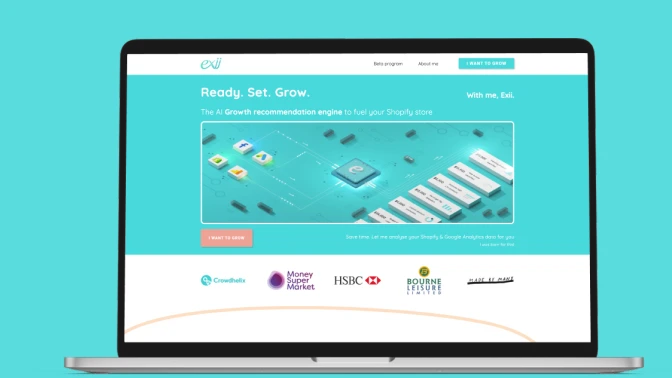
    Exii Smart Campaign Automation for E-Commerce

    Smart Campaign Automation for E-Commerce

    Exii.co recommendation engine personalizes online shopping experiences, enhancing customer engagement and increasing sales.

    Read Case Study
    Handoff Smart Renovation Cost Estimator

    Smart Renovation Cost Estimator

    This AI tool provides real-time, accurate renovation cost estimates for homeowners, contractors, investors, and insurance companies.

    Read Case Study
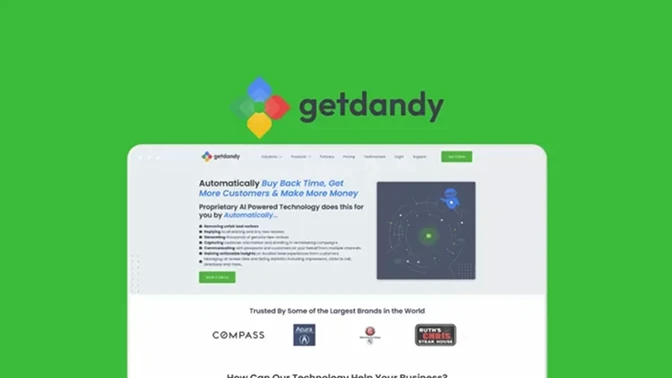
    Getdandy Online Reputation Management Solution

    Online Reputation Management Solution

    It’s an AI-driven reputation management platform that automates online review collection, sentiment analysis, and response strategies to help businesses enhance their digital credibility.

    Read Case Study

    What We're Seeing Across IoT Platform Builds

    A Complete Guide to Remote IoT Monitoring Solutions in Healthcare
    A Complete Guide to Remote IoT Monitoring Solutions in Healthcare Custom Software Development

    A Complete Guide to Remote IoT Monitoring Solutions in Healthcare

    In medical practice, information can save lives. Each day, hospitals and clinics are dealing with numerous patients, devices, and data. A remote IoT monitoring is a solution that links medical…

    Read Article →
    Why Revenue Operations Fails Without System Integration (and How to Fix It with AI)
    Why Revenue Operations Fails Without System Integration (and How to Fix It with AI) Artificial Intelligence

    Why Revenue Operations Fails Without System Integration (and How to Fix It with AI)

    Revenue operations (RevOps) look great on paper. It sounds like the fix every growing business needs: align marketing, sales, and customer success. Build a clean pipeline. Forecast revenue with confidence.…

    Read Article →
    The Role of NLP in Enhancing Customer Support and Chatbots
    The Role of NLP in Enhancing Customer Support and Chatbots Artificial Intelligence

    The Role of NLP in Enhancing Customer Support and Chatbots

    Natural Language Processing is a revolutionary subset of artificial intelligence that allows machines to read, comprehend, and produce human languages. NLP plays a very important role in augmenting customer interactions…

    Read Article →

    FAQs About IoT Platform Development Services

    What does IoT platform development actually include?

    Device connectivity, edge computing, cloud ingestion, security, and the dashboards and APIs on top, built as one system, not just an app that talks to a single sensor type.

    How long does it take to go from pilot to a production platform?

    Most platforms take 2 to 8 months depending on device count and integration scope. A scoped MVP can move faster.

    Can you take over a stalled or half-built IoT project?

    Yes. We audit what exists, decide what's worth keeping, and rebuild the rest into one platform instead of starting over.

    Which cloud do you build on, AWS or Azure?

    Both. We build on AWS IoT Core or Azure IoT Hub depending on your existing infrastructure and compliance needs.

    How do you handle the EU Cyber Resilience Act requirements?

    We build per-device identity, secure boot, and vulnerability tracking in from the start, ahead of the September 2026 reporting deadline.

    What happens to our existing dashboards during a platform rebuild?

    We migrate the data model first, then rebuild dashboards against it, so reporting doesn't go dark during the transition.

    Do you build edge AI, or only cloud analytics?

    Both. Edge inference runs on gateways for latency-sensitive detection, cloud analytics handle the deeper historical modeling.

    What's the difference between an IoT platform and a single IoT app?

    An app talks to one device type. A platform handles many device types, tenants, and integrations without a rebuild each time.

    Turn Your IoT Strategy Into Production

    Your devices will keep growing. Build the platform to handle new devices, protocols, and data without another rebuild.