


Ecommerce

 Citrusbug Healthcare →
With cloud app development services, we handle architecture, development, modernization, and migration across AWS, Azure, and Google Cloud, building applications for real workloads, controlled costs, and long-term growth.
 AWS Partner
 ISO 27001
 SOC 2
SOC 2
 GDPR
GDPR
Trusted By Industry Leaders












Certifications and Accreditations
Cloud applications rarely become difficult because of one technical decision. Costs, performance, security, and operational complexity tend to build up as usage grows, new integrations are added, and infrastructure decisions made during the initial build become harder to change.
Our cloud app development services address those decisions early, from application architecture and infrastructure design to scaling, security, and cloud cost management. The goal is to give you an application that can handle real workloads without creating unnecessary technical or financial overhead as it grows.
We deliver secure, scalable cloud application development across strategy, build, migration, and ongoing operations, matched to the platform your team already runs on.
We assess your current infrastructure, define the right provider mix, and map an architecture that fits your compliance requirements and traffic patterns before any build work starts, so decisions get made once.
Our engineers build cloud-native applications on microservices and event-driven architectures, using CI/CD pipelines from day one so features reach production in days rather than sitting in a release queue.
We rehost, refactor, or rearchitect existing applications into the cloud, mapping every dependency first so data integrity and uptime hold through the transition instead of breaking on cutover day.
Cloud applications rarely run in isolation. We build the integration layer that connects your cloud workloads to on-premises systems, third-party SaaS tools, and payment or data providers your business already relies on.
Where a single-vendor setup creates risk, we design multi-cloud and hybrid cloud environments that split workloads across providers for resilience, regulatory fit, or cost, without duplicating your engineering effort.
Encryption, identity and access management, and network segmentation get built against the specific standard your industry requires, whether that’s SOC 2, HIPAA, or GDPR, rather than a generic security checklist.
We set up automated build, test, and deployment pipelines with infrastructure as code, so your team can push changes safely and often instead of batching risky quarterly releases.
We instrument usage and cost data from the first deployment and apply FinOps practices such as right-sizing and reserved capacity, cutting waste before it becomes a line item finance has to chase.
Tell us what you’re building, where your current setup stands, and what needs to change. We’ll help you define the right architecture, development approach, and next steps.
Book a Free ConsultationPay-as-you-go cloud infrastructure removes upfront hardware spend, and right-sized, auto-scaling resources mean you stop paying for idle capacity. Teams that pair this with structured cost tracking typically see meaningful savings within the first two billing cycles.
Cloud-native architecture and automated pipelines shrink the distance between a feature idea and a production release, letting product teams ship and test in the same week instead of waiting on a deployment window.
Auto-scaling infrastructure absorbs traffic spikes, seasonal demand, or a sudden product launch without the manual capacity planning that a fixed-server setup forces on your engineering team.
Cloud-native security tooling, encryption by default, and provider-managed patching give a small engineering team enterprise-grade protections that would otherwise take years and dedicated headcount to build in-house.
We build middleware and API layers that let cloud-native applications exchange data with legacy systems without forcing a full replacement.
Secure, monitored connections to payment gateways, identity providers, and external data sources, with retry logic and error handling built in.
Real-time or batch pipelines that keep your analytics layer in sync with what’s actually happening in the application.
Single sign-on and role-based access wired into your existing identity provider instead of a separate login system to maintain.
Every cloud application we build starts from an architecture that assumes an audit is coming, not one that gets retrofitted for compliance after a client asks for it. That means access controls, encryption, and data residency decisions are made during design, not bolted on during a procurement review.
We audit your current infrastructure, integrations, and traffic patterns, and interview the team who will actually use the system. This is where we catch the dependency nobody mentioned in the kickoff call, before it becomes a mid-project surprise.
We define the right mix of AWS, Azure, or Google Cloud based on your workload type, compliance requirements, and existing team expertise, rather than defaulting to whichever platform we happen to prefer.
Engineers build the application on microservices or serverless components, whichever fits the workload, with infrastructure as code so every environment can be reproduced exactly, not recreated by hand.
For existing applications, we move data and workloads in staged cutovers with rollback points, so a migration issue is a delay, not a data loss event.
We connect the application to your existing systems and run security testing, including access control validation and vulnerability scanning, before anything reaches a production environment.
We deploy through automated pipelines, then monitor performance and cloud spend continuously, catching a cost spike or a performance regression before it shows up in your monthly bill or a customer complaint.
Cost depends on architecture complexity, integrations, and compliance scope. Here's a realistic range by project type.
| App Type | Complexity | Estimated Cost | Timeline |
|---|---|---|---|
|
Cloud-Native MVP |
Low |
$15,000 – $50,000 |
8–12 weeks |
|
Custom Cloud Business App |
Medium |
$50,000 – $100,000 |
3–4 months |
|
Legacy-to-Cloud Migration |
Medium |
$40,000 – $120,000 |
2–4 months |
|
Enterprise Cloud Platform |
High |
$100,000+ |
6–9 months |
Cloud app development typically costs $15,000 to $120,000+, depending on the architecture, integrations, cloud environment, scalability requirements, and compliance scope.
Share your project details and we’ll help you estimate the cost more accurately.

For teams moving an existing application to the cloud or re-architecting a legacy system.

For teams building a new cloud-native product and wanting engineers embedded in the process.

For teams that want the build and the ongoing operations handled end to end.
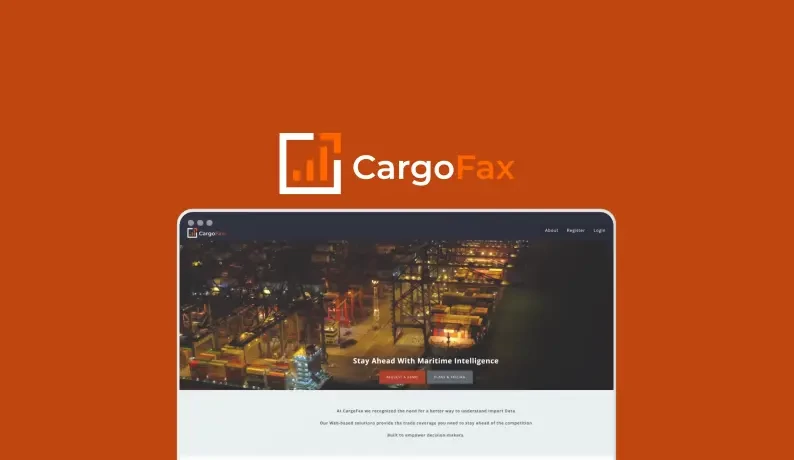
A data-driven import insights platform designed to help businesses make smarter import decisions.
View Case Study →
An institutional-grade global financial trading platform.
View Case Study →Their agile way of working, competence, and friendliness are impressive.December 7, 2024
Citrusbug Technolabs handles a data extraction project for an education company. They're also responsible for managing an AI generation project for the client.
Citrusbug Technolabs has laid out and followed a clear project outline and consistently met deadlines. The team communicates well and demonstrates a strong understanding of the client's vision and goals. Their agile approach, high level of competence, and personable approach stand out.
 Read More
Their communication and ability to capture exactly what I was asking for were impressive.November 14, 2024
Citrusbug Technolabs built an automated system for a veteran medical company. The system needed to collect and store user data, generate customized letters based on surveys, and use AI to summarize reviews.
Citrusbug Technolabs delivered a functional automated system that successfully organized the client's records and auto-generated statements. The team was quick to respond, addressed all roadblocks, and communicated effectively. Overall, their ability to understand the client's needs stood out.
Read More
They were very calm and talented, and they did bring some of their own ideas.January 28, 2025
Citrusbug Technolabs has developed an MVP for a freight and capacity marketplace. The team has created three different interfaces for three market segments.
Citrusbug Technolabs has successfully developed an effective MVP. The team has delivered the project on time and almost within budget. Moreover, their responses have been timely. Overall, the team has been calm, talented, and innovative. This has led to the client's satisfaction.
Read More
What stood out most about them was their personalized approach and sense of ownership in every aspect of the project."February 27, 2024
Citrusbug Technolabs built a Flutter cross-platform mobile app for an education company. They also developed two web apps and an admin panel and provided DevOps support for the client's infrastructure.
Citrusbug Technolabs' support successfully boosted the client's user engagement by 8x, resulting in an 85% retention rate. The reliable team demonstrated a dedication to delivering on time and promptly responding to concerns and adjustments. Their personalized, client-centric approach stood out.
Read More
They didn't like the phrase "impossible to do", which made them very solution-oriented.February 19, 2024
A healthcare company hired Citrusbug Technolabs to design and develop a user-friendly application. The team provided tailored assistance to meet the client's requirements.
Citrusbug Technolabs successfully delivered an application that was ready for market. The team was highly professional and well-organized; they stayed focused throughout the engagement and were receptive to changes. Overall, they stood out for their trustworthiness and commitment to excellence.
Read More
They're 100% on time and transparent throughout each stage of the project.February 24, 2024
A financial technology company has hired Citrusbug Technolabs to build a custom web application. The team handles the development and design of the app.
The project is ongoing, but the client has been satisfied with Citrusbug Technolabs' services. The team is very professional — they always respect timelines and provide regular updates to ensure everyone's on the same page. Also, their transparent approach makes them a trustworthy partner.
Read More
"I do believe they are exceptional at where they stand."
Citrusbug Technolabs took on a mobile app development project for a Singapore-based development house. They were provided with UX designs to execute. Currently, they're finalizing and fine-tuning the product.
Citrusbug Technolabs contributed to the successful launch of the product, which has garnered over 10,000 users in just three months. The product has also received support from investors. They consistently followed-up with their progress and delivered at a speedy rate. The team is truly stellar.
Read More
From EC2 and Lambda to RDS and S3, we build and manage applications across the full AWS service catalog for teams already standardized on Amazon’s ecosystem.
For organizations already running on Microsoft 365 or Active Directory, we build Azure-native applications that integrate cleanly with your existing identity and productivity stack.
GCP’s strength in data and AI tooling makes it the right fit for applications with heavy analytics, machine learning, or BigQuery-scale data processing needs.
We containerize workloads and manage orchestration through Kubernetes, giving your application the same DevOps automation and CI/CD pipeline discipline that production-grade platforms run on.
For workloads with unpredictable or spiky traffic, we build serverless functions that scale to zero when idle and absorb sudden demand without a manual capacity plan.
Real-time features like live dashboards, chat, or notifications get built on cloud-native infrastructure engineered for low latency under concurrent load, not bolted onto a traditional server setup.
Get an honest recommendation from an engineer who isn't selling you a specific vendor.
Book a Cloud ConsultationWe build with containerized workloads and infrastructure as code, so you can move providers without rebuilding the application if your needs or your pricing change.
Requirements, architecture decisions, and integration mapping happen before development starts, so the build phase executes against a plan instead of assumptions.
We walk through the proposed architecture and cost model with you before full-scale development begins, so there are no surprises once the invoices start.
Our agentic delivery methodology embeds security checks throughout the build process rather than as a final pre-launch scramble, reducing both risk and rework cost.
We load-test against realistic traffic scenarios, not just the demo environment, so the application holds up the first time real users show up in volume.
L1, L2, and L3 support options mean a production issue gets routed to the right engineer immediately instead of sitting in a general support queue.
 Custom Software Development
Introduction SaaS application development services and cloud services are two of the most popular modern-day technologies. Often used for one another, both terms are different but have many things in…
Read Article → Custom Software Development
Introduction Healthcare is deep into a cloud-first decade, where digital transformation, data-driven decision-making, and scalable cloud platforms are reshaping how care is delivered and managed. Electronic health records, imaging, telehealth,…
Read Article → DevOps
Digital product development in a highly competitive technological scenario today indeed needs to be done at a tremendous pace and agility, along with quality, to keep up with the fast-changing…
Read Article →A cloud-native MVP typically takes 8 to 12 weeks. A custom business application runs 3 to 4 months. Enterprise-scale platforms with heavy compliance requirements can take 6 to 9 months.
We work within your existing platform. Switching providers is sometimes the right call, but it's a deliberate architecture decision we make with you, not a default.
We use staged cutovers with rollback points to minimize disruption. Zero downtime isn't always realistic for every migration type, but we plan for a defined, communicated window, not a surprise outage.
We build with containerized workloads and infrastructure as code from the start, so the application's architecture doesn't depend on one provider's proprietary services.
You do. Full source code and infrastructure configuration ownership transfers at delivery, with an NDA in place throughout the engagement.
Our L1/L2/L3 SLA support routes production issues to the right engineer based on severity, so a critical outage doesn't wait for business hours.
Both. We structure engagements as migration-only, a dedicated cloud development team, or full platform build and ongoing ownership, depending on what your project actually needs.
