


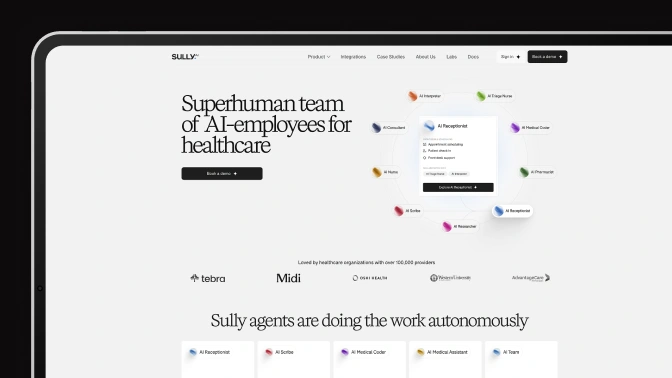
Sully AI
AI clinical workflow automation platform that leverages modular AI agents to streamline administrative and documentation tasks across healthcare operations.
View Case Study → Citrusbug Healthcare →
 ISO 27001
 SOC 2
 HIPAA
Trusted By













Certified & Compliant



Multi-tenant SaaS, customer portals, and internal tools delivered as custom software development on React front ends and Python or Node.js back ends, with role-based access and audit logging designed into the data model.

Agents, retrieval pipelines, and LLM-powered features added to products people already use, connected to your data and internal systems. Assistants, chatbots, and document workflows fall within that scope.

iOS and Android apps built with React Native or Flutter from a single codebase, including push notifications, offline sync, and release management through App Store and Google Play review, plus the backend APIs they call.

Legacy applications moved to AWS, Google Cloud, or Azure in phases, with infrastructure as code, rehearsed cutovers, and monitoring live before the old system retires. Databases and integrations move with the application.
Share your requirements, technical constraints, and priorities. In a 30-minute call, an engineer will review your needs, identify the first-release scope, and outline a team structure and estimated budget.
Book a 30-Min Free CallMoving an LLM demo into production takes more than model integration. As a software development company in San Francisco, Citrusbug builds the retrieval, evaluation, access controls, and monitoring needed to keep AI features reliable, secure, and cost-aware as usage grows.

Connect LLMs to your business documents and internal knowledge sources so responses are grounded in relevant information.
• Document ingestion, chunking, and indexing
• Hybrid search and result reranking
• Answers with source citations
• Permissions inherited from source systems

Build agents that interact with business systems through controlled interfaces, with human approval for actions that create, update, or delete data.
• MCP servers and typed tool interfaces
• Scoped credentials and permissions
• Human approval for sensitive actions
• Tool-call logs for traceability

Measure response quality before release and after changes to prompts, models, or retrieval logic to reduce regressions as your product evolves.
• Feature-specific evaluation datasets
• Automated regression tests
• Human review for edge cases
• Production quality monitoring

Choose hosted APIs or self-hosted models based on workload, data requirements, latency, and operating costs.
• Token budgets and rate limits
• Caching for repeated requests
• Model routing based on task requirements
• Usage and cost reporting
Requirements, user stories, and wireframes are documented before development begins. An agreed scope, feature-based estimate, and clear first-release priorities give stakeholders a shared view of what will be delivered.
The technology stack, data model, and integration points are defined alongside access controls, audit logging, and secrets management. Your team reviews key technical decisions before development starts.
Development progresses in sprints, supported by regular demos and written updates. Automated tests and CI/CD pipelines help catch issues early, while stakeholder feedback guides priorities as the product takes shape.
Functional, regression, performance, and security tests run in a staging environment before release. Outstanding issues, monitoring responsibilities, and rollback steps are reviewed to prepare for launch.
Production deployment includes appropriate monitoring, alerting, and operational documentation. Your team receives a walkthrough of the codebase, architecture, and infrastructure, with known limitations and future development priorities documented for a smooth handover.
AI clinical workflow automation platform that leverages modular AI agents to streamline administrative and documentation tasks across healthcare operations.
View Case Study →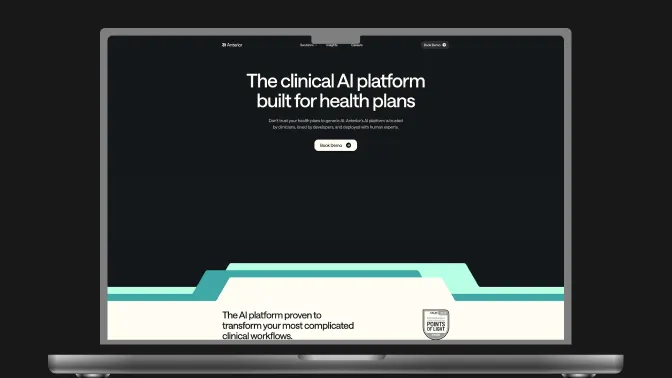
AI clinical workflow automation platform that transforms administrative healthcare processes like prior authorization.
View Case Study →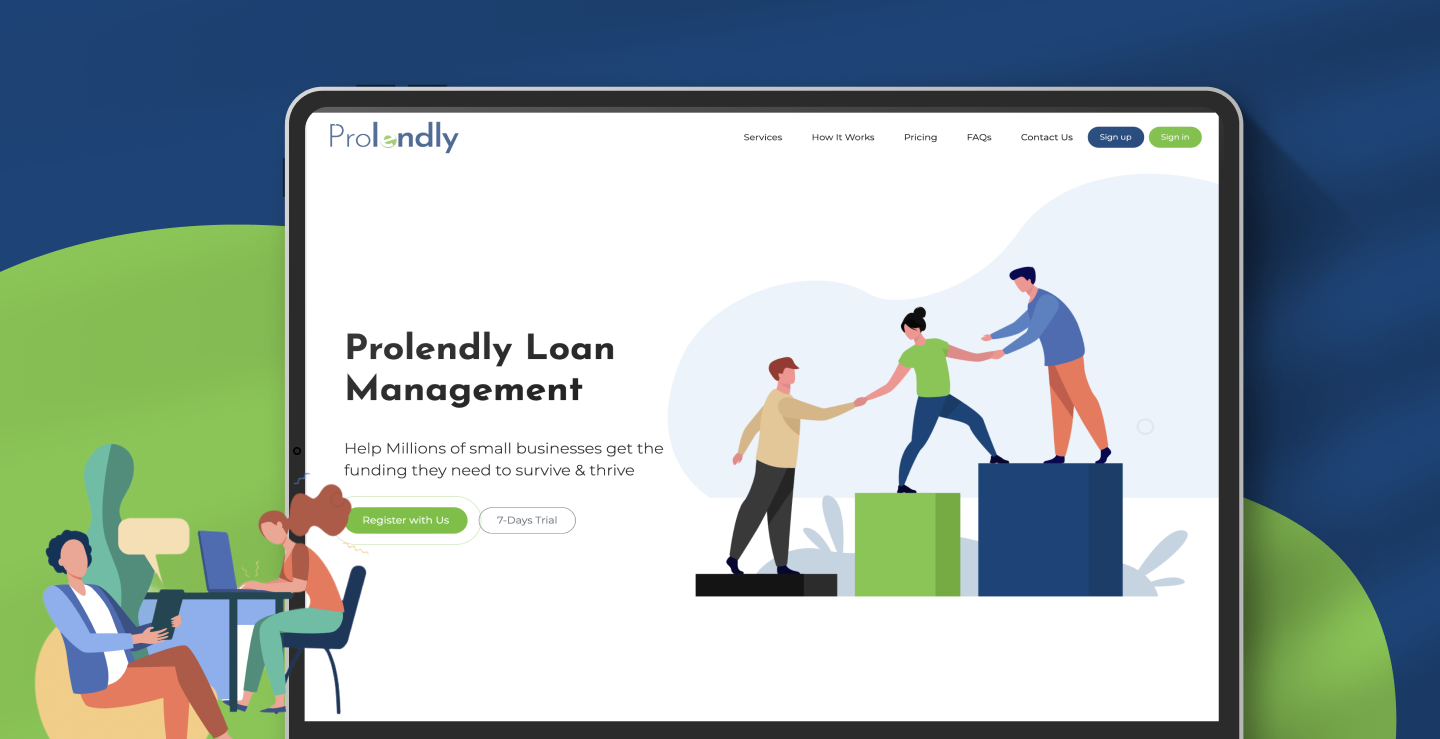
Their agile way of working, competence, and friendliness are impressive.December 7, 2024
Citrusbug Technolabs handles a data extraction project for an education company. They're also responsible for managing an AI generation project for the client.
Citrusbug Technolabs has laid out and followed a clear project outline and consistently met deadlines. The team communicates well and demonstrates a strong understanding of the client's vision and goals. Their agile approach, high level of competence, and personable approach stand out.
 Read More
Their communication and ability to capture exactly what I was asking for were impressive.November 14, 2024
Citrusbug Technolabs built an automated system for a veteran medical company. The system needed to collect and store user data, generate customized letters based on surveys, and use AI to summarize reviews.
Citrusbug Technolabs delivered a functional automated system that successfully organized the client's records and auto-generated statements. The team was quick to respond, addressed all roadblocks, and communicated effectively. Overall, their ability to understand the client's needs stood out.
Read More
They were very calm and talented, and they did bring some of their own ideas.January 28, 2025
Citrusbug Technolabs has developed an MVP for a freight and capacity marketplace. The team has created three different interfaces for three market segments.
Citrusbug Technolabs has successfully developed an effective MVP. The team has delivered the project on time and almost within budget. Moreover, their responses have been timely. Overall, the team has been calm, talented, and innovative. This has led to the client's satisfaction.
Read More
What stood out most about them was their personalized approach and sense of ownership in every aspect of the project."February 27, 2024
Citrusbug Technolabs built a Flutter cross-platform mobile app for an education company. They also developed two web apps and an admin panel and provided DevOps support for the client's infrastructure.
Citrusbug Technolabs' support successfully boosted the client's user engagement by 8x, resulting in an 85% retention rate. The reliable team demonstrated a dedication to delivering on time and promptly responding to concerns and adjustments. Their personalized, client-centric approach stood out.
Read More
They didn't like the phrase "impossible to do", which made them very solution-oriented.February 19, 2024
A healthcare company hired Citrusbug Technolabs to design and develop a user-friendly application. The team provided tailored assistance to meet the client's requirements.
Citrusbug Technolabs successfully delivered an application that was ready for market. The team was highly professional and well-organized; they stayed focused throughout the engagement and were receptive to changes. Overall, they stood out for their trustworthiness and commitment to excellence.
Read More
They're 100% on time and transparent throughout each stage of the project.February 24, 2024
A financial technology company has hired Citrusbug Technolabs to build a custom web application. The team handles the development and design of the app.
The project is ongoing, but the client has been satisfied with Citrusbug Technolabs' services. The team is very professional — they always respect timelines and provide regular updates to ensure everyone's on the same page. Also, their transparent approach makes them a trustworthy partner.
Read More
"I do believe they are exceptional at where they stand."
Citrusbug Technolabs took on a mobile app development project for a Singapore-based development house. They were provided with UX designs to execute. Currently, they're finalizing and fine-tuning the product.
Citrusbug Technolabs contributed to the successful launch of the product, which has garnered over 10,000 users in just three months. The product has also received support from investors. They consistently followed-up with their progress and delivered at a speedy rate. The team is truly stellar.
Read More
Choose an engagement model that fits your scope, budget, and delivery needs. As a software development company in San Francisco, Citrusbug offers fixed-price projects, time-and-material engagements, and dedicated teams for everything from focused MVPs to long-term product development.

Scope, milestones, and total cost are agreed in writing once discovery is complete.

For work where priorities move as users and customers respond.

For a product that needs steady engineering capacity over many releases.
Focused builds typically start around $30,000, and complex enterprise platforms can pass $180,000. Scope, integrations, security requirements, and cloud choices set the final figure.
Share your details to get an accurate estimate.

Every engagement runs under NDA by default, and full source code ownership transfers to your company at delivery. Any engineer you choose can maintain the code afterwards.
Cloud deployments are sized to expected traffic and reviewed for cost before launch. Spend then rises with usage, and each service's share of the bill stays visible.

Free maintenance follows launch, and L1, L2, and L3 SLA support options cover what comes next. The support tier is chosen before go-live.

A proof of concept or MVP can validate the riskiest assumption before full build funding is committed. Results then feed the written scope for the main release.
 Custom Software Development
Every software project faces uncertainty. Changing requirements, tight deadlines, or new technologies can easily disrupt progress. This is the reason why risk management in software development is necessary. It assists…
Read Article → Custom Software Development
Custom software development is the process of developing software for specific users. In today’s era of technological transformation, one software solution is not fit for everyone. Due to this Custom…
Read Article → Custom Software Development
Operating with a committed group means recruiting the people you need to handle the jobs you can’t (or choose not to) do at work. There are a number of occasions…
Read Article →Look for written scope and pricing, evidence of security practices such as ISO 27001, a clear code ownership clause, and relevant case studies. Ask who will be on your team and what support follows launch.
Typically from about $30,000 to $180,000 or more, depending on features, integrations, security requirements, and AI components. Discovery produces a written scope with a figure tied to specific features.
A focused MVP commonly takes two to four months, and larger platforms take longer. Integrations, approvals, and compliance reviews move the date more than headcount. Discovery ends with a milestone plan tied to your launch target.
Yes. Engagements range from a Fixed-Price MVP for an early-stage team to a Dedicated Team supporting a mid-market product. The process, security practices, and ownership terms stay the same at every size.
Yes. Engineers join your standups and tools in the Dedicated Team model, or own a defined module under a Fixed-Price or Time and Material engagement. Scope and handover points are written down at the start.
Yes. Citrusbug assesses code health, dependencies, infrastructure, and documentation first, then recommends repairing, rebuilding in part, or modernizing. Work resumes in sprints once you approve the plan.
You do. Source code ownership transfers to your company at delivery under the contract, and NDAs cover your ideas and data from the first call. Third-party licenses in the stack stay with their original owners.
It depends on the business. CCPA regulations phased in from January 1, 2026 cover automated decision-making, risk assessments, and cybersecurity audits for businesses that meet CCPA thresholds, while SB 53 targets frontier model developers. Counsel confirms applicability.
Data handling is agreed in discovery, covering which fields may reach a model, where logs are stored, and which provider terms govern retention. Hosting options range from provider APIs to a self-hosted model.
