


Ecommerce

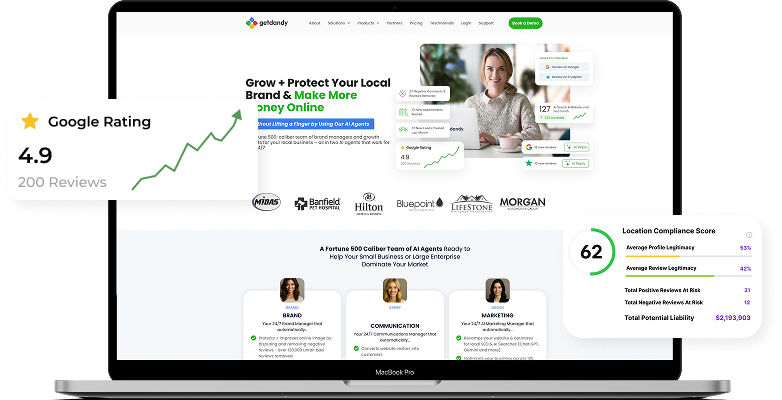
 Citrusbug Healthcare →
 ISO 27001
 SOC 2
 HIPAA
Trusted By














Certified & Compliant

A founder validating an MVP and an operations team replacing spreadsheet workflows need different engineering, and both need an estimate they can trust. Citrusbug scopes every build after discovery, so budget and timeline reflect your integrations, users, and security requirements.

Enterprise platforms, customer portals, and workflow tools delivered as custom software development on React, Angular, Python, or Django, with role-based access, audit trails, and ERP, CRM, and payment integrations.

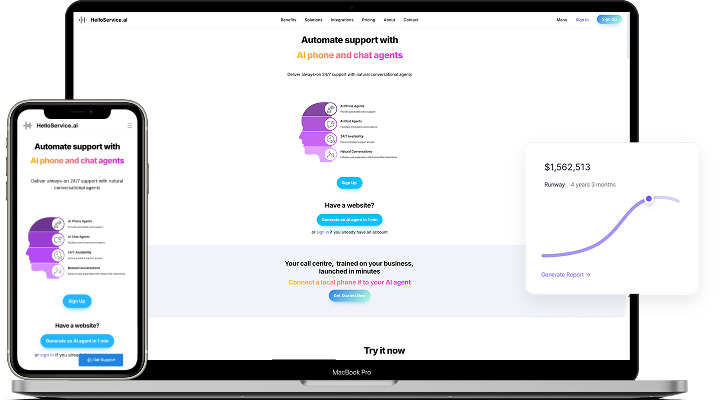
AI assistants that answer from your own documents and ticket history through retrieval-augmented generation, hand off to human agents, and connect to the help desk, CRM, or scheduling tools your team already uses.

Turn a product concept into a working MVP or expand an existing platform with a defined engineering roadmap. We cover multi-tenant architecture, subscription billing, user management, and product analytics based on your release priorities and business model.

Develop iOS and Android applications that connect users with your products and services. We build with React Native or Flutter where appropriate, incorporating secure API integrations, push notifications, offline functionality where needed, and analytics to track product usage.

Apply AI to document processing, prediction, classification, and other data-intensive workflows. We help define the use case, select suitable models, integrate them into existing systems, and establish evaluation and monitoring practices aligned with the application’s requirements.

Update legacy applications and move workloads to AWS, Azure, or Google Cloud through a planned modernization approach. Our legacy application modernization services cover architecture improvements, CI/CD pipelines, infrastructure as code, and migration planning to manage operational risk.
Tell us what you want built and who uses it. We reply with scope, team shape, and a budget range.
Get a Free EstimateCitrusbug helps businesses apply AI to operational challenges, data-intensive tasks, and customer-facing applications. Each project starts with a defined use case, suitable architecture, and an implementation plan aligned with existing systems and business goals.

Repetitive tasks such as document review, data extraction, and information routing can be streamlined through AI-powered workflows connected to existing business systems, with human review where needed.

Intelligent assistants answer questions from approved knowledge sources, connect with CRM and help desk systems, and route complex requests to human agents. Our AI chatbot development covers retrieval, integrations, and response evaluation.

Historical and operational data can reveal demand patterns, potential anomalies, and emerging trends. Machine learning models support forecasting and decision-making based on data quality and clearly defined business objectives.

Contracts, reports, forms, and other business documents can be processed to extract relevant information and support downstream workflows, with validation steps to check extracted data and limit unsupported outputs.


The approved backlog is organized into sprints with clear priorities, estimates, owners, and acceptance criteria. Team composition follows the selected engagement model, while required client inputs and external dependencies are identified before development starts.
Engineers work through the sprint backlog with daily written progress updates and working builds available for review. Peer code reviews and automated tests help identify issues early, while staging deployments give stakeholders visibility into the product as it develops.
Each sprint ends with a demonstration of completed work against the agreed acceptance criteria. Feedback informs upcoming priorities, and requested scope changes are assessed for cost and timeline impact before implementation.
Before release, testing covers functionality, integrations, dependencies, access controls, and applicable data-handling requirements. Project-specific security checks and AI evaluations are included where relevant, with identified issues addressed before deployment.
Deployment follows an agreed release plan into the appropriate cloud environment. Repository access, source code, architecture documentation, configuration details, and operational runbooks are handed over so your team can maintain the software and plan future releases.
After launch, support arrangements can cover monitoring, bug fixes, maintenance, and further development through agreed L1, L2, or L3 SLA levels. Post-launch feedback and usage data help prioritize improvements, with response times and coverage defined in the support agreement.
Their agile way of working, competence, and friendliness are impressive.December 7, 2024
Citrusbug Technolabs handles a data extraction project for an education company. They're also responsible for managing an AI generation project for the client.
Citrusbug Technolabs has laid out and followed a clear project outline and consistently met deadlines. The team communicates well and demonstrates a strong understanding of the client's vision and goals. Their agile approach, high level of competence, and personable approach stand out.
 Read More
Their communication and ability to capture exactly what I was asking for were impressive.November 14, 2024
Citrusbug Technolabs built an automated system for a veteran medical company. The system needed to collect and store user data, generate customized letters based on surveys, and use AI to summarize reviews.
Citrusbug Technolabs delivered a functional automated system that successfully organized the client's records and auto-generated statements. The team was quick to respond, addressed all roadblocks, and communicated effectively. Overall, their ability to understand the client's needs stood out.
Read More
They were very calm and talented, and they did bring some of their own ideas.January 28, 2025
Citrusbug Technolabs has developed an MVP for a freight and capacity marketplace. The team has created three different interfaces for three market segments.
Citrusbug Technolabs has successfully developed an effective MVP. The team has delivered the project on time and almost within budget. Moreover, their responses have been timely. Overall, the team has been calm, talented, and innovative. This has led to the client's satisfaction.
Read More
What stood out most about them was their personalized approach and sense of ownership in every aspect of the project."February 27, 2024
Citrusbug Technolabs built a Flutter cross-platform mobile app for an education company. They also developed two web apps and an admin panel and provided DevOps support for the client's infrastructure.
Citrusbug Technolabs' support successfully boosted the client's user engagement by 8x, resulting in an 85% retention rate. The reliable team demonstrated a dedication to delivering on time and promptly responding to concerns and adjustments. Their personalized, client-centric approach stood out.
Read More
They didn't like the phrase "impossible to do", which made them very solution-oriented.February 19, 2024
A healthcare company hired Citrusbug Technolabs to design and develop a user-friendly application. The team provided tailored assistance to meet the client's requirements.
Citrusbug Technolabs successfully delivered an application that was ready for market. The team was highly professional and well-organized; they stayed focused throughout the engagement and were receptive to changes. Overall, they stood out for their trustworthiness and commitment to excellence.
Read More
They're 100% on time and transparent throughout each stage of the project.February 24, 2024
A financial technology company has hired Citrusbug Technolabs to build a custom web application. The team handles the development and design of the app.
The project is ongoing, but the client has been satisfied with Citrusbug Technolabs' services. The team is very professional — they always respect timelines and provide regular updates to ensure everyone's on the same page. Also, their transparent approach makes them a trustworthy partner.
Read More
"I do believe they are exceptional at where they stand."
Citrusbug Technolabs took on a mobile app development project for a Singapore-based development house. They were provided with UX designs to execute. Currently, they're finalizing and fine-tuning the product.
Citrusbug Technolabs contributed to the successful launch of the product, which has garnered over 10,000 users in just three months. The product has also received support from investors. They consistently followed-up with their progress and delivered at a speedy rate. The team is truly stellar.
Read More
A software development company in Texas must account for relevant privacy and AI requirements when planning data handling, access controls, and system architecture. Citrusbug addresses these considerations during discovery, subject to your project's needs and legal review.

For businesses covered by the Act, software may need appropriate data security, privacy notices, consumer-rights workflows, and consent mechanisms for sensitive data. Requirements and exemptions depend on the organization and the data being processed.

AI applications may require additional safeguards depending on how they are developed and used. Project scope can account for AI disclosures where applicable, evaluation procedures, access controls, and records of system behavior.

Texas SB 1188 establishes requirements for electronic health record storage and certain uses of AI in healthcare. Relevant systems may need U.S.-based EHR storage, appropriate access restrictions, and clinician review and patient disclosure workflows for AI-assisted diagnosis.

Data inventories, role-based access, audit logs, consent workflows, and suitable hosting configurations can be addressed during discovery. Citrusbug's security and compliance services help translate applicable requirements into technical controls and documented project specifications.

Best when discovery has produced a stable scope and the budget has a ceiling.

Suited to evolving roadmaps where priorities shift sprint by sprint.

Best when you want to hire software developers for ongoing product work on a stable roadmap.
Custom software typically starts around $25,000 for focused builds and can exceed $120,000 for enterprise platforms. Features, integrations, security needs, and team size set the final number. Share your requirements for a scoped estimate.

Source code transfers to you at delivery, and every engagement runs under an NDA by default. Repositories and documentation stay with your team from the first commit.

Stalled or unfinished builds can move to Citrusbug. Engineers review the existing code and backlog, agree a recovery plan with you, and deliver the remaining scope.

Proof of concept and MVP work test demand and technical feasibility on a small build. Market feedback then decides which features earn full development budget.
Infrastructure on AWS, Azure, or Google Cloud is sized to real traffic, with autoscaling and billing alerts that keep monthly spend predictable as usage grows.

 Custom Software Development
Custom software development is the process of developing software for specific users. In today’s era of technological transformation, one software solution is not fit for everyone. Due to this Custom…
Read Article →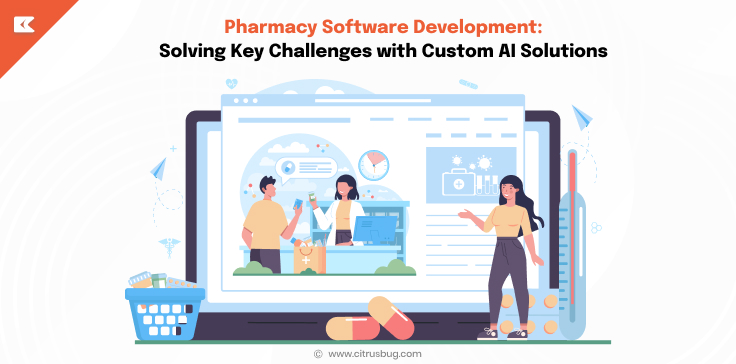 Artificial Intelligence
Pharmacy software development is transforming the way pharmacies work in this increasingly complex healthcare environment with advanced pharmacy automation software. There are multiple factors, such as inventory management, expired medications…
Read Article →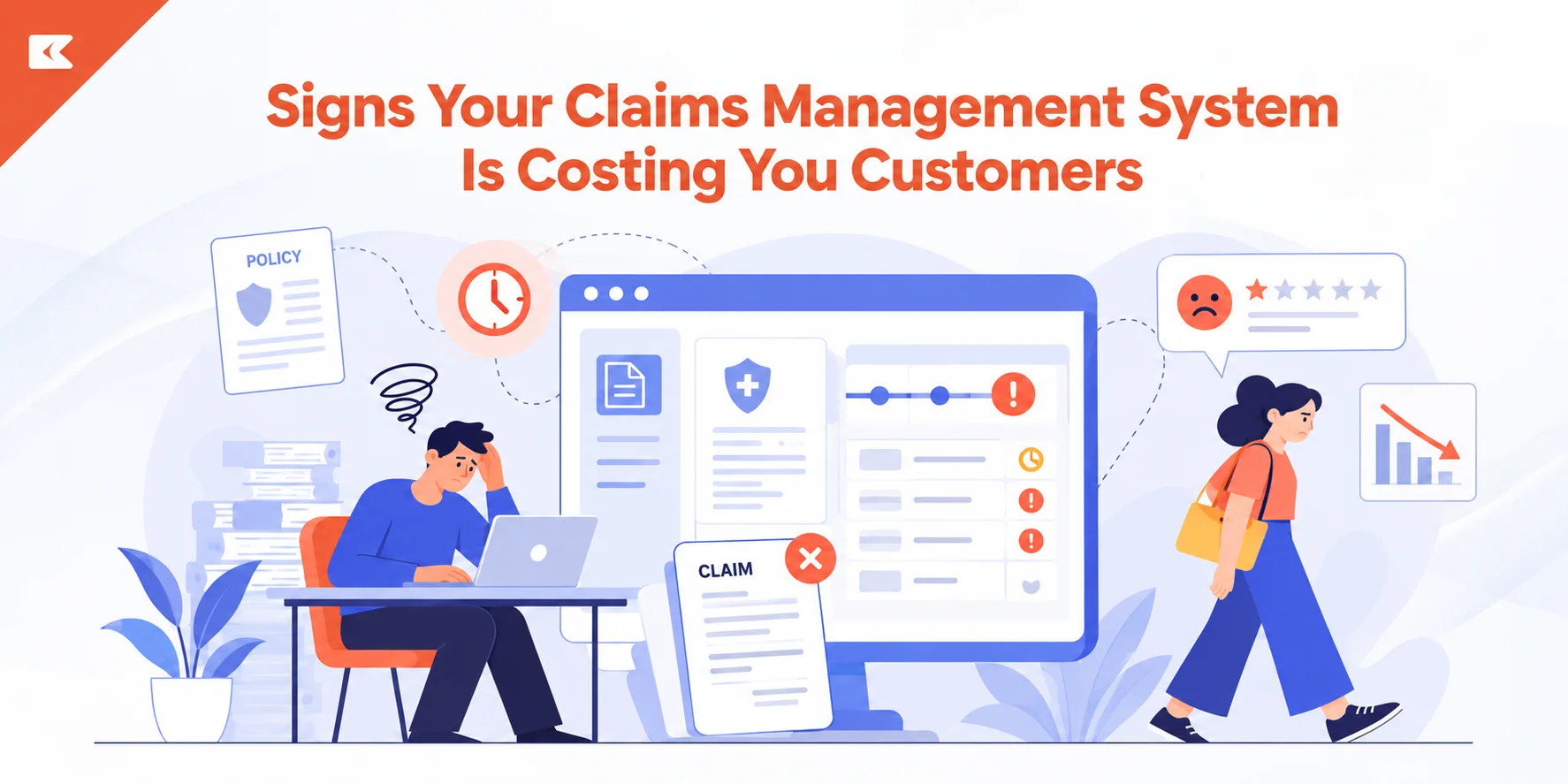 Custom Software Development
Insurers spend heavily on acquisition and comparatively little on the moment that actually decides whether a customer stays: the claim. A policyholder who files once and feels ignored does not…
Read Article →Cost depends on features, integrations, security needs, and team size. The range above is a starting point, and discovery turns it into a fixed scope and estimate you can budget against.
A focused MVP typically takes 8–16 weeks, while a more complex custom platform can take 4–9 months or longer. Timelines depend on scope, integrations, and approvals. Discovery establishes a phased release plan so you can prioritize high-value features and estimate delivery before development begins.
They can. The TDPSA, TRAIGA, and SB 1188 apply depending on your industry, size, data, and AI use. Citrusbug scopes for them during discovery, and your attorney confirms how each applies.
If you are a Texas covered entity, yes. SB 1188 requires electronic health records to be physically maintained in the United States, with a January 1, 2026 deadline. Vendors should design storage and access to match.
You do. Source code transfers at delivery, repositories and documentation are handed over, and every engagement runs under NDA by default.
Yes. Citrusbug takes over stalled or unfinished projects, starting with a review of the existing code, documentation, and backlog before agreeing a recovery plan and delivery scope.
Changes are expected. Each sprint demo feeds the backlog, and scope changes are estimated before work begins, so the budget conversation happens first. Fixed-price projects handle changes through priced change requests.
Bring your goals, target users, existing systems, and any designs or documents. Rough notes are enough, because discovery turns them into requirements, wireframes, and an estimate.
