
AI-ML

 Citrusbug Healthcare →
 ISO 27001
 SOC 2
SOC 2
 GDPR
GDPR
 PCI DSS
Trusted By Industry Leaders














Certifications and Accreditations

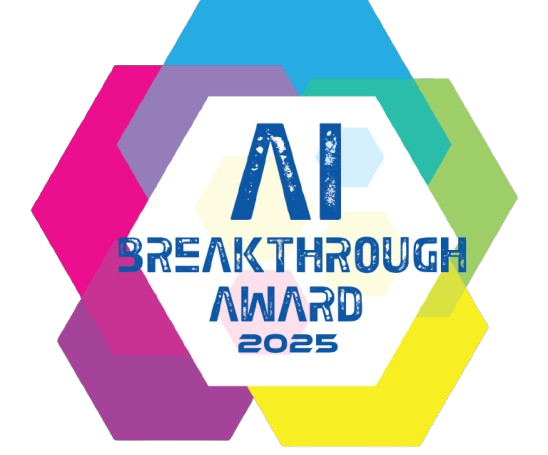


Scripted questions worked fine in the sales pitch. Real users phrase things differently, and the bot didn’t hold up.
A CRM sync that worked fine in testing started dropping records once real traffic hit it.
Nobody flagged the data retention question until an audit forced it, by which point the fix meant rework.
Built to a spec that made sense on paper, but doesn’t match how the team actually works.
Talk to a conversational AI consultant before committing budget to a platform or development roadmap.
Talk to a ConsultantNot every conversational AI project needs a formal consulting engagement. But when the use case, ownership, or technical direction is still unclear, a focused consulting phase can prevent expensive decisions later.
Different teams have different ideas about what the AI should solve, making it difficult to define a clear first use case or scope.
An earlier chatbot or virtual assistant underperformed, but the root cause is unclear. An assessment can separate technology limitations from implementation issues.
The project is moving forward without clear decisions around data access, privacy, security, or regulatory requirements.
Everyone agrees that the AI should create value, but no one has established the KPIs, user outcomes, or business metrics that will determine whether it works.
The team knows the AI needs access to business systems, but the required APIs, data sources, permissions, and workflows haven’t been defined.
Engineers are ready to build, but key questions around scope, architecture, governance, and what happens after launch remain unanswered.
Conversational AI consulting services deliver the most value where teams handle high volumes of repetitive questions, requests, and interactions.
Automate routine questions, order updates, account requests, and first-line support while keeping complex issues with human agents.
Engage prospects instantly, answer product questions, capture requirements, qualify leads, and route sales-ready opportunities to the right team.
Give employees a faster way to access policies, submit HR or IT requests, search internal knowledge, and create or update tickets.
Replace rigid IVR flows with voice AI that understands natural language, handles routine calls, and routes customers with context.
We interview the teams who'll actually use the system and review the workflows it needs to touch. This produces a ranked list of use cases scored on interaction volume, business impact, and technical complexity.
We compare LLM-native architectures against established NLU platforms like Dialogflow or Rasa on your actual constraints, including data residency, latency, and existing infrastructure, and hand you a written recommendation.
We define the intents, dialogue flows, and fallback rules, then agree with your team on who approves what the assistant can do on its own and what gets logged.
Every connection point gets mapped before development starts: where the assistant reads from your CRM or knowledge base, where it writes back, and what triggers a handoff to a person.
We build a scoped pilot against real conversations and real data, then test accuracy, grounding, latency, and edge cases before anyone commits to a wider rollout.
Once the pilot holds up, we sequence the wider release by channel and team, then keep tuning as real usage data comes in.
Their agile way of working, competence, and friendliness are impressive.December 7, 2024
Citrusbug Technolabs handles a data extraction project for an education company. They're also responsible for managing an AI generation project for the client.
Citrusbug Technolabs has laid out and followed a clear project outline and consistently met deadlines. The team communicates well and demonstrates a strong understanding of the client's vision and goals. Their agile approach, high level of competence, and personable approach stand out.
 Read More
Their communication and ability to capture exactly what I was asking for were impressive.November 14, 2024
Citrusbug Technolabs built an automated system for a veteran medical company. The system needed to collect and store user data, generate customized letters based on surveys, and use AI to summarize reviews.
Citrusbug Technolabs delivered a functional automated system that successfully organized the client's records and auto-generated statements. The team was quick to respond, addressed all roadblocks, and communicated effectively. Overall, their ability to understand the client's needs stood out.
Read More
They were very calm and talented, and they did bring some of their own ideas.January 28, 2025
Citrusbug Technolabs has developed an MVP for a freight and capacity marketplace. The team has created three different interfaces for three market segments.
Citrusbug Technolabs has successfully developed an effective MVP. The team has delivered the project on time and almost within budget. Moreover, their responses have been timely. Overall, the team has been calm, talented, and innovative. This has led to the client's satisfaction.
Read More
What stood out most about them was their personalized approach and sense of ownership in every aspect of the project."February 27, 2024
Citrusbug Technolabs built a Flutter cross-platform mobile app for an education company. They also developed two web apps and an admin panel and provided DevOps support for the client's infrastructure.
Citrusbug Technolabs' support successfully boosted the client's user engagement by 8x, resulting in an 85% retention rate. The reliable team demonstrated a dedication to delivering on time and promptly responding to concerns and adjustments. Their personalized, client-centric approach stood out.
Read More
They didn't like the phrase "impossible to do", which made them very solution-oriented.February 19, 2024
A healthcare company hired Citrusbug Technolabs to design and develop a user-friendly application. The team provided tailored assistance to meet the client's requirements.
Citrusbug Technolabs successfully delivered an application that was ready for market. The team was highly professional and well-organized; they stayed focused throughout the engagement and were receptive to changes. Overall, they stood out for their trustworthiness and commitment to excellence.
Read More
They're 100% on time and transparent throughout each stage of the project.February 24, 2024
A financial technology company has hired Citrusbug Technolabs to build a custom web application. The team handles the development and design of the app.
The project is ongoing, but the client has been satisfied with Citrusbug Technolabs' services. The team is very professional — they always respect timelines and provide regular updates to ensure everyone's on the same page. Also, their transparent approach makes them a trustworthy partner.
Read More
"I do believe they are exceptional at where they stand."
Citrusbug Technolabs took on a mobile app development project for a Singapore-based development house. They were provided with UX designs to execute. Currently, they're finalizing and fine-tuning the product.
Citrusbug Technolabs contributed to the successful launch of the product, which has garnered over 10,000 users in just three months. The product has also received support from investors. They consistently followed-up with their progress and delivered at a speedy rate. The team is truly stellar.
Read More
A conversational system that survives real users runs on more than a capable model. Grounded retrieval, tool-level permissions, and full decision logging are what separate a working pilot from a system that can actually go live.
Defines the business case, priorities, and measurable outcomes before development begins.
• Use case prioritization
• Success metric definition
• ROI planning
Shapes the technical direction and recommends an architecture that fits your systems, scale, security, and long-term requirements.
• Architecture planning
• Platform evaluation
• Scalability assessment
Designs natural user journeys that account for intent, context, edge cases, escalation, and human handoffs.
• Dialogue flow design
• Intent mapping
• Fallback planning
Connects conversational AI with the systems, APIs, data sources, and workflows your teams already rely on.
• API integration planning
• Data source mapping
• Workflow connectivity
Builds governance requirements into the solution early, covering privacy, security, access controls, and industry-specific compliance needs.
• Compliance requirement mapping
• Security control review
• Data governance
Keeps strategy, architecture, and implementation aligned while giving you one accountable point of contact throughout the engagement.
• Scope coordination
• Progress tracking
• Launch readiness

Discovery and architecture recommendation, no build.

Adds a scoped pilot to validate the use case before full investment.

Adds the production build and ongoing support after launch.
Conversational systems handling patient data, financial queries, or EU-facing traffic carry regulatory exposure that a generic rollout tends to underestimate until an audit forces the question.
Conversational AI consulting services typically range from $10,000 for a focused assessment to $100,000+ for enterprise-grade strategy, architecture, pilot, and implementation planning. The final cost depends on use case complexity, integrations, data requirements, governance needs, and engagement scope.
Share your conversational AI use case and current technology environment with our team for a tailored estimate.
We compare LLM-native stacks against established NLU platforms on your constraints, not on which vendor pays the largest referral fee.
Security gets embedded into the development lifecycle from day one under our Secure ADLC methodology.
Every engagement runs under NDA by default, with clear ownership terms that give you full rights to the source code, documentation, and deliverables at handoff.
Post-launch support scales from basic monitoring to full managed operation, depending on what your team wants to own.
 Artificial Intelligence
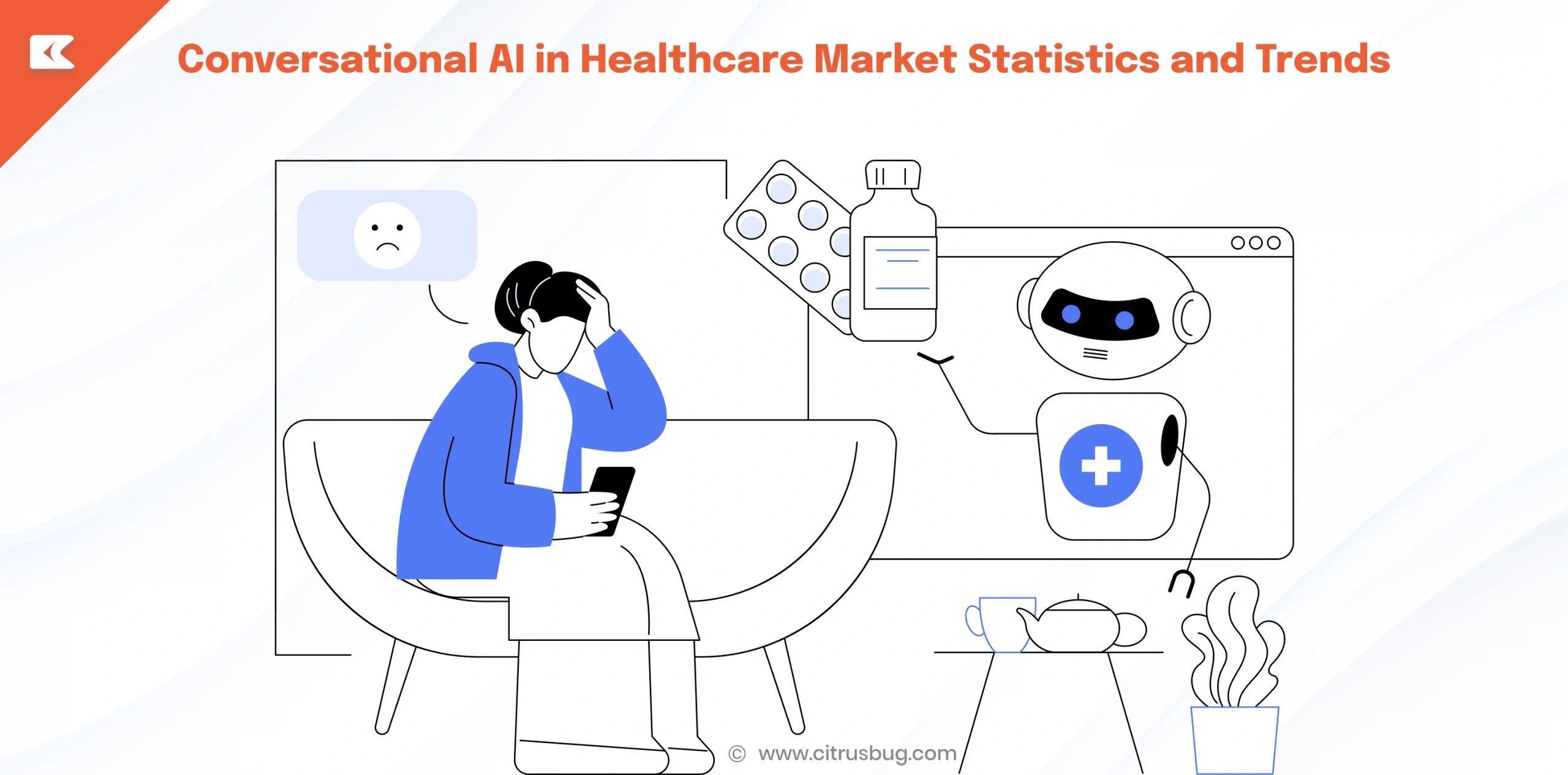
Healthcare now treats intelligent conversations as a core part of digital care, not a side feature. Virtual assistants, triage bots, and voice interfaces guide patients, support staff, and assist clinicians…
Read Article → Chatbot Development
A chatbot answers questions inside a fixed script. An AI agent reasons across your systems, decides what needs to happen next, and takes the action itself, without a human closing…
Read Article → Artificial Intelligence
In an industry as competitive and time-sensitive as real estate, even minor inefficiencies can cost companies thousands if not millions of dollars every year. From missed lead follow-ups to repetitive…
Read Article →Discovery, platform selection, conversation design, integration planning, governance, and a rollout roadmap. The engagement aligns the business case and technical approach before development begins, helping avoid costly changes later.
Consulting is the assessment and planning phase. Development is the actual build. Most stalled AI pilots skipped straight to development without validating the use case, architecture, or success criteria first.
Two to four weeks for an assessment-only engagement. Eight to twelve weeks if it includes a pilot build, depending on integrations, data requirements, and the complexity of the use case.
Yes, that's part of the integration planning stage in every engagement. We map the systems, APIs, data flows, and permissions the conversational AI solution needs to work within your existing environment.
Either. Many clients continue straight into the build with the same team, which keeps the context from discovery and architecture work intact and reduces the need to restart with another development partner.
HIPAA, GDPR, and EU AI Act requirements can be designed into the solution from the start. We account for data handling, access controls, governance, security, and audit requirements during architecture and planning.
You get a clear go or no-go call, backed by real usage data, before a full build gets funded. If the concept falls short, the findings help identify what should change or whether another approach makes more sense.
