ReactJS Development Company for Fast, Scalable Web Applications
We design and build React applications that perform reliably in production, with clear architecture, predictable delivery, and long term maintainability. Built for teams that need scalable systems, not short term fixes or patchwork frontend development.
From single-page applications to complex enterprise dashboards, our React team covers the full development surface: architecture, UI engineering, API integration, performance optimization, and migration from legacy frontends.
Custom ReactJS Application Development
Tailored React applications built on a component-based, scalable architecture. We use React 18+, TypeScript, and Vite to deliver clean, maintainable codebases aligned with your product roadmap, whether it is a SaaS platform, internal tool, or patient-facing portal.
Next.js and Server-Side Rendering
Performance-critical applications demand more than client-side rendering. We build with Next.js 14+, implementing Streaming SSR, React Server Components, and static generation strategies that improve Core Web Vitals scores and SEO without sacrificing interactivity.
UI Component Engineering
Reusable, accessible component libraries built with Tailwind CSS, Radix UI, and Storybook. Every component is tested across devices, built to WCAG 2.1 AA standards, and documented for long-term team use, not just the initial build.
ReactJS API and Backend Integration
Connecting React frontends to REST APIs, GraphQL endpoints, WebSocket streams, and third-party services using Axios, React Query, and Apollo Client. We handle authentication flows, state synchronization, real-time data, and error boundary design.
React Modernization and Migration
Migrating legacy frontends from Angular, jQuery, Vue, or class-based React to modern React architecture. We assess your existing codebase, define a migration path that keeps your product live during transition, and deliver a maintainable output your team can own.
React for Regulated Industries
Healthcare and fintech frontends carry compliance requirements that generic UI development ignores. We build HIPAA-aware React interfaces where PHI never touches unprotected state, and fintech dashboards with real-time data handling patterns that meet audit requirements.
Not sure Your React Architecture Will Scale?
We review your codebase, requirements, and constraints to identify risks and define a clear technical path before development begins.
Bundle analysis (Webpack Bundle Analyzer, Vite tools)
Deployment and Infrastructure
Vercel, AWS Amplify, Cloudflare Pages
Docker containerization
CI/CD with GitHub Actions, GitLab CI
CDN edge delivery for global performance
Cross-Platform
React Native (iOS and Android)
Progressive Web Apps (PWA)
Monorepo setups (Nx, Turborepo) for shared component libraries
What Makes Citrusbug Different as a ReactJS Development Company
Technical Honesty Before Code
We scope React projects before we price them. If your existing architecture needs addressing before new features will hold, we say so in the discovery phase, not after three months of rework.
Compliance-Aware by Default
For healthcare and fintech clients, HIPAA and SOC 2 requirements shape our frontend decisions from day one, not added as a retrofit after the UI is built. Certified and audited: ISO 27001, HIPAA, SOC 2.
Performance as a Deliverable
We run Lighthouse and Core Web Vitals audits as part of delivery, not as an afterthought. Server Components, code splitting, and lazy loading are standard practice, not upsells.
Code Your Team Can Own
Clean architecture, documented components, typed contracts. We write React code for the team inheriting it after launch. Full Storybook documentation and handoff included as standard.
Milestone-Based Delivery
Agile execution with defined milestones, weekly progress reports, and scope change protocols. Our delivery approach is structured, predictable, and built to keep projects on track.
IP Protection and NDA Coverage
All client work is covered by strict NDA agreements from day one. Your product, your code, your IP: fully protected throughout the engagement and after.
What Does It Cost to Build a React.js Application?
Most React.js projects range from $10,000 to $100,000+, depending on scope, complexity, and integrations. Share more details about your requirements to get an accurate estimate tailored to your product and timeline.
How We Work
How a ReactJS Project Starts at Citrusbug
Most projects fail at the planning stage, not the coding stage. We front-load discovery so that architecture decisions are made before they become expensive to reverse.
01
Discovery and Technical Scoping
We review your requirements, existing codebase, compliance needs, and team structure to define a clear technical scope, including architecture, timeline, team composition, and key risks upfront.
02
Architecture Design
Component hierarchy, state management strategy, API integration patterns, rendering approach (CSR vs. SSR vs. static), and performance targets are defined in writing. You review and approve before development begins.
03
Agile Build and Sprints
Two-week sprint cycles with working builds at each milestone. You see progress at every stage. Scope changes are documented and priced transparently.
04
QA, Performance and Audit
Automated testing (Jest, React Testing Library, Playwright), Lighthouse audits, cross-browser and cross-device validation, and a compliance review of frontend data handling patterns for regulated clients.
05
Delivery, Handoff and Support
Documented codebase, Storybook component library, deployment runbooks, and a structured knowledge transfer session. Post-launch support options available for bug fixes, performance monitoring, and feature iteration.
How We Engage
How You Can Work with Citrusbug
Dedicated React Team
A dedicated team of React developers, a tech lead, and a QA engineer embedded in your product workflow. Ideal for ongoing product development where you need sustained velocity. Team scales up or down based on sprint requirements.
Full Product Lifecycle
Post-Launch Support
Fixed-Scope Project
Defined deliverables, agreed timeline, fixed price. Suitable for greenfield builds, migration projects, or feature-defined scopes where requirements are stable. Milestone-based payments tied to working deliverables.
Staff Augmentation
Module Development
Team Augmentation
Senior React developers embedded in your existing team, working in your tools, your sprint cycles, your communication channels. Useful when you need specific React expertise without rebuilding your hiring pipeline.
Tech Strategy
Architecture Review
Client Testimonials (We're Rated 4.7 on Clutch)
THE PROJECT
Web & AI Development for Education Company
AI Development, Custom Software Development
Nov. 2024 - Ongoing
THE REVIEW
Their agile way of working, competence, and friendliness are impressive.
December 7, 2024
5
★★★★★
Quality5.0
Schedule5.0
Cost5.0
Willing to refer5.0
PROJECT SUMMARY:
Citrusbug Technolabs handles a data extraction project for an education company. They're also responsible for managing an AI generation project for the client.
FEEDBACK SUMMARY:
Citrusbug Technolabs has laid out and followed a clear project outline and consistently met deadlines. The team communicates well and demonstrates a strong understanding of the client's vision and goals. Their agile approach, high level of competence, and personable approach stand out.
Custom Automated System Dev for Veteran Medical Co
Generative AI, Application Testing, Custom Software Development
Aug. - Oct. 2024
THE REVIEW
Their communication and ability to capture exactly what I was asking for were impressive.
November 14, 2024
5
★★★★★
Quality5.0
Schedule5.0
Cost5.0
Willing to refer5.0
PROJECT SUMMARY:
Citrusbug Technolabs built an automated system for a veteran medical company. The system needed to collect and store user data, generate customized letters based on surveys, and use AI to summarize reviews.
FEEDBACK SUMMARY:
Citrusbug Technolabs delivered a functional automated system that successfully organized the client's records and auto-generated statements. The team was quick to respond, addressed all roadblocks, and communicated effectively. Overall, their ability to understand the client's needs stood out.
MVP Development for Freight & Capacity Marketplace
Custom Software Development
$10,000 to $49,999
Jan. 2024 - Feb. 2025
THE REVIEW
They were very calm and talented, and they did bring some of their own ideas.
January 28, 2025
5
★★★★★
Quality5.0
Schedule5.0
Cost5.0
Willing to refer5.0
PROJECT SUMMARY:
Citrusbug Technolabs has developed an MVP for a freight and capacity marketplace. The team has created three different interfaces for three market segments.
FEEDBACK SUMMARY:
Citrusbug Technolabs has successfully developed an effective MVP. The team has delivered the project on time and almost within budget. Moreover, their responses have been timely. Overall, the team has been calm, talented, and innovative. This has led to the client's satisfaction.
What stood out most about them was their personalized approach and sense of ownership in every aspect of the project."
February 27, 2024
5
★★★★★
Quality5.0
Schedule5.0
Cost5.0
Willing to refer5.0
PROJECT SUMMARY:
Citrusbug Technolabs built a Flutter cross-platform mobile app for an education company. They also developed two web apps and an admin panel and provided DevOps support for the client's infrastructure.
FEEDBACK SUMMARY:
Citrusbug Technolabs' support successfully boosted the client's user engagement by 8x, resulting in an 85% retention rate. The reliable team demonstrated a dedication to delivering on time and promptly responding to concerns and adjustments. Their personalized, client-centric approach stood out.
Custom Software Development Mobile App Development UX/UI Design
$10,000 to $49,999
June 2023 - Jan. 2024
THE REVIEW
They didn't like the phrase "impossible to do", which made them very solution-oriented.
February 19, 2024
4.75
★★★★★
Quality4.5
Schedule4.5
Cost5.0
Willing to refer5.0
PROJECT SUMMARY:
A healthcare company hired Citrusbug Technolabs to design and develop a user-friendly application. The team provided tailored assistance to meet the client's requirements.
FEEDBACK SUMMARY:
Citrusbug Technolabs successfully delivered an application that was ready for market. The team was highly professional and well-organized; they stayed focused throughout the engagement and were receptive to changes. Overall, they stood out for their trustworthiness and commitment to excellence.
Custom Web App Dev & Design for Financial Technology Firm
Mobile App Development UX/UI Design Web Design
Sep. 2023 - Ongoing
THE REVIEW
They're 100% on time and transparent throughout each stage of the project.
February 24, 2024
5
★★★★★
Quality5.0
Schedule5.0
Cost5.0
Willing to refer5.0
PROJECT SUMMARY:
A financial technology company has hired Citrusbug Technolabs to build a custom web application. The team handles the development and design of the app.
FEEDBACK SUMMARY:
The project is ongoing, but the client has been satisfied with Citrusbug Technolabs' services. The team is very professional — they always respect timelines and provide regular updates to ensure everyone's on the same page. Also, their transparent approach makes them a trustworthy partner.
Staff Augmentation for Singaporean Development Company
Mobile App Development
$10,000 to $49,999
THE REVIEW
"I do believe they are exceptional at where they stand."
5
★★★★★
Quality5.0
Schedule5.0
Cost5.0
Willing to refer5.0
PROJECT SUMMARY:
Citrusbug Technolabs took on a mobile app development project for a Singapore-based development house. They were provided with UX designs to execute. Currently, they're finalizing and fine-tuning the product.
FEEDBACK SUMMARY:
Citrusbug Technolabs contributed to the successful launch of the product, which has garnered over 10,000 users in just three months. The product has also received support from investors. They consistently followed-up with their progress and delivered at a speedy rate. The team is truly stellar.
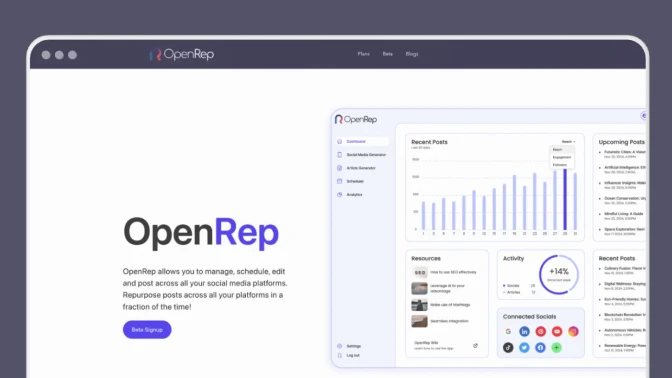
OpenRep.AI is an AI-driven social media management platform that streamlines content creation, scheduling, analytics, and monetization across major social platforms.
Finn is a platform that is easing mobility for individuals, organisations, and the environment through effortless car subscriptions, removing the hassles and hidden costs of traditional vehicle ownership.
React was first introduced to the programming world in 2013 by Facebook, and ever since, it has taken the application development industry by storm. ReactJS is an open-source framework and…
React JS Statistics in 2026: Market Trends, Usage Data & Hourly Rates
React is a popular tool for building user interfaces on the web, and its use has grown a lot over the years. In 2026, many websites are using React to…
The front-end development workspace is evolving daily with new tools and frameworks. Yet, such upgradation in the tech stacks results in easy and swift work. Choosing the appropriate react developer…
What does a ReactJS development company actually do?
A ReactJS development company designs, builds, and maintains web application frontends using the React JavaScript library. Services typically cover custom application development, UI component engineering, API and backend integration, performance optimization, legacy frontend migration, and ongoing maintenance. A qualified partner also handles architectural decisions: rendering strategy, state management, TypeScript adoption, not just writing components.
How much does it cost to build a React application?
A well-scoped React project typically ranges from $10,000 to $10,000+ for a focused MVP or feature-defined build, and $50,000 to $200,000+ for a complex enterprise platform with custom component library, API integrations, compliance requirements, and performance targets. The most important factor is scope definition. A thorough technical discovery phase, which Citrusbug provides before any engagement, is the best way to arrive at an accurate figure.
How long does it take to build a React application?
A focused React application with defined scope, stable requirements, and clean API contracts can be delivered in 6 to 12 weeks. Complex enterprise platforms with multiple integrations, compliance requirements, and extensive QA typically run 4 to 8 months. Timeline accuracy depends heavily on how well-defined the scope is before development begins. Citrusbug uses milestone-based delivery so progress is visible at every stage.
What is the difference between ReactJS and Next.js?
React is a JavaScript library for building user interfaces. It handles rendering and component logic on the client. Next.js is a full-stack framework built on top of React that adds server-side rendering, static site generation, file-based routing, and the App Router with React Server Components. For SEO-dependent applications, content-heavy platforms, or anything where initial page load performance is critical, Next.js is generally the right choice. For internal tools, dashboards, and SPAs where SEO is not a factor, React alone is often sufficient.
Can you migrate our existing application to React?
Yes. Citrusbug handles frontend migrations from Angular, Vue, jQuery, and legacy class-based React to modern React architecture. The migration approach depends on the existing codebase. Some applications support an incremental migration where React components replace legacy code module by module, keeping the product live throughout. Others require a parallel rebuild. We assess your codebase in discovery and recommend the approach that minimizes disruption to your users and your team.
Is React suitable for HIPAA-compliant healthcare applications?
React itself is framework-agnostic with respect to compliance. It doesn't enforce or violate HIPAA requirements on its own. Compliance is determined by how the application handles PHI: how data is stored in state, how API responses are managed, what appears in error logs, and how authentication and session handling are implemented. Citrusbug has delivered HIPAA-compliant React applications for healthcare clients and applies compliance-aware frontend patterns on every healthcare engagement.
Which version of React should we use in 2026?
React 18 or higher, with Next.js 14+ if your application benefits from server-side rendering. React 18 introduced Concurrent Features, automatic batching, and the foundation for React Server Components: capabilities that meaningfully improve performance in complex applications. React 19 further stabilized the Server Components model. For new projects, there is no reason to start on a legacy version. For existing applications on older React versions, migration effort depends on how deeply class components and deprecated APIs are used in the codebase.
How do I evaluate a ReactJS development company before hiring them?
Ask to see examples of React applications they have delivered: not designs, but deployed products. Ask how they approach state management decisions, what their testing strategy looks like, and whether they have built in your industry or compliance context before. Check independent reviews on Clutch or G2 for schedule reliability and communication quality, not just technical scores. A company worth hiring will answer technical questions directly in the first conversation.
Building new or Struggling with an Existing Frontend?
We bring structure to architecture, delivery, and performance so your team can move faster without adding technical debt.






























.svg)