Platform Buildout From Scratch
A product team shipping without any real CI/CD or infrastructure automation yet.
- No repeatable deployment process
- Manual server configuration
- No monitoring beyond "someone notices it's down"
Trusted DevOps Consulting Company by
Branch, build, test, and deploy behind quality gates that catch failures before production instead of after. Pipelines are versioned alongside the code they ship, not maintained as a side project.
Terraform and equivalent tooling define your infrastructure the same way your application code is defined. Staging stops drifting from production because both are generated from the same source.
Kubernetes clusters, service mesh where warranted, and internal developer platform patterns that let product teams self-serve environments without waiting on a ticket queue.
Metrics, logs, and traces wired into a single view, with anomaly detection tuned to your traffic patterns instead of generic thresholds that page engineers at 3 am for nothing.
A short audit tells you exactly where deploys are breaking and what it costs to fix.
Book a Consulting CallSAST, DAST, and SCA scanning built into the pipeline itself, with policy-as-code gates enforcing SOC 2, HIPAA, or GDPR requirements automatically rather than through a manual pre-release checklist.
Deployments triggered from a single source of truth in version control, with rollback as a revert instead of a war room.
Spend visibility and automated cleanup of unused resources, treated as its own discipline rather than a once-a-quarter cost review.
Error budgets, incident postmortems, and capacity planning that turn on-call from a dreaded rotation into a manageable one.
Internal developer platform design so product teams self-serve infrastructure without filing tickets against a shared ops queue.
Security scanning and compliance checks are embedded at each pipeline stage, not appended as a separate gate before release.
Version-controlled deployment configuration as the single source of truth across every environment, staging through production.
Centralized metrics, logs, and traces with anomaly detection tuned to reduce alert fatigue instead of adding to it.
Ongoing cloud spend visibility paired with automated cleanup of idle infrastructure, tracked as a standing metric, not a cleanup sprint.
Defined error budgets and incident response processes that make uptime a measurable target instead of a hope.
An engagement isn’t a slide deck of recommendations you’re left to implement alone. Each phase produces something your team keeps and can run without us. That includes assessment findings, a scoped roadmap, working pipelines, and documentation your engineers actually use, not just a handover meeting.
Infrastructure and Pipeline Assessment: A real audit of your current CI/CD setup, deployment frequency, and incident history, not a generic checklist.
Target Architecture and Tooling Plan: A specific recommendation tied to your stack, informed by cloud migration and modernization work where a move or re-platform is genuinely warranted.
Pipeline and Infrastructure-as-Code Build: The actual implementation, not just a design document handed off for your team to build.
Documentation and Team Enablement: Runbooks and pairing sessions so the pipeline survives past the engagement, not something only we understand.
A product team shipping without any real CI/CD or infrastructure automation yet.
Regulated industries where every release needs an audit trail.
Infrastructure that works but costs more and scales worse than it should.
Monolithic deployments that predate any DevOps practice at all.
We audit your existing pipelines, infrastructure, deployment frequency, and incident history against what your team is actually trying to ship. This isn't a generic maturity survey; it's specific to your stack, your traffic patterns, and where releases are actually breaking down today.
Based on the assessment, we propose a specific architecture, not a menu of tools. This covers pipeline structure, infrastructure-as-code approach, and where platform engineering patterns genuinely reduce friction for your product teams versus adding complexity they don't need yet.
Implementation starts here, not after a lengthy planning phase. CI/CD pipelines and IaC templates are built against your actual codebase and cloud accounts, tested in a real environment rather than a sandbox that doesn't reflect production conditions.
DevSecOps checks get wired into the pipeline itself, scanning dependencies, containers, and infrastructure configuration automatically. For regulated environments, this includes the policy-as-code enforcement that satisfies audit requirements without adding manual review steps to every release.
Observability tooling goes live alongside the new pipeline, with alerting thresholds tuned against your actual traffic instead of generic defaults. We stay through the first several release cycles to catch what only shows up under real production load.
Runbooks, architecture diagrams, and pairing sessions transfer ownership to your team. The goal is a pipeline your engineers can extend and troubleshoot independently, not one that depends on us for every future change.
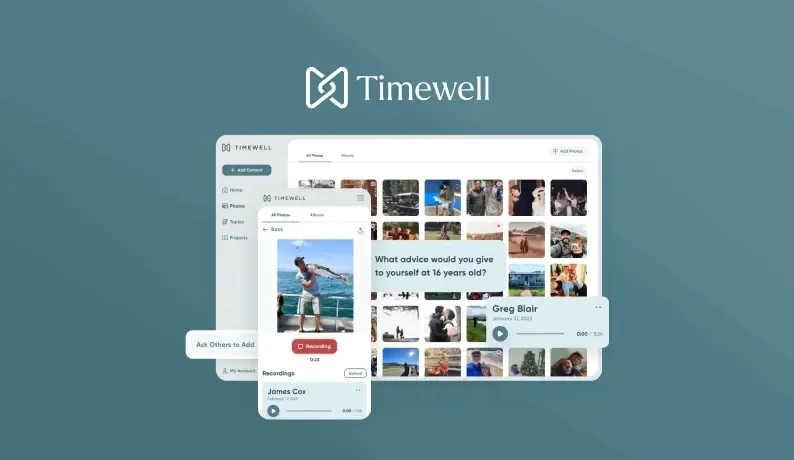
TimeWell is a platform designed to revolutionize how memories are captured and cherished. With its seamless blend of photo and voice features, TimeWell promises to leave a lasting impression on our portfolio of innovative software solutions.
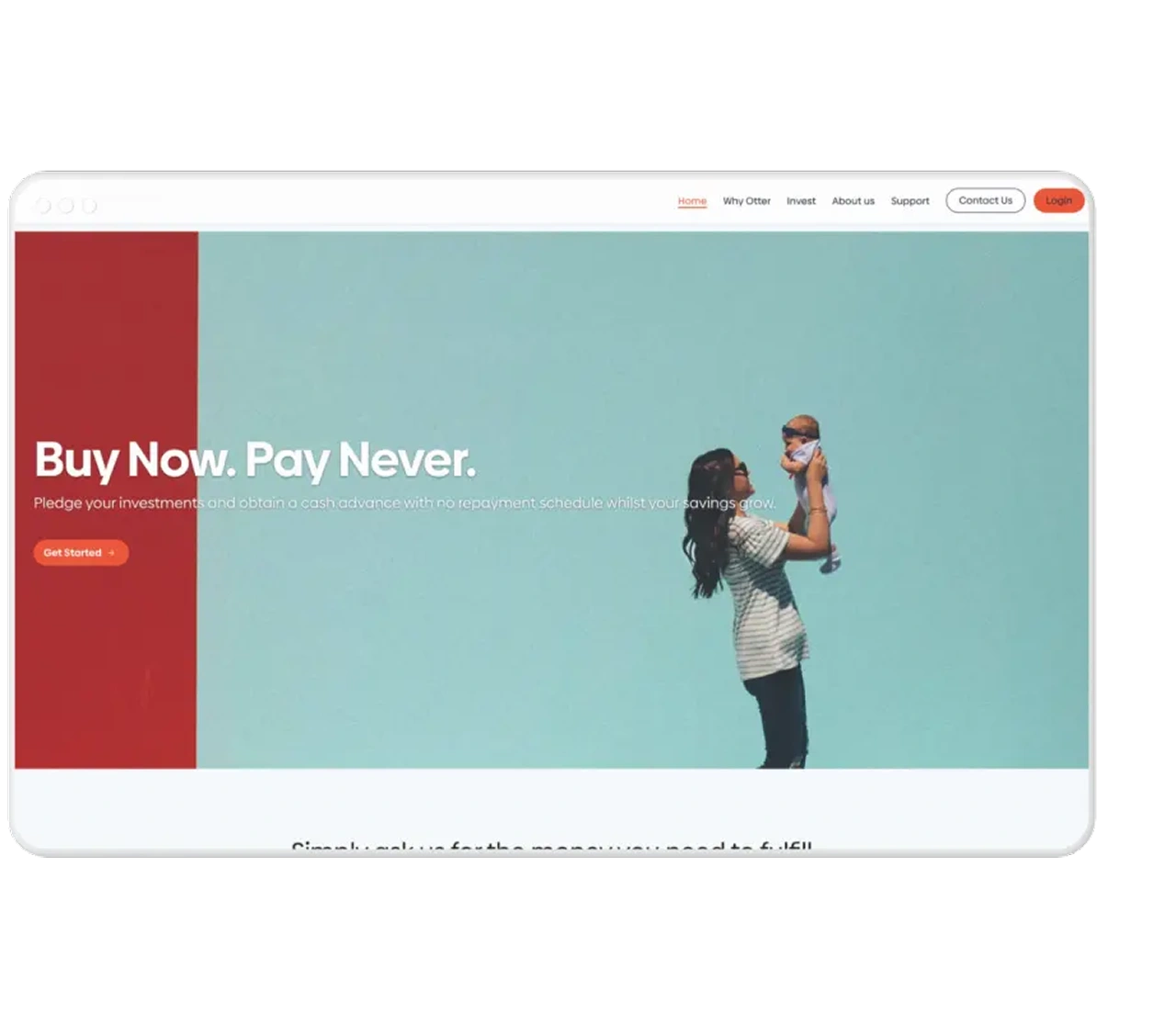
Otter, a European fintech solution, lets users leverage their assets for liquidity without selling them. With user management, dashboards, investment tools, and product management, Otter simplifies finance.
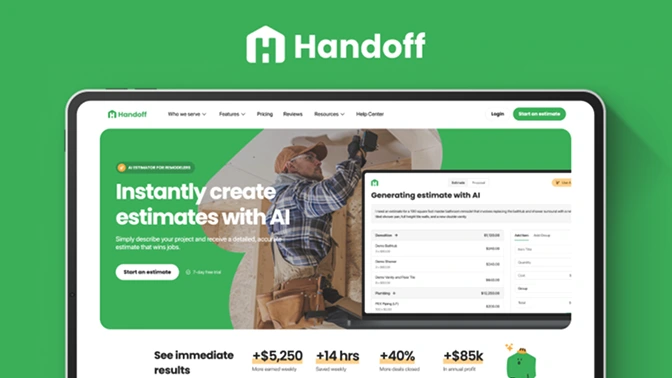
Renovation cost estimation is traditionally slow, inconsistent, and prone to human error. This AI tool provides real-time, accurate renovation cost estimates for homeowners, contractors, investors, and insurance companies.
Engagement scope depends on how much of your infrastructure already exists and how deep the compliance requirements run. This breakdown reflects typical ranges we scope against during the assessment phase.
| Engagement Scope | Typical Duration | Complexity |
|---|---|---|
|
DevOps Audit and Roadmap |
2–3 weeks |
Low |
|
CI/CD and IaC Implementation |
6–10 weeks |
Medium |
|
Full Platform Engineering Build |
3–6 months |
High |
|
Ongoing Managed DevOps Support |
Continuous |
Varies |
DevOps consulting typically runs from $40 per hour for focused support up to $80 or more per hour for advanced enterprise-level expertise, depending on scope and tech stack.
Share your requirements for a tailored estimate.
Digital product development in a highly competitive technological scenario today indeed needs to be done at a tremendous pace and agility, along with quality, to keep up with the fast-changing…
Read Article →
As healthcare organizations become more engaged in digital solutions for simplification and betterment of the care of a patient, DevOps has emerged as one of the most vital approaches to…
Read Article →
DevOps has emerged as a culture that is transformational for software development, and the wider software development statistics confirm how central this methodology has become to modern engineering teams. For…
Read Article →An infrastructure and pipeline assessment, a target architecture plan, hands-on pipeline and IaC implementation, and documentation your team keeps. It's not a recommendations-only advisory package.
Audits run 2-3 weeks. CI/CD and IaC implementation typically runs 6-10 weeks. Full platform engineering builds can run 3-6 months depending on scope.
Not necessarily. Many teams use consulting to build the foundation, then either extend into managed support or bring the work in-house once the pipeline is stable.
You get full ownership of the code, configuration, and documentation. Nothing about your pipeline depends on us continuing the relationship.
Yes. Most engagements involve pairing with your engineers directly rather than working in isolation and handing off a finished product.
AWS, Azure, and Google Cloud, along with Terraform, Kubernetes, Docker, and the CI/CD and monitoring tooling already in your stack where it makes sense to keep it.
Rates typically run $40 to $80+ per hour depending on scope and complexity. Project-based engagements are scoped after the initial assessment.
Yes, including SAST, DAST, and SCA integration and policy-as-code gates for SOC 2, HIPAA, and GDPR requirements built directly into the pipeline.