Brainkey
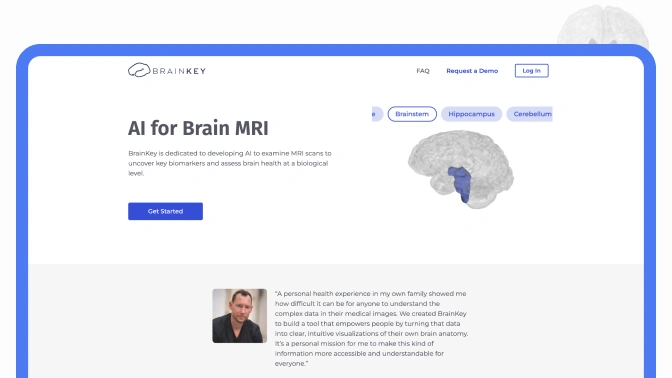
Designed for healthcare providers and researchers, the platform enhances early detection of neurological conditions.
Trusted by industry leaders
Our enterprise system integration consulting covers the layer between your systems, from the strategy that decides how they should connect to the engineering that makes the connection hold.
Our team assesses your current system landscape and defines an integration architecture that fits how your data actually needs to move, not a generic template applied to every client.
We design the architecture that governs how systems exchange data long term, establishing the patterns and data model that keep future integrations consistent instead of one-off.
Our experts design and build the APIs that connect your systems, using our enterprise architecture consulting expertise so each interface is a stable contract rather than a fragile shortcut.
We modernize the legacy applications sitting at the center of most integration problems, replacing brittle custom code with interfaces the rest of your stack can actually depend on.
Our team connects CRM and ERP platforms to the systems around them, so customer and financial data stays consistent across sales, finance, and operations instead of drifting apart.
We integrate the growing list of SaaS tools your teams adopt through cloud architecture consulting that keeps each new subscription from becoming another disconnected silo.
Our experts move and transform data between systems during platform changes, validating it against the source so the new system starts on numbers your teams can trust.
We stay on after go-live to monitor, maintain, and extend the integration layer, so it keeps working as systems get upgraded, replaced, or added around it.
Discuss where your applications, platforms, or data flows are creating bottlenecks, and we'll help you build a scalable integration strategy that keeps your technology ecosystem connected as your business evolves.
Get an Integration ReviewMultiple direct connections create a tangled integration landscape that becomes difficult to monitor, maintain, and troubleshoot as your business grows.
Replacing a single platform means finding and rebuilding every direct connector that was ever connected and dependable to it.
Point-to-point integrations make it harder to add new applications, automate processes, or expand your technology environment efficiently.
Replacing legacy platforms becomes risky when every system depends on custom-built connections. A scalable integration architecture enables smoother technology transitions.
Designed for healthcare providers and researchers, the platform enhances early detection of neurological conditions.
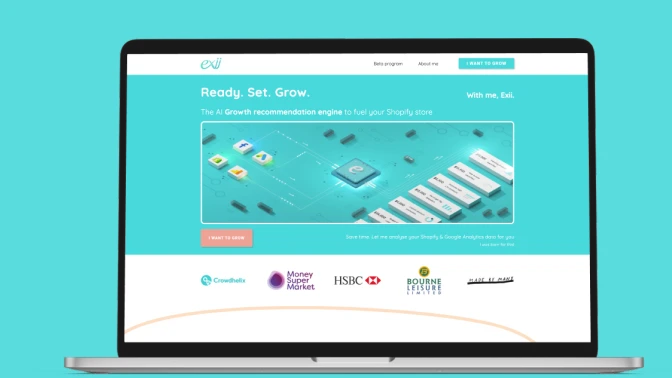
Exii.co recommendation engine personalizes online shopping experiences, enhancing customer engagement and increasing sales.
This AI tool provides real-time, accurate renovation cost estimates for homeowners, contractors, investors, and insurance companies.
Our team maps every system in scope, the data each one owns, and the connections already in place, including the undocumented ones nobody remembers building. This picture is what a realistic integration plan gets built on, and it is where most integration projects quietly succeed or fail.
We design the integration architecture and canonical data model that will govern how systems exchange information, choosing between API-led, event-driven, or batch patterns based on how your data actually needs to move rather than defaulting to whatever the last project used.
Our senior engineers build the integration layer in two-week sprints with working software at the end of each one. You see connections come online incrementally, with daily updates, so an enterprise system integration engagement stays visible instead of disappearing for months at a time.
We test each integration against real data and real failure scenarios, a system going offline mid-sync or a schema changing without warning. Because an integration that only works in the demo environment is not actually finished. The rigorous testing helps deliver quality integrations.
We deploy the integration layer, tune it against real usage, and hand over full documentation and source code. From there you run it in-house or keep us on for managed support as your system landscape keeps changing. We make sure to provide ongoing support and maintenance post-deployment.
Integration complexity looks different by sector. A hospital network is connecting EHR and billing systems under HIPAA, while a logistics company is syncing warehouse, fleet, and ERP data in near real time. Citrusbug's enterprise system integration consulting has been shaped by delivering in each of these environments, so the architecture accounts for the compliance and data-sensitivity constraints specific to your sector, not a one-size-fits-all approach.
We design integrations assuming any single system will eventually change, so swapping one platform later does not mean rebuilding every connection around it.
Our integration approach helps enterprises add new systems, expand workflows, and handle growing data needs without creating unnecessary complexity or increasing maintenance challenges.
We create well-documented, maintainable integration architectures that your internal teams can understand, manage, and evolve as your business and technology needs change.
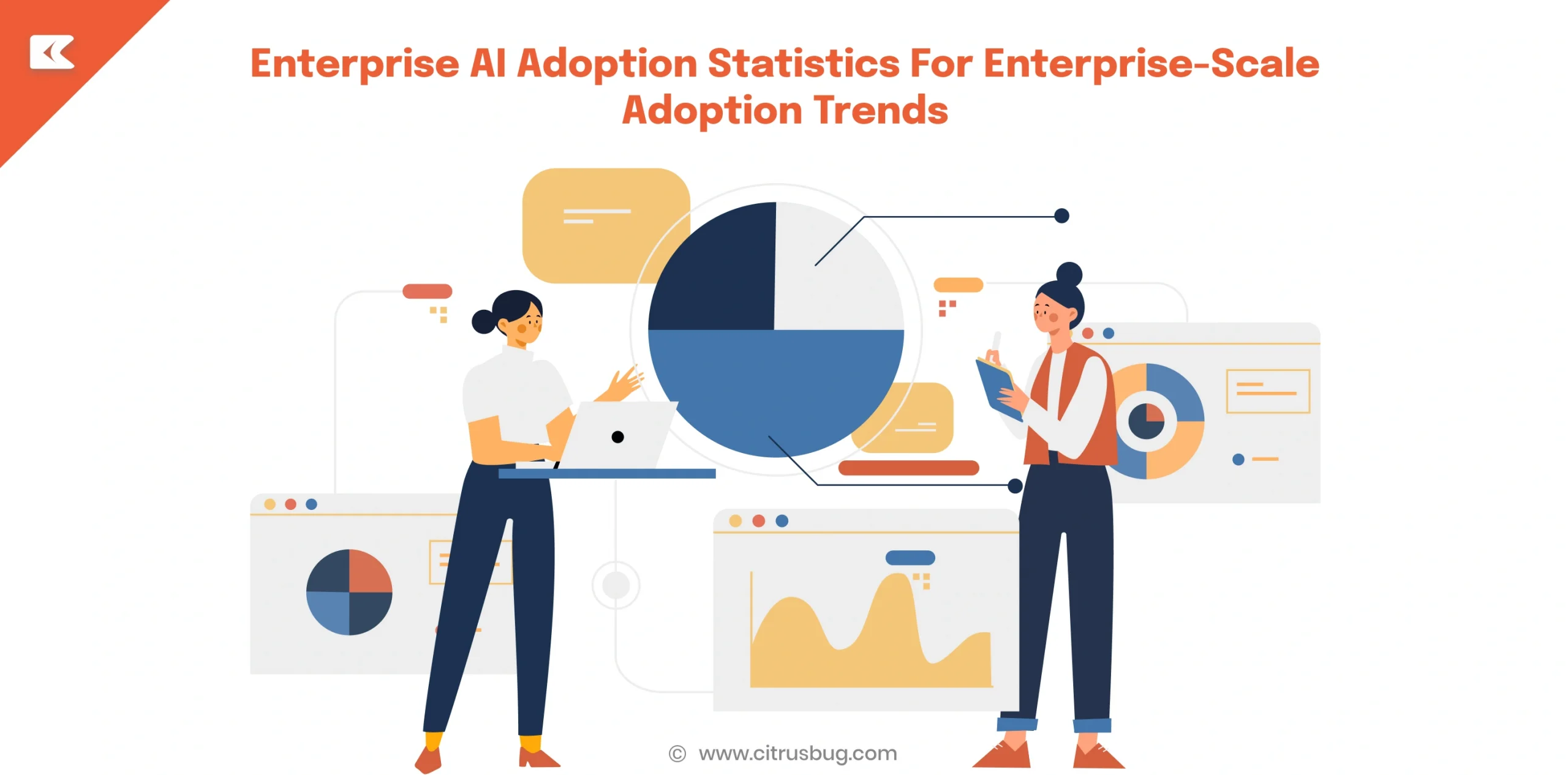
Enterprise AI adoption has shifted from experimentation to operational reality across major functions. As models become more accessible through cloud platforms and packaged tools, enterprises are funding production use cases…
Read Article →
Wearable devices have evolved from their original purpose as fitness trackers to function as health monitoring systems, payment solutions, and productivity enhancement tools. Businesses entering this market need wearable app…
Read Article →
Introduction If you look at how enterprises operate today, almost everything is being touched by AI in one way or another. Companies are using AI for forecasting, customer support, analytics,…
Read Article →Enterprise system integration consulting helps businesses connect different applications, platforms, and data sources into a unified technology ecosystem. It involves designing integration strategies that improve data flow, automate processes, and enable systems to work together efficiently.
Enterprises often operate with multiple systems that create data silos, manual processes, and operational inefficiencies. System integration consulting helps organizations simplify their technology landscape, improve collaboration between systems, and create a scalable foundation for future growth.
Instead of creating fragile connections between individual systems, we design scalable integration architectures that are built for change. This allows businesses to add, replace, or upgrade platforms without rebuilding their entire integration ecosystem.
Citrusbug helps enterprises connect legacy applications with modern cloud platforms, APIs, databases, and enterprise software solutions while ensuring secure and reliable data exchange across systems.
We consider security, data protection, performance, and scalability at every stage of the integration process. Our approach includes secure data transfers, proper access controls, monitoring strategies, and architecture best practices.
We build integration solutions with long-term ownership in mind. Your team receives proper documentation, architecture insights, and maintainable solutions that allow them to manage and evolve the integration ecosystem independently.
We provide ongoing support, monitoring, and optimization services to ensure your integrations remain reliable, secure, and aligned with your evolving business needs. Our enterprise system integration services keep the integration layer monitored and maintained as your systems get upgraded, replaced, or added over time.