


FINTECH

 Citrusbug Healthcare →

 ISO 27001 Certified
 SOC 2 Compliant
Trusted By Industry Leaders















Certifications and Accreditations

From product architecture to production delivery, our product engineering team covers the technical work required to build, improve, and scale software products. Each service area addresses a specific part of the product lifecycle.
Discovery that ends in a decision, not a deck. We map your business goals against technical constraints, then design a cloud-native architecture sized for what you’ll actually scale to, not a hypothetical enterprise ceiling three years out.
Frontend and backend built by engineers who own the whole stack, not a frontend team and a backend team who never talk. API-first, microservices where they earn their complexity, monolith where they don’t.
We embed AI application development where it changes an outcome, not where it looks good in a pitch deck. Model integration, agentic workflows, and third-party AI APIs, wired into your product without becoming a maintenance liability.
Cloud-native application development paired with CI/CD pipelines your team can actually run after we’re gone. Observability, automated testing, and deployment built in from sprint one, not bolted on before launch.
Improve products that have outgrown their original architecture without starting from scratch. We refactor legacy code, replace outdated components, improve performance, and modernize the underlying architecture while keeping the product running.
Build quality into the development process with functional testing, API testing, automation, performance testing, and regression coverage. Testing stays connected to the product rather than becoming a separate phase before release.
Identify and fix the bottlenecks that appear as users, transactions, data, and integrations increase. Optimize application performance, databases, APIs, and infrastructure so growth doesn’t turn into recurring technical problems.
Keep improving the product after launch with new features, technical improvements, integrations, performance work, and ongoing maintenance. Engineering priorities can evolve with your roadmap instead of ending when the initial build is delivered.
Bring in experienced engineers to move your roadmap forward, tackle technical challenges, and keep development on track.
Talk to Our EngineersSalesforce, HubSpot, NetSuite, and custom ERP data flows kept in sync without nightly batch jobs breaking silently.
Stripe, Adyen, and usage-based billing wired directly into your product logic, not glued on as a checkout afterthought.
Schema-aware migration paths that move data without freezing your product for a maintenance window.
A single integration layer instead of a dozen point-to-point connections nobody fully understands.
We start by reading your existing codebase, not just your requirements doc, if there is one. That means an honest technical debt assessment, a clear read on what's salvageable versus what needs rebuilding, and a scope that reflects reality instead of optimism. You leave this stage with a roadmap, not a proposal.
We design the system architecture around your actual growth trajectory, cloud-native by default, with API contracts documented before a single feature gets built. You also meet the senior engineers who'll be on your build, not a generic bio page.
Two-week sprints, daily async updates, and demos you can actually react to instead of a status email you skim. AI-augmented coding tools speed up implementation, but every merge still goes through human review, because vibe coding a production system is how technical debt compounds fast.
Security gets built in during development through our Secure ADLC approach, not audited afterward. Automated testing, penetration testing where the product warrants it, and CI/CD pipelines that catch regressions before your users do.
At delivery, you get full source code ownership, not a license to use what we built. Post-launch, we offer L1/L2/L3 support options if you want them, and cost-optimized cloud deployment so scaling doesn't quietly inflate your infrastructure bill.
Their agile way of working, competence, and friendliness are impressive.December 7, 2024
Citrusbug Technolabs handles a data extraction project for an education company. They're also responsible for managing an AI generation project for the client.
Citrusbug Technolabs has laid out and followed a clear project outline and consistently met deadlines. The team communicates well and demonstrates a strong understanding of the client's vision and goals. Their agile approach, high level of competence, and personable approach stand out.
 Read More
Their communication and ability to capture exactly what I was asking for were impressive.November 14, 2024
Citrusbug Technolabs built an automated system for a veteran medical company. The system needed to collect and store user data, generate customized letters based on surveys, and use AI to summarize reviews.
Citrusbug Technolabs delivered a functional automated system that successfully organized the client's records and auto-generated statements. The team was quick to respond, addressed all roadblocks, and communicated effectively. Overall, their ability to understand the client's needs stood out.
Read More
They were very calm and talented, and they did bring some of their own ideas.January 28, 2025
Citrusbug Technolabs has developed an MVP for a freight and capacity marketplace. The team has created three different interfaces for three market segments.
Citrusbug Technolabs has successfully developed an effective MVP. The team has delivered the project on time and almost within budget. Moreover, their responses have been timely. Overall, the team has been calm, talented, and innovative. This has led to the client's satisfaction.
Read More
What stood out most about them was their personalized approach and sense of ownership in every aspect of the project."February 27, 2024
Citrusbug Technolabs built a Flutter cross-platform mobile app for an education company. They also developed two web apps and an admin panel and provided DevOps support for the client's infrastructure.
Citrusbug Technolabs' support successfully boosted the client's user engagement by 8x, resulting in an 85% retention rate. The reliable team demonstrated a dedication to delivering on time and promptly responding to concerns and adjustments. Their personalized, client-centric approach stood out.
Read More
They didn't like the phrase "impossible to do", which made them very solution-oriented.February 19, 2024
A healthcare company hired Citrusbug Technolabs to design and develop a user-friendly application. The team provided tailored assistance to meet the client's requirements.
Citrusbug Technolabs successfully delivered an application that was ready for market. The team was highly professional and well-organized; they stayed focused throughout the engagement and were receptive to changes. Overall, they stood out for their trustworthiness and commitment to excellence.
Read More
They're 100% on time and transparent throughout each stage of the project.February 24, 2024
A financial technology company has hired Citrusbug Technolabs to build a custom web application. The team handles the development and design of the app.
The project is ongoing, but the client has been satisfied with Citrusbug Technolabs' services. The team is very professional — they always respect timelines and provide regular updates to ensure everyone's on the same page. Also, their transparent approach makes them a trustworthy partner.
Read More
"I do believe they are exceptional at where they stand."
Citrusbug Technolabs took on a mobile app development project for a Singapore-based development house. They were provided with UX designs to execute. Currently, they're finalizing and fine-tuning the product.
Citrusbug Technolabs contributed to the successful launch of the product, which has garnered over 10,000 users in just three months. The product has also received support from investors. They consistently followed-up with their progress and delivered at a speedy rate. The team is truly stellar.
Read More
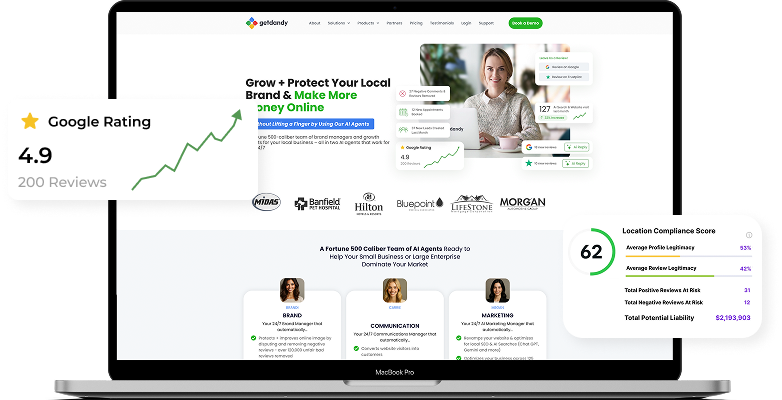
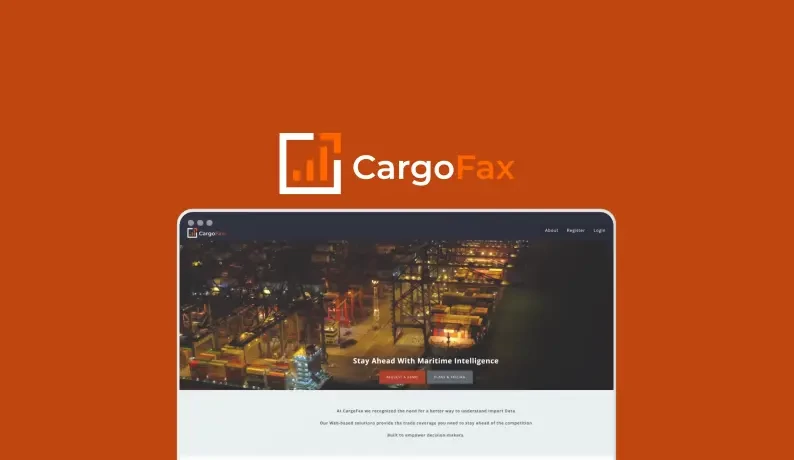
A data-driven import insights platform designed to help businesses make smarter import decisions.
View Case Study →.svg)
A tightly scoped build to validate a core idea before committing further budget.

For a product that's found early traction and needs to hold up under real usage.

Multi-team builds with compliance, integration, and scale requirements from day one.
Every build is different, but most fall into one of four brackets. This is a starting point for budgeting, refined once we've scoped your actual requirements, whether that's a scrappy MVP development sprint or a full enterprise program.
| Build Type | Complexity | Estimated Timeline | Typical Engagement |
|---|---|---|---|
|
MVP / Prototype |
Low |
4–8 weeks |
Focused product team |
|
Mid-Complexity SaaS Product |
Medium |
3–5 months |
Dedicated engineering team |
|
Enterprise-Grade Platform |
High |
6–9 months |
Multi-disciplinary engineering team |
|
Legacy Modernization Program |
Very High |
4–8 months |
Dedicated modernization team |
Most engagements land between $40,000 and $150,000+, depending on complexity, integrations, and team size.
Tell us where you're starting from and we'll give you a real range.
 Custom Software Development
Minimum Viable Product examples from companies like Dropbox, Airbnb, and Uber prove that billion-dollar businesses often launch with stripped-down versions of their final product. An MVP enables founders to test…
Read Article → Custom Software Development
Well, everyone would say – identify product opportunities, define business goals, design prototype, build MVP, prepare a marketing strategy for launch, and iterate product improvement. But no one answers –…
Read Article → React
React
Are you ready to bring your amazing product idea to life? It may seem overwhelming at first, but following the new product development process and implementing the best practices at…
Read Article →Anywhere from 4 weeks for a scoped MVP to 6-9 months for an enterprise-grade platform, depending on complexity, integrations, and compliance needs.
Yes. Full source code ownership transfers to you at delivery, with no ongoing licensing requirement to keep using what we built.
Yes. We regularly inherit stalled or half-built products, starting with a technical audit before committing to a scope and timeline.
We work in two-week sprints specifically so scope changes get absorbed at sprint boundaries, not mid-build. Larger pivots trigger a scope conversation, not a surprise invoice.
We work with what you have when it's sound, and flag honestly when a component needs replacing rather than patching indefinitely.
Security is built into every sprint through our Secure ADLC approach, including threat modeling and testing, rather than audited after the build is done.
A working product with full source code, documentation, and an architecture built to hand off cleanly, not a prototype that only we can maintain.
Enough to validate direction at each sprint demo. We don't need daily hand-holding, but we do need a decision-maker available for weekly check-ins.
Yes, including optional L1/L2/L3 support tiers and free maintenance where it's genuinely relevant to the engagement.
