













Certified
Trusted By
Custom Software Development Services for San Diego
From new digital products to modernized business systems, Citrusbug builds custom software around your goals, existing infrastructure, and growth plans. Every engagement starts with defined requirements and a clear scope, giving your team a practical path from planning to deployment.
Custom Platforms and Internal Tools
Replace disconnected workflows with operations portals, customer platforms, and internal tools designed around your business processes. API-first architecture and role-based access controls support secure integrations with existing systems and future capabilities.
Web and Mobile Applications
Launch customer-facing web applications and iOS, Android, or cross-platform mobile products, from MVP to production. Our mobile app development expertise covers secure authentication, offline functionality, and reliable release pipelines.
Legacy Modernization and Integration
Improve aging applications without disrupting essential business operations. Through legacy application modernization, we upgrade systems in stages, strengthen test coverage, and connect ERP, CRM, and reporting platforms through APIs and data pipelines.
Cloud and DevOps Delivery
Deploy and manage applications on AWS, Azure, or Google Cloud with infrastructure as code, automated CI/CD pipelines, and performance monitoring. We configure scaling and cloud resources around actual workloads to support reliable releases and control infrastructure costs.
Discuss Your Project With Our Engineer
Share your requirements, existing integrations, and target timeline. Our engineer will help clarify the right technical approach and outline practical next steps before you commit to a budget.
Talk to an EngineerAI and Machine Learning Development Services
Generative AI and RAG Applications
Machine Learning and Forecasting
Software Development Process From Discovery to Launch
Discovery Workshops and Requirements
We work with your stakeholders to define business goals, user roles, requirements, and success metrics. The result is a prioritized feature list and documented scope that gives everyone a shared baseline before development begins.
User Stories and Wireframes
Requirements become user stories with acceptance criteria and clickable wireframes for key workflows. Your team can review user journeys, identify missing functionality, and resolve usability questions before engineering starts.
Architecture and Estimate
We define the technology stack, system architecture, data ownership, integrations, and applicable security requirements. Based on the agreed scope, you receive an estimate with documented assumptions, risks, and cost factors.
Sprint Delivery With Regular Demos
Development progresses in short sprints, with working software demonstrated regularly in a staging environment. Daily written updates, sprint reviews, and backlog prioritization keep progress visible and give your team opportunities to adjust requirements.
Security and QA Gates
Security reviews and testing are integrated into development through Citrusbug's Secure ADLC methodology. Code reviews and automated tests help identify issues early, while verification against relevant security risks supports a more reliable release.
Launch and Handover
We prepare the deployment pipeline, monitoring, and release documentation needed for launch. Handover arrangements, support terms, and post-launch priorities are agreed upon with your team so ownership and next steps are clear before go-live.
Industry-Specific Software Development Expertise
VIEW ALL INDUSTRIES →Fintech and Payments
Explore FintechLogistics and Supply Chain
Explore LogisticsE-commerce and Retail
Explore E-commerceOur Recent Software Projects
Client Testimonials (We're Rated 4.7 on Clutch)
Building Software With California Privacy and Security Requirements in Mind
California privacy and security rules can affect how software collects data, makes automated decisions, and protects sensitive information. Citrusbug incorporates relevant technical safeguards into application architecture, working alongside your legal and compliance advisors.
Privacy Risk Assessment Support
Document data flows, processing purposes, and system integrations to help your team assess privacy risks and prepare supporting technical evidence.
Automated Decision Controls
Design appropriate notices, opt-out mechanisms where required, and human review processes for covered automated decisions, with logs to support accountability.
Security Controls and Audit Trails
Implement role-based access, encryption, audit logging, and secure configuration to strengthen application security and support applicable audit requirements.
HIPAA-Aligned Data Handling
For healthcare applications handling protected health information, our HIPAA-ready application development practices address access controls, encryption, and audit trails.
What Drives the Cost of Custom Software
Feature Scope
Every additional workflow, user role, report, and business rule adds development and testing effort. Prioritizing essential features helps control the initial investment while leaving room for future releases.
System Integrations
Connecting CRMs, ERPs, payment gateways, and external APIs requires integration logic, error handling, and testing. Identifying dependencies early helps establish a more accurate project estimate.
Security and Compliance
Security controls, audit trails, and documentation can add to development costs when requirements include HIPAA safeguards, SOC 2 controls, or CCPA-related obligations. The effort depends on the application and applicable requirements.
AI and Machine Learning
AI capabilities may require data preparation, model integration, evaluation, and ongoing monitoring. Assessing data readiness and defining measurable outcomes early helps clarify the additional effort.
Platforms and Devices
Supporting web, iOS, Android, and offline functionality increases implementation and testing needs. Choosing platforms based on user requirements helps avoid unnecessary development work.
Delivery Timeline
Accelerated timelines may require a larger team or parallel development, increasing costs. A phased delivery plan helps balance launch priorities, available resources, and budget.
Engagement Models for Custom Software Projects
Fixed-Price Build
DEFINED SCOPE AND BUDGET
- Scope fixed after discovery
- Budget agreed before development starts
- Suited to MVPs and well-defined modules
- Free maintenance after launch
Time and Material
EVOLVING SCOPE AND PACE
- Pay for effort as work progresses
- Backlog reprioritized every sprint
- Suited to products still finding their fit
- Hours and progress reviewed each sprint
Dedicated Team
ONGOING ROADMAP AND CAPACITY
- Engineers aligned to your product roadmap
- Team size adjusts as demand changes
- Suited to long-running platforms
- Works as an extension of your team
How Much Does Custom Software Development Cost in San Diego?
Custom software projects typically range from $20,000 for basic applications to $150,000 or more for complex, enterprise-grade systems. Share your requirements for an estimate scoped to your project.
Why Choose Citrusbug for Custom Software Development in San Diego
Discovery Before Development
Requirements, user workflows, and technical dependencies are defined before development begins, giving your team a clear scope and a documented basis for estimates.
Flexible Product Development
Validate your idea with a proof of concept or MVP before committing to a larger build, using early feedback to guide product priorities and investment.
Support Beyond Launch
Choose L1, L2, and L3 support options with agreed response terms for ongoing maintenance, monitoring, issue resolution, and product improvements.
Full Code and IP Ownership
Retain ownership of source code, custom-built components, and project documentation, with the freedom to maintain and extend your software.
Related Insights on Software Development
View All Articles →
Cost Analysis: Custom Software Development vs. Off-the-Shelf Solutions
In today’s rapidly evolving business landscape, selecting the right software solution is critical for operational efficiency and scalability. Businesses often face a dilemma when choosing between custom software development and…
Read Article →
How Much Does Custom Software Development Cost?
Custom software development is the process of developing software for specific users. In today’s era of technological transformation, one software solution is not fit for everyone. Due to this Custom…
Read Article →
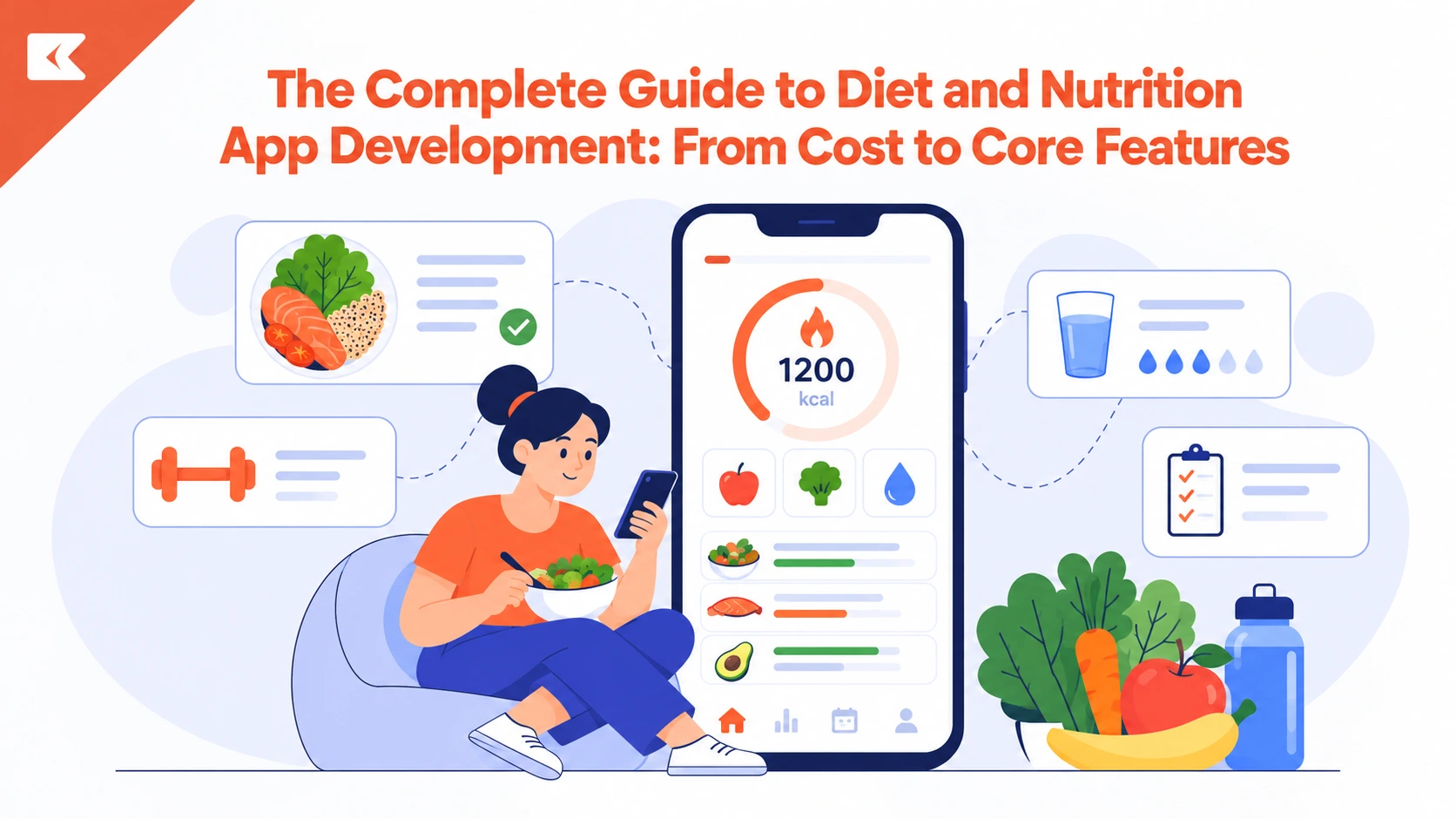
The Complete Guide to Diet and Nutrition App Development: From Cost to Core Features
What Is Diet and Nutrition App Development? Diet and nutrition app development is the process of designing, building, and maintaining software that helps people log food intake, track nutrients, and…
Read Article →FAQs About Software Development Company in San Diego
What should I look for in a software development company in San Diego?
Look for a written scope and estimate before any build, clear code ownership, security and compliance documentation, and references from similar projects. Ask how change requests, support, and handover are handled.
How much does custom software development cost in San Diego?
It depends on feature scope, integrations, compliance requirements, AI components, and platforms. A discovery phase produces a written estimate with its assumptions listed, so the budget reflects your actual requirements.
How long does a custom software project take?
A focused MVP or internal tool often takes two to four months, and multi-system platforms take longer. Integrations, compliance scope, and team size set the pace, and discovery produces a schedule you can hold the team to.
Should we build custom software or buy an existing product?
Buy when the process is standard, such as payroll or email. Build when your workflow differentiates the business, when per-seat licensing grows with headcount, or when integrating with your existing systems is the hard part.
Does a software development partner need to be located in San Diego?
Location matters less than process. A written scope, regular demos, and daily updates keep a distributed engagement as visible as a local one, and Citrusbug applies that rhythm to every project.
Can you add AI to software we already run?
Yes. AI features connect to existing software through APIs, so the product does not need a rebuild. A review of your data quality and a measurable success target decide whether the feature is worth building.
Who owns the code and our idea?
You do. NDAs are standard before project details are shared, and full source code ownership transfers to you at delivery.
Are there hidden costs beyond the estimate?
No. Estimates list scope, assumptions, and cost drivers before the project begins. Changes to scope are discussed and priced before work on them starts, so the invoice follows the plan.